Doctrine of Discovery on agenda at meeting between Pope, First Nations

Advertisement
Read this article for free:
or
Already have an account? Log in here »
To continue reading, please subscribe:
Digital Subscription
One year of digital access for only $1.44 a week*
- Enjoy unlimited reading on winnipegfreepress.com
- Read the E-Edition, our digital replica newspaper
- Access News Break, our award-winning app
- Play interactive puzzles
*Billed as $5.77 plus GST every four weeks. After 52 weeks, price increases to the regular rate of $19.95 plus GST every four weeks. Offer available to new and qualified returning subscribers only. Cancel any time.
To continue reading, please subscribe:
Add Free Press access to your Brandon Sun subscription for only an additional
$1 for the first 4 weeks*
- Enjoy unlimited reading on winnipegfreepress.com
- Read the E-Edition, our digital replica newspaper
- Access News Break, our award-winning app
- Play interactive puzzles
*Your next Brandon Sun subscription payment will increase by $1.00 and you will be charged $17.95 plus GST for four weeks. After four weeks, your payment will increase to $24.95 plus GST every four weeks.
Read unlimited articles for free today:
or
Already have an account? Log in here »
Hey there, time traveller!
This article was published 27/03/2022 (1681 days ago), so information in it may no longer be current.
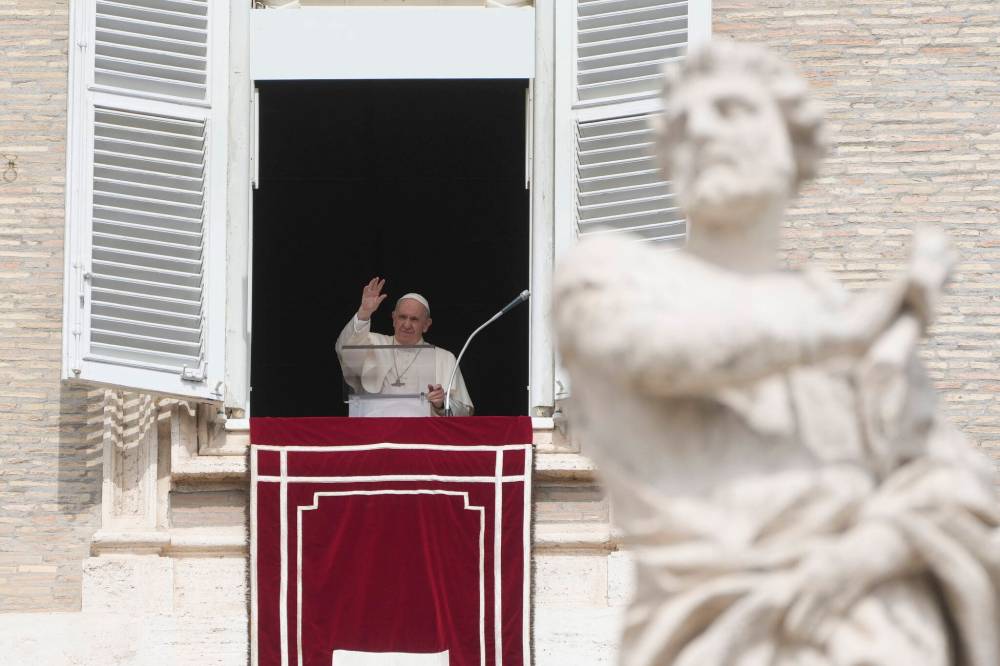
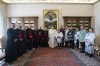
ROME — When delegates from the Assembly of First Nations meet Thursday with Pope Francis, they intend to ask him not just for an apology but to repudiate the Doctrine of Discovery issued in 1493.
The papal bull, or edict, which was pronounced by Pope Alexander VI, gave European explorers the right to claim lands not inhabited by Christians for their Christian monarchs. If people living there weren’t Christians, the land was considered terra nullius — empty — and available for conquest.
This doctrine, the AFN says, “led to the genocide of Indigenous peoples in every region of the world.”
Date of pope’s visit undecided
On Monday, when the first two delegations visit the Pope — the Métis National Council and the Inuit Tapiriit Kanatami — everyone will want to know when they come back from the Vatican: when is he coming to Canada to apologize?
On Monday, when the first two delegations visit the Pope — the Métis National Council and the Inuit Tapiriit Kanatami — everyone will want to know when they come back from the Vatican: when is he coming to Canada to apologize?
In that, people will be disappointed said a church official, speaking on background.
“We shouldn’t expect him to say much,” said the official. “Early in the week he is going to be in listening mode.”
The Pope has said he will come; that’s not news, the official said.
But any information about when he will come might only be shared on Friday when he has a general audience with all the delegations, including from the Assembly of First Nations, who meet with him Thursday.
Even if a date is announced it should be held loosely, the official said.
“There are a lot of things going on in the world, like the war in Ukraine,” he said, noting world events could come up and change plans.
The official also noted a decision about when the Pope might come is up to the Vatican, not the Canadian Conference of Catholic Bishops.
“They take the lead in this,” he said.
AFN regional chief Gerald Antoine, who is leading the delegation in Rome, said: “When European rulers arrived on our shores, their international laws were applied to our lands and denied our existence as human beings.”
Since that time, he added, “We have been the target of relentless attempts to destroy our way of life. We have been uprooted, displaced and relocated out of our original lands. However, we have never given up on our teachings and the way we perceive our existence.”
While not denying the terrible things that happened to Indigenous people as a result of exploration and colonization, Toronto-based reporter Michael Swan wonders if repudiating the doctrine will result in any practical change.
For Swan, a reporter for the Catholic Register and longtime observer of the Roman Catholic Church, a papal injunction against the doctrine will “not be a magic formula” that makes everything right or reverses the course of 400 years of colonial history.
The doctrine has, in fact, already been “contradicted by other statements” made by the Church several times in the past, he added.
This included at the Second Vatican Council, which condemned the idea wars of conquest are justifiable in order to convert non-Christians.
Closer to home, the Canadian Conference of Catholic Bishops released a statement in 2016 against the “errors and falsehoods perpetuated, often by Christians, during and following the so-called Age of Discovery.”
Pope John Paul II spoke against it in 1987 in Fort Simpson, N.W.T., when he stated the church affirmed the dignity and freedom of Indigenous people and they could not be deprived of their lands.
“The Doctrine of Discovery is clearly not the teaching of the church today,” Swan said.
At the same time, there is symbolic power in the Pope speaking out specifically against the doctrine during a visit to Canada, if he should choose to do that. What would be more important, Swan believes, is “how Catholics behave towards our Indigenous neighbours.”

Canadian Roman Catholics need “to learn about (the doctrine’s) history and how it impacted Indigenous people,” and then incorporate “sincere reconciliation into their daily lives.”
That, Swan said, “would be more important than all the statements that are repudiated.”
As for this week’s meetings with the Pope, Swan believes one of the most important things is for Indigenous people “to be heard at the very heart of the church. That will be very meaningful.”
John Longhurst is in Rome this week to cover the papal visit by Indigenous people for the Free Press. See coverage of the visit at winnipegfreepress.com/papalvisit
faith@freepress.mb.ca
The Free Press is committed to covering faith in Manitoba through our Religion in the News project. This reporting continues because readers like you step forward to fund it.
Donate now to support our reporting on religion.
Your donation is eligible for a charitable tax receipt.
BECOME A FAITH JOURNALISM SUPPORTER
John Longhurst has been writing for Winnipeg's faith pages since 2003. He also writes for Religion News Service in the U.S., and blogs about the media, marketing and communications at Making the News.
Our newsroom depends on a growing audience of readers to power our journalism. If you are not a paid reader, please consider becoming a subscriber.
Our newsroom depends on its audience of readers to power our journalism. Thank you for your support.
Related Articles
Papal visit 2022: Full coverage from Rome

Advertisement Advertise With Us
Advertisement Advertise With Us
The Free Press acknowledges the financial support it receives from members of the city’s faith community, which makes our coverage of religion possible.