

Life & Style
Life & Style

Student of the Prairie
8 minute read Tuesday, Jul. 21, 2026In Andrian Makhnachov’s first nine days as a Winnipegger, he immersed himself in the city’s most distinctive delights. He went to the Goldeyes’ Ukrainian Night, toured the Manitoba Museum and cheered the Sea Bears at Canada Life Centre.
He sampled boxes of treats from local institutions such as Baked Expectations and Oh Doughnuts. He tried pickerel for the first time, and even a Jeanne’s Cake. (His diplomatic verdict on the city’s most intensely debated dessert: “I think it’s a very interesting experience … maybe there’s some special way I should eat it and it’s going to be better.”)
Still, the rising social media star encountered a few challenges. When Makhnachov first planned his move here from Regina, he’d picked an apartment in the Exchange District, not realizing there were few grocery stores within walking distance. For now, he’s making do with Giant Tiger.
For all the ups and downs, there is no doubt in the Ukrainian-Canadian’s mind that he made the right decision to move his life, and his burgeoning influencer career, to Winnipeg.
Advertisement
Weather
Winnipeg MB
28°C, Windy
Faith
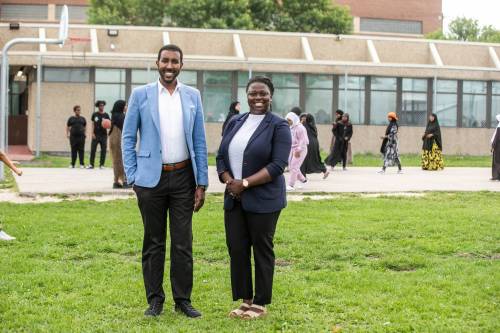
Mosque’s restorative justice program helps newcomers find their way
10 minute read Preview Sunday, Jul. 19, 2026Faith

Soccer game days treated as religious events by some
5 minute read Preview Saturday, Jul. 18, 2026
Faith
Growth in number of people with dementia challenges faith groups
5 minute read Saturday, Jul. 11, 2026There are over 770,000 people in Canada today living with dementia. By 2030, that number could be more than a million — a “tsunami” of dementia cases, according to Hope for Dementia, a Canadian advocacy organization.
“Current trends in growth of the number of people affected by dementia present an unsustainable trajectory,” the organization states, adding the cost of dementia care will rise from $12 billion in 2020 to $16.6 billion by 2031.
For Canadian society as a whole, it’s going to be a huge challenge. But it’s also challenging for faith groups — especially those Christian denominations that have large numbers of older members. They will be on the frontline of the increase in the numbers of people with cognitive impairment.
How can they respond? One organization that can help is the Alzheimer Society, through its Dementia Friendly Communities program.

Renovation & Design

Getting creative with flowering crabapple trees
7 minute read Preview Saturday, Jul. 11, 2026Faith

Medical student association formed in response to antisemitism
6 minute read Preview Saturday, Jul. 11, 2026
Faith
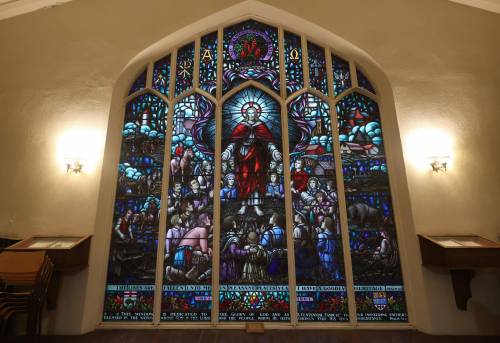
Churches face challenges but hope remains, meeting hears
5 minute read Preview Saturday, Jul. 4, 2026Health
Hepatitis A vaccine eligibility expands ahead of Indigenous games
2 minute read Friday, Jul. 3, 2026The province has increased its eligibility for free hepatitis A vaccines ahead of the Manitoba Indigenous Summer Games.
People aged six months or older in Norway House Cree Nation and Sagkeeng Anicinabe Nation, anyone travelling to or working in these communities during the games, and people who have visitors from those communities are eligible for free hepatitis A vaccines.
The games take place July 8 to 12 in Norway House Cree Nation and Aug. 10 to 15 in Sagkeeng.
The current hepatitis A outbreak in Manitoba, first declared in April 2025, has affected communities in northern Manitoba, including an increasing number of cases in Winnipeg.

Faith
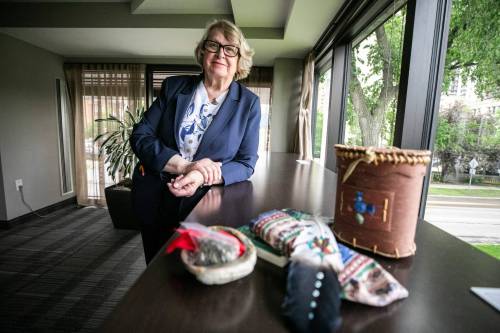
Archdiocese of Winnipeg funding multiple projects in reconciliation efforts with Indigenous Peoples
4 minute read Preview Thursday, Jul. 2, 2026Faith
Israel moves to formally recognize Armenian WWI deaths as a genocide
4 minute read Sunday, Jun. 28, 2026TEL AVIV, Israel (AP) — Israel’s Cabinet unanimously approved a proposal on Sunday to designate violence against Armenians by the Ottoman Empire during World War I as a genocide.
The step, which still needs approval in Parliament, reflects deteriorating ties between Israel and Turkey. Turkey has fiercely lobbied to prevent countries from officially recognizing the mass deaths of Armenians around 1915 as a genocide, even as Armenians have pushed for it.
Historians estimate that up to 1.5 million Armenians were killed by Ottoman Turks around the time of World War I, an event widely viewed by scholars as the first genocide of the 20th century. Turkey denies that the deaths constituted genocide, saying the toll has been inflated and that those killed were victims of civil war and unrest.
For years, Israel never officially broached the subject for fear of angering Turkey, but that relationship has soured over the past two decades, especially as the most recent wars in Gaza, Lebanon and Iran have dragged on.

LOAD MORE LIFE & STYLE ARTICLES