Chiefs concerned about mental health effects of COVID-19

Advertisement

Advertise with us

OTTAWA - A few months before the novel coronavirus arrived in Canada, the Makwa Sahgaiehcan First Nation at Loon Lake, Sask. was already raising the alarm over suicides in the community, about 360 kilometres northwest of Saskatoon.

Read this article for free:


By clicking the button above, an account will be created and you will begin to receive some of our recommended newsletters. You may opt out of any newsletter by visiting your Email and Communication Preferences page or by clicking "unsubscribe" at the bottom of any email.

or

Already have an account? Log in here »

To continue reading, please subscribe:

Digital Subscription

One year of digital access for only $1.44 a week*

  • Enjoy unlimited reading on winnipegfreepress.com
  • Read the E-Edition, our digital replica newspaper
  • Access News Break, our award-winning app
  • Play interactive puzzles

*Billed as $5.77 plus GST every four weeks. After 52 weeks, price increases to the regular rate of $19.95 plus GST every four weeks. Offer available to new and qualified returning subscribers only. Cancel any time.

To continue reading, please subscribe:

Add Free Press access to your Brandon Sun subscription for only an additional

$1 for the first 4 weeks*

  • Enjoy unlimited reading on winnipegfreepress.com
  • Read the E-Edition, our digital replica newspaper
  • Access News Break, our award-winning app
  • Play interactive puzzles
Start now

*Your next Brandon Sun subscription payment will increase by $1.00 and you will be charged $17.95 plus GST for four weeks. After four weeks, your payment will increase to $24.95 plus GST every four weeks.

Hey there, time traveller!
This article was published 03/05/2020 (2371 days ago), so information in it may no longer be current.

OTTAWA – A few months before the novel coronavirus arrived in Canada, the Makwa Sahgaiehcan First Nation at Loon Lake, Sask. was already raising the alarm over suicides in the community, about 360 kilometres northwest of Saskatoon.

The First Nation declared a state of crisis in mid-November 2019 after three deaths by suicide occurred over three weeks, including a 10-year-old girl. In the weeks that followed, band leaders say eight people, mainly youths, also tried to take their lives.

Chief Ronald Mitsuing says a deep sense of grief remains within the community of just over 1,000 people, especially after a 31-year-old man in the community died by suicide two weeks ago.
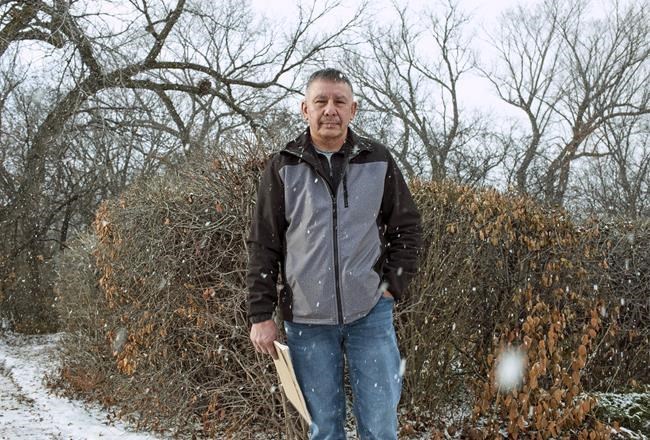
Chief Ron Mitsuing of the Makwa Sahgaiehcan First Nation poses for a photo at the Legislative Building in Regina on Wednesday, Nov. 27, 2019. A few months before the novel coronavirus arrived in Canada, the Makwa Sahgaiehcan First Nation at Loon Lake, Sask. was already raising the alarm over suicides in the community, about 360 kilometres northwest of Saskatoon. THE CANADIAN PRESS/Mark Taylor

Now, Mitsuing says he fears the stress and worry about a possible outbreak of COVID-19 could trigger further mental health suffering among some of his residents.

“Losing the youth really took a big toll out of our community. And I know it’s ongoing — people thinking about it all the time, can’t get past it,” he said.

“We’re not in that comfortable stage yet where we know it’s going to be all right.”

He is not alone. As the number of COVID-19 cases begins to climb in Indigenous communities across Canada, First Nations and Inuit chiefs say they are deeply concerned about how the pandemic is affecting the mental health of their residents.

The Makwa Sahgaiehcan First Nation did receive help from the province and federal government to deal with the immediate aftermath of the suicide crisis, but Mitsuing says they need more permanent resources. He wants funding to train locals as trauma counsellors, rather than relying on outside help or having to send youth away for treatment.

This is especially needed during the pandemic, as the First Nation remains locked down to outsiders, Mitsuing said.

Chief Eugene Hart of the Sheshatshiu Innu First Nation in central Labrador shares the same concerns for his community, which also declared a crisis in the months before the pandemic following 10 suicide attempts in less than a week in October 2019.

The community of roughly 1,300 people had also been struggling with more than a dozen other deaths from natural causes before that — a toll that was hardest felt by young people with few supports in place to help them address their grief, Hart said.

“I’m worried about everything in general now, because we don’t know what people are thinking, where we have the lockdown in the community as well. We don’t know what kind of stress people are going through daily because we can’t interact with them.”

He echoed Mitsuing’s concerns about not having adequate supports that are permanent. He would like to see full-time crisis counsellors and staff and mental health crisis lines staffed by people in the community. However, he says his First Nation has not received the support from Ottawa or from the province necessary to make this happen.

“Everything is totally different now, and it’s going to be like this awhile and a lot of people are still scared,” he said.

Indigenous Services Minister Marc Miller says he knows COVID-19 is affecting the mental health of Indigenous communities, particularly among those who are at a high risk from the illness — or have families who are.

He says the federal government is increasing the number of crisis intervention counsellors on shift at the Hope for Wellness helpline, which provides telephone and online support for First Nations, Inuit and Metis in English, French, Cree, Ojibway and Inuktitut.

More than 100 calls and chats every week are linked to COVID-19, according to assistant deputy minister Valerie Gideon, which represents an increase to previous volumes.
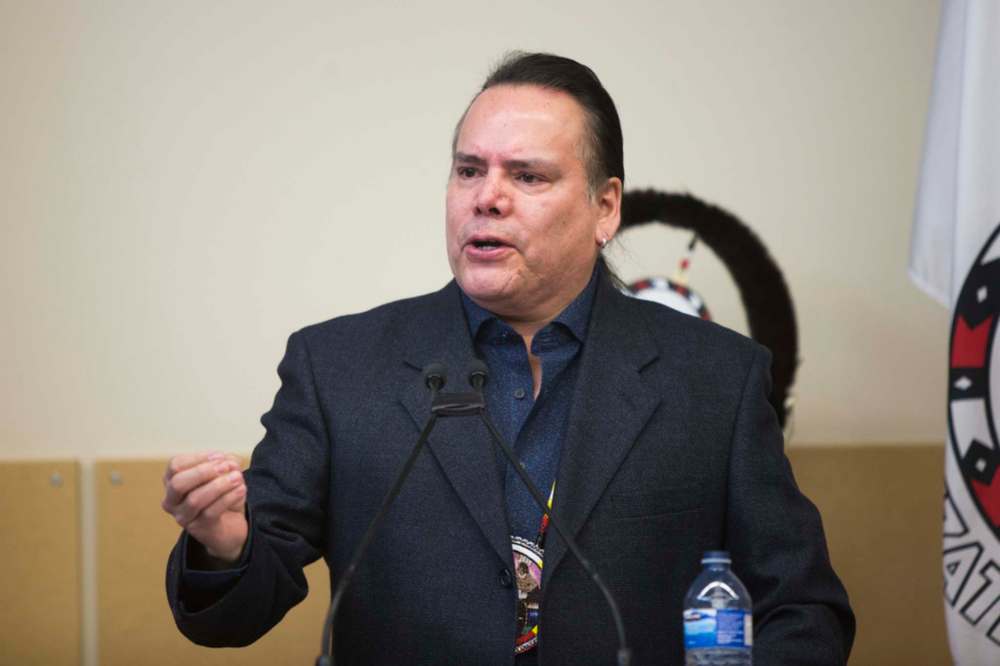
MIKAELA MACKENZIE / WINNIPEG FREE PRESS FILES
Manitoba Keewatinowi Okimakanak Grand Chief Garrison Settee: “It is discouraging to see so little funding being set aside for First Nations people living off-reserve.
MIKAELA MACKENZIE / WINNIPEG FREE PRESS FILES Manitoba Keewatinowi Okimakanak Grand Chief Garrison Settee: “It is discouraging to see so little funding being set aside for First Nations people living off-reserve."

“The apprehension and fear that exists within the communities is real and has an impact on mental health. As part of Indigenous Services Canada a large amount of the support we provide turns in and around supports around mental health,” Miller said, adding the department is ready to do more as it assesses the impact of the pandemic.

Grand Chief Garrison Settee of Manitoba Keewatinowi Okimakanak, which represents northern First Nations in the province, says concern about inadequate personal protective equipment and sanitation supplies in remote, fly-in communities is further adding to the strain.

“It’s in our psyche, it’s in our conscience. Every waking moment, I’m thinking about what’s going to happen from day to day. Do we have enough resources to be able to address (COVID-19) if it does hit?” Settee said.

Elia Nicholson-Nave, executive director of the Kuu-Us Crisis Line Society, which runs an Indigenous-specific crisis line in British Columbia, says March brought a noticeable spike in calls, which has continued, due to pandemic-related issues.

“Many people are fearful of what is yet to come and often the unknown causes additional anxiety, depression and mental health distress,” she said, adding they have received no extra funding.

Back in Makwa Sahgaiehcan First Nation, Chief Mitsuing says COVID-19 restrictions have put on hold any opportunity for healing as community members and elders remain shut in their houses.

When COVID-19 is over, the chief says he wants to organize sharing circles to help people deal with their anxiety and ongoing grief.

He also wants to teach the youth about their cultural identity as a way to help them heal. He said that is what one of the youths wrote in a letter before dying by suicide.

“That’s what they were asking for. They didn’t know who they were … that they didn’t have an identity, so we’re going to try to teach them their culture, the way we were brought up.”

This report by The Canadian Press was first published May 3, 2020.

Report Error Submit a Tip

More Stories

Brian Bowman wins mayoral battle

Aldo Santin and Mary Agnes Welch 6 minute read Preview

Brian Bowman wins mayoral battle

Aldo Santin and Mary Agnes Welch 6 minute read Thursday, Oct. 23, 2014

In the end, it wasn’t even close.

A mayoral race that was supposed to be a head-to-head battle between privacy lawyer Brian Bowman and former NDP MP and MLA Judy Wasylycia-Leis turned into a rout on election night. Wasylycia-Leis, the experienced politician, had held what looked like an unassailable lead for months, but Bowman, the outsider who promised Winnipeggers a better, prosperous future, chipped doggedly away at it.

“I’m excited to tell you that positive change is coming to city hall,” Bowman told roaring supporters at the Inn At The Forks after making his way into the small ballroom accompanied by his wife and two young sons.

He said he hadn’t expecting such a landslide victory, but had believed that the campaign was building momentum.

Read
Thursday, Oct. 23, 2014

Wife’s witchy wonderment won’t spell trouble

Maureen Scurfield 6 minute read 2:00 AM CDT

DEAR MISS LONELYHEARTS: My wife believes in magic potions, which used to make me laugh. But since Halloween season started this year, she’s been acting in a way that frightens me. She seems to think she’s a modern-day “witch.” Give me a break!

Now she has three friends who think they are really casting spells when they get together! And this year on Halloween night she’s being formally accepted into their little witchy group meeting at one of their homes, and is getting a new sorceress name. It’s creepy! How do I cope? I’ve had enough of this.

— Seriously Upset, South St. Vital

Dear Upset: Don’t buy into the hocus pocus by being afraid of it and expressing any trepidation to your wife. She needs you to be strong, so she knows she has a solid anchor and can drop out of this witchy group if it becomes too scary or silly for her.

Kinew will listen to city request for new taxes — but no promises

Nicole Buffie 5 minute read Preview

Kinew will listen to city request for new taxes — but no promises

Nicole Buffie 5 minute read Friday, Nov. 1, 2024

Premier Wab Kinew remained coy about whether he would support a new municipal tax in Winnipeg as the city struggles to maintain services.

Kinew dodged questions on the matter Friday afternoon.

“We want to see services strong, we want to see roads getting fixed,” Kinew said. “Affordability is really top of mind … we got to keep life affordable for the average person out there.”

Some of the items being considered for a new tax are: alcohol, online deliveries, vehicle registration, vacant homes, commercial parking and land transfers with an exemption for first-time homebuyers.

Read
Friday, Nov. 1, 2024

A fond farewell to the Hercules

Editorial 4 minute read Preview

A fond farewell to the Hercules

Editorial 4 minute read 2:00 AM CDT

Fans at the NHL’s outdoor Heritage Classic game last weekend were no doubt thrilled by the sight and sound of two CF-18 Hornet fighter jets conducting a flyover at Princess Auto Stadium shortly before the puck was dropped for the much-anticipated Winnipeg Jets/Montreal Canadiens matchup.

Flyovers such as these always create a spectacular scene, as the speed and power of the jets are on full display for the brief moments they’re in view above the stadium bowl. But fans who maintained their skyward gaze for a few seconds after the Hornets’ blink-and-you’ll-miss-it appearance were treated to a much more poignant aeronautical exhibition, as a CC-130H Hercules aircraft passed over the stadium in the fighter jets’ wake.

Compared to the supersonic CF-18s, the massive, propeller-driven transport plane probably seemed to be doing more of a “crawl-over”; what most folks at the outdoor game probably didn’t realize, however, was that this was almost certainly the last time they’ll see one of these ubiquitous Canadian Forces aircraft in the sky.

The CC-130H is being retired after more than half a century as the RCAF’s combat, rescue and transport workhorse. The “Herc” will be replaced by more modern aircraft, including the smaller and more nimble CC-295 Kingfisher, which will be used for search-and-rescue missions out of 17 Wing Winnipeg, beginning next month.

Read
2:00 AM CDT

Health officials ponder next steps as COVID cases surge in Southern Health region

Katie May 5 minute read Preview

Health officials ponder next steps as COVID cases surge in Southern Health region

Katie May 5 minute read Wednesday, Nov. 3, 2021

Public-health officials say they're trying to avoid ordering another lockdown in southern Manitoba, where COVID-19 infection rates are surging.

Deputy chief provincial public health officer Dr. Jazz Atwal told a news conference Wednesday he doesn't anticipate more lockdowns and suggested he will prioritize keeping schools open when considering future restrictions.

But he couldn't say what the next step will be in an area of the province where hospitalizations among unvaccinated residents are on the rise.

Average daily case counts in the southern part of the province are higher now than they were before lockdown measures went into effect last November, and officials are still figuring out what to do.

Read
Wednesday, Nov. 3, 2021

Waiting for Cormier verdict the ‘calm before the storm’

Katie May 6 minute read Preview

Waiting for Cormier verdict the ‘calm before the storm’

Katie May 6 minute read Thursday, Feb. 22, 2018

As the jury room door closed behind the seven women and four men who are now deliberating on the evidence against Tina Fontaine’s accused killer, Thelma Favel rose from the chair she’s occupied for most of Raymond Cormier’s second-degree murder trial.

Almost every day over the past three weeks, Favel, the woman who raised 15-year-old Tina, has sat right up front, directly across from the jury box, listening, sobbing and soaking in disturbing details of the teen’s last days that have come to light over the course of Cormier’s second-degree murder trial.

On Wednesday afternoon, after Court of Queen’s Bench Chief Justice Glenn Joyal instructed the jury and sent them off to be sequestered until they decide whether 56-year-old Raymond Cormier is guilty of killing Tina, Favel got up and hugged Crown prosecutor Breta Passler. It was one of many moments, this one shielded from jurors, that have long since proven the emotional impact of the case and the lasting power of Tina’s legacy.

Tina’s death sparked a public outcry that renewed calls for a national inquiry into disproportionately high rates of missing and murdered Indigenous women and girls across Canada, and the criminal trial for the man accused of killing her hasn’t happened in a vacuum.

Read
Thursday, Feb. 22, 2018