Medal-worthy drinks to enjoy during Olympics

Advertisement
Read this article for free:
or
Already have an account? Log in here »
To continue reading, please subscribe:
Digital Subscription
One year of digital access for only $1.44 a week*
- Enjoy unlimited reading on winnipegfreepress.com
- Read the E-Edition, our digital replica newspaper
- Access News Break, our award-winning app
- Play interactive puzzles
*Billed as $5.77 plus GST every four weeks. After 52 weeks, price increases to the regular rate of $19.95 plus GST every four weeks. Offer available to new and qualified returning subscribers only. Cancel any time.
To continue reading, please subscribe:
Add Free Press access to your Brandon Sun subscription for only an additional
$1 for the first 4 weeks*
- Enjoy unlimited reading on winnipegfreepress.com
- Read the E-Edition, our digital replica newspaper
- Access News Break, our award-winning app
- Play interactive puzzles
*Your next Brandon Sun subscription payment will increase by $1.00 and you will be charged $17.95 plus GST for four weeks. After four weeks, your payment will increase to $24.95 plus GST every four weeks.
Read unlimited articles for free today:
or
Already have an account? Log in here »
Hey there, time traveller!
This article was published 07/02/2026 (253 days ago), so information in it may no longer be current.
Every fourth winter, the water-cooler chatter at offices everywhere suddenly turns to lesser-unknown athletes in relatively obscure sports:
“Did you catch that Belarusian biathlete who just missed the podium in the men’s 20-kilometre individual?”
“I can’t believe what happened to that Spanish skeleton-er!” (Skeleton drivers? What are they called?)
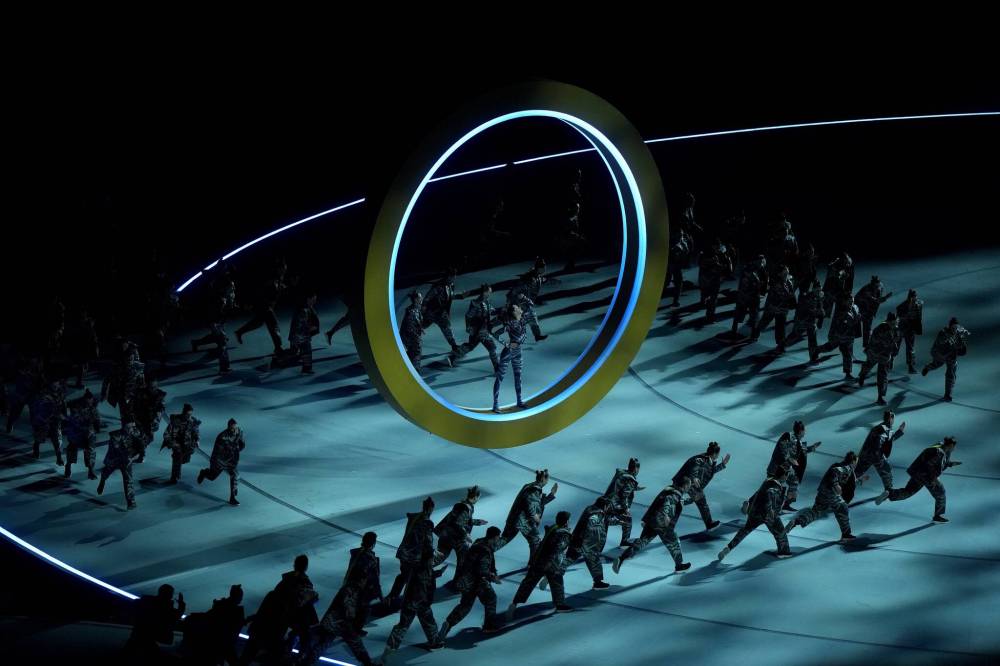
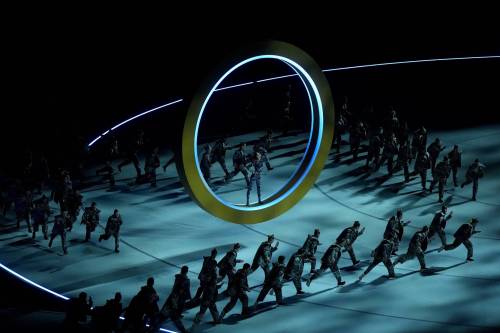
Darryl Dyck / the Canadian Press
Volunteers perform during the opening ceremony at the Milano Cortina Winter Olympics Friday in Milan.
“The Icelandic pairs figure-skating short program was so compelling — it was heartbreaking when they botched that double lutz…”
“Are you picking up a Heated Rivalry vibe from the Dutch two-man bobsled team?”
The Winter Olympics brings fairweather sports fans of all stripes together for a fortnight to fawn over the world’s best cold-weather athletes as they go for podium glory.
Here are a half-dozen podium-worthy drinks from Winter Olympics nations that stick the landing — enjoy while tuning in to the goings on in Milano Cortina…
The Oxus Brewing Co. Selling England by the Pint Dark Mild Ale (Winnipeg — $3.99/473ml cans, brewery, Liquor Marts, beer vendors) ticks two boxes in one can — it’s a Canadian-made brew with a hat tip to our British buds (perhaps ideal for curling fans). This English-style mild ale (it’s 3.7 per cent alcohol) is iced-tea brown in appearance and brings deep malt, Tootsie Roll, caramel and light spice notes aromatically. It may be low in alcohol but it’s not light on flavour, with robust dark malt and caramel flavours along with secondary dried fruit and Tootsie Roll notes, low hops and a modest finish. A solid silver medal for this Brit-inspired Canuck brew; pour into a pint glass and enjoy over the roar of the rings — or while watching our hockey teams crush the competition.
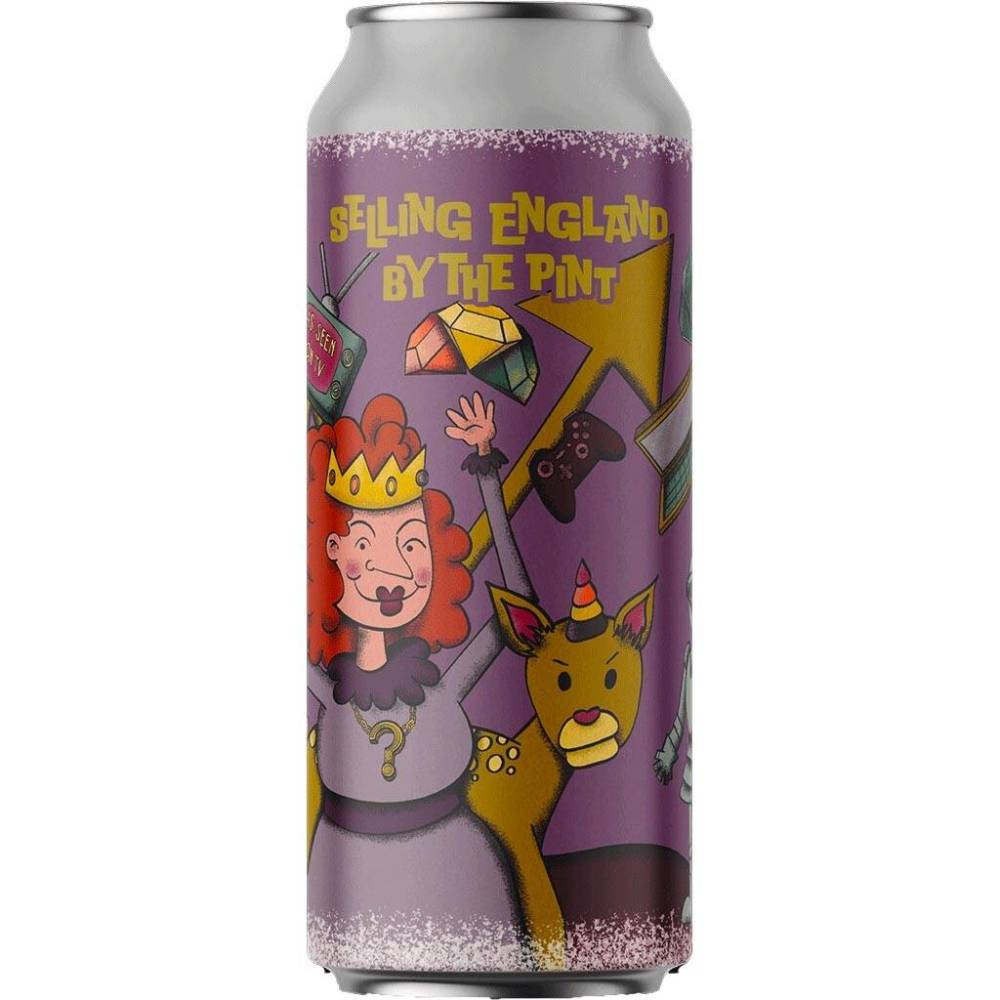
Oxus Selling England by the Pint
The Netherlands has won 147 medals at the Winter Olympics, 133 of them coming from speedskating. Fans of Dutch athletes quickly skating around in circles would do well to try the Monastère Abbey Beer Double Ale (Netherlands — $4.25/500ml can, Liquor Marts and beer vendors). Deep cola brown with an off-white head, this Dutch double ale brings lovely biscuit, cracked oat, dried fruit and roasted malt notes aromatically. It’s medium-plus bodied and off-dry, with cola and dried fruit flavours coming with rich malt, baking spice and biscuit components, a mouth-coating texture that arrives with the soft effervescence and, at 6.4 per cent alcohol, a slightly punchy finish. Best from a tulip-shaped glass, even just any old wine glass you have on hand. A solid bronze.

Belgium has won just eight medals at Winter Olympics — and only two golds — but the Chimay Père Trappistes Blue Label (Belgium — $6.49/330ml bottle, Liquor Marts and beer vendors) is top-of-the-podium stuff. This stalwart Belgian brew is root-beer brown in appearance, with bright spice and malt notes coming with flaky oat, raisin and dried apricot notes. It’s full-bodied, just off-dry and laden with baking spice, dried fruit, rich malt, flaked oat and subtle chalky flavours, with a deceptive nine per cent alcohol that brings plenty of length but very little burn on the long, satisfying finish. Excellent stuff — a deep, hearty gold medal-worthy brew to enjoy in a tulip-shaped glass.
On the wine front, you can toast your favourite athlete from any country with this bubbly from the host country, the Carpene-Malvoti NV 1868 Conegliano Valdobbiadene Brut (Prosecco Superiore, Italy — $27.99, De Nardi Wines). This family-owned winery was among the first to use the term “Prosecco” on the label of its bubbly. It’s pale straw in colour and offers fresh-cut floral, pear, peach candy and bruised apple notes on the nose. A light-bodied and slightly off-dry bubbly, the fine effervescence ushers in peach, golden apple, pear and melon flavours. Like most proseccos, it brings medium acidity and 11 per cent alcohol; unlike most proseccos it also features chalky and herbal flavours that add complexity and depth. Lots more going on here than your typical prosecco — good enough for silver.
Germany has won hundreds of Winter Olympics medals, and it’s in luge and bobsleigh where the country really excels. The Deinhard NV Green Label Riesling (Mosel Valley, Germany — $19.99, The Winehouse) is pale gold in appearance, with a fresh basket of red apple, peach, ripe lemon and apricot bursting from the glass aromatically, along with secondary spice and a waxy/beach ball component (totally normal for Riesling, and a good thing). It’s light-bodied, off-dry, approachable and fun, delivering sweet apple flavours along with peach, lemon candy, and subtle herbal notes, medium acidity and, at 10 per cent alcohol, a modest finish. Not a top-of-the-podium type wine, but a well-made crowd pleaser to slide into your glass. A brilliant bronze for this great bang for the buck.
The French excel at downhill skiing and biathlon at the Winter Olympics, but a glass of the Les Petites Jamelles 2024 red (Terres du Midi, France — $14.99, Liquor Marts and beyond) is more likely to bring to mind a Parisien bistro patio in spring than an alpine lodge. A blend of Grenache and Caladoc grapes from the Terres du Midi region in the Languedoc region of southern France, this red is bright purple in appearance and brings bright violet, plum, blackbery and wild raspberry aromas. It’s medium-bodied, with loads of ripe black and red berry flavours coming with medium acidity, very light tannins and a modest finish (it’s 13 per cent alcohol). It’s a fun and fresh wine that’s exactly what you want in a red at this price — value-wise, it’s easily a gold medal-worthy wine. Chill for 15 to 20 minutes and enjoy while nibbling on baguette and cheeses.
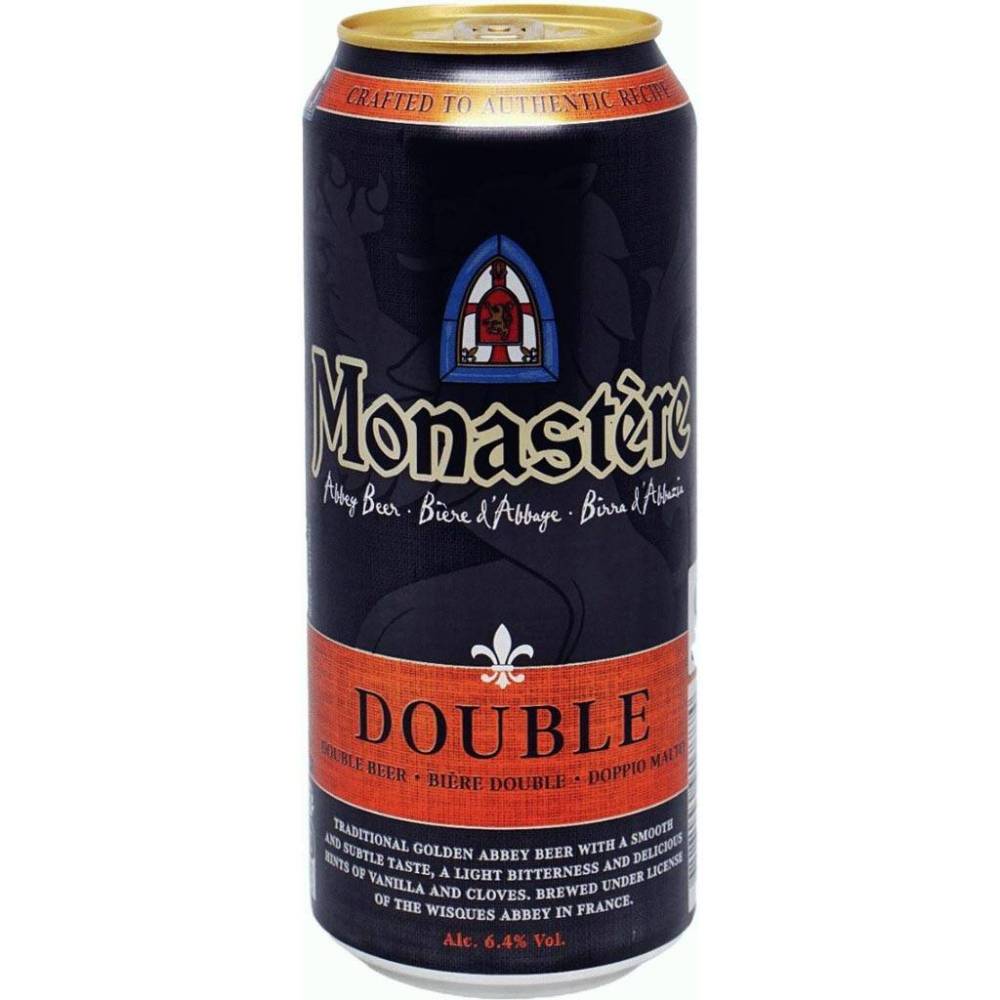
Monastère Double Ale
winnipegfreepress.com/bensigurdson
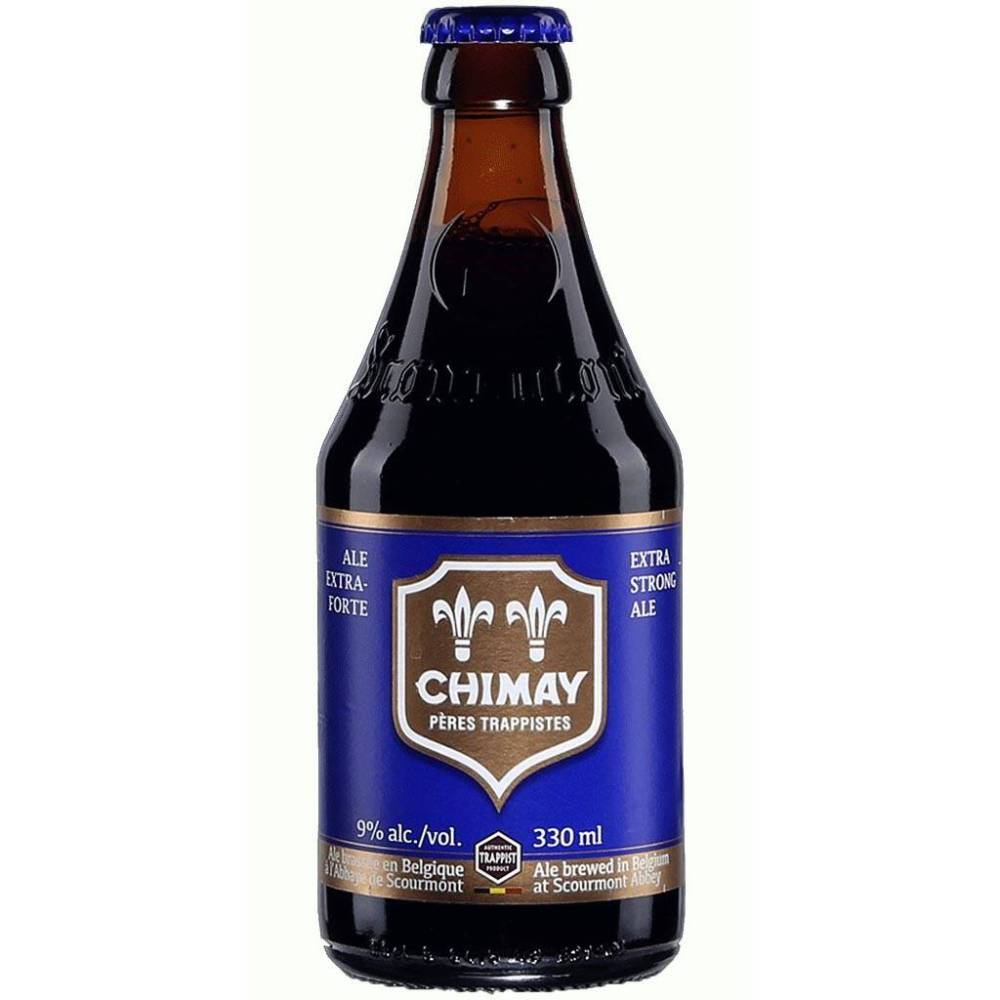
Chimay Blue Label
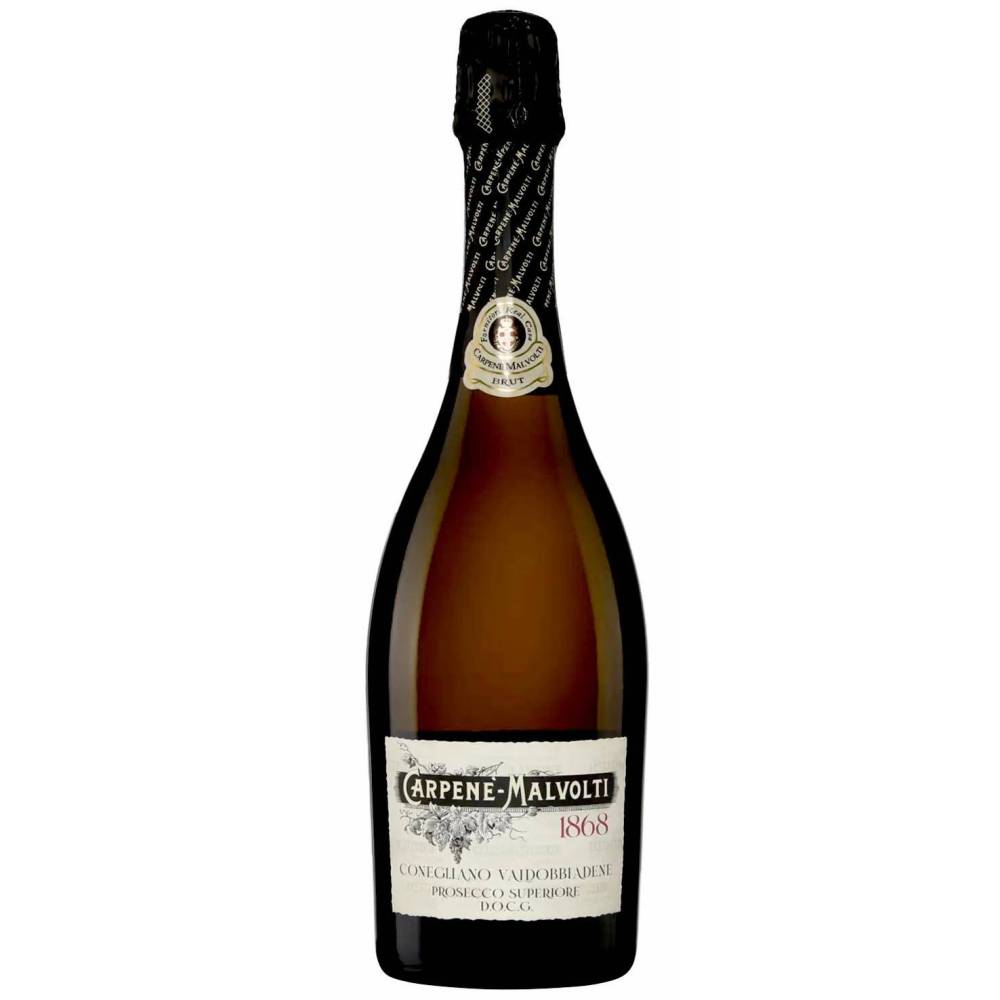
Carpene-Malvoti 1868 Prosecco Superiore
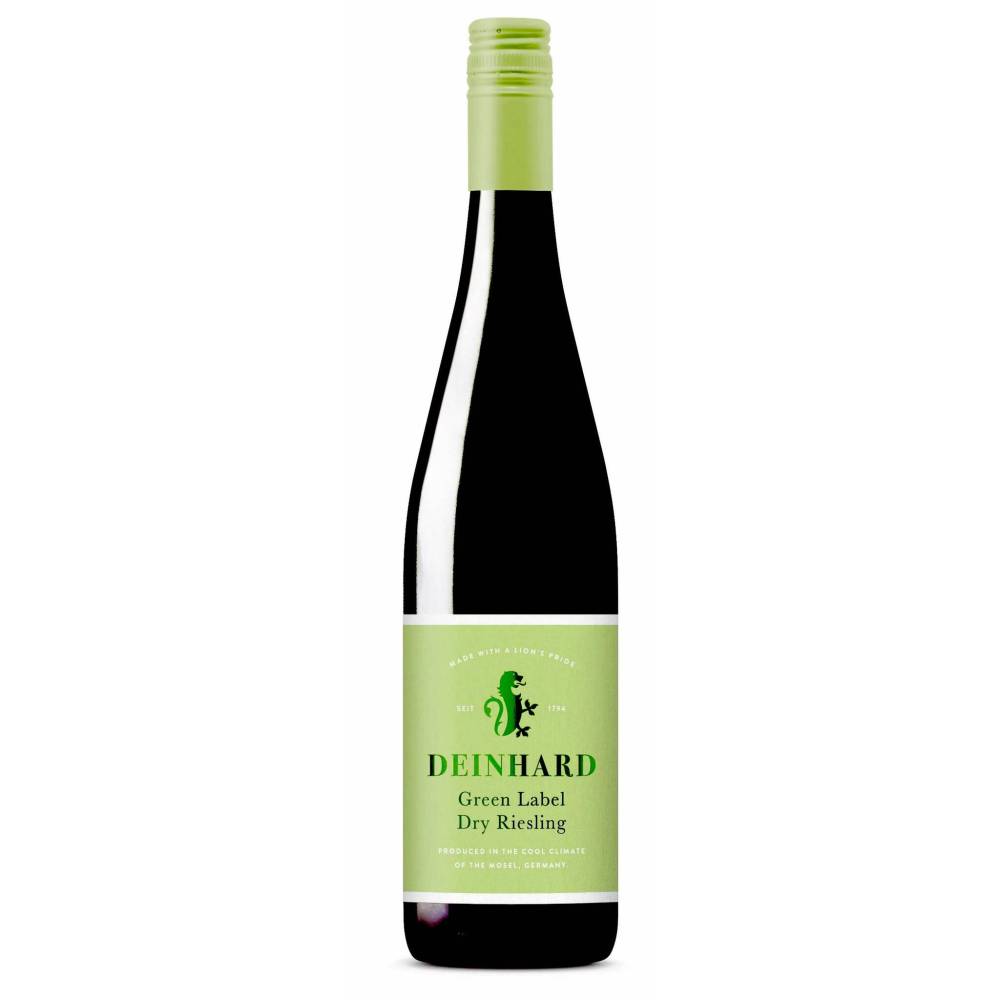
Deinhard Green Label Riesling
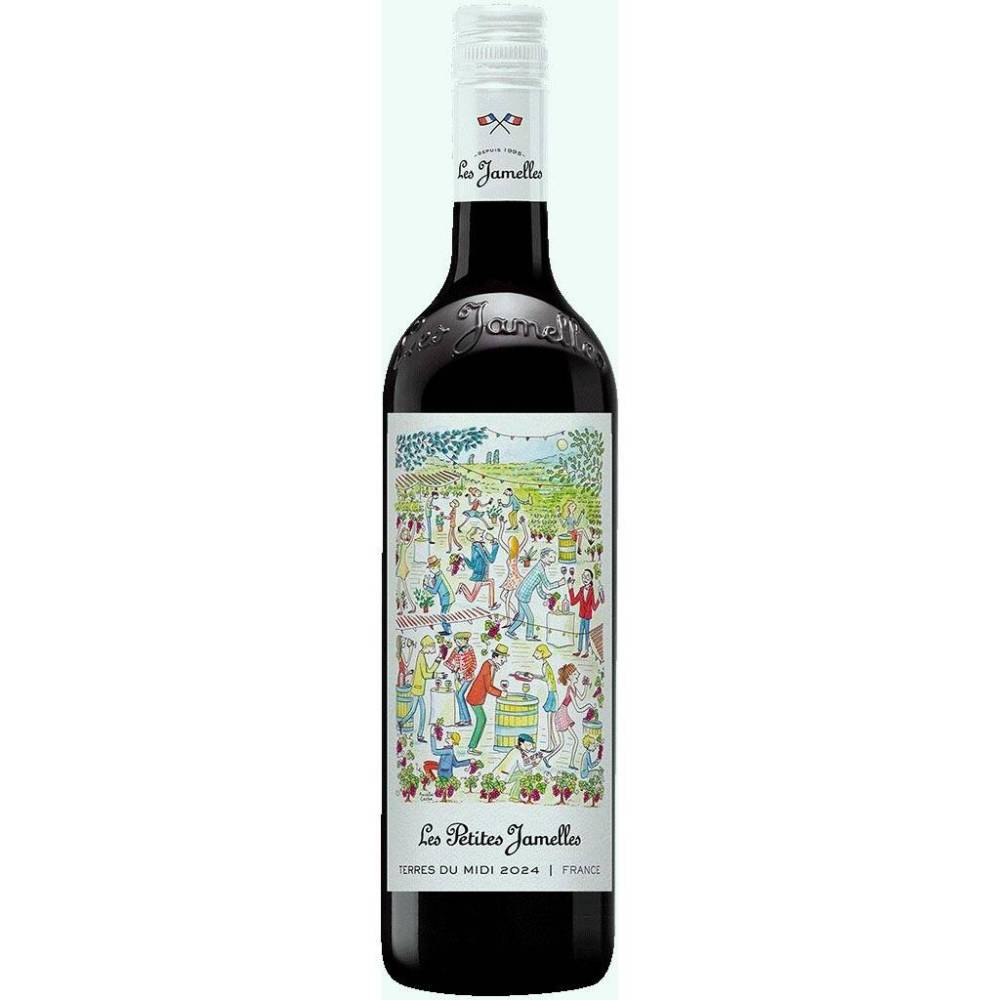
Les Petites Jamelles red
Our newsroom depends on a growing audience of readers to power our journalism. If you are not a paid reader, please consider becoming a subscriber.
Our newsroom depends on its audience of readers to power our journalism. Thank you for your support.
Wines of the week
Our newsroom depends on a growing audience of readers to power our journalism. If you are not a paid reader, please consider becoming a subscriber.
Our newsroom depends on its audience of readers to power our journalism. Thank you for your support.
Related Articles
Nelson following in family’s decorated Team USA footsteps


Advertisement Advertise With Us
Advertisement Advertise With Us