

Youth centre library cancellation baffles
Advertisement
Read this article for free:
or
Already have an account? Log in here »
To continue reading, please subscribe:

Digital Subscription
One year of digital access for only $205*
- Enjoy unlimited reading on winnipegfreepress.com
- Read the E-Edition, our digital replica newspaper
- Access News Break, our award-winning app
- Play interactive puzzles
*First annual payment billed as $205.00 + GST for one year. This annual subscription will automatically renew at $233.00 + GST every 52 weeks (10% off the regular annual price of $259.35). Offer available to new and qualified returning subscribers only. Cancel any time.
To continue reading, please subscribe:
Add Free Press access to your Brandon Sun subscription for only an additional
$1 for the first 4 weeks*
- Enjoy unlimited reading on winnipegfreepress.com
- Read the E-Edition, our digital replica newspaper
- Access News Break, our award-winning app
- Play interactive puzzles
*Your next Brandon Sun subscription payment will increase by $1.00 and you will be charged $17.95 plus GST for four weeks. After four weeks, your payment will increase to $24.95 plus GST every four weeks.
Read unlimited articles for free today:
or
Already have an account? Log in here »
It’s difficult to understand why Manitoba Corrections would shut down a library program that cost taxpayers nothing, was popular with young inmates and was designed to help them learn.
But that is what happened at the Manitoba Youth Centre, where a volunteer-run pop-up library has been cancelled by the province.
The Prison Libraries Committee, part of the Manitoba Library Association, provided the program at no cost to Corrections. Once a month, volunteer librarians brought books into the youth centre, helped young people find reading material, assisted with school research and provided something that can be in short supply in a correctional institution — positive interaction with people from outside its walls.
Ruth Bonneville / Free Press
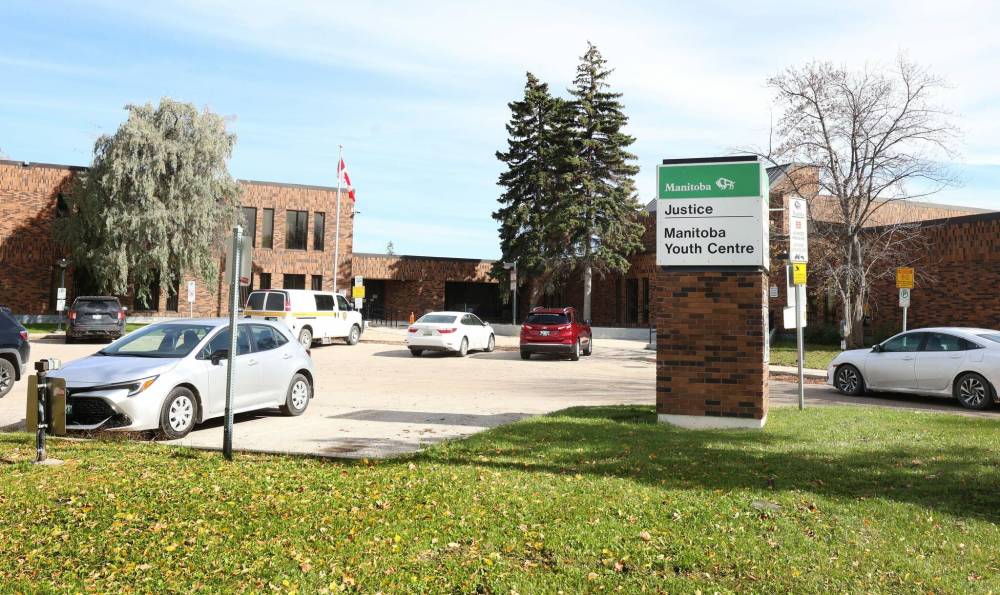
The volunteer Prison Libraries Committee was informed last month its monthly pop-up library at Manitoba Youth Centre is no longer required.
The program became so popular that the youth centre asked for it to be offered more frequently.
Instead, Manitoba Corrections decided it was no longer needed. The decision makes little sense.
Correctional institutions are not supposed to be warehouses in which people are locked away and forgotten. The word “corrections” exists for a reason. The objective should be to help people change their behaviour, acquire skills, address the problems that contributed to their incarceration and eventually return to the community better equipped to succeed.
For young people, that mission is even more important.
A book is a relatively small thing. But literacy is not. Education is not. Having access to someone who can help with a school assignment, find information or simply recommend something worth reading is not insignificant.
And for some young people in custody, it may be an opportunity they did not have consistently before they arrived.
The province says youth at the Manitoba Youth Centre have access to “more robust and fleshed out supports than ever before,” including reading materials and learning resources in classrooms and common areas.
Perhaps. But that does not explain why a volunteer library service was cancelled.
If there is a legitimate security, operational or logistical reason for ending the program, Corrections should say what it is. Instead, Manitobans have been given assurances that supports are better than ever without an explanation for why a program that complemented those supports had to disappear.
That’s especially difficult to reconcile with the province’s own stated objectives.
Manitoba’s 2024 public safety strategy called for improving literacy in corrections through expanded library and education programs to help with reintegration. Manitoba’s auditor general subsequently found that programming, education and work opportunities for inmates were limited and called for improved, targeted programming to assist reintegration.
Cancelling a program that directly supported those goals seems to be moving in the wrong direction.
Michael Weinrath, professor emeritus of criminal justice at the University of Winnipeg, has questioned the decision, noting the importance of outside agencies in providing services to incarcerated people. Manitoba’s advocate for children and youth, Sherry Gott, has also called for the program to be restored.
There is no shortage of challenges facing Manitoba’s correctional system. Providing books and volunteer librarian assistance to young people should not be one of them.

If a young offender learns to read better, completes a school assignment, discovers an interest in something new or develops a relationship with an adult who encourages learning, those are small steps in a much larger process of rehabilitation.
The province should want more of those opportunities, not fewer.
Manitoba Corrections should reverse this decision, restore the pop-up library and work with the Manitoba Library Association to expand the program rather than eliminate it.
If the government has a compelling reason for shutting it down, it owes Manitobans an explanation.
Until then, cancelling a free program that encouraged literacy, education and rehabilitation at a youth correctional centre is an unnecessary step backward.