

Making water safety a priority
Advertisement
Read this article for free:
or
Already have an account? Log in here »
To continue reading, please subscribe:

Digital Subscription
One year of digital access for only $205*
- Enjoy unlimited reading on winnipegfreepress.com
- Read the E-Edition, our digital replica newspaper
- Access News Break, our award-winning app
- Play interactive puzzles
*First annual payment billed as $205.00 + GST for one year. This annual subscription will automatically renew at $233.00 + GST every 52 weeks (10% off the regular annual price of $259.35). Offer available to new and qualified returning subscribers only. Cancel any time.
To continue reading, please subscribe:
Add Free Press access to your Brandon Sun subscription for only an additional
$1 for the first 4 weeks*
- Enjoy unlimited reading on winnipegfreepress.com
- Read the E-Edition, our digital replica newspaper
- Access News Break, our award-winning app
- Play interactive puzzles
*Your next Brandon Sun subscription payment will increase by $1.00 and you will be charged $17.95 plus GST for four weeks. After four weeks, your payment will increase to $24.95 plus GST every four weeks.
Read unlimited articles for free today:
or
Already have an account? Log in here »
The headlines persist.
Every summer, across Canada, people learn of drownings and deaths that could have been prevented if the people involved had taken water-safety precautions — learning to swim, supervising children, observing boating safety rules, wearing personal flotation devices (PFDs) or being cautious in and around fast-moving waters.
Also every summer, the Royal Lifesaving Society of Canada — which runs the Swim for Life program of swimming lessons across the country — designates the third week of July as National Drowning Prevention Week, as July is when Canadian water-incident rates peak.
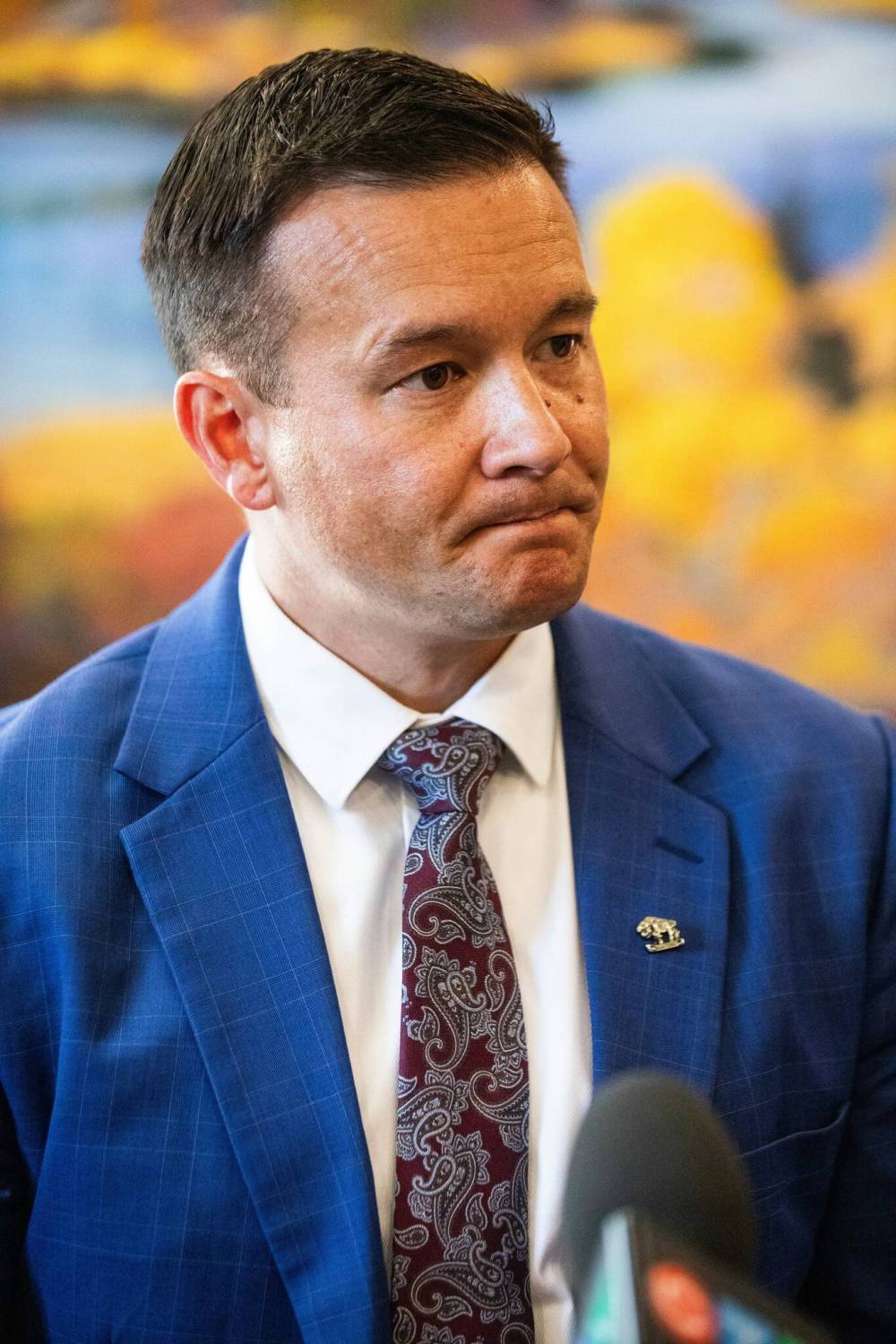
MIKAELA MACKENZIE / FREE PRESS files
Environment Minister Mike Moyes
The aim of Drowning Prevention Week is to promote water safety of all kinds — and the need is real. According to the Lifesaving Society, over 450 Canadians die annually in preventable water-related incidents. In Manitoba, there are 22 fatal drownings, on average, every year.
The critical need for water-safety education was underscored on the first weekend of Drowning Prevention Week. On July 19, two young brothers, aged 10 and 13, disappeared into the water near Sturgeon Falls in Whiteshell Provincial Park. Their bodies weren’t recovered until later that week.
Later that same day, an 18-year-old Winnipeg man drowned while attempting to swim across a gravel pit in Grunthal, in the Rural Municipality of Hanover. Despite ‘No trespassing’ signs and physical barriers, locals said the deceptively deep pit has been a popular swimming spot for years. His body was recovered the following day, by the RCMP Underwater Recovery Team.
These deaths were sad, tragic and heartbreaking for Manitoba families.
They were also avoidable. So what can be done?
In Whiteshell Provincial Park, the province of Manitoba has acted quickly to restrict access to Sturgeon Falls, where two other people had previously died — a 38-year-old woman in 2025 and a 12-year-old boy in 2023. Access to the trail leading to the falls from Nutimik Lake campground, 1.9 km away, has been temporarily blocked and a fence, with designated viewing areas, will be constructed to keep people away from the falls’ slippery rocks, strong current and steep drop-off.
Environment Minister Mike Moyes has also ordered his department to assess high-risk trails and areas throughout the provincial parks system. The initiative is reactive, of course, but if a province-wide safety assessment results in proactive measures that prevent further tragedies and family suffering, it will be worthwhile.
At the same time, even if more barriers and warning signs are erected throughout Manitoba, it will be impossible for authorities to patrol or observe every dangerous area or situation. Teaching people water safety — and making penalties and fines for violating regulations on Manitoba lakes and rivers severe enough that they are an effective deterrent to adults — is the next best thing the government can do.

It’s long been said that if you’re raising children here, they must know how to swim. They must also know how to be water-safe — to never swim alone, to swim only in designated areas, to avoid unfamiliar waters, and to stay well clear of swift-running rivers, rapids and waterfalls.
Offering swimming lessons to vulnerable populations would be a good start. In 2017 and 2018, after drowning incidents involving newcomers to Canada at Birds Hill Park, Grand Beach and Lake of the Woods, several organizations launched programs for newcomer and underprivileged children, but most were interrupted by the COVID-19 pandemic or found the costs unsustainable.
Currently, the City of Winnipeg offers recreation-fee assistance to offset the cost of swimming lessons, and the St. James-Assiniboia School Division has long run a learn-to-swim program for its Grade 3 students.
Launching the SJASD initiative across the 38 public school divisions in Manitoba — and adding a water-safety component to the program — should become provincial policy, sooner rather than later.
Or the headlines will continue, summer after summer.