

Swift-ticket meltdown sparks call for action
Advertisement
Read this article for free:
or
Already have an account? Log in here »
To continue reading, please subscribe:

Digital Subscription
One year of digital access for only $205*
- Enjoy unlimited reading on winnipegfreepress.com
- Read the E-Edition, our digital replica newspaper
- Access News Break, our award-winning app
- Play interactive puzzles
*First annual payment billed as $205.00 + GST for one year. This annual subscription will automatically renew at $233.00 + GST every 52 weeks (10% off the regular annual price of $259.35). Offer available to new and qualified returning subscribers only. Cancel any time.
To continue reading, please subscribe:
Add Free Press access to your Brandon Sun subscription for only an additional
$1 for the first 4 weeks*
- Enjoy unlimited reading on winnipegfreepress.com
- Read the E-Edition, our digital replica newspaper
- Access News Break, our award-winning app
- Play interactive puzzles
*Your next Brandon Sun subscription payment will increase by $1.00 and you will be charged $17.95 plus GST for four weeks. After four weeks, your payment will increase to $24.95 plus GST every four weeks.
Read unlimited articles for free today:
or
Already have an account? Log in here »
Hey there, time traveller!
This article was published 28/11/2022 (1354 days ago), so information in it may no longer be current.
Trying to get tickets to Taylor Swift’s 2023 Eras tour — the reigning queen of pop’s first U.S. tour in five years — was like trying to extract a gold tooth from a unicorn — which is to say, pretty much impossible.
Swifties — the nickname for Ms. Swift’s diehard fans — crashed Ticketmaster’s site attempting to get presale tickets to shows on the 52-date tour. Millions of fans were booted out after hours-long waits, only to see tickets showing for resale for thousands of dollars.
Furious fans turned their ire to Ticketmaster, fed up with the bots, the reselling market, the fees. The general public sale was cancelled — which is practically unheard of — owing to what Ticketmaster called “unprecedented demand.”
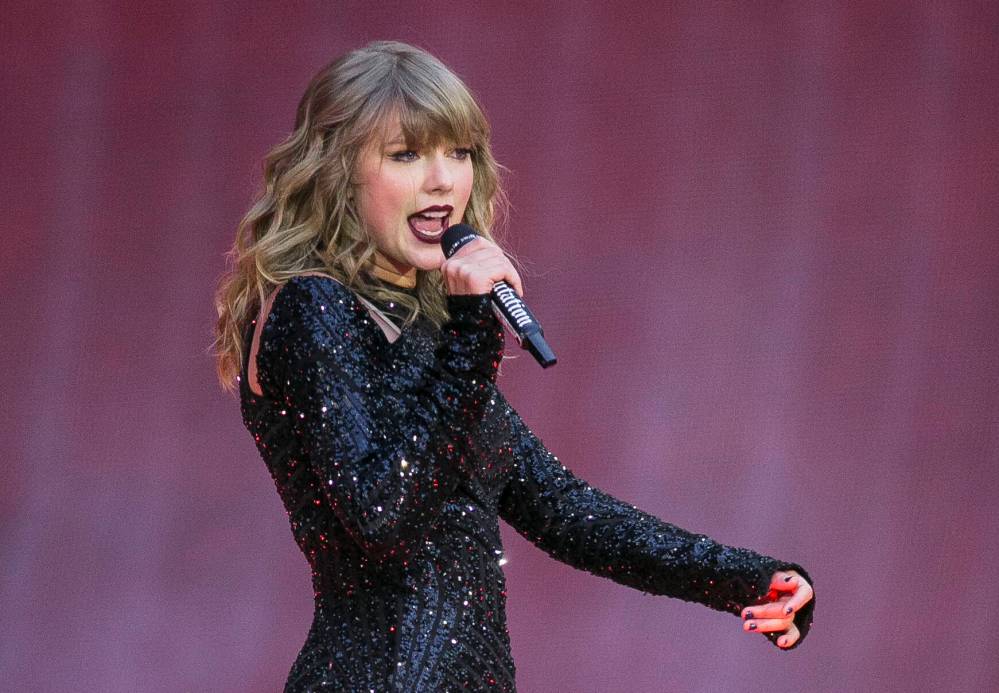
Joel C Ryan/Invision/AP, File
Pop/country singer Taylor Swift
And now, a U.S. Senate antitrust panel is proceeding with a hearing looking into Ticketmaster’s stranglehold on the ticketing industry.
But Ms. Swift isn’t the first artist to trigger an investigation into Ticketmaster’s marketplace dominance.
In 1994, Pearl Jam, then among the biggest rock bands in the world, took on Ticketmaster in what Rolling Stone described as a “Goliath vs. Goliath showdown” that went all the way to Capitol Hill.
The band, angry over hidden service fees, informed promoters that tickets for its summer ‘94 tour would be $18, and service charges, totalling no more than $1.80, would be clearly identified on the ticket. The band then tried, unsuccessfully, to mount the tour without Ticketmaster.
Pearl Jam filed an antitrust complaint against Ticketmaster, triggering a federal investigation. The band alleged Ticketmaster had created a monopoly in the industry by absorbing its competitors and making exclusivity agreements with venues that left artists — and fans — with few alternatives and little recourse.
The band also accused Ticketmaster of using that outsized influence with promoters to organize a boycott of its tour.
In the end, Pearl Jam lost, but their concerns about the ticketing behemoth were prescient. Now, 28 years later, Ticketmaster’s monopoly — owing in large part to the much-criticized 2010 merger with Live Nation, the world’s largest concert promoter — is even stronger, and another music-industry Goliath vs. Goliath showdown has arrived.
The fracas surrounding tickets for Ms. Swift’s tour has cranked the heat up by several degrees. Ticketing has only become more aggravating since Pearl Jam sounded the alarm; concert tickets regularly now go for hundreds of dollars — making the $4 to $8 in service fees of the 1990s seem downright quaint — if you can even get them.

“Dynamic pricing,” or price adjustments based on demand, can also push ticket prices into the thousands. The secondary reselling market is unregulated chaos; Ticketmaster’s own closed-loop resale market also gouges fans by taking a cut.
Ms. Swift is a major artist who can sustain stadium tours; she’s also a notably shrewd businesswoman who likely isn’t going to “stick it” to Ticketmaster by scrapping a tour worth millions. And her fans are incredibly loyal, which is why this fight is not really a matter of Ticketmaster vs. Swift as much as it’s Ticketmaster vs. Swifties.
Her fans are tenacious, and extremely online. And now, they are angry.
But how many times does Ticketmaster’s monopoly need to be “exposed,” to borrow parlance from media coverage, before something meaningful is done? Legions of furious Swifties have put this issue back on the front burner, but ultimately it’s up to the U.S. government to uncouple two industry titans that should never have been merged in the first place.
It’s time to enact regulations so fans — especially young ones who don’t have a lot of money — aren’t the ones getting ripped off. Here’s the bottom line: without fans, there’s no industry.
Related Articles
Taylor Swift ticket trouble could drive political engagement



Advertisement Advertise With Us
Advertisement Advertise With Us