

You don’t have to be whistleblower to call out lies
Advertisement
Read this article for free:
or
Already have an account? Log in here »
To continue reading, please subscribe:
Digital Subscription
One year of digital access for only $1.44 a week*
- Enjoy unlimited reading on winnipegfreepress.com
- Read the E-Edition, our digital replica newspaper
- Access News Break, our award-winning app
- Play interactive puzzles
*Billed as $5.77 plus GST every four weeks. After 52 weeks, price increases to the regular rate of $19.95 plus GST every four weeks. Offer available to new and qualified returning subscribers only. Cancel any time.
To continue reading, please subscribe:
Add Free Press access to your Brandon Sun subscription for only an additional
$1 for the first 4 weeks*
- Enjoy unlimited reading on winnipegfreepress.com
- Read the E-Edition, our digital replica newspaper
- Access News Break, our award-winning app
- Play interactive puzzles
*Your next Brandon Sun subscription payment will increase by $1.00 and you will be charged $17.95 plus GST for four weeks. After four weeks, your payment will increase to $24.95 plus GST every four weeks.
Read unlimited articles for free today:
or
Already have an account? Log in here »
With Theranos Inc. back in the news thanks to the documentary You Can See Everything, it’s hard not to revisit one of the most extraordinary corporate scandals of our time.
A U.S. company that promised to revolutionize blood testing for medical diagnoses, a charismatic founder who convinced some very influential people to believe in her vision, and employees who eventually found themselves facing a difficult choice: stay quiet or speak up.
Whistleblowing exists for good reason. When there are serious breaches of conduct, fraud, abuse of power or wrongdoing that puts people at risk, having someone willing to step forward can be incredibly important. Sometimes, it takes considerable courage to tell the truth when an entire organization seems determined to avoid it.
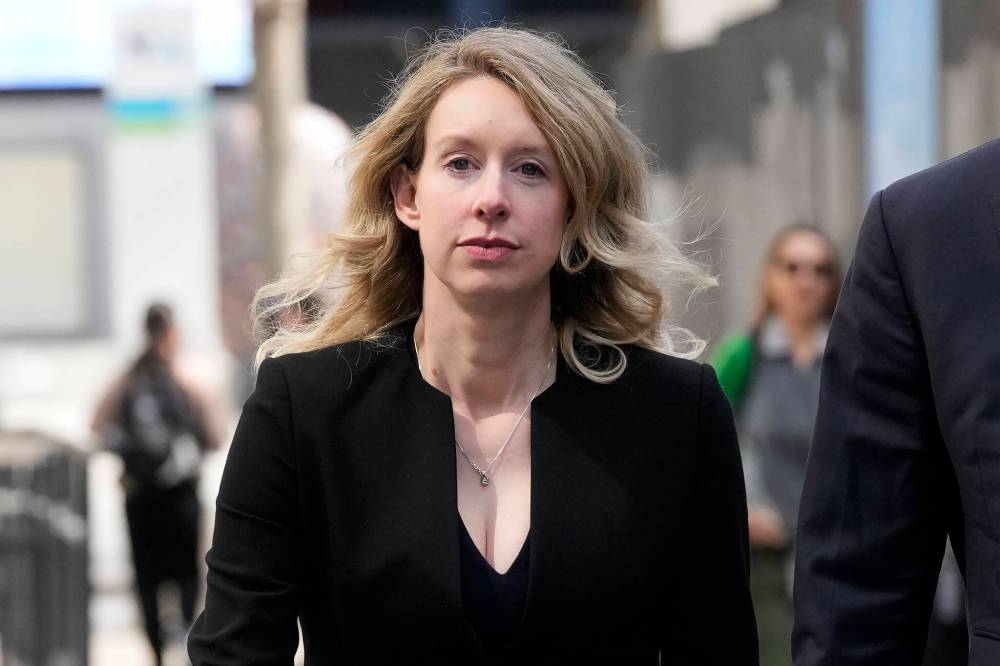
Jeff Chiu / The Associated Press files
Former Theranos Inc. CEO Elizabeth Holmes leaves federal court in San Jose, Calif. In 2022, she was convicted on three counts of wire fraud and one count of conspiracy to commit wire fraud. She was sentenced to 11 years in prison.
But most of us will never work for another Theranos (which took some US$700 million from venture capitalists and private investors before flaming out in lawsuits, sanctions and fraud convictions). We will, however, work with people who lie.
I’m not talking about major fraud or criminal activity. I’m talking about the smaller, everyday dishonesty that happens in workplaces everywhere.
The colleague who takes credit for something they didn’t do. The employee who tells the boss a project is finished when it isn’t. The manager who conveniently forgets a conversation when it no longer suits them. The person who gives three different versions of the same story, depending on who’s asking.
These aren’t necessarily whistleblower situations. They probably don’t warrant a formal investigation, a call to a regulator or a dramatic exit from the building. But they are still unacceptable.
So what are we supposed to do? Do we call someone out? Do we mind our own business? Do we pretend we didn’t hear it? And what happens when the person doing the lying is the one signing our performance reviews?
I think there are two slightly different conversations worth having.
When your co-worker lies
Let’s start with the colleague who isn’t being entirely honest. Perhaps they’ve told your manager they completed a task that you know is still sitting unfinished. Maybe they’ve taken credit for your work, blamed someone else for a mistake or told a story about a meeting that doesn’t quite match what actually happened.
Your first instinct might be to march into your manager’s office and set the record straight. Sometimes, that’s necessary, particularly if the lie affects your reputation or someone else’s ability to do their job. But if it’s a relatively minor situation, there may be a better first step.
Talk to the person privately.
I know. This sounds like advice from someone who has never had to have an uncomfortable conversation. But there is something to be said for giving people an opportunity to correct themselves before turning a small problem into a much bigger one.
You might say, “Hey, I wanted to ask you about what happened in the meeting. When you said the report was finished, I was a little surprised because I understood it was still outstanding. Did something change?”
Notice that you’re not opening with an accusation. You’re giving them an opportunity to explain. Perhaps there’s information you don’t have. Perhaps there’s been a misunderstanding. Or perhaps they know exactly what they’ve done and are hoping nobody notices.
Either way, you’ve made it clear that you noticed.
If the person has made an honest mistake, this conversation gives them an opportunity to fix it. If they’ve deliberately misrepresented something, it sends a message their behaviour isn’t going unnoticed.
Of course, there’s a limit to how many opportunities someone should get. If the behaviour continues or if the dishonesty has consequences for other employees, clients or the organization, it may be time to involve a manager or HR.
Being a good colleague doesn’t mean covering for someone else’s poor decisions. And being professional doesn’t mean pretending something is acceptable when it isn’t.
When a manager lies to you
This is a little trickier.
When a colleague lies, you generally have some ability to address it directly. When your manager does it, the power dynamic changes. This is the person who assigns your work, approves your vacation, evaluates your performance and may have considerable influence over your future with the organization.
Let’s say your manager tells you a decision was made by senior leadership when you later discover that wasn’t true. Or they deny having given you instructions you clearly remember receiving. Perhaps they promise you something in a meeting and then conveniently have no recollection of the conversation a few weeks later.
You have a few choices, none of which involve throwing your coffee across their desk.
First, ask questions. Rather than immediately accusing your manager, try to clarify what you understood. “I may be remembering this differently, but I understood from our conversation last week that we had agreed to go in another direction. Has something changed?”
It is a reasonable question and it gives them an opportunity to explain.
Second, start documenting important conversations. A simple followup email confirming what was discussed, what was agreed upon and what happens next can save a lot of frustration. It doesn’t have to sound like you’re building a legal case. Something as simple as, “Thanks for meeting today. Just confirming that I’ll proceed with the revised schedule we discussed,” creates a record of the conversation.
Third, pay attention to patterns. One disagreement about what was said may simply be a misunderstanding. A manager who repeatedly changes their story, denies previous conversations, shifts blame or tells different employees different versions of events is a different problem.
Here’s something employees sometimes need to hear: you don’t have to convince your manager they’re lying in order to protect yourself from the consequences of their dishonesty.
If their behaviour is affecting your work, reputation or ability to do your job, keep records and consider speaking with HR or someone else in a position to help. If the issue involves serious misconduct, safety, discrimination, harassment or financial wrongdoing, it may require a more formal response.
Unfortunately, not every manager is receptive to being challenged. You have to use your judgment about how and when to raise concerns and, sometimes, the most practical response is to protect yourself, document what is happening and seek advice.
Problem with looking other way
Here’s where I think we sometimes get workplace culture wrong:
We spend a lot of time talking about respect, trust, psychological safety and accountability. We develop policies, run training sessions and put inspirational words on posters in the lunchroom. But none of those things mean much if employees know dishonesty is happening and everyone simply looks the other way.
A workplace doesn’t have to be committing massive acts of misconduct to develop a culture where people stop trusting one another. Sometimes, it happens through a collection of small incidents nobody wants to address. People learn that the truth is negotiable, accountability is optional and the easiest way to get through the day is to keep your head down.
We shouldn’t confuse being a team player with protecting someone from the consequences of their own behaviour. And we shouldn’t confuse being respectful with being silent.
Not every lie deserves a whistleblower. Sometimes, it deserves a private conversation, a little clarification or a followup email.
But honesty is not an unreasonable expectation in the workplace. It is one of the basic things we need from the people we work with, whether they sit beside us or in the corner office.
Theranos reminds us what can happen when serious wrongdoing goes unchecked. The rest of us don’t need to wait for a scandal of that magnitude before deciding that telling the truth matters.

Sometimes, the most important thing you can do for a healthy workplace is simply to stop pretending you didn’t hear the lie.
Tory McNally, CPHR, BSc., vice-president,
professional services at TIPI Legacy HR+
(formerly Legacy Bowes), is a human resource
consultant, relationship builder and problem solver. She can be reached at tmcnally@tipipartners.com