Synagogues vigilant after Texas hostage incident

Advertisement
Read this article for free:
or
Already have an account? Log in here »
To continue reading, please subscribe:

Digital Subscription
One year of digital access for only $205*
- Enjoy unlimited reading on winnipegfreepress.com
- Read the E-Edition, our digital replica newspaper
- Access News Break, our award-winning app
- Play interactive puzzles
*First annual payment billed as $205.00 + GST for one year. This annual subscription will automatically renew at $233.00 + GST every 52 weeks (10% off the regular annual price of $259.35). Offer available to new and qualified returning subscribers only. Cancel any time.
To continue reading, please subscribe:
Add Free Press access to your Brandon Sun subscription for only an additional
$1 for the first 4 weeks*
- Enjoy unlimited reading on winnipegfreepress.com
- Read the E-Edition, our digital replica newspaper
- Access News Break, our award-winning app
- Play interactive puzzles
*Your next Brandon Sun subscription payment will increase by $1.00 and you will be charged $17.95 plus GST for four weeks. After four weeks, your payment will increase to $24.95 plus GST every four weeks.
Read unlimited articles for free today:
or
Already have an account? Log in here »
Hey there, time traveller!
This article was published 18/01/2022 (1722 days ago), so information in it may no longer be current.
Mostly closed to the public because of COVID-19 pandemic measures, Winnipeg’s synagogues remain hyper-vigilant about their security after last weekend’s hostage incident in Texas.
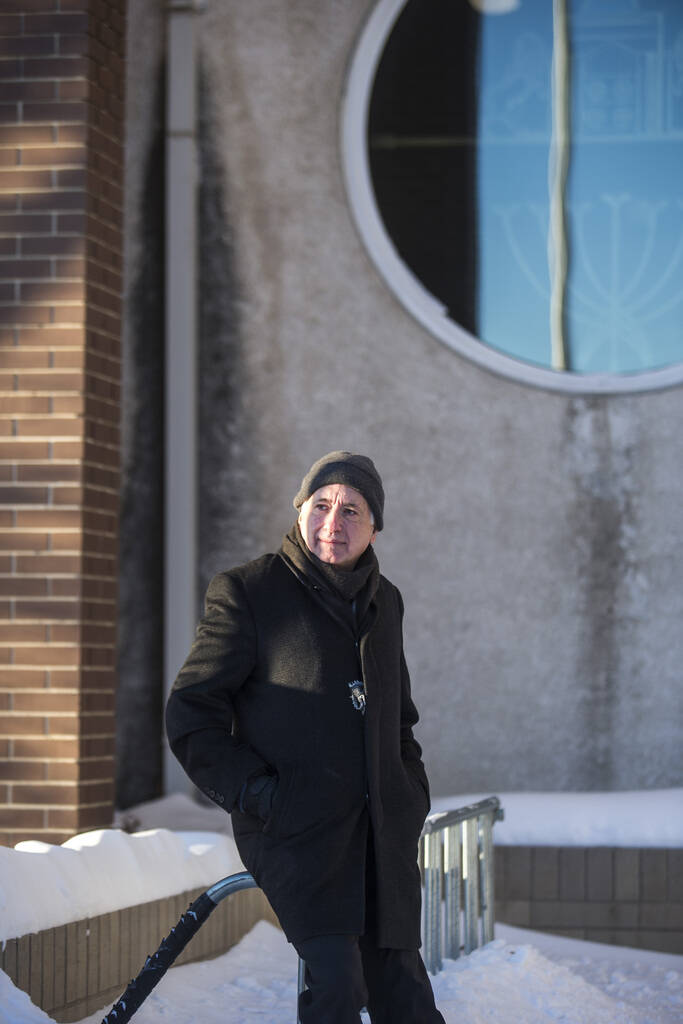
“Working in a synagogue, you are aware people would like to do this to you as well,” said Ran Ukashi, executive director at Congregation Shaarey Zedek.
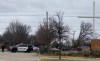
On Jan 15, an armed man demanding the release of an alleged terrorist from U.S. prison, took four people hostage at Congregation Beth Israel in Colleyville, Tex., including Rabbi Charlie Cytron-Walker, after the rabbi offered a man shelter.
Three of the hostages escaped the day-long standoff after the rabbi threw a chair at the gunman, an action the rabbi credited to his security training. The fourth hostage had been released hours earlier.
The hostage taker was later shot and killed.
The incident feels too close for home for Rabbi Kliel Rose of Winnipeg’s Congregation Etz Chayim, who became friends with the Texas rabbi when both participated in a two-year leadership development program.
“If I know Charlie, he was there just being a pastoral presence to everyone, including the person who was holding him hostage. That’s just his personality,” Rose told the Canadian Jewish News on Jan. 16.
Synagogues are constantly reassessing security needs, which include everything from surveillance cameras, locked doors and guards during major events such as the High Holidays, when services attract hundreds of people, said Ukashi.
Some measures remain private for obvious reasons, he added.
“Now you go to any synagogue and you expect to be buzzed in (at a locked door),” he said about common security measures.
Local Jewish organizations co-operate on security training, said Rabbi Allan Finkel, chairman of Winnipeg Council of Rabbis, as well as relying on international institutions such as the Secure Community Network, the official safety and security organization of the Jewish community in North America.
“There’s a lot of quiet training that synagogues and staff can get on how to go through procedures,” explained the rabbi at Temple Shalom.
Synagogues and other religious organizations at risk for hate crimes can also apply for grants of up to $100,000 through a security infrastructure program administered by Public Safety Canada. Applicants are responsible for half of the costs for security improvements.
Finkel said the Texas incident highlights the need to remain alert for copycat incidents or other hate crimes, but it also underlines the importance of interfaith connections and understanding.
Finkel said the gunman appeared to believe in the tired anti-Semitic trope that “Jews control everything” and thought by appealing to one Jewish community, his requests could be fulfilled.
“It doesn’t appear he wanted to hurt the Jews,” Finkel said of the hostage taker’s intentions. “He went in there to get them to do something.”
Mindful of the Jewish belief in providing hospitality to strangers, Finkel said between pandemic restrictions and the need to check identification to ensure congregants are vaccinated, a small congregation like Temple Shalom is less likely to open the door to strangers at this time.

The Grant Park-area congregation is currently only holding virtual services to limit the spread of COVID-19.
“The idea of being completely open to strangers is being set aside,” Finkel said. “We have to be really careful but at the same time, balance vigilance and hospitality.”
Although this recent incident occurred in another country, having an intruder in any Jewish synagogue feels personal to every Jew and increases anxiety about local risks, said Ukashi.
“We view an attack in the Jewish community somewhere else as an attack on us as well.”
faith@freepress.mb.ca
The Free Press is committed to covering faith in Manitoba through our Religion in the News project. This reporting continues because readers like you step forward to fund it.
Donate now to support our reporting on religion.
Your donation is eligible for a charitable tax receipt.
BECOME A FAITH JOURNALISM SUPPORTER
Brenda Suderman has been a columnist in the Saturday paper since 2000, first writing about family entertainment, and about faith and religion since 2006.
Our newsroom depends on a growing audience of readers to power our journalism. If you are not a paid reader, please consider becoming a subscriber.
Our newsroom depends on its audience of readers to power our journalism. Thank you for your support.
The Free Press is committed to covering faith in Manitoba through our Religion in the News project. This reporting continues because readers like you step forward to fund it.
Donate now to support our reporting on religion.
Your donation is eligible for a charitable tax receipt.
BECOME A FAITH JOURNALISM SUPPORTER
Brenda Suderman has been a columnist in the Saturday paper since 2000, first writing about family entertainment, and about faith and religion since 2006.
Our newsroom depends on a growing audience of readers to power our journalism. If you are not a paid reader, please consider becoming a subscriber.
Our newsroom depends on its audience of readers to power our journalism. Thank you for your support.
Related Articles
Indifference to evil is unacceptable Jewish leaders renew antisemitism fight after hostage case


Advertisement Advertise With Us
Advertisement Advertise With Us
The Free Press acknowledges the financial support it receives from members of the city’s faith community, which makes our coverage of religion possible.