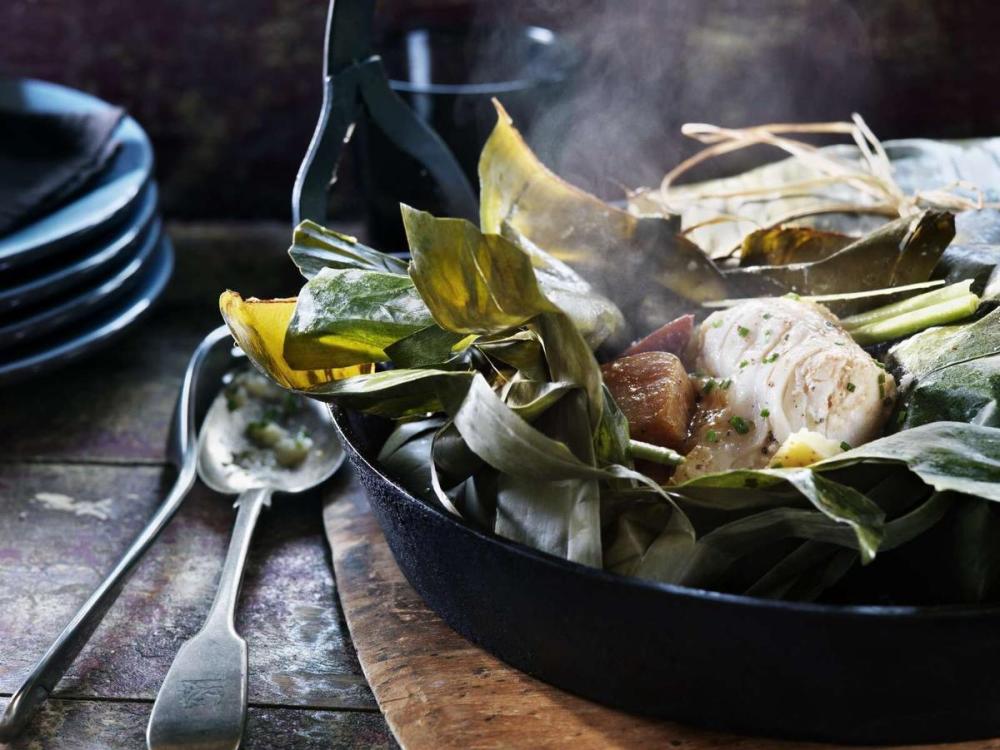
Mark McEwan: This delicious baked halibut dish is well worth the time investment
Advertisement
Read this article for free:
or
Already have an account? Log in here »
To continue reading, please subscribe:

Digital Subscription
One year of digital access for only $205*
- Enjoy unlimited reading on winnipegfreepress.com
- Read the E-Edition, our digital replica newspaper
- Access News Break, our award-winning app
- Play interactive puzzles
*First annual payment billed as $205.00 + GST for one year. This annual subscription will automatically renew at $233.00 + GST every 52 weeks (10% off the regular annual price of $259.35). Offer available to new and qualified returning subscribers only. Cancel any time.
To continue reading, please subscribe:
Add Free Press access to your Brandon Sun subscription for only an additional
$1 for the first 4 weeks*
- Enjoy unlimited reading on winnipegfreepress.com
- Read the E-Edition, our digital replica newspaper
- Access News Break, our award-winning app
- Play interactive puzzles
*Your next Brandon Sun subscription payment will increase by $1.00 and you will be charged $17.95 plus GST for four weeks. After four weeks, your payment will increase to $24.95 plus GST every four weeks.
Read unlimited articles for free today:
or
Already have an account? Log in here »
Hey there, time traveller!
This article was published 17/07/2021 (1892 days ago), so information in it may no longer be current.
Every Saturday, Chef Mark McEwan, one of Canada’s most celebrated chefs, serves up everything you need for a special weekend meal, including a recipe and expert at-home cooking tips.
This recipe packs a big flavour punch and amazing aromatics: When you open it at your table, all the scents fill the air! The fish, and its richly flavoured coconut milk sauce, are ideally suited to the simple accompaniments of absorbent jasmine rice. If you prefer an all-in-one approach, forget the rice and instead include tow parboiled and halved fingerling potatoes along with the other veggies nestled beneath the halibut.
Chef tips
1. Halibut needs to be cooked through — but not too much, as it will be dry. Use a thermometer to make sure you have the correct internal temperature.
2. The wrapping of the fish is straightforward: pretend you’re wrapping a present and be as exact as you can to prevent leakage of the coconut milk.
3. Don’t feel obliged to follow this recipe to the letter. If your local grocer is out of lemongrass, for an example, you can leave it out and still end up with an enviably flavourful and moist piece of fish. You may substitute the saffron onions for pearl onions that have merely been blanched and roasted until tender. The same goes with the wrapping: if banana leaves are unavailable, parchment paper will do in a pinch. For a vegetarian option or side dish, replace the fish (and its dry rub) with potatoes, carrots and other root vegetables.
Halibut Baked in Banana Leaf with Curry
12 banana leaves
4 tbsp (60 mL) olive oil
6 halibut fillets, about 5 oz (150 g) each, preferably skinless
2 tbsp (30 mL) parsley, chopped
1/4 cup (60 mL) clarified butter
18 to 24 roasted sugar beets, halved
3 medium leeks, white part only, sliced 1/4 in (5 mm) thick, steamed and cooled
18 to 24 saffron pearl onions
1 orange
1 lemon
1 large piece lemongrass, cut into six 1/2 in (1 cm) discs pounded with a hammer
18 sprigs cilantro
6 small springs thyme
6 small springs parsley
1 small ginger bulb, peeled and julienned
12 fresh Thai chilies, split and seeded
6 tbsp (90 mL) butter
1 can (12 oz/400 mL) coconut milk
Salt
Dry rub
1/2 tbsp (7 mL) coriander seeds, toasted and crushed
1/2 tsp cracked black pepper
Pinch each of ground cumin, curry powder and salt
Preheat oven to 375°F (190°C). With a very sharp knife, carefully trim the rib from the edge of each banana leaf, cutting it off in as thin a strip as possible. (Keep it handy; you’ll use it as string later.) Trim the other edges to shape each leaf into a 12-inch (30 cm) square. Moisten a paper towel with a little of the oil and wipe the leaves along the grain so they have a pleasant sheen. Stack the leaves in pairs arranged so that their grains run perpendicular.
Combine dry rub ingredients and sprinkle it over the fish fillets. Combine remaining oil and parsley in a platter or baking dish; gently roll fish fillets in it to coat. Heat clarified butter in a large, heavy-bottomed non-stick skillet over medium-high heat. Add fillets seasoned side down, quickly searing them until they acquire some colour. Return fillets uncooked side down to the dish with oil and parsley. Set aside.
At the centre of each set of banana leaves, arrange a small mélange of vegetables: beet halves (or segments of large), leek slices and pearl onions. Place a fillet of fish on top, seared side up. Zest lemon and orange over top. Add a piece of lemongrass. Tie together six herb bundles, combining in each 3 springs cilantro, 1 sprig each thyme and parsley, 6 bâtonnets of ginger and 2 chilies. Place one on top of each fillet. Top each package with 1 tbsp (15 mL) butter. Shake coconut milk well and pour about 1/4 cup (50 mL) over each fish. Add pinch of salt, then seal each package tightly, folding the leaf edges as if wrapping paper around a gift, and using the strapping as a ribbon to tie it shut.
Place the packages on a baking sheet and transfer to oven. Cooking time varies considerably with the thickness of the fish. After about 20 minutes, insert a meat thermometer through the top of a package. The fish is done when the temperature reads 135°F (58°C). Cut the packages open at the table and remove lemongrass and her bundles. Serves 6.
Roasted beets
1 lb (450 g) young variegated beets (golden, candy cane, white, red cylinder)
2 tbsp (30 mL) olive oil
3 cloves garlic, smashed
3 or 4 sprigs thyme
Salt and pepper
Preheat oven to 425°F (220°C). Scrub beets well; do not trim, peel or halve them because the colours will bleed. Spread a sheet of foil on a work surface. Cluster beets in single layer at the centre. Drizzle with olive oil. Scatter garlic and thyme over top and season well. Create an envelope with the foil, seal tightly and wrap in a second layer of foil. Roast until the beets are tender, anywhere from 45 minutes for a 2-inch (5 cm) beet to 2 hours for large ones (to test, protect your hand with an oven mitt or kitchen cloth and give them a squeeze through the foil). Let beets cool for 10 minutes before unwrapping the package. As soon as the beets are cool enough to touch, peel them (the skin will come off like wet paper). Trim, and cut or slice as desired. Serves 4.
Saffron pearl onions
2 small pinches saffron threads

1 package (10 oz/284 g) pearl onions
2 tsp (10 mL) olive oil
Pinch each of salt and pepper
Preheat oven to 400°F (200°C). Add 1 pinch of saffron to 1 cup (250 mL) warm water; set aside to steep. Blanch onions in boiling salted water for 20 seconds, then shock in ice water. Drain, then carefully trim and peel them. In a small ovenproof skillet over low to medium heat, heat the oil. Gently cook onions, shaking the pan regularly to prevent blistering or scorching. When they become lightly bronzed, add the remaining pinch of saffron threads followed by about 2 tbsp (30 mL) of steeped saffron tea. Shake the pan well; transfer to oven. Braise onions until tender and thoroughly saffron-coloured, 15 to 20 minutes. Monitor carefully: shake the pan regularly, and whenever the liquid threatens to evaporate, add another 2 tbsp (30 mL) of saffron tea. Season lightly. Serves 4.
Chef Mark McEwan is a Toronto-based chef, entrepreneur, mentor and writer of bestselling cookbooks. He is a freelance contributor for the Star. Follow him on Twitter: @chef_MarkMcEwan