Liquor-law changes could go a lot further
Expanding number of private wine boutiques would benefit underserved areas of city, province

Advertisement
Read this article for free:
or
Already have an account? Log in here »
To continue reading, please subscribe:

Digital Subscription
One year of digital access for only $205*
- Enjoy unlimited reading on winnipegfreepress.com
- Read the E-Edition, our digital replica newspaper
- Access News Break, our award-winning app
- Play interactive puzzles
*First annual payment billed as $205.00 + GST for one year. This annual subscription will automatically renew at $233.00 + GST every 52 weeks (10% off the regular annual price of $259.35). Offer available to new and qualified returning subscribers only. Cancel any time.
To continue reading, please subscribe:
Add Free Press access to your Brandon Sun subscription for only an additional
$1 for the first 4 weeks*
- Enjoy unlimited reading on winnipegfreepress.com
- Read the E-Edition, our digital replica newspaper
- Access News Break, our award-winning app
- Play interactive puzzles
*Your next Brandon Sun subscription payment will increase by $1.00 and you will be charged $17.95 plus GST for four weeks. After four weeks, your payment will increase to $24.95 plus GST every four weeks.
Read unlimited articles for free today:
or
Already have an account? Log in here »
Hey there, time traveller!
This article was published 28/05/2022 (1586 days ago), so information in it may no longer be current.
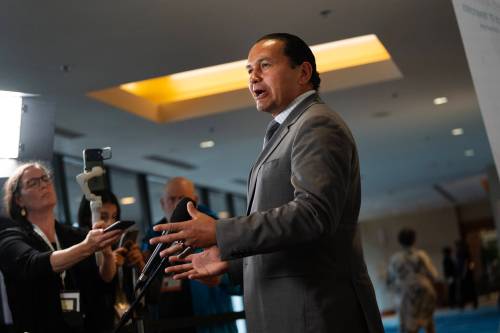
The provincial government announced this week it will be introducing a bill to modernize Manitoba’s liquor retail system.
This isn’t the first time the province has toyed with tweaking the way booze is sold in our province; last year the Tories introduced Bill 40, which would have significantly changed how and where alcohol is sold, but that bill, more wide-reaching than the expected legislation, was withdrawn in October.
There are plenty of fixes needed in our province’s liquor regulations. Here’s where to start:
Liquor and Lotteries Minister Scott Fielding hinted the proposed legislation may do away with the rule that beer vendors need be connected (either physically or adjacently) to hotels. That’s a no-brainer; it’s an archaic law from a time when a hotel room was needed in order to be able to sell booze, presumably so that someone could go sleep off the good times, if needed.
In an age of taxis, ride-hailing services and more responsible consumption, among other factors, it’s archaic and makes no sense. Let beer vendors set up where they want.
The number of private wine stores in Winnipeg is currently limited by law to the eight currently operating. It’s an arbitrary number that hasn’t changed since the late 1990s. Some areas of the city are well-served (River Heights, St. Vital and central Winnipeg), while in other neighbourhoods there are no options beyond the local Liquor Mart when it comes to buying wine.
There are no private wine stores north of Portage Avenue, none east of The Forks and nothing west of De Luca Fine Wines at Portage and Ruby Street, for example. Get rid of the cap or, at the very least, bump up the permitted number of private stores. Also, how about a private retailer or two in Brandon or Portage la Prairie?
Before we go any further, full disclosure: as I’ve mentioned before, I worked at private wine stores for 10 years before starting to write about drinks for the Free Press. I like them for the thoughtful selection of wines they offer and the level of product knowledge most staff have. But I also like Liquor Marts and see the value they bring; they offer big-brand favourites and decent product knowledge — I’m certainly not advocating for their elimination.
Private wine stores can sell only wine, cider, some coolers and a few other products (with the exception of Ellement Wine + Spirits at the Forks, which has a grandfathered licence permitting the sale of grape-based spirits). There are plenty of small-batch or off-the-beaten-track beers and spirits not sold by Liquor Marts that would easily fit in our market. Private wine stores already do a very good job with products that require more of a hands-on selling approach than those available at Liquor Marts — natural wines, products from small winemakers, off-the-beaten-track grape varieties and the like. They could easily do just as good a job with artisanal beer and spirits.
What about grocery stores selling wine? Some Manitoba grocery stores are home to Liquor Marts Express stores, which have a limited selection of big-name products folks can pick up while shopping, albeit in two transactions and in two storefronts. Additionally, a couple of private wine stores in Winnipeg are either in the same or an adjacent building as a specialty-food store, so getting a stinky cheese with a nice Chianti isn’t a problem. But why not let any grocer have a go at selling wine, beer and spirits as they do in many other jurisdictions?
There are so many more potential changes that could be made as Manitoba’s liquor laws go lurching into the future. (Alcohol in the park with your picnic lunch, anyone?)
What changes do you want to see? Would you rather things stay as they are? Let me know.
uncorked@mts.net
Twitter: @bensigurdson
Wines of the week
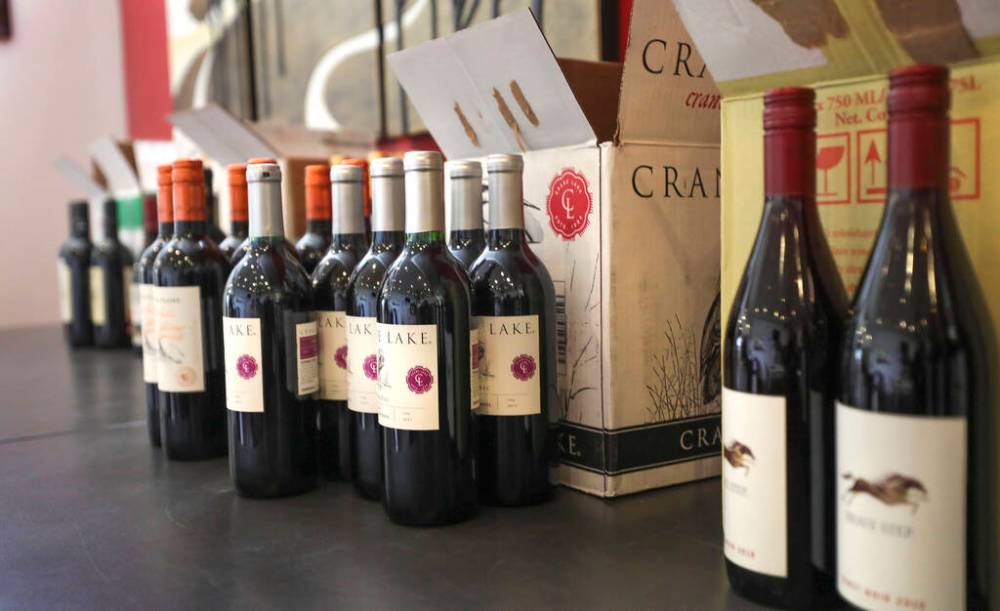
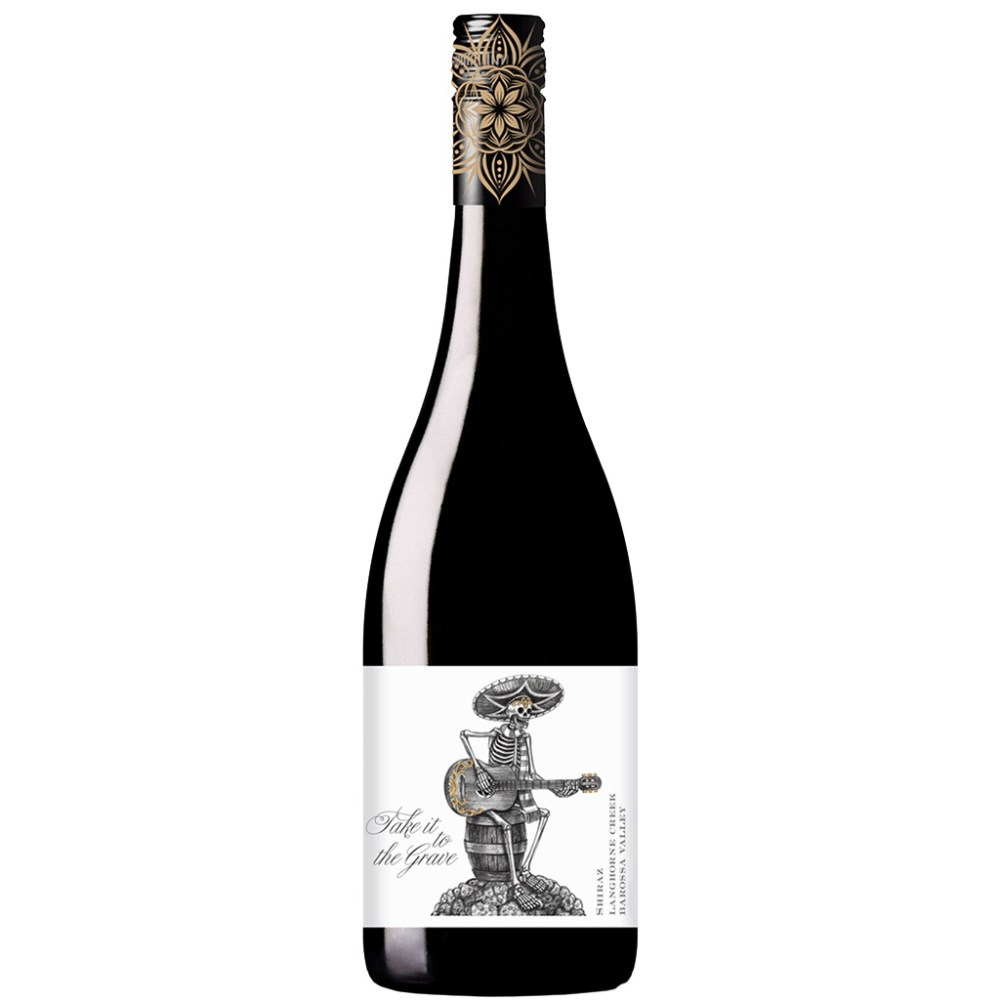
Fourth Wave Wine 2020 Take it to the Grave Shiraz (Langhorne Creek/Barossa Valley, Australia – $17.99, Liquor Marts and beyond)
Cherry liqueur and blackberry aromas jump out here — big and brash, with red licorice, raspberry, lacquer and hints of violet and black pepper playing supporting roles. It’s full-bodied and jammy, with loads of cherry, blackberry jam and raspberry pie filling that bring ripeness without sweetness. The pepper and clove notes persist with the black tea component that comes with the medium tannins, while the 14.5 per cent alcohol brings heat on the long finish. Let this aggressive Aussie Shiraz sit in a glass for about a half-hour to open up and mellow out. Heck, 20 minutes in the fridge wouldn’t hurt either. 3.5/5
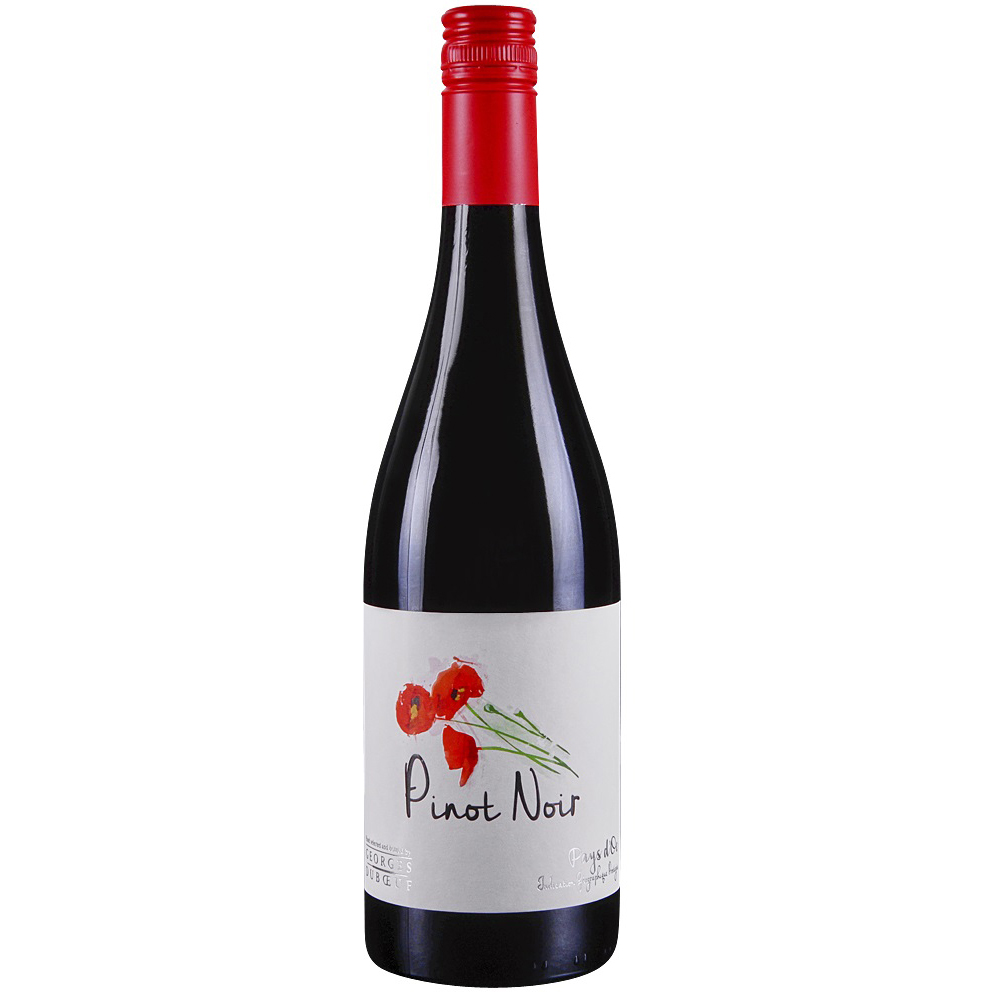
Georges Duboeuf 2020 Pinot Noir (Pays D’Oc, France – $17.99, Liquor Marts and beyond)
Pale ruby in colour, this Pinot Noir from the south of France delivers white pepper, plum, earth, raspberry and cherry aromas. It’s light-bodied and dry but fruity, with up-front cherry and strawberry flavours, hints of white pepper and red licorice, a black tea note that comes with the modest tannins (but no oak) and a moderate finish. An accessible, totally decent example of the grape for the price. 3/5
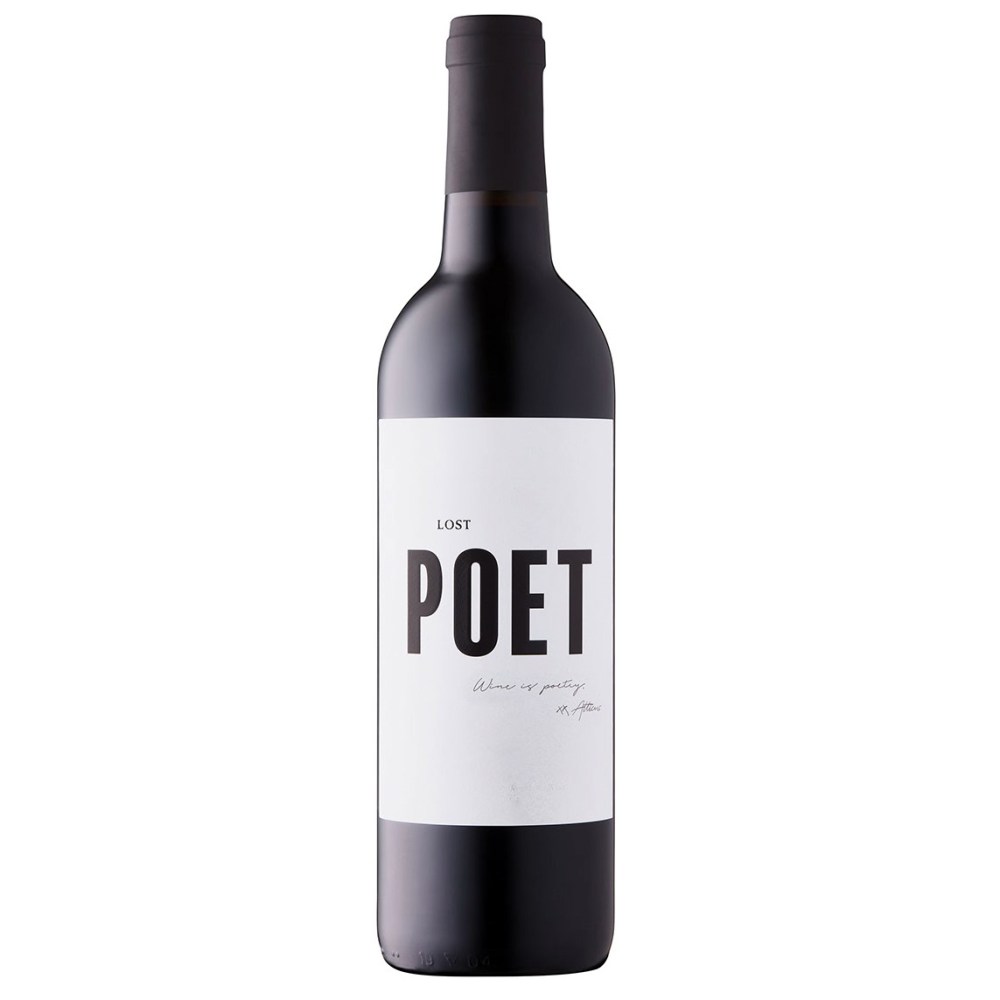
Winc 2019 Lost Poet (California, U.S. – around $27, private wine stores)
A California collaboration between Winc and anonymous Canadian poet Atticus, the Lost Poet red is mainly Cabernet Sauvignon with some Merlot and Syrah in the mix. It’s quite jammy, with black currant, tart plum, blueberry and cherry aromas front and centre with a subtle hit of cocoa and vanilla. On the full-bodied and plush palate there’s some smoky sweetness that comes with the red and dark berry flavours, an underlying savoury spice note, modest tannins and some warmth from the 14.5 per cent alcohol. Less sweetness and more character than many of the California red blends out there. From Jones & Company. 3.5/5
Our newsroom depends on a growing audience of readers to power our journalism. If you are not a paid reader, please consider becoming a subscriber.
Our newsroom depends on its audience of readers to power our journalism. Thank you for your support.
Our newsroom depends on a growing audience of readers to power our journalism. If you are not a paid reader, please consider becoming a subscriber.
Our newsroom depends on its audience of readers to power our journalism. Thank you for your support.
Related Articles
Changes to Manitoba liquor laws not expected to pass

Advertisement Advertise With Us
Advertisement Advertise With Us