Starbucks, Second Cup halt use of reusable cups amid novel coronavirus outbreak

Advertisement

Advertise with us

Two major coffee chains have stopped serving beverages in reusable cups brought by customers amid the novel coronavirus outbreak.

Read this article for free:


or

Already have an account? Log in here »

To continue reading, please subscribe:

Subscribe and receive a limited-edition Free Press branded hat or tote.

Digital Subscription

One year of digital access for only $205*

  • Enjoy unlimited reading on winnipegfreepress.com
  • Read the E-Edition, our digital replica newspaper
  • Access News Break, our award-winning app
  • Play interactive puzzles

*First annual payment billed as $205.00 + GST for one year. This annual subscription will automatically renew at $233.00 + GST every 52 weeks (10% off the regular annual price of $259.35). Offer available to new and qualified returning subscribers only. Cancel any time.

To continue reading, please subscribe:

Add Free Press access to your Brandon Sun subscription for only an additional

$1 for the first 4 weeks*

  • Enjoy unlimited reading on winnipegfreepress.com
  • Read the E-Edition, our digital replica newspaper
  • Access News Break, our award-winning app
  • Play interactive puzzles
Start now

*Your next Brandon Sun subscription payment will increase by $1.00 and you will be charged $17.95 plus GST for four weeks. After four weeks, your payment will increase to $24.95 plus GST every four weeks.

Hey there, time traveller!
This article was published 05/03/2020 (2406 days ago), so information in it may no longer be current.

Two major coffee chains have stopped serving beverages in reusable cups brought by customers amid the novel coronavirus outbreak.

Starbucks and The Second Cup Ltd. say they are temporarily halting the environmentally friendly measure, but will continue to honour associated discounts.

“First and foremost, the health and well-being of our partners and customers remains top of mind and our highest priority, and we will continue to act thoughtfully and courageously despite the disruption and uncertainty COVID-19 brings to our daily lives,” wrote Rossann Williams, Starbucks executive vice-president and president of U.S. company-operated business and Canada, in an open letter published on the company’s website Wednesday.
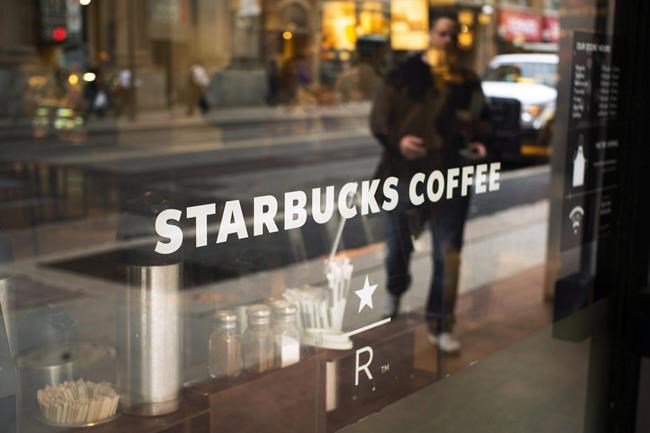
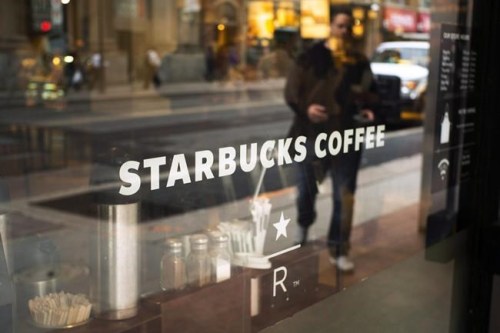
The front window of a downtown Starbucks Coffee store is shown in Toronto, May 10, 2018. Starbucks is stopping the use of reuseable cups and is halting business travel to combat the spread of the novel coronavirus. THE CANADIAN PRESS/Graeme Roy

The global spread of coronavirus caused global stock markets to fall, created worries in the Canadian tourism industry, and prompted other corporate concerns and changes.

The letter announced a slew of “precautionary steps” the company is taking in response to the outbreak.

That includes pausing personal cup use and serving drinks in in-store mugs. The company will continue to honour a 10-cent discount for customers who bring their cup or ask for a company mug to use in store.

The coffee chain is also ramping up regular cleaning practices across all stores, modifying or postponing large meetings and providing info to employees on how to respond to suspected cases of the virus. It has also restricted business-related air travel through to March 31.

Second Cup also temporarily halted personal cup use as of Thursday, the company said.

The coffee chain will also honour its 20-cent discount for customers who bring a reusable mug.

Second Cup, however, will continue to pour drinks into ceramic mugs for in-store use, the company said in a statement.

“All ceramic mugs are washed in high-pressure sanitizers,” it said, and the company has reminded staff to monitor the machine’s temperature and wash their hands prior to unloading dishes.

Second Cup has taken other measures over the past month, including increasing the number of times its cafes are cleaned each day.

Other coffee purveyors — McDonald’s Canada, Tim Hortons, Balzac’s Coffee Roasters, Aroma Espresso Bar and Timothy’s World Coffee — did not respond to a request for comment.

Restaurants Canada, a national association that represents the foodservice industry, “is closely monitoring developments” and conducted a survey among its members last month to see how they are responding to the coronavirus outbreak, the organization said in a statement. The survey received 125 responses representing 6,800 locations.

Members have made more hand sanitizers available, reminded staff to stay home if they are sick and monitored information from Canadian health authorities among other measures.

Restaurants Canada said it does not have data on how these businesses have changed their approach to sustainability initiatives and waste generation during the outbreak.

“Restaurant operators know that environmental sustainability is important to their guests, but accessibility, and health and safety, are just as important. They’re always working on ways to balance those needs.”

It’s the latest corporate impact from the global spread of COVID-19, which caused global stock markets to fall and has created worries in the Canadian tourism industry.

This report by The Canadian Press was first published March 5, 2020.

With files from Salmaan Farooqui

Companies in this story: (TSX:SCU)

Report Error Submit a Tip

More Stories

Wasteful operations should be held accountable

Barry E. Prentice 5 minute read Preview

Wasteful operations should be held accountable

Barry E. Prentice 5 minute read Yesterday at 2:00 AM CDT

Rising water bills are a top-of-mind issue for residents of Winnipeg going into the fall election. Management of the water and waste system is under question, with citizen’s groups, as well as the Free Press, calling for proper oversight of rates (Time for the PUB to review Winnipeg water rates, Editorial, Sept. 26).

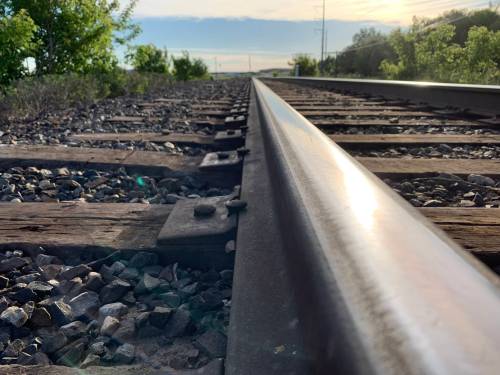
The need to increase rates to build the North End sewage plant is understandable. Siphoning off utility proceeds to make up other tax revenue shortfalls is another matter. But it is not the only questionable practice. If there was Public Utilities Board oversight of Winnipeg’s water and sewer rates, it would certainly be asking why the city is spending more than $3 million annually to operate the 164-kilometre-long, Greater Winnipeg Water District railway (GWWD) on ratepayers’ behalf.

The GWWD has come to the attention of the Railway Relocation Study, led by Lloyd Axworthy. All existing rail lines within the city are under review, as is the feasibility of a new railway bypass.

The GWWD is an example of a railway that has outlived its usefulness and sits on a pocket of land close to downtown that could be converted to higher-value uses.

Read
Yesterday at 2:00 AM CDT

Dozen of Manitoba highways remain closed weeks after storms

Nicole Buffie 5 minute read Preview

Dozen of Manitoba highways remain closed weeks after storms

Nicole Buffie 5 minute read Thursday, Jul. 16, 2026

Thirty five highways remain closed weeks after torrential rain caused destructive flooding in several Manitoba communities.

Crews continue to assess flood damage and repair roads and highways as conditions allow, after historic precipitation washed away many routes.

Some areas in the Parkland region of the province received more than 200 millimetres of rain between June 6 and July 1.

The majority of road closures are in the Roblin area. A storm at the end of June undid a lot of repair work in the Municipality of Minitonas-Bowsman after an early June deluge, officials said.

Read
Thursday, Jul. 16, 2026

Tokyo Olympic aftermath still being untangled a year later

Stephen Wade, The Associated Press 7 minute read Preview

Tokyo Olympic aftermath still being untangled a year later

Stephen Wade, The Associated Press 7 minute read Thursday, Jul. 21, 2022

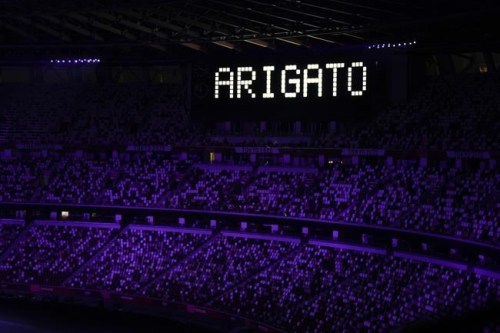
TOKYO (AP) — The Tokyo Olympics survived the COVID-19 postponement, soaring expenses and some public opposition. A year later, the costs and benefits remain as difficult to untangle as the Games were to pull off.

In his speech at the closing ceremony, IOC President Thomas Bach said a major accomplishment of the Games was simply reaching the end.

“We did it,” Bach said. “We did it together," he repeated, crediting the athletes, Japanese government officials, and deep-pocketed broadcasters for refashioning the Games despite no fans, disappointed sponsors, and no buzz around the city.

Organizers said the Games would drive tourism, showcase Japan's technological prowess, and create memories similar to the 1964 Tokyo Olympics. The pandemic erased that.

Read
Thursday, Jul. 21, 2022

City emergency crews to administer drug that stops opioid withdrawal symptoms

Joyanne Pursaga 5 minute read Preview

City emergency crews to administer drug that stops opioid withdrawal symptoms

Joyanne Pursaga 5 minute read Monday, Aug. 10, 2026

Winnipeg Fire Paramedic Service crews will soon give out a medication that stops withdrawal symptoms after someone is treated for an opioid overdose.

Emergency workers will be administering a drug called buprenorphine, after Health Canada granted WFPS permission to use the controlled substance.

“Buprenorphine is a medication that offers people who are in active addiction — so those people who have received naloxone as a result of an overdose and those that are experiencing significant and, at times, dangerous withdrawal symptoms — just a bit of a reprieve … (It) reduces cravings and prevents those immediate withdrawal symptoms, which allows more time to connect those patients to further care,” said Michelle Long, WFPS assistant chief of paramedic operations.

The treatment option is in response to a persistently high number of WFPS opioid calls.

Read
Monday, Aug. 10, 2026

Coffee chains halt use of reusable cups

Aleksandra Sagan, The Canadian Press 4 minute read Preview

Coffee chains halt use of reusable cups

Aleksandra Sagan, The Canadian Press 4 minute read Thursday, Mar. 5, 2020

Two major coffee chains have stopped serving beverages in reusable cups brought by customers amid the novel coronavirus outbreak.

Starbucks and The Second Cup Ltd. say they are temporarily halting the environmentally friendly measure, but will continue to honour associated discounts.

"First and foremost, the health and well-being of our partners and customers remains top of mind and our highest priority, and we will continue to act thoughtfully and courageously despite the disruption and uncertainty COVID-19 brings to our daily lives," wrote Rossann Williams, Starbucks executive vice-president and president of U.S. company-operated business and Canada, in an open letter published on the company's website Wednesday.

The global spread of coronavirus caused global stock markets to fall, created worries in the Canadian tourism industry, and prompted other corporate concerns and changes.

Read
Thursday, Mar. 5, 2020

Report calls for schools to add more ‘sensory rooms’

Maggie Macintosh 6 minute read Preview

Report calls for schools to add more ‘sensory rooms’

Maggie Macintosh 6 minute read Wednesday, Jul. 15, 2026

Manitoba schools are being urged to set up more “sensory rooms” and use the spaces — which can feature mood lighting, flexible seating and fidget toys — to address growing concerns about student outbursts and related injuries.

A new report from the Manitoba Federation of Labour is renewing calls to better protect educational assistants, teachers and other public-sector employees.

One of its 10 recommendations, published on Monday, focuses on tackling overcrowding in community facilities and establishing “safe spaces in schools to respond to violence.”

“It’s become the norm: kids having meltdowns that require you have to evacuate the classroom,” said Jane Allison, an educational assistant in Winnipeg.

Read
Wednesday, Jul. 15, 2026