Clandestine connection
Adulterous couple adrift in life in Mackintosh’s moving new novel
Advertisement
Read this article for free:
or
Already have an account? Log in here »
To continue reading, please subscribe:

Digital Subscription
One year of digital access for only $205*
- Enjoy unlimited reading on winnipegfreepress.com
- Read the E-Edition, our digital replica newspaper
- Access News Break, our award-winning app
- Play interactive puzzles
*First annual payment billed as $205.00 + GST for one year. This annual subscription will automatically renew at $233.00 + GST every 52 weeks (10% off the regular annual price of $259.35). Offer available to new and qualified returning subscribers only. Cancel any time.
To continue reading, please subscribe:
Add Free Press access to your Brandon Sun subscription for only an additional
$1 for the first 4 weeks*
- Enjoy unlimited reading on winnipegfreepress.com
- Read the E-Edition, our digital replica newspaper
- Access News Break, our award-winning app
- Play interactive puzzles
*Your next Brandon Sun subscription payment will increase by $1.00 and you will be charged $17.95 plus GST for four weeks. After four weeks, your payment will increase to $24.95 plus GST every four weeks.
Read unlimited articles for free today:
or
Already have an account? Log in here »
Adultery, fooling around, cheating, seeing someone on the sly — terms for the theme or plot or sub-plot of many a contemporary novel. In her latest novel Permanence, English novelist Sophie Mackintosh has come up with a rather different way of dealing with such indiscretions.
The author implies her story could happen anywhere by not naming the specific city where it takes place; one assumes that city is in England, as Mackintosh lives in London.
Permanence’s two main characters are Clara and Francis. Clara works in an art gallery, is unmarried and lives in the same home as a gay man, Arturo, who sometimes lines her up with one of his straight friends. Francis works at a university and is married to a woman named Iona; they have a four-year-old daughter, Elise. Iona seems resigned to Francis’s regular disappearances, while Elise does not treat Francis well, as if she knows about his other interest and is not happy about it.

Sophie Davidson photo
Sophie Mackintosh’s debut novel The Water Cure was longlisted for the 2018 Booker Prize.
Clara and Francis are involved with each other from the very first page. Here is how the first paragraph ends:
“And so, while Clara didn’t recognize the room when she woke up, or, in fact, possess any recollection of the day before, she was not overly surprised to open her eyes and see Francis there, asleep on the unfamiliar pillow next to hers. She blinked. She said his name out loud. He remained asleep, as if drugged.”
They are in another city — or are they? Though the story is told by an omniscient narrator, everything is from the point of view of either Clara or Francis. When they are together, the city seems totally different from the way it is when they are apart or with someone else. Sometimes when they are out on a city street, the people they see are all couples. They go to a restaurant. They tell each other they love each other. They wonder if they are in a dream, but they think not. Happy to be back in their room — likely a hotel room — they make love on the floor.
The novel shows the fairly frequent trysts of Francis with Clara and the variety of positive feelings they have for each other, with sudden lapses resulting from all kinds of emotional and moody circumstances. Some days the city seems bustling, other days oddly quiet.
One night, lying awake beside Clara, Francis asks “‘What brings us here?’… not aloud, not to Clara, but to the city itself. ‘And what drives us away?’
“But the city did not answer.
“Beside him, Clara silently asked the city to keep him with her, to never let them leave … I will do anything if I can only stay, she vowed. Anything.”
In a chapter called “The Party,” author Mackintosh shows Clara and Francis in one of the few times where they are mingling with other people. The scene is so real — a contrast with all the times when Clara and Francis are together alone. The guys are chatting the way guys chat at parties, and the women are conversing in the bathroom.
Afterward, back in their current rendezvous, Francis declares that he didn’t like the people, which seems typical of him. Clara is really quite likable, while Francis has his obnoxious moments.
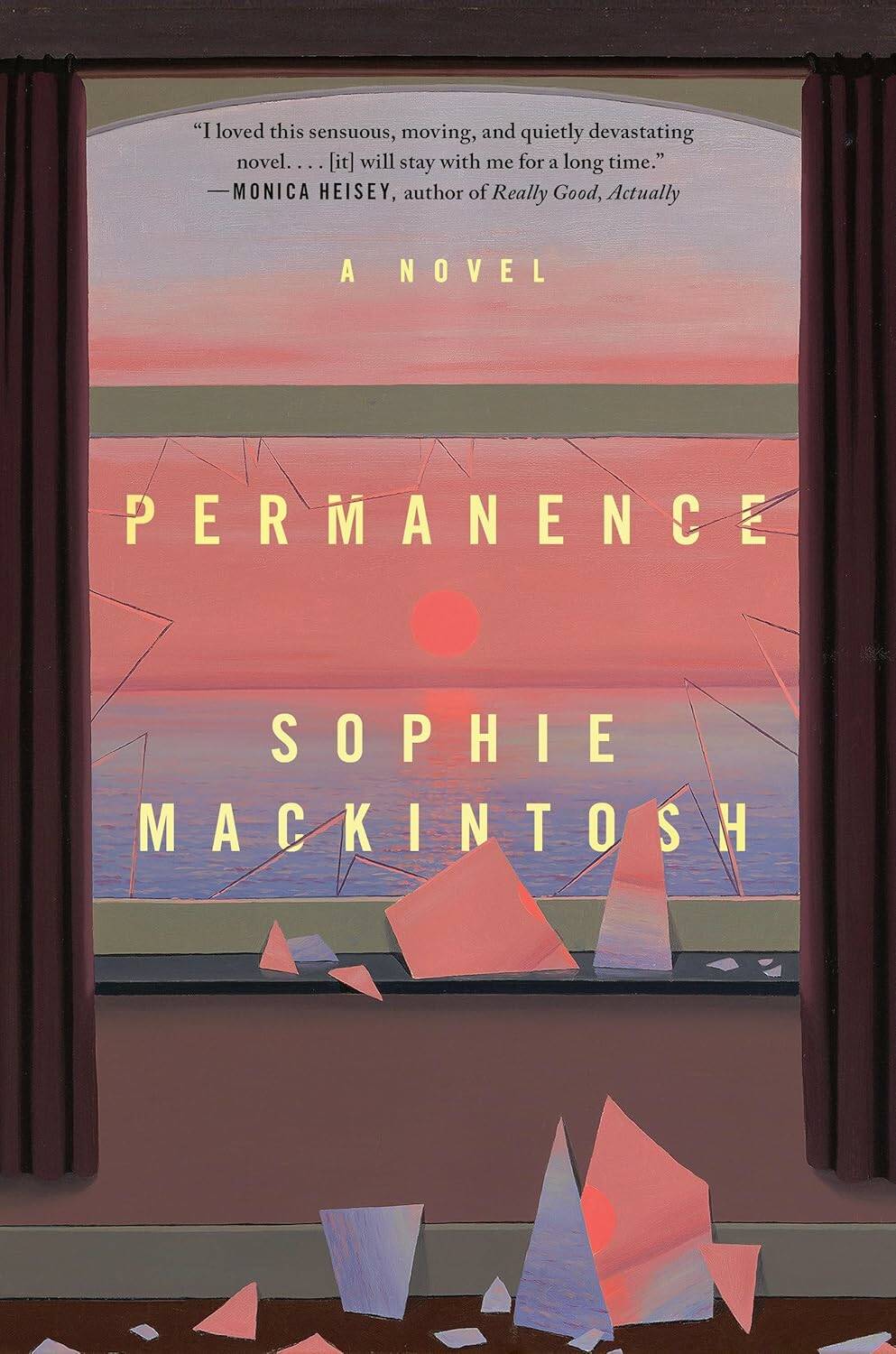
Permanence
When they are away from home, the pair has disagreements, but their love for each other prevails. The variety of feelings they have makes them regard the places they frequent as being in “the city of impermanence.”

Six chapters spread out through the novel, all called “Return,” present the return of Clara and Francis to their separate lives.
It’s rather ironic that this novel is called Permanence. Permanence is surely what they liked to get away from. It suggests boredom for a couple that yearns for variety, creative love-making and fulfilling wishes.
In many ways Mackintosh, author of three previous novels, seems anxious to avoid a plot that builds toward a climax and gives the protagonists contentment in the end.
Permanence playfully shows how life can vary over the years, how it might continue to delight and satisfy and disappoint Clara and Francis well into the future. All of which makes for an entertaining novel.
Dave Williamson is the Winnipeg author of six novels, a collection of short stories, a memoir, and two works of non-fiction.