‘Dumbfounded’: Winnipeg author challenges Ontario school division’s move to pull Indigenous fantasy novel

Advertisement
Read this article for free:
or
Already have an account? Log in here »
To continue reading, please subscribe:

Digital Subscription
One year of digital access for only $205*
- Enjoy unlimited reading on winnipegfreepress.com
- Read the E-Edition, our digital replica newspaper
- Access News Break, our award-winning app
- Play interactive puzzles
*First annual payment billed as $205.00 + GST for one year. This annual subscription will automatically renew at $233.00 + GST every 52 weeks (10% off the regular annual price of $259.35). Offer available to new and qualified returning subscribers only. Cancel any time.
To continue reading, please subscribe:
Add Free Press access to your Brandon Sun subscription for only an additional
$1 for the first 4 weeks*
- Enjoy unlimited reading on winnipegfreepress.com
- Read the E-Edition, our digital replica newspaper
- Access News Break, our award-winning app
- Play interactive puzzles
*Your next Brandon Sun subscription payment will increase by $1.00 and you will be charged $17.95 plus GST for four weeks. After four weeks, your payment will increase to $24.95 plus GST every four weeks.
Read unlimited articles for free today:
or
Already have an account? Log in here »
Hey there, time traveller!
This article was published 18/04/2022 (1626 days ago), so information in it may no longer be current.
An award-winning author from Winnipeg is challenging an Ontario school board’s decision to pull one of his Indigenous fantasy novels — a popular teaching resource among middle school educators in Manitoba — from its shelves.
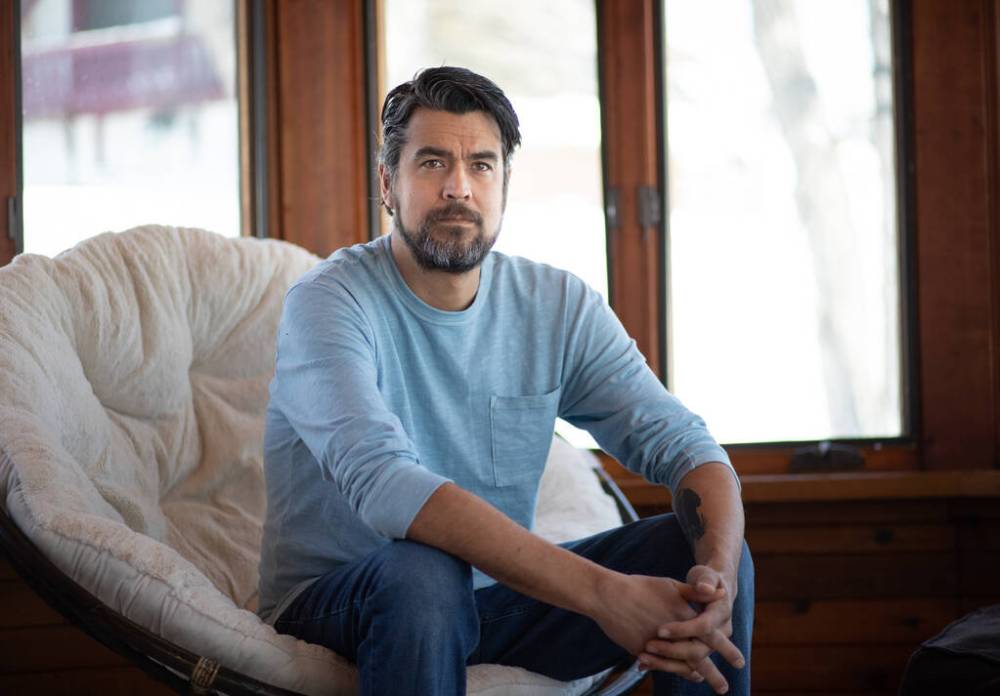
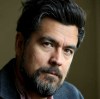
David Robertson, a Cree novelist and public speaker based in the Westwood neighbourhood, was recently tipped off about the Durham District School Board’s call to stop using his title, The Great Bear, in its classrooms located in Oshawa and other communities east of Toronto.
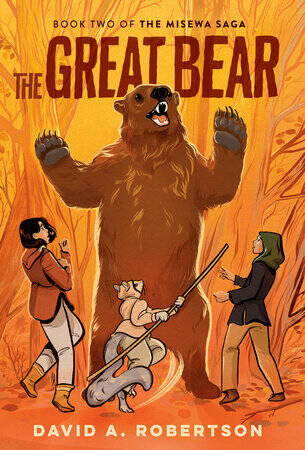
The young-adult book succeeds The Barren Grounds as the second in Robertson’s fantastical series, The Misewa Saga.
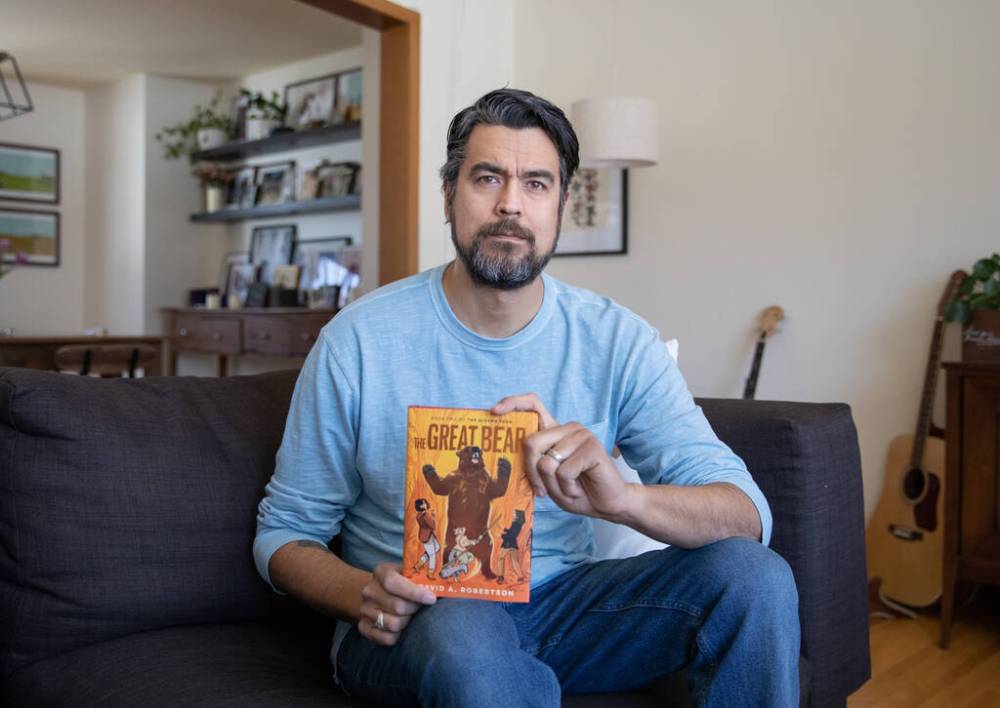
The Narnia-inspired novels detail the adventures of Indigenous children who discover a magical portal at their foster home. The opening leads into another world in which the Cree youth travel back in time to adventure and learn principles about their culture.
“I never would’ve expected a book like that to get pulled off shelves. I am just still completely beside myself about it,” Robertson told the Free Press on Monday.
Robertson said he obtained board correspondence that suggests his book was among several in question. The division memo indicates the reason: it contains “too much culture and ceremony,” while one part of it is “particularly harmful to Indigenous youth and families.”
The critiques have left both the author and his publisher “dumbfounded,” he said, adding he’s only ever received positive feedback on the first two books in the series. (The Stone Child is slated to be released in August.)
Teachers often relay positive messages from their students when contacting Robertson, he said, adding Indigenous fans disclose how empowering the saga is, given it highlights Cree culture and ongoing issues faced by First Nations people.
Noting his goal is exactly that: to empower Indigenous families, Robertson added the novels tackle universal themes such as climate change and anti-bullying.
He had not received a formal reply from the board about its decision, as of Monday.
Over the weekend, the board acknowledged it had “temporarily” removed The Great Bear from its library collection, pending a review. A division statement was published Saturday, several days after the Toronto Star first reported on the situation, and indicated leadership did not receive email queries from Penguin Random House because they were caught in a phishing filter.
“(DDSB) is committed to upholding Indigenous rights, including the self-determination of parents and families. We continue to engage with the local Indigenous community members who raised the initial concern about this book before sharing any more information publicly,” it states.
School board leaders did not respond to requests for comment Monday. Officials are expected to discuss the matter during a public meeting Tuesday.
At Winnipeg’s Bruce Middle School, grades 6 and 8 students are currently reading Robertson’s series.
Vice-principal April Waters said she was shocked to hear the sequel is off-limits in the Durham region.
The books are well-written and engaging to Indigenous and non-Indigenous audiences alike, while they provide positive First Nations representation in lessons and prompt critical discussions, said the Métis educator.
“If we’re really looking at the reconciliation process and what it looks like at the school level, it’s about sharing our stories and… not only having Indigenous kids seeing themselves in the books that we’re reading and the resources that we’re using, having our stories told and also told by us, but also having non-Indigenous kids learning because they haven’t been exposed to stuff,” Waters said.
Manitoba school boards typically rely on teachers to use their professional discretion to gauge grade appropriateness and introduce materials to students.
As far as Robertson is concerned, what is happening in Durham amounts to worrying censorship.
“I don’t really need an apology because an apology without action means nothing. What I want to see is a change in policy. I want to make sure that their vetting process, whatever it is, is transparent and consistent,” he said.

In an email, a spokesperson for Penguin Random House said the publisher cannot sit by idly at a time when it is grappling with past crimes against Indigenous people and working “to address them through actions aimed at getting to real truth and reconciliation.”
They added: “We are deeply concerned that students may not have access to The Great Bear in their schools.”
The title is currently on the Ontario Library Association’s Silver Birch Award short list as part of its Forest of Reading program, an initiative designed to promote a love of reading.
maggie.macintosh@freepress.mb.ca
Twitter: @macintoshmaggie
Maggie Macintosh reports on education for the Winnipeg Free Press. Funding for the Free Press education reporter comes from the Government of Canada through the Local Journalism Initiative.
Our newsroom depends on a growing audience of readers to power our journalism. If you are not a paid reader, please consider becoming a subscriber.
Our newsroom depends on its audience of readers to power our journalism. Thank you for your support.
Banning books stifles important classroom conversations
Posted:
Who decides what makes a book “harmful”?
Maggie Macintosh reports on education for the Winnipeg Free Press. Funding for the Free Press education reporter comes from the Government of Canada through the Local Journalism Initiative.
Our newsroom depends on a growing audience of readers to power our journalism. If you are not a paid reader, please consider becoming a subscriber.
Our newsroom depends on its audience of readers to power our journalism. Thank you for your support.
Related Articles
Banning books stifles important classroom conversations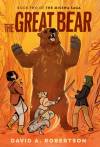

Advertisement Advertise With Us
Advertisement Advertise With Us