One weird city
Winnipeg's more obscure historical tidbits collected in entertaining volume
Advertisement
Read this article for free:
or
Already have an account? Log in here »
To continue reading, please subscribe:
Digital Subscription
One year of digital access for only $1.44 a week*
- Enjoy unlimited reading on winnipegfreepress.com
- Read the E-Edition, our digital replica newspaper
- Access News Break, our award-winning app
- Play interactive puzzles
*Billed as $5.77 plus GST every four weeks. After 52 weeks, price increases to the regular rate of $19.95 plus GST every four weeks. Offer available to new and qualified returning subscribers only. Cancel any time.
To continue reading, please subscribe:
Add Free Press access to your Brandon Sun subscription for only an additional
$1 for the first 4 weeks*
- Enjoy unlimited reading on winnipegfreepress.com
- Read the E-Edition, our digital replica newspaper
- Access News Break, our award-winning app
- Play interactive puzzles
*Your next Brandon Sun subscription payment will increase by $1.00 and you will be charged $17.95 plus GST for four weeks. After four weeks, your payment will increase to $24.95 plus GST every four weeks.
Read unlimited articles for free today:
or
Already have an account? Log in here »
Hey there, time traveller!
This article was published 30/01/2021 (2085 days ago), so information in it may no longer be current.
In his quirky compilation of “lesser known” histories, local journalist Darren Bernhardt offers some surprising glimpses of Winnipeg’s past.
In 17 short chapters, heavily illustrated with archival photos, Bernhardt tells tales of oddities not included in the typical history class. Structured chronologically, the book can be read cover to cover, or can be dipped into like a bag of assorted candy.
Filled with tangents and digressions, Bernhardt’s enthusiasm for local historical tidbits is contagious. Did you know, for example, that the original Budweiser Clydesdale horses came from Winnipeg? Or that Winnipeg had a mini-golf craze in 1931 started by a bootlegger? Or that a Winnipegger started the largest international organization of magicians? There is no end to the facts readers can pull out to entertain family and friends.
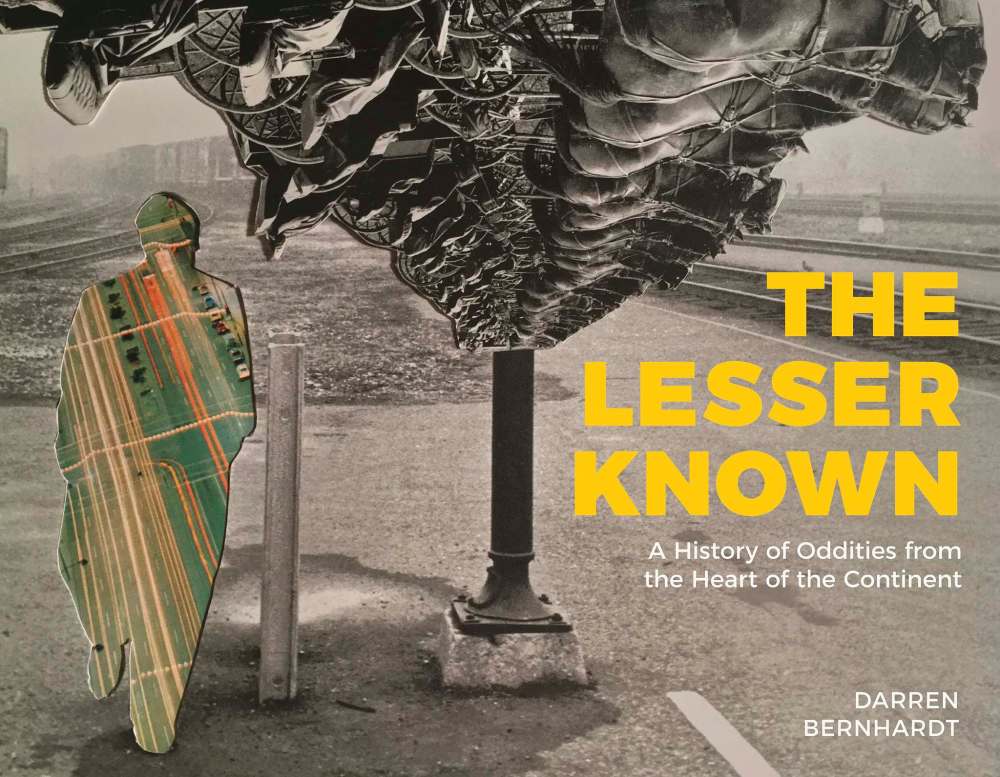
Enticingly designed by Relish Branding, The Lesser Known is a coffee table type of book, but in a smaller softcover format. Bernhardt’s prose is straightforward, with an occasional smattering of imagery and puns. His description of the Clydesdales’ hooves “as the size of frying pans” is vivid, but saying that some city councillors “pooh-poohed” public bathrooms is a definite groaner.
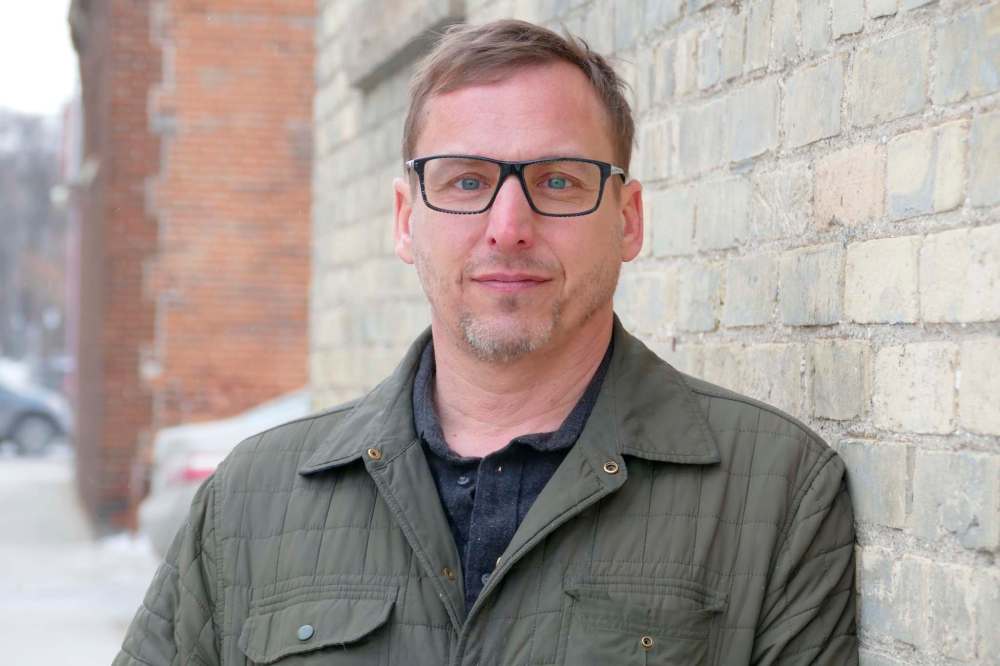
A CBC journalist who often writes about local history, The Lesser Known is Bernhardt’s first book. Most of the historical information he provides is pieced from secondary sources published on websites, with frequent credit going to the work of local history writer Christian Cassidy. Almost every page features a black-and-white photograph from one of the many archives located in the city, making use of the City of Winnipeg Archives, the Archives of Manitoba (and especially their Foote photograph collection), the Tribune collection at the University of Manitoba as well as smaller institutions such as the Transcona Museum and Archives.
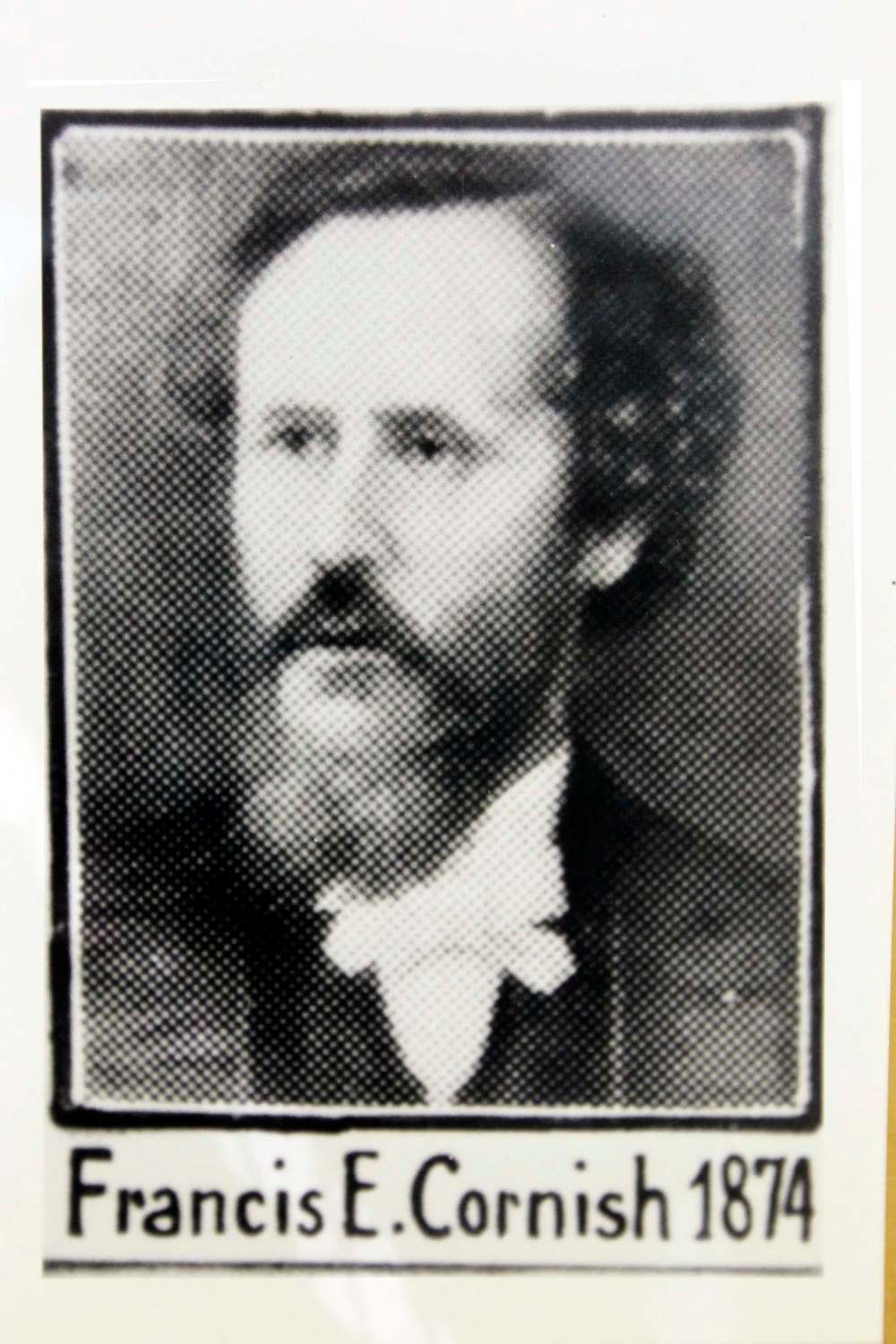
Bernhardt’s early chapters about Winnipeg’s colonial history look at many of the men such as Donald Smith, Col. Garnet Wolseley, Archibald McGillivray, Miles Macdonell and Francis Cornish, whose names are bestowed on our streets, libraries and schools. There’s a section on the election riots of 1872, in which newspaper offices were ransacked, Métis people assaulted and police tossed in their own jail, instigated by no other than Cornish, who didn’t like the way the polling results were shaping up. Cornish later became Winnipeg’s first mayor, and his name still marks a municipal library branch and street name.
While the focus of the book is on forgotten marvels, the lack of cultural diversity in the stories doesn’t do enough to capture Winnipeg’s identity as a cultural mosaic, or the Canadian city with the highest urban Indigenous population. The first several chapters show that effort was made to interweave First Nations and particularly Métis history in the origins of Winnipeg, but unfortunately mentions of Indigenous peoples gradually fall off.
Only one chapter is devoted to a person of colour, Black athlete John Armstrong Howard. A champion sprinter, the Winnipeg-born Howard was the first Black member of a Canadian Olympic team. Overt racism, however, undercut his performance in the Swedish Summer Olympics of 1912. His legacy lives on through his posthumous induction into the Manitoba Sports Hall of Fame in 2004, and the athletic feats and awards of his grandchildren Valerie and Harry Jerome.

Bernhardt anchors many of his stories with “clues in plain sight,” such as the perimeter wall that still outlines a section of the community centre near Confusion Corner. This wall was previously part of an award-winning civic park called Metro Plaza, designed by renowned local architect Étienne Gaboury. Built in 1966, the Brutalist-inspired concrete park was not appreciated by all, and was nicknamed “Cement Park” or the “Bear Pit” after its unfortunate resemblance to the cement bear enclosures formerly at the Assiniboine Park Zoo. The plaza, save for the perimeter wall and a larger sculptural element that is now the community centre’s sign remain, was razed by the city in 1987.
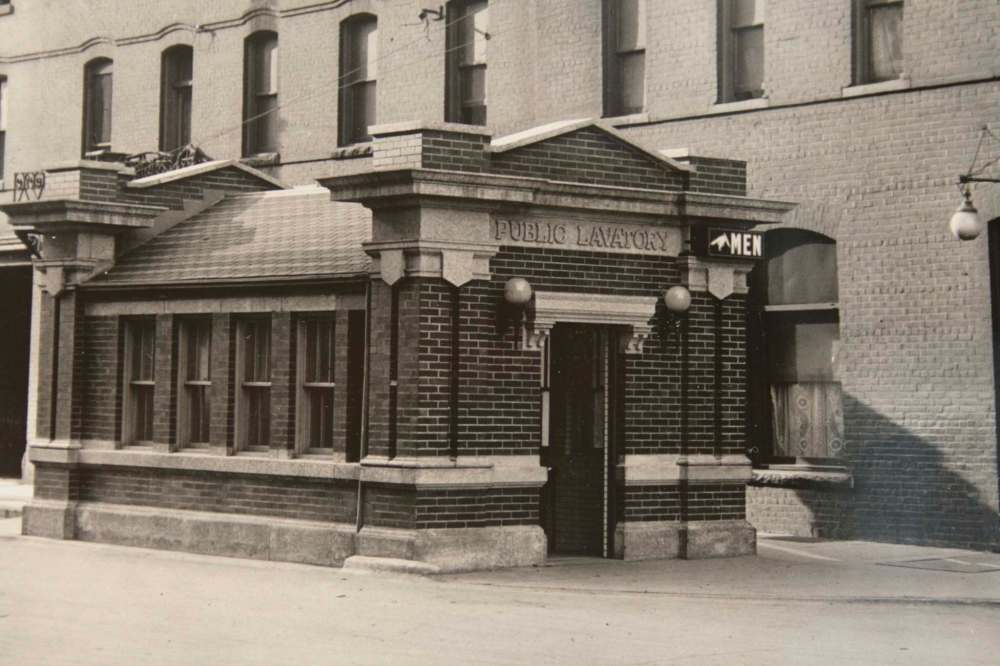
The two final chapters, on public bathrooms and public transportation, link the past with the present as they show the decades-long debates the city continues about providing these types of basic infrastructure for its citizens.
Entertaining and sometimes thought-provoking, Bernhardt’s histories add depth and vibrancy to how we see our city and the surrounding areas. It also serves as a timely reminder of the vast treasures to be mined in our archives.
Mary Horodyski is an archivist living in Winnipeg.
Book review
The Lesser Known:
A History of Oddities from the Heart of the Continent
By Darren Bernhardt
Great Plains Publications, 255 pages, $30
Related Articles
Manitoba's greatest architect dies at 92
Advertisement Advertise With Us
Advertisement Advertise With Us