Poetry over profit
Office politics, sibling rivalry plague lowly copy editor bent on saving valued verses
Advertisement
Read this article for free:
or
Already have an account? Log in here »
To continue reading, please subscribe:
Digital Subscription
One year of digital access for only $1.44 a week*
- Enjoy unlimited reading on winnipegfreepress.com
- Read the E-Edition, our digital replica newspaper
- Access News Break, our award-winning app
- Play interactive puzzles
*Billed as $5.77 plus GST every four weeks. After 52 weeks, price increases to the regular rate of $19.95 plus GST every four weeks. Offer available to new and qualified returning subscribers only. Cancel any time.
To continue reading, please subscribe:
Add Free Press access to your Brandon Sun subscription for only an additional
$1 for the first 4 weeks*
- Enjoy unlimited reading on winnipegfreepress.com
- Read the E-Edition, our digital replica newspaper
- Access News Break, our award-winning app
- Play interactive puzzles
*Your next Brandon Sun subscription payment will increase by $1.00 and you will be charged $17.95 plus GST for four weeks. After four weeks, your payment will increase to $24.95 plus GST every four weeks.
Read unlimited articles for free today:
or
Already have an account? Log in here »
“If poetry disappeared tomorrow, would the world end?”
This is one of the questions Bonnie Garmus’s latest novel Peck & Peck asks readers. Garmus returns with her trademark wit and larger-than-life characters in a novel that encourages self-belief, doing what you love and emphasizes the importance of the written word.
The American-born, U.K.-based Garmus is the bestselling author of the internationally recognized Lessons in Chemistry. That debut novel was named by New York Times readers as one of the 100 best books of the 21st century.
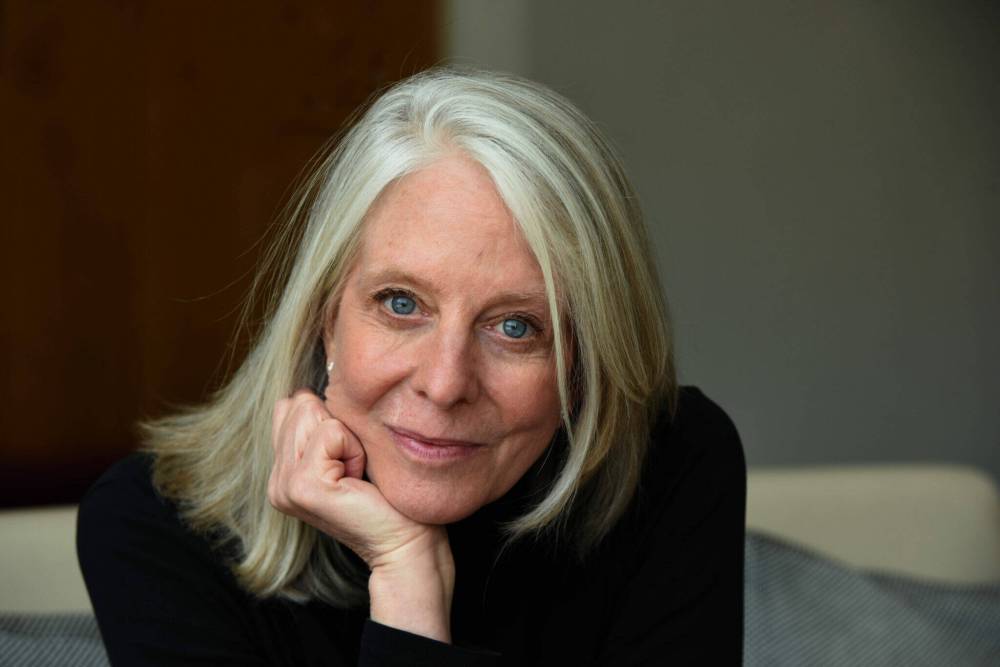
Moya Nolan photo
In her sophomore novel, American-born, U.K.-based Bonnie Garmus explores the importance of perseverance and the preservation of poetry.
Peculiarly named after his mother’s heroic dog, Batter Gray has spent most of his life trying to figure out where he belongs. Desperately trying to ignore that he has “an ear” for poetry, he finds himself unnaturally drawn to it, much to the disappointment of his friends and family. “There isn’t a parent alive who wants their kid to grow up and be a poet.”
While attending university and working a meaningless job, Batter is elated when he’s hired by his dream employer Peck & Peck, the foremost New York publisher of poetry. While the position of copy editor is not what he imagined (he’s literally in charge of photocopying), he soon realizes the job comes with more than he bargained for.
Batter becomes deeply entrenched in office politics and drama, finding himself in the middle of a family feud between twin brothers battling for control of the literary empire. Salton, the brother who currently presides over Peck & Peck, is a tyrant who seems intent on destroying the business and poetry in general.
“‘Salton,’ I said earnestly, ‘you can’t kill poetry.’ He laughed. ‘I admire your fake outrage Beater (sic),’ he said. ‘But what’s poetry ever done for either of us? Except,’ he said, waving Mira’s memo in the air, ‘cause endless pain and misery.’”
Declonius, the disgraced brother who was recently released from jail and exiled from Peck & Peck, puts Batter into a dangerous predicament when he asks for help in saving the magazine from his autocratic, unhinged twin.

While Salton tears through the office trying to get to the bottom of an internal betrayal, Batter attempts to save Peck & Peck from ruin while avoiding spiteful co-workers and pursuing a woman he can’t stop thinking about that he met at a poetry slam.
A last-ditch effort by Batter to save the poetry journal puts his career, and his reputation, on the line.
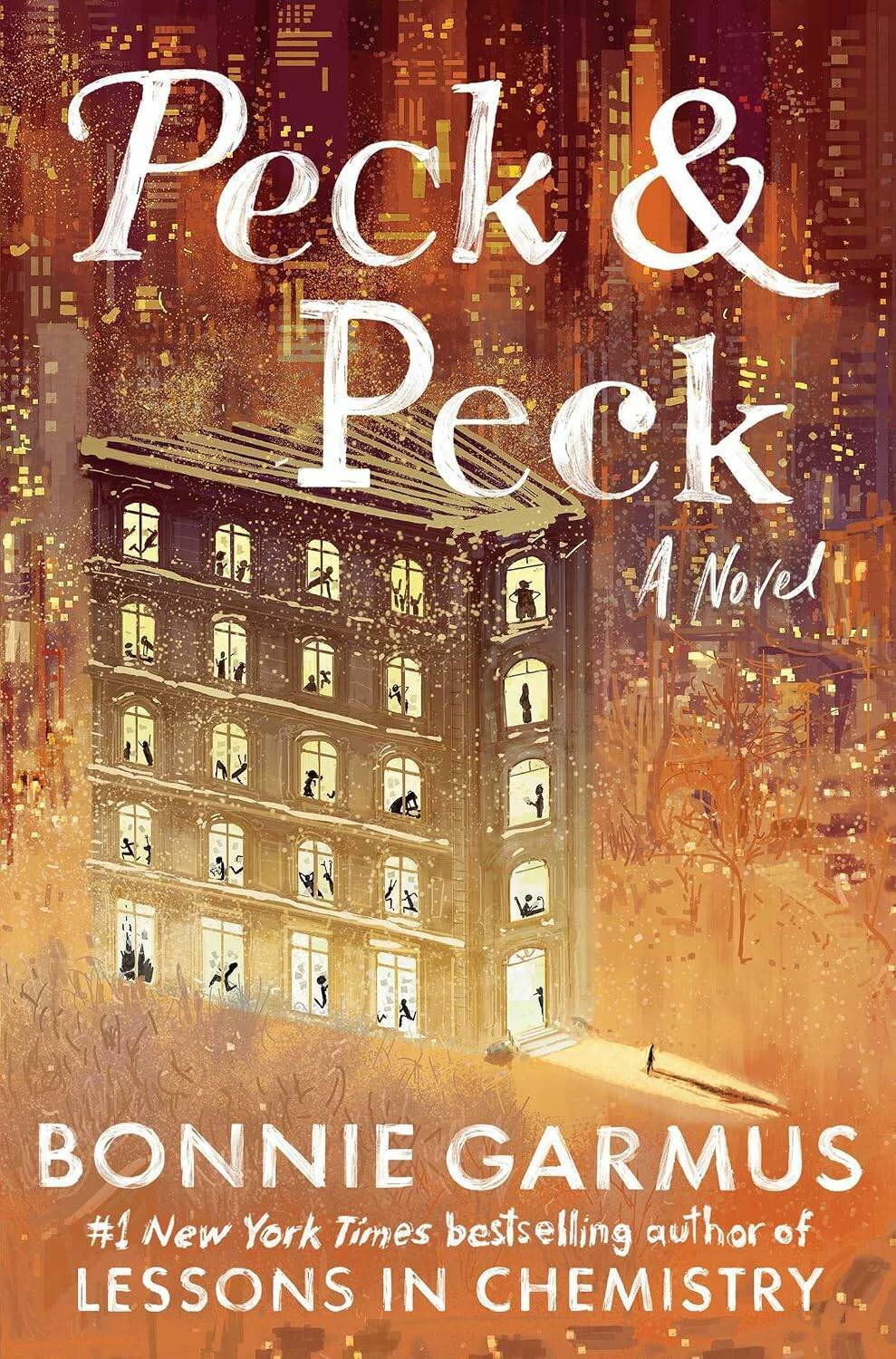
Peck & Peck
While entertaining, the story goes on a bit longer than it needs to, and the ending proves more complex and faceted than necessary. Clever, sardonic and at times unbelievable, Peck & Peck speaks to the importance of perseverance and the preservation of poetry.
“Poetry is problematic. First, it’s not easy. It forces you to think and sometimes thinking hurts,” Batter muses. “Also, poetry can make you feel stupid, like you don’t get it. And if you do get it, then it’s only because it just revealed something about yourself that you were hoping to keep hidden.”
Jenna Boholij is a Winnipeg writer with an affinity for nature and all things Icelandic. Her debut novel Lucid was published in 2024 by Dreamsphere Books; find her @jbird_photos.