

Progress, yes — but there’s still much to do
Advertisement
Read this article for free:
or
Already have an account? Log in here »
To continue reading, please subscribe:

Digital Subscription
One year of digital access for only $205*
- Enjoy unlimited reading on winnipegfreepress.com
- Read the E-Edition, our digital replica newspaper
- Access News Break, our award-winning app
- Play interactive puzzles
*First annual payment billed as $205.00 + GST for one year. This annual subscription will automatically renew at $233.00 + GST every 52 weeks (10% off the regular annual price of $259.35). Offer available to new and qualified returning subscribers only. Cancel any time.
To continue reading, please subscribe:
Add Free Press access to your Brandon Sun subscription for only an additional
$1 for the first 4 weeks*
- Enjoy unlimited reading on winnipegfreepress.com
- Read the E-Edition, our digital replica newspaper
- Access News Break, our award-winning app
- Play interactive puzzles
*Your next Brandon Sun subscription payment will increase by $1.00 and you will be charged $17.95 plus GST for four weeks. After four weeks, your payment will increase to $24.95 plus GST every four weeks.
Read unlimited articles for free today:
or
Already have an account? Log in here »
There is no shortage of reasons to be cynical about Winnipeg’s homelessness crisis.
The numbers are daunting. End Homelessness Winnipeg estimated that 8,248 people were homeless in March, including 4,463 who were chronically homeless.
Encampments remain visible across the city. The drug toxicity crisis continues to claim lives. Governments argue over who is responsible. Residents demand action.
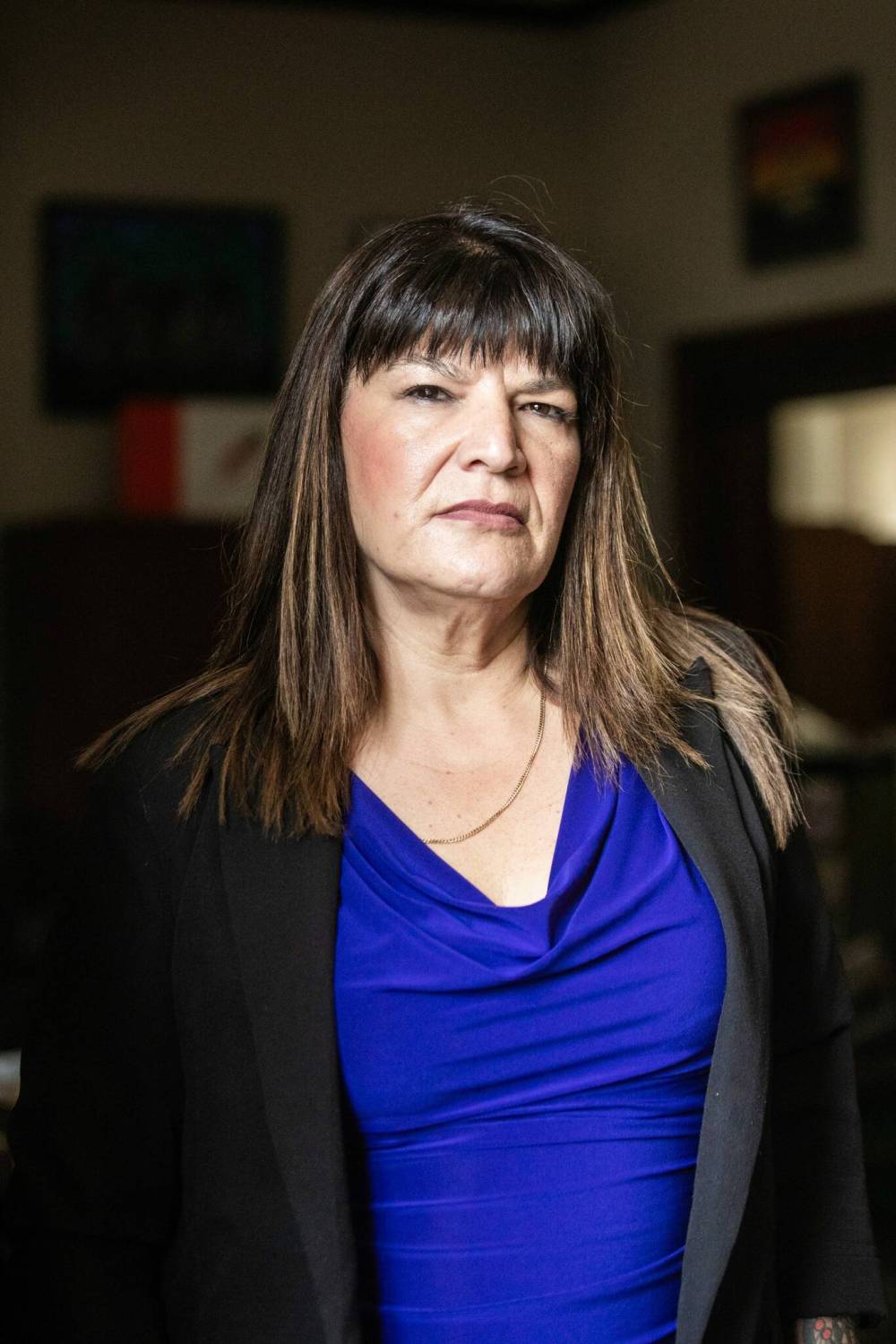
MIKAELA MACKENZIE / FREE PRESS
Housing, Addictions and Homelessness Minister Bernadette Smith
And people living on the streets remain caught in a cycle of poverty, addiction, trauma and inadequate housing.
Against that backdrop, it is important not to dismiss genuine progress.
Nearly 250 people have now moved from Winnipeg encampments into housing through the Manitoba government’s Your Way Home strategy. Of the 249 people housed since the program began in early 2025, 85 per cent — 211 people — remain housed.
The NDP government set a target of moving 350 people from encampments into housing during its first term, which ends in October 2027. It has already surpassed 70 per cent of that goal. If the government is re-elected, it hopes to house 700 people by the end of a second term.
Housing, Addictions and Homelessness Minister Bernadette Smith is right to emphasize that housing is the starting point, not the finish line. Many of the people being housed have been homeless for years.
Some have never had consistent access to primary health care. Others are struggling with addiction, mental-health challenges or trauma.
Putting someone into an apartment without providing the supports necessary to help them remain there is not a housing strategy. It is simply a temporary change of address.
The early results are encouraging. In one group of 26 people moved into the same building, 16 have chosen treatment and recovery. Others are working toward employment, reconnecting with their children or trying to stabilize their mental health.
That is what a serious response looks like: housing first, followed by the supports necessary to help people build a life.
But the government must also be candid about the enormous gap between the progress being made and the work that remains.
More than 100 people are reportedly waiting for housing units with appropriate supports. There are simply not enough of them.
And the province’s focus on encampments, while necessary, cannot obscure the broader reality of chronic homelessness affecting thousands of people.
The government’s critics are right about one thing: ending encampments is not the same as ending chronic homelessness. Nor does placing someone in a unit automatically resolve the circumstances that led them there.
Governments also need to stop treating housing, addictions, mental health and public safety as separate problems. They are deeply connected. The province’s planned supervised consumption site, expanded outreach, overdose response and treatment options are all pieces of the same puzzle.

So, too, is law enforcement. There should be no tolerance for criminal behaviour, as Smith says. But neither should people be criminalized simply for being poor, traumatized or addicted.
The government deserves credit for moving hundreds of people from encampments into housing and for ensuring most have remained there. That is a sign that progress is possible.
But 249 people housed is not a reason to declare victory. It is a reason to keep going.
Winnipeg’s homelessness crisis was years in the making. It will not be solved in a single mandate, or by one government acting alone. The province, city, health system, service providers and community organizations will all have to do more.
For now, the best measure of success is not whether governments can claim to have solved homelessness. It is whether they continue to move people from the streets into safe housing and whether they keep providing the support needed to ensure that housing becomes a home.