Heroes and villains

Pop music’s problematic relationship with Nazi imagery, fascist ideas explored in new account

Advertisement

Advertise with us

The Rolling Stones, David Bowie, Led Zeppelin, Motorhead, The Sex Pistols, Blondie, Pink Floyd and even John Lennon: all artists and bands in a postwar era that were infatuated with Nazi symbolism, esthetics, language and memorabilia. Jimmy Page of Led Zeppelin flaunted SS uniforms; John Lennon mimicked Adolf Hitler on stage and collected memorabilia; and Joy Division (and, later, New Order) derived their names from Nazi literature.

Read this article for free:


or

Already have an account? Log in here »

To continue reading, please subscribe:

Subscribe and receive a limited-edition Free Press branded hat or tote.

Digital Subscription

One year of digital access for only $205*

  • Enjoy unlimited reading on winnipegfreepress.com
  • Read the E-Edition, our digital replica newspaper
  • Access News Break, our award-winning app
  • Play interactive puzzles

*First annual payment billed as $205.00 + GST for one year. This annual subscription will automatically renew at $233.00 + GST every 52 weeks (10% off the regular annual price of $259.35). Offer available to new and qualified returning subscribers only. Cancel any time.

To continue reading, please subscribe:

Add Free Press access to your Brandon Sun subscription for only an additional

$1 for the first 4 weeks*

  • Enjoy unlimited reading on winnipegfreepress.com
  • Read the E-Edition, our digital replica newspaper
  • Access News Break, our award-winning app
  • Play interactive puzzles
Start now

*Your next Brandon Sun subscription payment will increase by $1.00 and you will be charged $17.95 plus GST for four weeks. After four weeks, your payment will increase to $24.95 plus GST every four weeks.

The Rolling Stones, David Bowie, Led Zeppelin, Motorhead, The Sex Pistols, Blondie, Pink Floyd and even John Lennon: all artists and bands in a postwar era that were infatuated with Nazi symbolism, esthetics, language and memorabilia. Jimmy Page of Led Zeppelin flaunted SS uniforms; John Lennon mimicked Adolf Hitler on stage and collected memorabilia; and Joy Division (and, later, New Order) derived their names from Nazi literature.

All of this happened in plain sight, with hardly a bark from the media. But why, and how? Why did these bands and musicians think brandishing swastikas on their arms, wearing Nazi uniforms or goose-stepping on stage yelling Nazi chants and commands were within the realm of decency? How did this level of blatant antisemitism go relatively unnoticed at the time, and why has there been virtual silence to this day?

These are the questions posed by Daniel Rachel, who in This Ain’t Rock ‘n’ Roll: Pop Music, the Swastika, and the Third Reich pulls apart several decades of obsession, flirtation and outright adoption of antisemitic tendencies of prominent artists in the 1960s, ’70s and ’80s. A former musician and author of several books on pop music, including Too Young Too Old: the 2 Tone Records Story and The Lost Album of the Beatles: What if the Beatles Hadn’t Split Up?, Rachel is also Jewish and committed to understanding how people could ever contemplate how revelling in totalitarianism, genocide and hate might be rock and roll, punk rock and sexy.

Supplied photo
                                Daniel Rachel

Supplied photo

Daniel Rachel

For Rachel, this history — a study of the human experience — is fundamentally a process for him to make sense of his infatuation with pop music, while juxtaposing it with the fact that many of his heroes were antisemitic: “This Ain’t Rock ‘n’ Roll is, in many ways, an attempt to reconcile my adolescent political awakening with my love of pop music.”

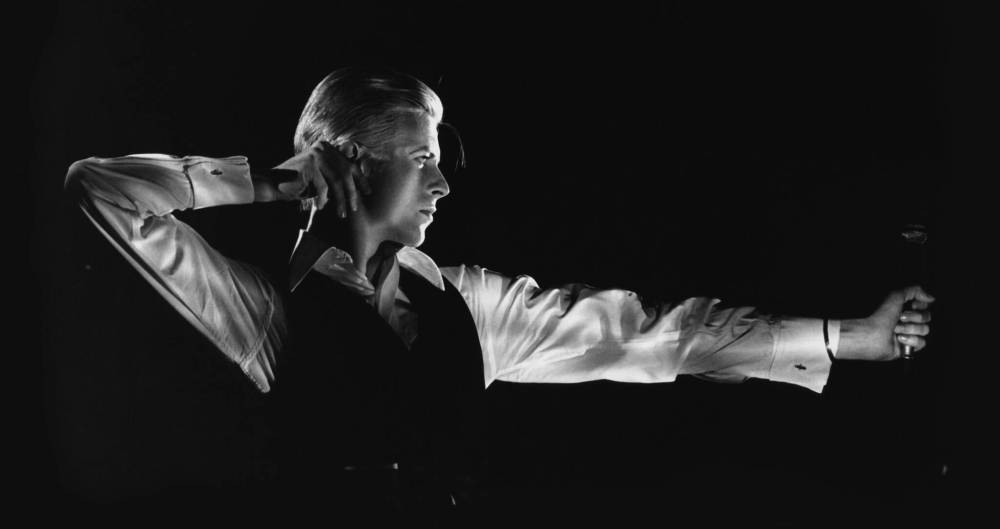
Incredibly researched and fascinating, Rachel fills a gap in the history of pop music that has been silent for decades. Given the level of antisemitism displayed by such prominent artists, including David Bowie’s perpetual desire to perform Nazi salutes on stage and his open support of fascist political parties, the author is perplexed as to how little mainstream and even pop media were alarmed by the behaviour. Mick Jones of the Rolling Stones and other artists were pictured on the front cover of magazines sporting Nazi uniforms with hardly a raised eyebrow.

For Rachel, his natural curiosity led him to conclude that “the notable absence of significant archival documentation underscores rock ‘n’ roll’s failure to confront the past.”

Were these acts of hate — that is, displaying Nazi symbolism and professing fascist propaganda while ignoring the six million Jews who were murdered — simply an adolescent and stupid act of rebellion of the establishment and/or a desire to level up one’s punkness? Both Rachel and Billy Bragg, who penned This Ain’t Rock ‘n’ Roll’s introduction, aren’t interested in letting people off the hook. Rather, the book professes to shed light on the era and society’s inability to call out these acts of antisemitism.

For Billy Bragg, the idiotic factor does not hold water. “Utilizing the darkest aspects of Nazism to confer an air of audacity and dispassion requires both poseur and admirer to share an understanding of the true meaning of the swastika,” he writes. “The thrill of pushing boundaries relies on everyone being aware of where the boundaries lie, and for Nazism, that place is the genocide of the Jewish population of Nazi-occupied Europe.”
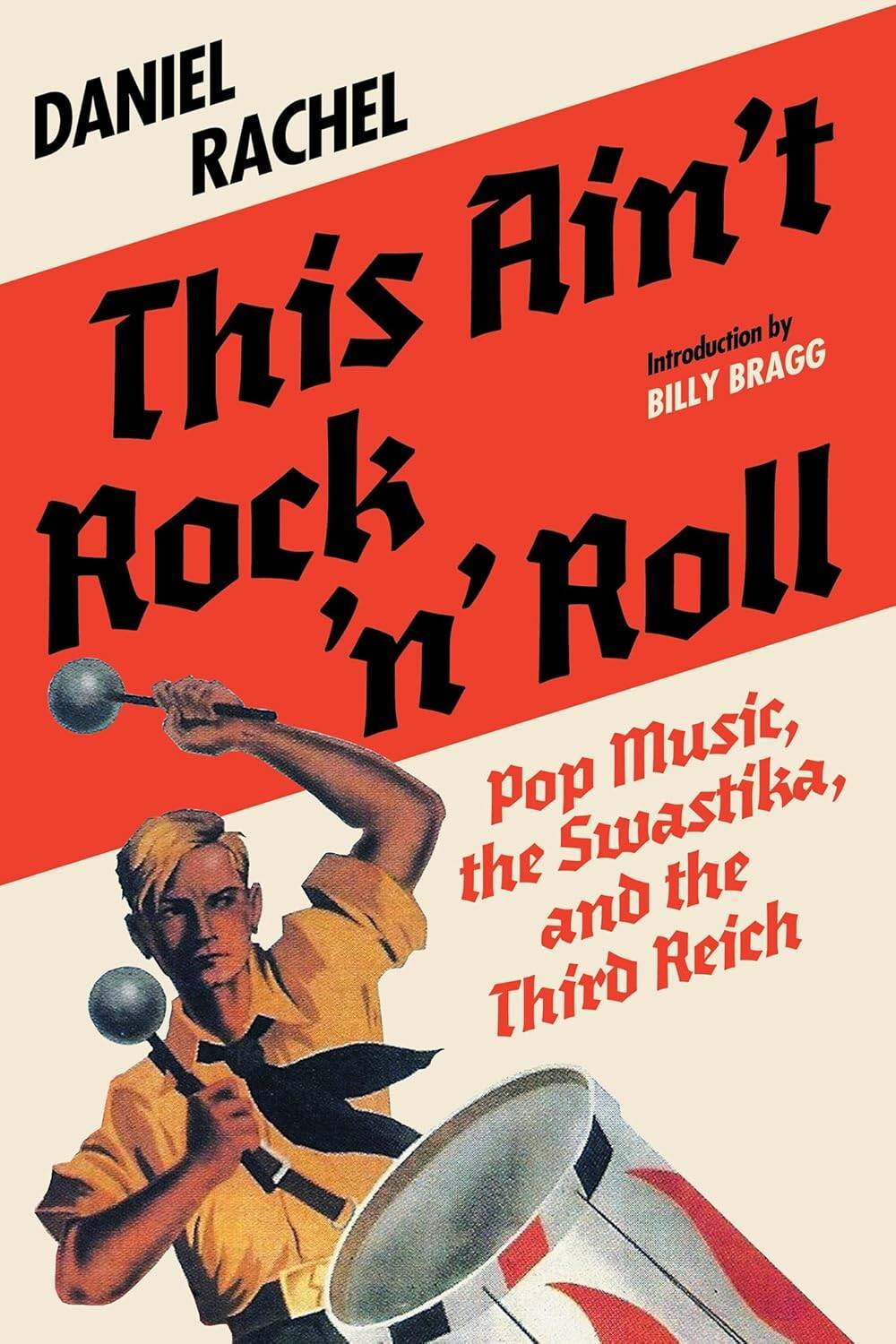
This Ain’t Rock ‘n’ Roll

This Ain’t Rock ‘n’ Roll

There existed — and exists — a deep literacy into the Third Reich, white supremacy and hate. People knew. People know. The audacity and flaunting of hate created the conditions for Eric Clapton, by way of example, to support anti-immigrant policies and even lead him to rant incoherently about as much on stage.

And, yes, the decades following the Second World War also brought resistance to racism in the form of Rock Against Racism and other publications. But as Rachel reports, very little energy or attention was spent on anti-semitic hate. As he argues, “The absence of such a reaction… suggests… that people simply don’t care.”

And it is this last sentiment that is of concern to the reader. In the present day, with the rise of antisemitism in the world, are we equipping ourselves and our young people to recognize it, call it out and take action? Do our children understand how fascist and totalitarian regimes are allowed to rise through complacency and complicity?

This Ain’t Rock ‘n’ Roll is a brilliant text and provocation — and a substantive exemplar of historical inquiry — that would serve our young people to help recognize these signs.

In an age where the dark shadows of fascism are becoming all too comfortable, a citizenry that is equipped to call out hate, ask deep questions and express curiosity about the “other” should be our collective goal.
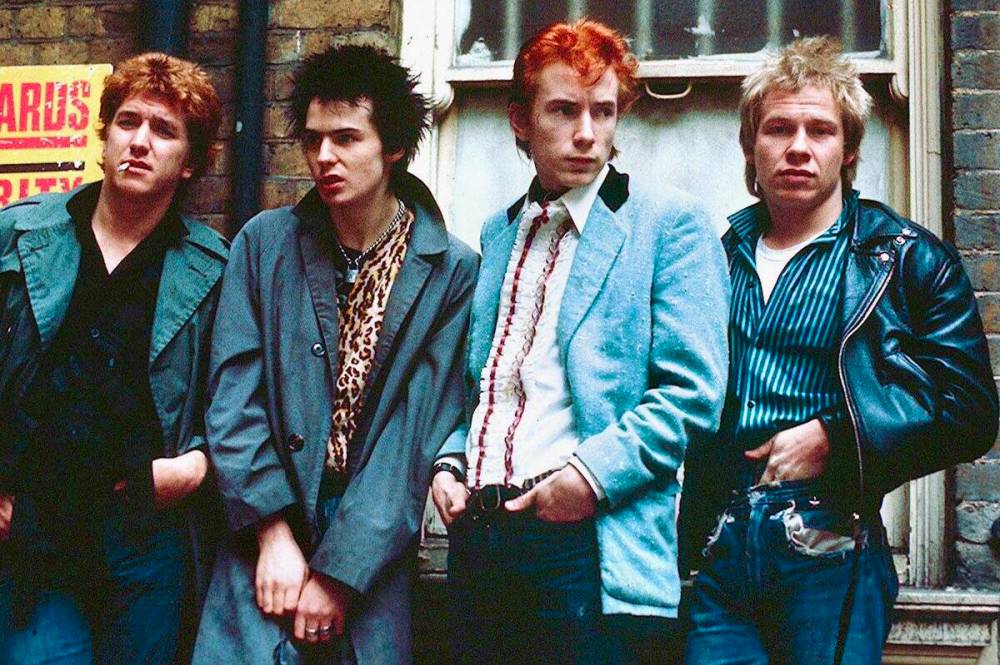
File photo
                                Sid Vicious (second from left) of the Sex Pistols (seen here in 1977) was photographed wearing clothes adorned with swastikas.

File photo

Sid Vicious (second from left) of the Sex Pistols (seen here in 1977) was photographed wearing clothes adorned with swastikas.

Matt Henderson is superintendent of the Winnipeg School Division.
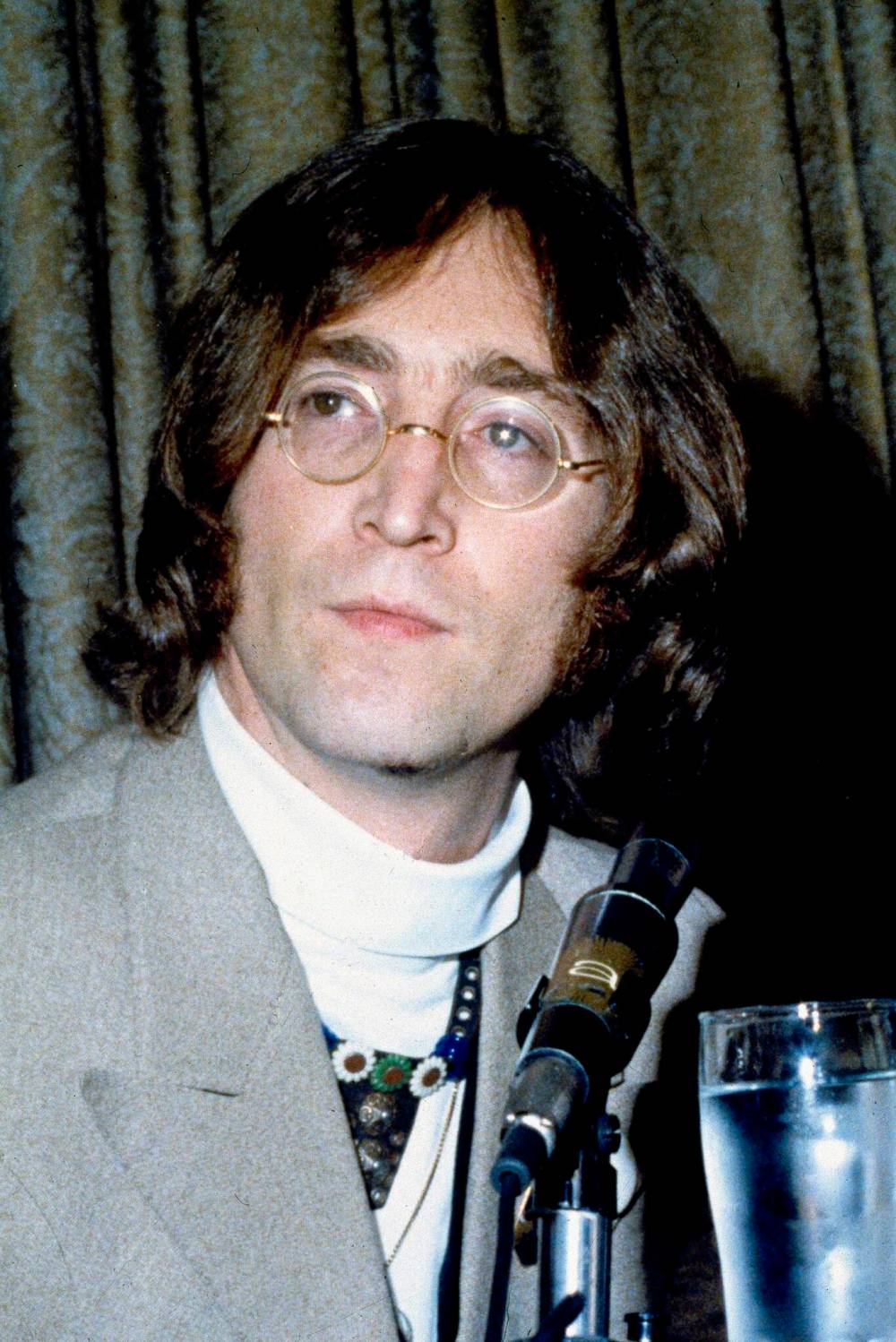
John Lindsay / Associated Press files
                                John Lennon, seen here in 1968, had a fascination with Nazis that started in his younger years.
John Lindsay / Associated Press files

John Lennon, seen here in 1968, had a fascination with Nazis that started in his younger years.

John Robert Rowlands / Associated Press files
                                In the mid-1970s, David Bowie (seen here in his Thin White Duke persona in 1976) performed Nazi salutes on stage and supported fascist political parties.

John Robert Rowlands / Associated Press files

In the mid-1970s, David Bowie (seen here in his Thin White Duke persona in 1976) performed Nazi salutes on stage and supported fascist political parties.
Report Error Submit a Tip

More Stories

Don’t deny kids a bedtime bond with Gran

Maureen Scurfield 5 minute read 2:00 AM CDT

DEAR MISS LONELYHEARTS: My mother is coming to visit and our little kids want her to sleep in their bedroom, where there’s a double bed and a single. My husband thinks this idea is ridiculous and says grandma needs her sleep, but I disagree.

I remember sleeping with my grandma — who’s now with the angels — and she told us grandkids (two girls) some wonderful bedtime stories she made up herself. She even put our names into them, making us the stars of the stories.

The best part was getting into our pyjamas with our grandmother, who showed us the magic cord from the little thing that ran from her near-deaf ear down to the secret battery pocket hidden in the bra of her slip. It made her hear us better in the daytime. We thought, “Wow!”

Not surprisingly my own mother has inherited her mom’s fantastic storytelling talent and who knows what else she has to teach the kids when she’s alone with them? I want them to be close.

Max Parrot lands bronze but actor-turned-snowboarder Su Yiming takes big air spotlight

Rosie DiManno - Star Columnist, Toronto Star 7 minute read Preview

Max Parrot lands bronze but actor-turned-snowboarder Su Yiming takes big air spotlight

Rosie DiManno - Star Columnist, Toronto Star 7 minute read Tuesday, Feb. 15, 2022

Su Yiming, a precocious Chinese teenager, truly exploded with supernova brilliance on Tuesday, writes Rosie DiManno.

Read
Tuesday, Feb. 15, 2022

Pop music’s problematic relationship with Nazi imagery, fascist ideas explored in new account

Reviewed by Matt Henderson 6 minute read Preview

Pop music’s problematic relationship with Nazi imagery, fascist ideas explored in new account

Reviewed by Matt Henderson 6 minute read Saturday, Mar. 28, 2026

The Rolling Stones, David Bowie, Led Zeppelin, Motorhead, The Sex Pistols, Blondie, Pink Floyd and even John Lennon: all artists and bands in a postwar era that were infatuated with Nazi symbolism, esthetics, language and memorabilia. Jimmy Page of Led Zeppelin flaunted SS uniforms; John Lennon mimicked Adolf Hitler on stage and collected memorabilia; and Joy Division (and, later, New Order) derived their names from Nazi literature.

All of this happened in plain sight, with hardly a bark from the media. But why, and how? Why did these bands and musicians think brandishing swastikas on their arms, wearing Nazi uniforms or goose-stepping on stage yelling Nazi chants and commands were within the realm of decency? How did this level of blatant antisemitism go relatively unnoticed at the time, and why has there been virtual silence to this day?

These are the questions posed by Daniel Rachel, who in This Ain’t Rock ‘n’ Roll: Pop Music, the Swastika, and the Third Reich pulls apart several decades of obsession, flirtation and outright adoption of antisemitic tendencies of prominent artists in the 1960s, ’70s and ’80s. A former musician and author of several books on pop music, including Too Young Too Old: the 2 Tone Records Story and The Lost Album of the Beatles: What if the Beatles Hadn’t Split Up?, Rachel is also Jewish and committed to understanding how people could ever contemplate how revelling in totalitarianism, genocide and hate might be rock and roll, punk rock and sexy.

For Rachel, this history — a study of the human experience — is fundamentally a process for him to make sense of his infatuation with pop music, while juxtaposing it with the fact that many of his heroes were antisemitic: “This Ain’t Rock ‘n’ Roll is, in many ways, an attempt to reconcile my adolescent political awakening with my love of pop music.”

Read
Saturday, Mar. 28, 2026

Port of Churchill expansion could chase belugas away, U of M researcher says

Nicole Buffie 4 minute read Preview

Port of Churchill expansion could chase belugas away, U of M researcher says

Nicole Buffie 4 minute read Yesterday at 9:07 AM CDT

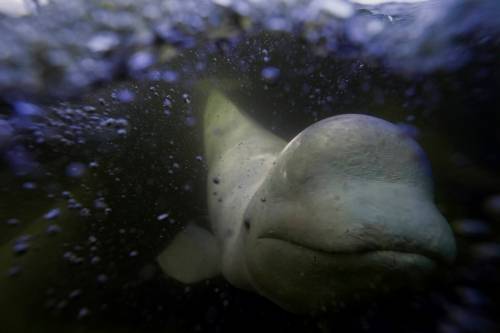
As plans to expand the Port of Churchill into a four-season trade corridor gathers momentum, a University of Manitoba researcher has published a report on what ship traffic could mean for the beluga whales that gather in the Churchill River estuary each summer.

Veronica Coppolaro said more vessels in the waterways bring a risk that belugas will stop using the estuary for migration, which would impact the ecological landscape, tourism and communities that rely on the animals for food and cultural purposes.

“There are studies showing that (noises) change the way they swim, they change the way (the whales) are vocalizing, they change their main activity, and so this (expansion) can have consequences at different levels,” she said.

The Churchill river estuary is a marine habitat where the Churchill River empties into Hudson Bay. During the summer months belugas gather in the area to feed and give birth.

Read
Yesterday at 9:07 AM CDT

Convicted mail bomber loses parole-denial appeal

Tyler Searle 4 minute read Preview

Convicted mail bomber loses parole-denial appeal

Tyler Searle 4 minute read Thursday, Apr. 2, 2026

Convicted mail bomber Guido Amsel has lost his fight for full parole, after his appeal for release was shot down by the Parole Board of Canada.

In 2018, Amsel received a life sentence with no chance of parole for 10 years for the attempted murders of his ex-wife Iris Amsel and lawyers Maria Mitousis and George Orle in 2015 by mailing explosives to them. One of the bombs, placed inside a hand-held tape recorder with instructions to press the “play” button, exploded in Mitousis’s office, resulting in the loss of her right hand.

He was also sentenced to 12 years minus time served for an earlier attempt to murder his ex-wife in 2013.

He was 59 years old in August, when he appeared before the board to argue for full parole. Had it been granted, he would have been released from federal custody and deported to Germany, where he was born and lived for decades.

Read
Thursday, Apr. 2, 2026

250 years ago Thomas Jefferson and the American Declaration of Independence

Allan Levine 5 minute read Preview

250 years ago Thomas Jefferson and the American Declaration of Independence

Allan Levine 5 minute read Saturday, Jul. 4, 2026

In the 16th and 17th centuries, countries and territories such as the Netherlands and Portugal boldly declared their independence from Spain. But 250 years ago, on July 4, 1776, the American Declaration of Independence — marked in the U.S. by the semiquincentennial celebrations — was the first time an overseas colony (the 13 colonies, in this case) had set out in an official document its reasons for breaking away from its mother country.

Because the Declaration ultimately gave birth to the United States, it is considered one of the greatest of historical treatises. Thomas Jefferson, its primary author, later explained that his main aim was “not to find out new principles, or new arguments, never before thought of … but to place before mankind the common sense of the subject; in terms so plain and firm as to command their assent.”

He did so brilliantly, creating, in theory at least, an enlightened argument for American independence based on the political, economic, social and philosophical thinking of the era.

Influenced by such philosophers as John Locke and Montesquieu, Jefferson, then 33 years old, a lawyer, landowner, Virginia politician and a delegate to the Second Continental Congress which met in Philadelphia, passionately believed in natural law — that all human beings were born free and equal and that no king or ruler could abolish these rights. It was a key point he made in the Declaration’s well-known preamble.

Read
Saturday, Jul. 4, 2026