

Unparalleled Peru
A feast for all the senses in South America’s diverse gem
Advertisement
Read this article for free:
or
Already have an account? Log in here »
To continue reading, please subscribe:
Monthly Digital Subscription
$1 per week for 24 weeks*
- Enjoy unlimited reading on winnipegfreepress.com
- Read the E-Edition, our digital replica newspaper
- Access News Break, our award-winning app
- Play interactive puzzles
*Billed as $4.00 plus GST every four weeks. After 24 weeks, price increases to the regular rate of $19.95 plus GST every four weeks. Offer available to new and qualified returning subscribers only. Cancel any time.
Monthly Digital Subscription
$4.99/week*
- Enjoy unlimited reading on winnipegfreepress.com
- Read the E-Edition, our digital replica newspaper
- Access News Break, our award-winning app
- Play interactive puzzles
*Billed as $19.95 plus GST every four weeks. Cancel any time.
To continue reading, please subscribe:
Add Free Press access to your Brandon Sun subscription for only an additional
$1 for the first 4 weeks*
*Your next subscription payment will increase by $1.00 and you will be charged $16.99 plus GST for four weeks. After four weeks, your payment will increase to $23.99 plus GST every four weeks.
Read unlimited articles for free today:
or
Already have an account? Log in here »
I knew nothing of Peru before my November trip to this South American country that sits on the western edge of the continent. What I discovered was a place that’s knee-deep in all the things I love about travel: inspiring landscapes, cultures as diverse as those landscapes and of course, a cuisine scene that’s endlessly delicious. Come along to Peru!
Spectacular rainforest light
My adventure started as soon as I landed in Lima, which happens to be in the same time zone as Toronto and a direct overnighter from there. Destination: Puerto Maldonado, a city in the southeastern corner of the country and gateway to the Amazon rainforest. From the flight, it was on to a boat on the Tambopata River for a stay at Posada Amazonas Lodge, one of three of Rainforest Expeditions’ family of accommodations.
Shel Zolkewich / Free Press
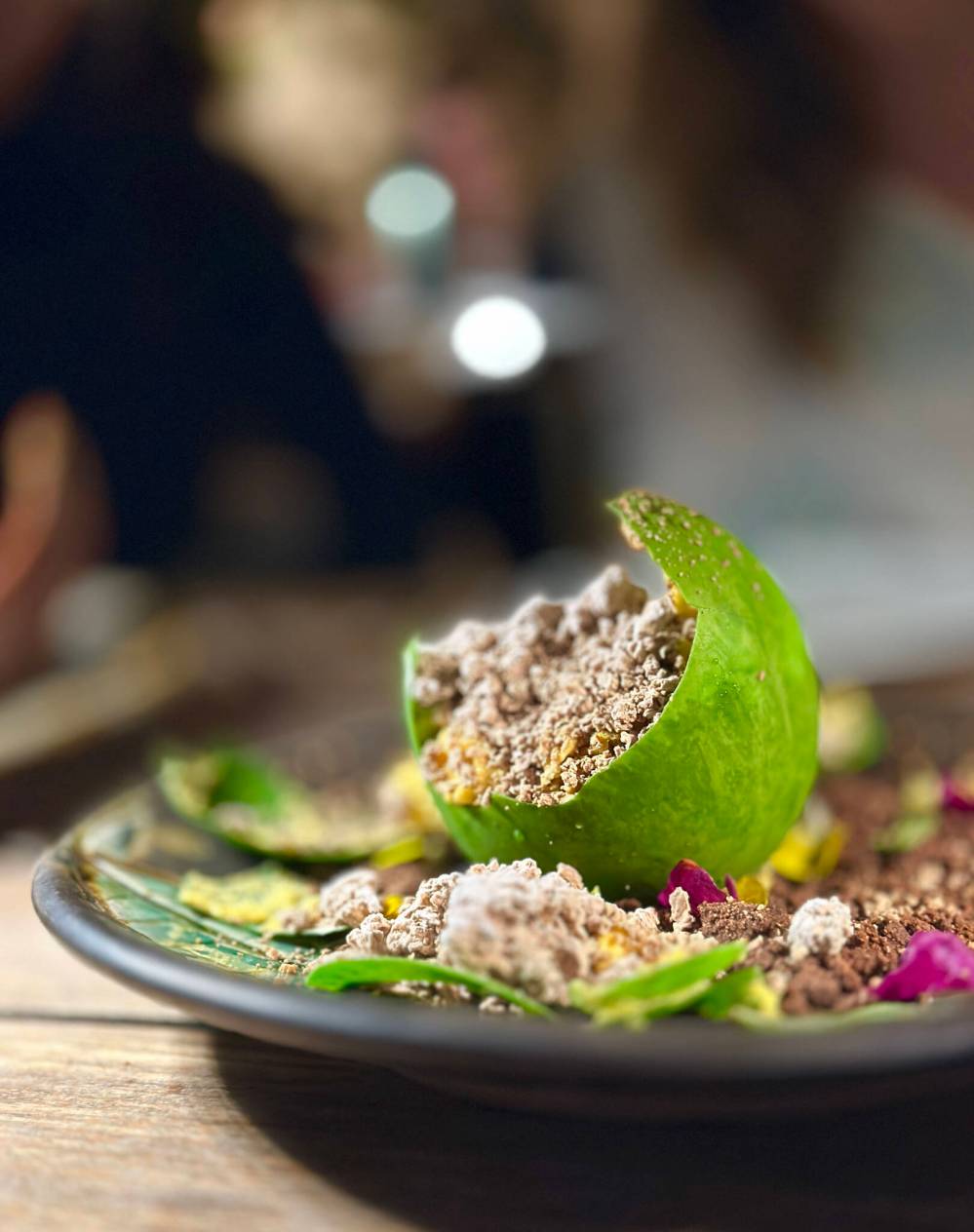
As beautiful as it is delicious, La Lucuma is one of Astrid y Gastón’s signature desserts. The restaurant is on of Lima’s best and the lucuma, which tastes a bit like maple syrup. is a fruit from the Andean valleys of Peru.
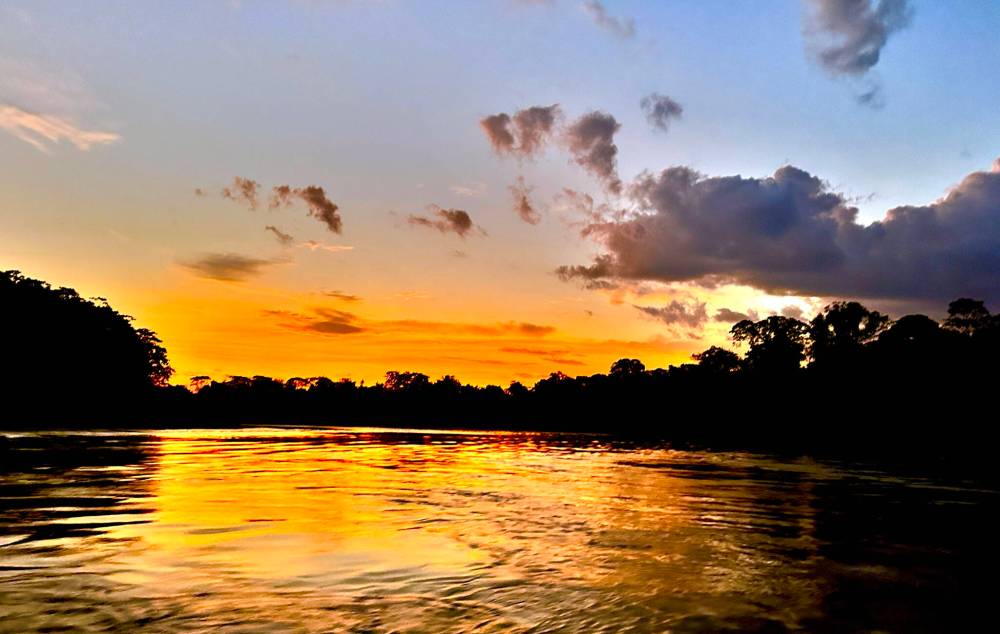
Time spent in the Peruvian Amazon rainforest is everything your imagination conjures — distant calls of exotic birds, oversized leaves dripping with moisture and an explosion of life on the forest floor. While life is in overdrive 24 hours a day here, it’s at sundown when magic truly takes over. Last light filters through the trees, creating a glow that makes all that lush greenery dance with a touch of gold. It’s a photographer’s dream, complete with sunsets over the river that compete with the best in the world.
Posada Amazonas Lodge is owned by the Ese Eja people, an Indigenous group that makes its home at Infierno, a community along the Tambopata River. All staff and guides are local, and their knowledge is a highlight of a stay in the rainforest. In 1976, the Peruvian government recognized the community and granted them 10,000 hectares of land. Each family was given a plot of farmland to promote prosperity and on my stay, I hopped across the river to visit Graciela and Hector’s farm where they grow papaya, mango, pineapple, yucca and bananas.
Strong Asian influence in Lima
Back in Lima and excited to dive into the city’s food culture, I began to notice a distinct presence of dishes that carried Asian influences. Stir-fries, rice dishes and rolls were everywhere, but they weren’t authentic Chinese or Japanese treats — they were a little different.
Research revealed that the country has a significant Asian history because of immigration that started in the mid-1800s. Chinese labourers arrived first followed by Japanese workers for sugar plantations, railroads, cotton farms and mines. Today, it’s estimated that as many as 10 per cent of Peruvians have Asian ancestry.
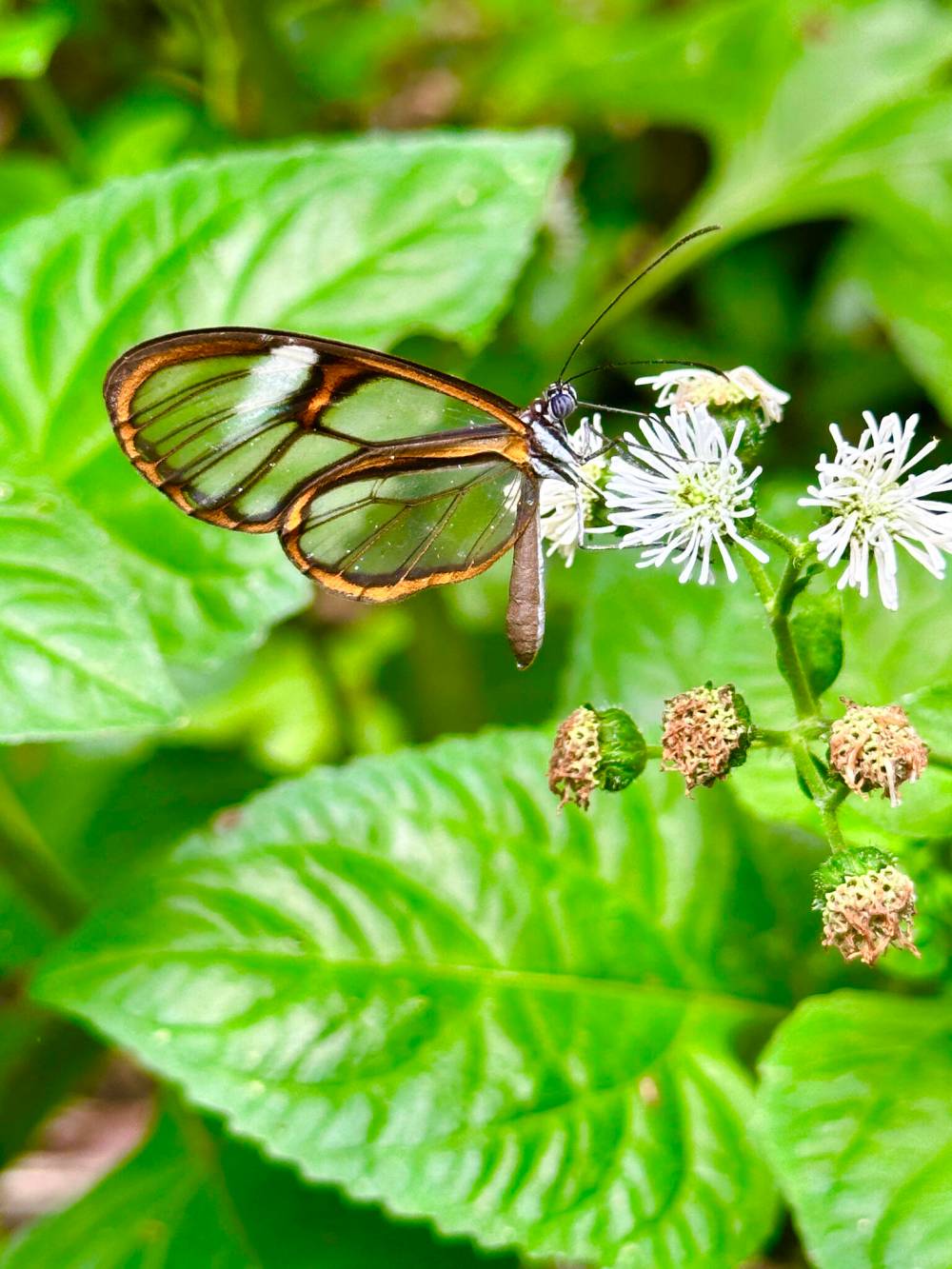
The Peruvian Amazon rainforest is home to a diverse collection of plants, animals, fish and insects, including this beautiful Greta oto butterfly, also known as the glasswing.
I quickly fell in love with lomo saltado, a hearty beef stir-fry that’s a mainstay of chifa cuisine (the combination of Chinese and Peruvian ingredients). Marinating beef, onions and tomatoes are sautéed over high heat, yielding a slight smoky flavour, and the ají amarillo paste (a yellow chili pepper) give it a sweet kick. Best of all, it’s served with two starches — fries and white rice — to soak up every bit of that delicious sauce.
One of the best places to explore the food is at Peru Mucho Gusto, a massive culinary fair that happens in late-October in Lima. Here, vendors offer tastes from coastal, highland and fusion cuisines in a lively festival that includes entertainment, a market, plenty of variations of pisco sours (Peru’s national drink) and even an entire pavilion dedicated to bread!
Why Peruvian ceviche tops Mexico’s
I love Mexico and all its glorious food. But given a choice, I’d pick Peruvian ceviche over the Mexican version every time. Ceviche is a dish of fish or seafood that’s “cooked” in lime juice, rendering the key ingredients firm and opaque. In Mexico, tomatoes, cucumbers, cilantro and avocado are almost always in the dish served with crunchy tortilla chips. I truly love it. Then I discovered Peruvian ceviche.
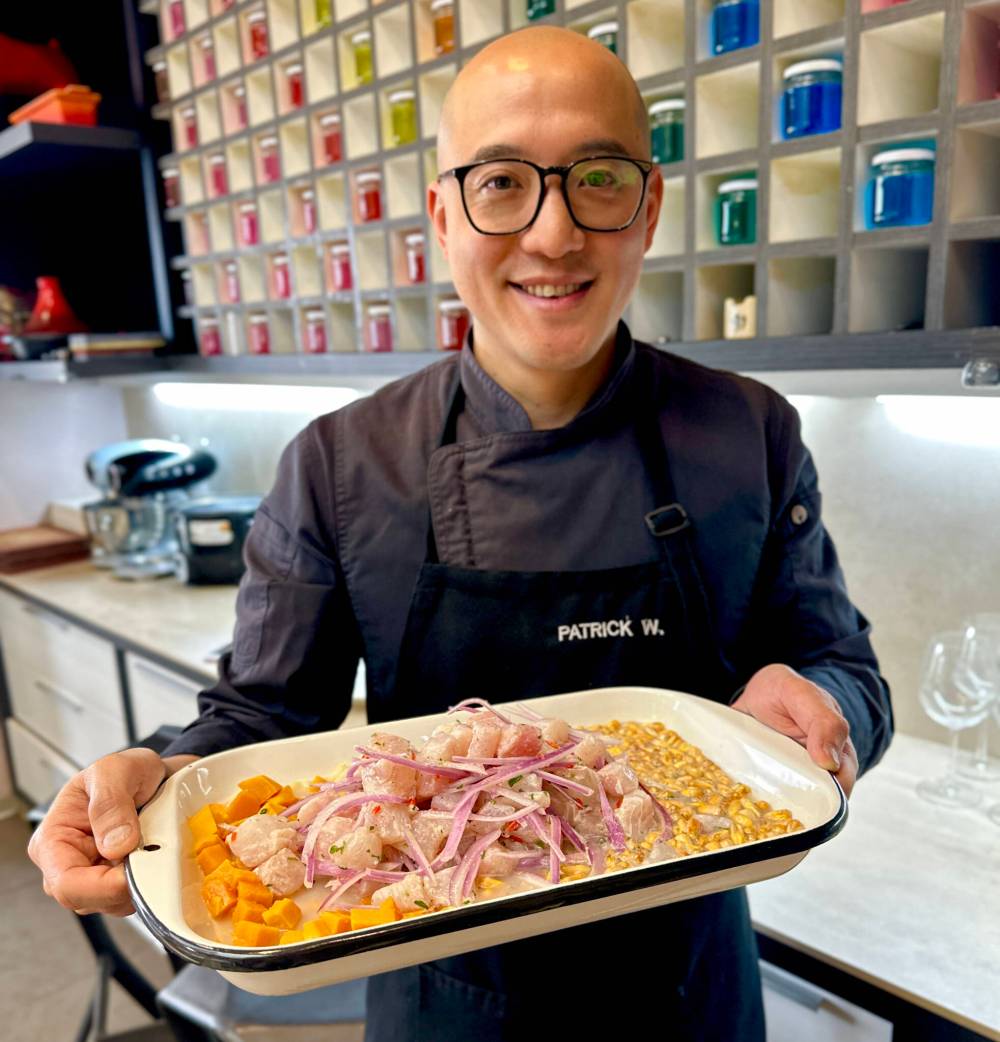
Urban Kitchen in Lima is a hands-on cooking experience where I got to make my own ceviche after indulging in it at restaurants, food stands and fairs all over Lima. Key ingredients are fresh, firm white fish cut into large chunks and a concoction called tiger milk that blends lime juice, chilis, coriander, ginger, onion, garlic, salt and a touch of fish stock. The fish is marinated for only a few minutes and served with Peruvian corn called choclo, boiled sweet potatoes and thinly sliced red onion. It’s hearty and light all at once, and it’s Peru’s national dish, so it’s not to be missed.
Shel Zolkewich / Free Press
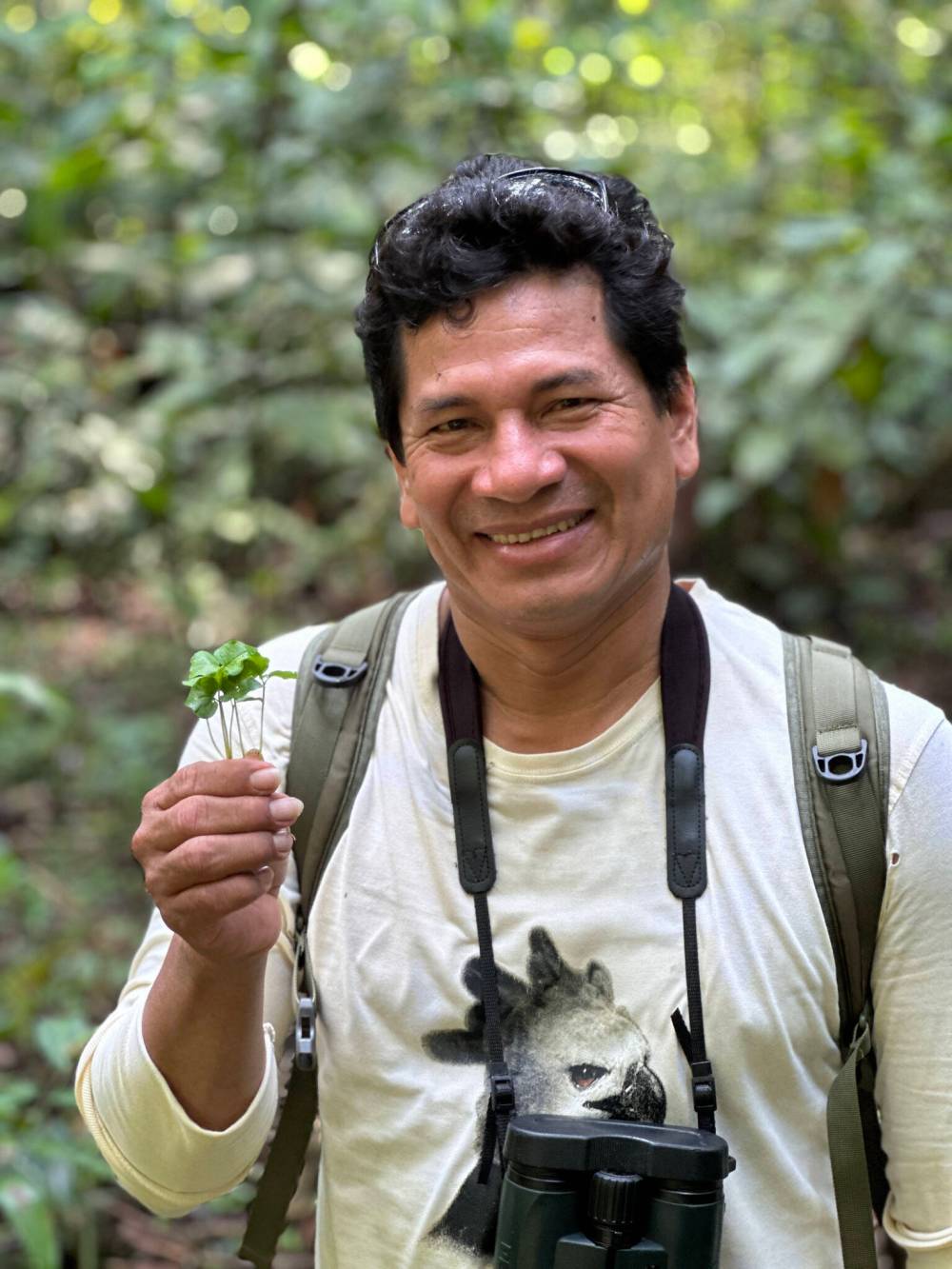
My stay at Posada Amazonas Lodge included a morning walk through the medicinal plants trail with Rodolfo Pesha, member of the Ese Eja Indigenous community of Infierno who shared his lifelong knowledge of the healing plants of the region.
Getting there

Air Transat flies direct from Toronto to Lima on an eight-hour, direct overnight flight.
The official currency of Peru is the Peruvian Sol (PEN).
The population of Peru is 34 million, with 11 million people living in Lima.
If you’re planning a trip into the rainforest, you’ll need to check on vaccinations and take precautions for altitude sickness.
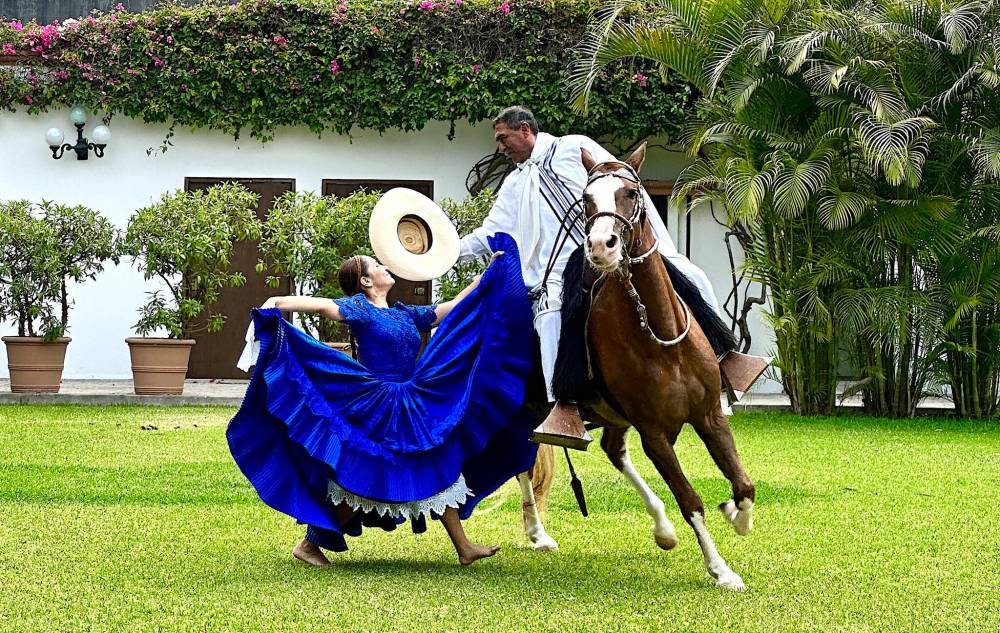
A visit to Casa Hacienda Los Ficus includes a history of Peru’s Paso horses, a music and dance show, plus a farm-to-table lunch with pisco sours.
shel@shelzolkewich.com
Photos by Shel Zolkewich / Free Press
Sunset on the Tambopata River is not to be missed. A stay at Posada Amazonas Lodge by Rainforest Expeditions includes a serene boat trip at sundown complete with a toast to the setting sun.
Photos by Shel Zolkewich / Free Press
Chef Michael of Urban Kitchen in Lima shows off a dish of Peruvian ceviche served with boiled sweet potatoes and corn called choclo.