Gen Z, millennials speak out on reluctance to become parents
Advertisement
Read this article for free:
or
Already have an account? Log in here »
To continue reading, please subscribe:

Digital Subscription
One year of digital access for only $205*
- Enjoy unlimited reading on winnipegfreepress.com
- Read the E-Edition, our digital replica newspaper
- Access News Break, our award-winning app
- Play interactive puzzles
*First annual payment billed as $205.00 + GST for one year. This annual subscription will automatically renew at $233.00 + GST every 52 weeks (10% off the regular annual price of $259.35). Offer available to new and qualified returning subscribers only. Cancel any time.
To continue reading, please subscribe:
Add Free Press access to your Brandon Sun subscription for only an additional
$1 for the first 4 weeks*
- Enjoy unlimited reading on winnipegfreepress.com
- Read the E-Edition, our digital replica newspaper
- Access News Break, our award-winning app
- Play interactive puzzles
*Your next Brandon Sun subscription payment will increase by $1.00 and you will be charged $17.95 plus GST for four weeks. After four weeks, your payment will increase to $24.95 plus GST every four weeks.
Read unlimited articles for free today:
or
Already have an account? Log in here »
Hey there, time traveller!
This article was published 30/08/2022 (1496 days ago), so information in it may no longer be current.
NEW YORK (AP) — At 24, El Johnson has made up her mind that she won’t bear children, though she and her girlfriend haven’t ruled out adoption.
The graduate student who works in legal services in Austin, Texas, has a list of reasons for not wanting to give birth: the climate crisis and a genetic health condition among them.
“I don’t think it’s responsible to bring children into this world,” Johnson said. “There are already kids who need homes. I don’t know what kind of world it’s going to be in 20, 30, 40 years.”
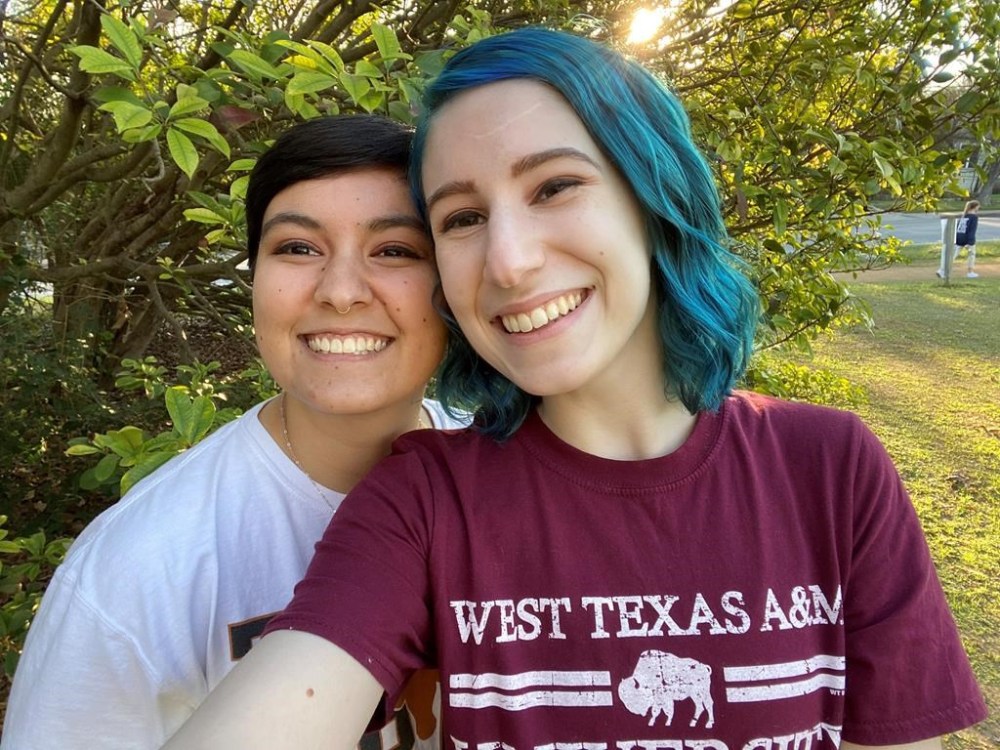
She’s so sure, in fact, that she’ll soon have her tubes removed. It’s a precautionary decision sealed by the fall of Roe v. Wade and by tight restrictions on abortion services in her state and around the country.
Other women interviewed also cited climate change, along with overwhelming student debt coupled with inflation, as reasons they’ll never be parents. Some younger men, too, are opting out and more are seeking vasectomies.
Whatever the motivation, they play a role in dramatically low birth rates in the U.S.
The U.S. birth rate fell 4% in 2020, the largest single-year decrease in nearly 50 years, according to a government report. The government noted a 1% uptick in U.S. births last year, but the number of babies born was still lower than before the coronavirus pandemic: about 86,000 fewer than in 2019.
Walter and Kyah King live in suburban Las Vegas. Walter, 29, a sports data scientist, and Kyah, 28, a college career counselor, have been together nearly 10 years, the last four as a married couple. The realization that they didn’t want to have kids came on slowly for both of them.
“It was in our early 20s when the switch sort of flipped,” Kyah said. “We had moved to California and we were really just starting our adult lives. I think we talked about having three kids at one point. But just with the economy and the state of the world and just thinking about the logistics of bringing children into the world. That’s really when we started to have our doubts.”
Finances are top of mind. Before taxes, the two earn about $160,000 combined, with about $120,000 in student loan debt for Kyah and about $5,000 left for Walter. The couple said they wouldn’t be able to buy a house and shoulder the costs of even one child without major sacrifices they’re not willing to make.
But for Kyah, the decision goes well beyond money.
“I think we would be great parents, but the thought of going into our health system to give birth is really scary. Black women, black mothers, are not valued in the same way that white mothers are,” said Kyah, who is Black.
When Kyah’s IUD expires, Walter said he’ll consider a vasectomy, a procedure that went on the rise among men under 30 during the pandemic.
Jordan Davidson interviewed more than 300 people for a book out in December titled, “So When are You Having Kids?” The pandemic, she said, led many to delay childbirth among those contemplating children at all.
“These timelines that people created for themselves of, I want to accomplish X by three years from now, changed. People weren’t necessarily willing to move the goalposts and say, OK, I’m going to forgo these accomplishments and do this differently,” she said. “People still want to travel. They still want to go to graduate school. They still want to meet certain financial benchmarks.”
Fears about climate change have cemented the idea of living without children for many, Davidson said.
“Now with increased wildfires, droughts, heat waves, all of a sudden it is becoming real that, OK, this is happening during my time, and what is this going to look like during the time that my children are alive?” she said.
In New York City, 23-year-old Emily Shapiro, a copywriter for a pharmaceutical ad agency, earns $60,000 a year, lives at home as she saves money and has never wanted children.
“They’re sticky. I could never imagine picking up a kid that’s covered in ice cream. I’m a bit of a germaphobe. I don’t want to change a diaper. If I did have one, I wouldn’t want them until they’re in, like, sixth grade. I also think the physical Earth isn’t doing so great so it would be unfair,” she said.
Among those Jordan interviewed, concerns over the environment were far more prevalent among the younger group. Questions of affordability, she said, troubled both millennials and members of Gen Z.
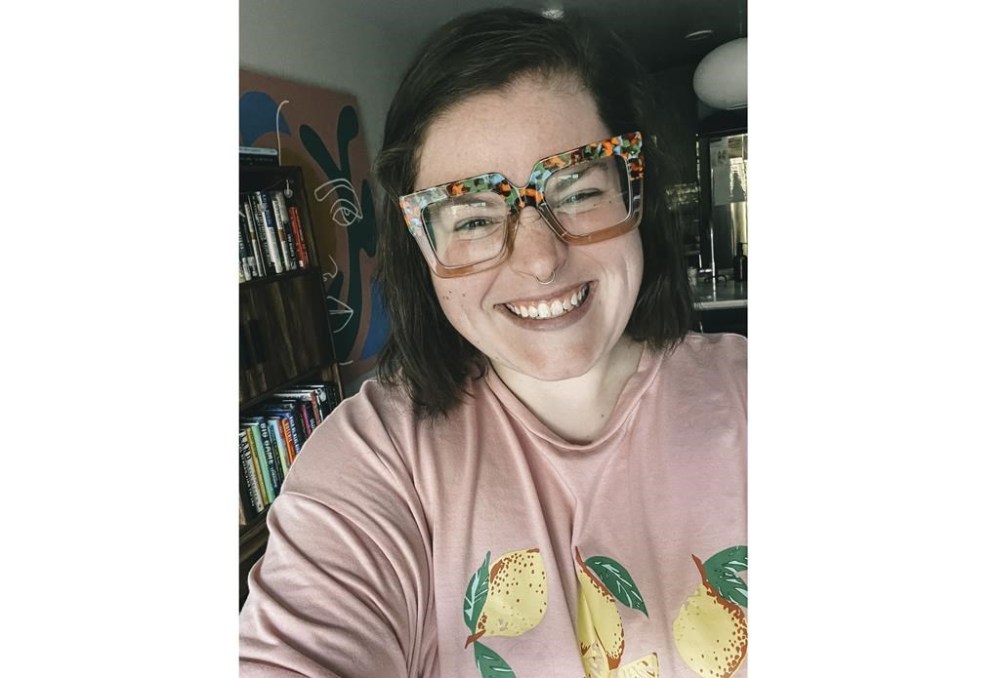
“There is a lot of fear around having children who would be worse off than they viewed themselves during their childhoods,” Davidson said.
Dannie Lynn Murphy, who helps find software engineers for Google, said she was nearly 17 when she was removed from her home by child protective services due to a pattern of child abuse. Her wife, she said, was similarly raised in a “not great” environment.
“Both of us at one point would have said yes to kids,” she said. “In my late teenage, early adult years, I saw and understood the appeal and was attracted to the idea of getting to raise someone differently than I was raised. But the practical realities of a child kind of suck.”
Murphy earns about $103,000 a year, with bonuses and equity that can drive that amount up to $300,000. Her wife earns about $60,000 as an attorney. They don’t own their Seattle home.
“I can’t see myself committing to a mortgage, let alone a child,” the 28-year-old Murphy said. “I think the primary reason is financial. I would prefer to spend that money on traveling versus sinking a half a million dollars into raising a child. Secondarily, there’s now the fear of behaving with our children the way our parents behaved with us.”
Alyssa Persson, 31, was raised in small town South Dakota. Getting married and having children was ingrained in the culture, she said. It wasn’t until after her divorce from her high school sweetheart that she took a step back and asked herself what she actually wanted out of life.
“Most women where I’m from lose their identities in motherhood,” said Persson, who now lives in St. Louis and earns about $47,000 a year as a university librarian.
She’s carrying student loan debt of about $80,000. Persson is a former teacher who loves children, but she feels she is now thinking more clearly than ever about the costs, implications and sacrifices of parenting.

“Having children sounds like a trap to me, to be frank,” she said. “Financially, socially, emotionally, physically. And if there were ever any shadow of a doubt, the fact that I cannot comfortably support myself on my salary is enough to scare me away from the idea entirely.”
___
Follow Leanne Italie on Twitter at http://twitter.com/litalie
—-
For more AP Lifestyles stories, go to https://apnews.com/hub/lifestyle
Related Articles
Teachers, parents experiencing sticker shock in school-supply aisles
Advertisement Advertise With Us
Advertisement Advertise With Us