Dedicated to fixing the world
Biomedical engineer Monte Raber spent his 86 years learning and teaching others; along the way he enriched the lives of people he knew, and saved the lives of countless others he never met

Advertisement
Read this article for free:
or
Already have an account? Log in here »
To continue reading, please subscribe:

Digital Subscription
One year of digital access for only $205*
- Enjoy unlimited reading on winnipegfreepress.com
- Read the E-Edition, our digital replica newspaper
- Access News Break, our award-winning app
- Play interactive puzzles
*First annual payment billed as $205.00 + GST for one year. This annual subscription will automatically renew at $233.00 + GST every 52 weeks (10% off the regular annual price of $259.35). Offer available to new and qualified returning subscribers only. Cancel any time.
To continue reading, please subscribe:
Add Free Press access to your Brandon Sun subscription for only an additional
$1 for the first 4 weeks*
- Enjoy unlimited reading on winnipegfreepress.com
- Read the E-Edition, our digital replica newspaper
- Access News Break, our award-winning app
- Play interactive puzzles
*Your next Brandon Sun subscription payment will increase by $1.00 and you will be charged $17.95 plus GST for four weeks. After four weeks, your payment will increase to $24.95 plus GST every four weeks.
Read unlimited articles for free today:
or
Already have an account? Log in here »
Hey there, time traveller!
This article was published 18/12/2021 (1741 days ago), so information in it may no longer be current.
Hundreds of thousands of people in Winnipeg have Monte Raber to thank for their health and safety. Most of them don’t even know his name.
That’s the way he wanted it.
In 1959, at the age of 24, Raber started the biomedical engineering department at the Winnipeg General Hospital without a roadmap. Some hospital brass didn’t understand why such a department was necessary: medicine was medicine. But Raber understood that the field was changing, that through proper systems design and careful planning, fatality could be avoided, and that technology held the key to saving lives.
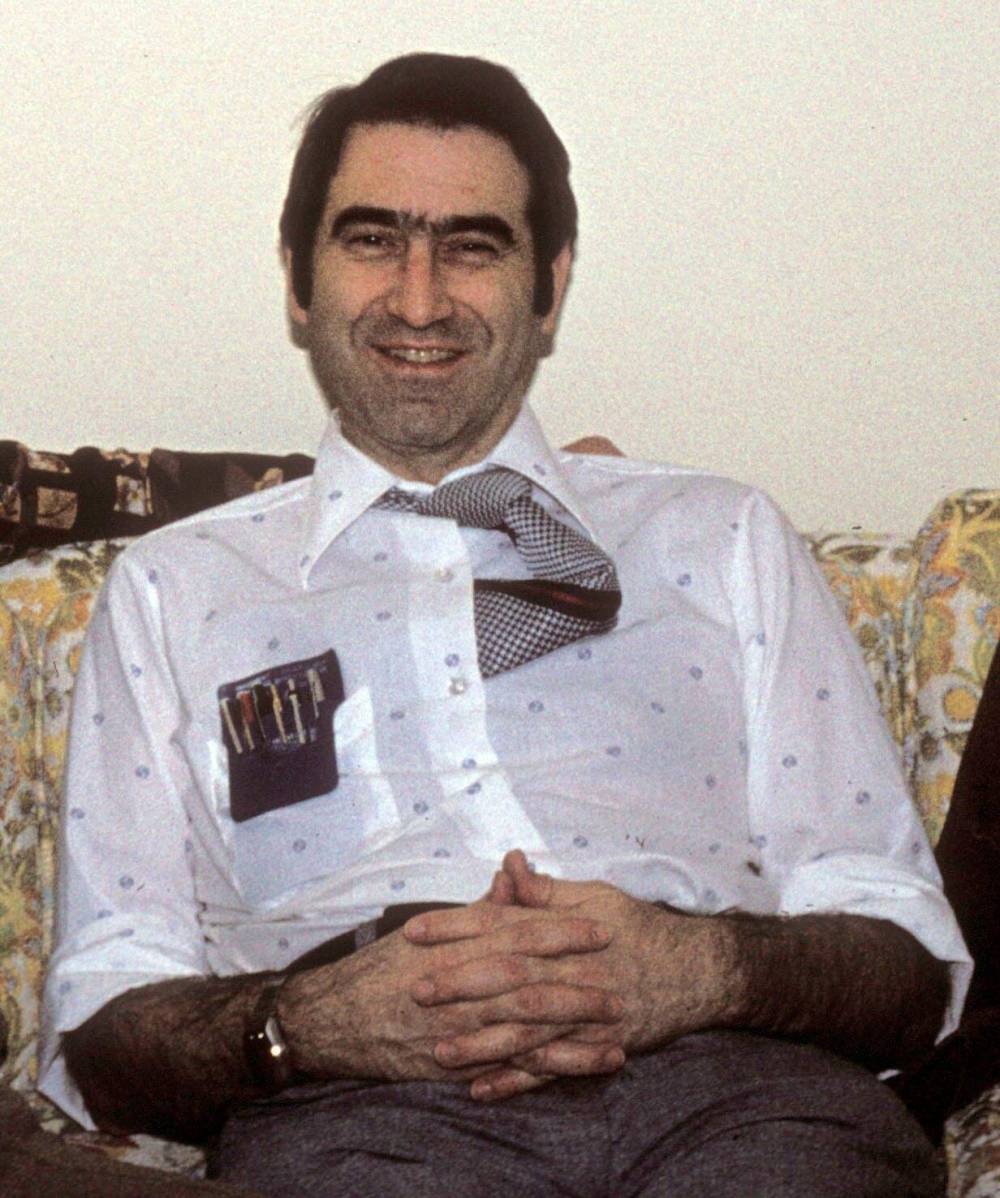
Despite initial skepticism, Raber trudged forth and developed state-of-the-art monitoring systems for the hospital’s intensive-care unit. Raber’s system was groundbreaking: it monitored six vital signs simultaneously in independent modules, and if any took a turn for the worse, an alarm would sound that could only be turned off manually by a nurse.
When pacemakers were first making their way into Manitoban chests, Raber was in the operating room, shoulder to shoulder with the cardiologists, making sure the lead wires were in the right place and that they achieved electronic capture. He once dashed out of his son Earl’s birthday party to help install a pacemaker during an emergency weekend surgery. When duty called, Raber answered, and his family understood.
In the world of medicine, and in the world at large, it is often the people we meet face-to-face whom we credit for success and whom we thank when it is achieved. Raber, who died in July at the age of 86, was never in it for that reason. He simply saw problems, and wanted to fix them. He understood that the world was broken, and he did what he could to repair it.
The Yiddish word “mensch” — meaning, roughly, a good person — is thrown around casually these days. Each of Raber’s three children insist their father deserved the title, and that he embodied elements associated with said title that are often forgotten: modesty, honesty, humility and a quiet willingness to do “mitzvot” — good deeds — where no thanks are sought or expected.
His daughters, Eileen Block and Avis Raber, both relayed a story that embodies this simply and elegantly. Their father put some money into a drink machine to get a Coke, and with the can, out came a clatter of coins. Many people would have grabbed the loot, shoved it in their pocket and walked away feeling a few dollars richer, a few cents luckier: Raber left the coins in the machine for the next person. “It was no longer his money,” Eileen says.
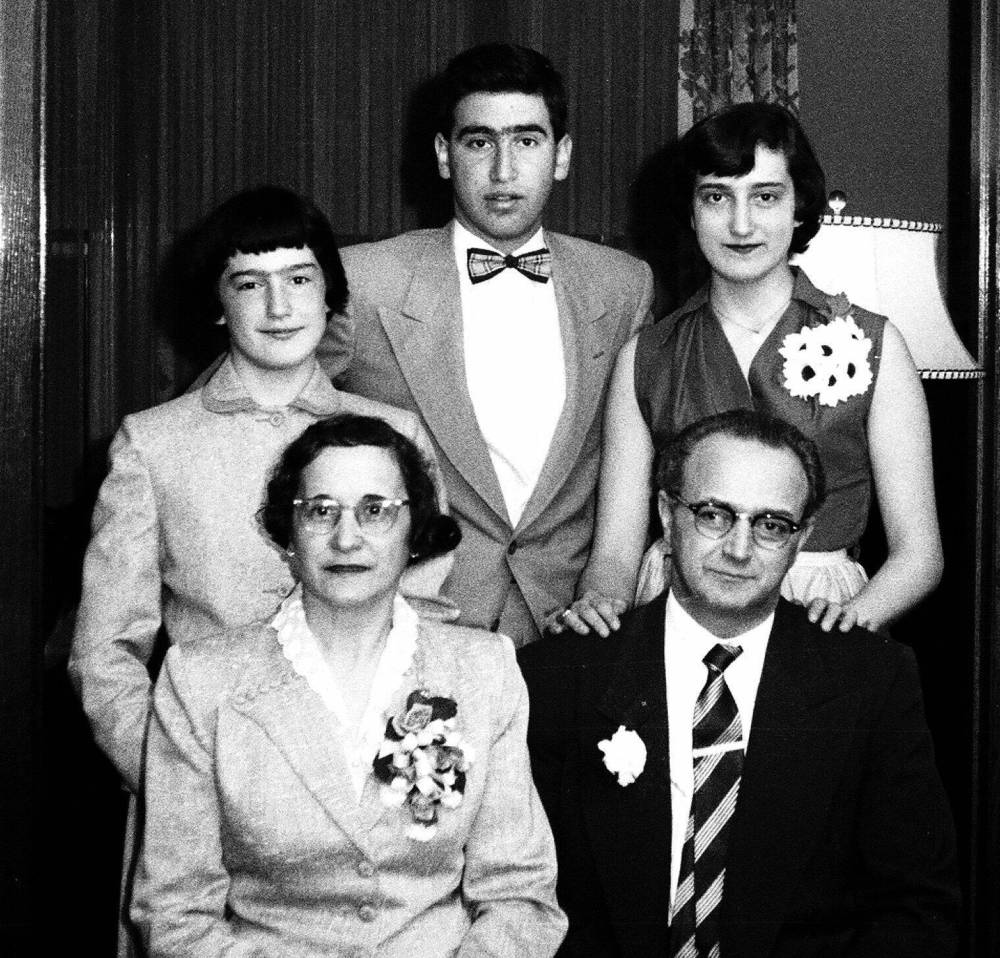
As much as he excelled in biomedical engineering, Raber used his attention to detail to become an exemplary husband for more than 60 years to Myrna (nee Golden) — who held down the ship while her husband worked long, unpredictable hours — and father to his three children, who found inspiration and, at times, loving annoyance, in his dedication to perfection and strong work ethic.
Before the family went on a camping trip in 1973, Raber timed the kids as they built and disassembled their tents in their Garden City yard. At the time, they scoffed. But the lessons paid off: they woke up one night in Big Sur as the tent started to float, and took apart the tent in a matter of seconds. (Raber himself still did most of the work).
Another time, when Earl went canoeing down the Assiniboine and Red rivers, his father took the day off to drop him off in the morning at the east end of the city and pick him up at day’s end at Kildonan Park. Every half hour, Earl would glance up at a clearing on the river bank, where Monte was standing and waving.
When Avis and her girlfriends went on a road trip at 18, Raber had one condition: each of them would need to know how to change a tire in case they got a flat. He got down on the cement and showed them how. “My girlfriends were floored,” recalls Avis. “But that’s the kind of person he was. He wanted to make sure everyone knew how to do everything.”
The perfectionist was not without his foibles: there were proper and improper ways to wash or stack dishes. Whether they wanted to or not, he taught his children how to complete an electrical circuit. He taught them carpentry — how not to hit their finger when hammering nails — how to measure twice and cut once.
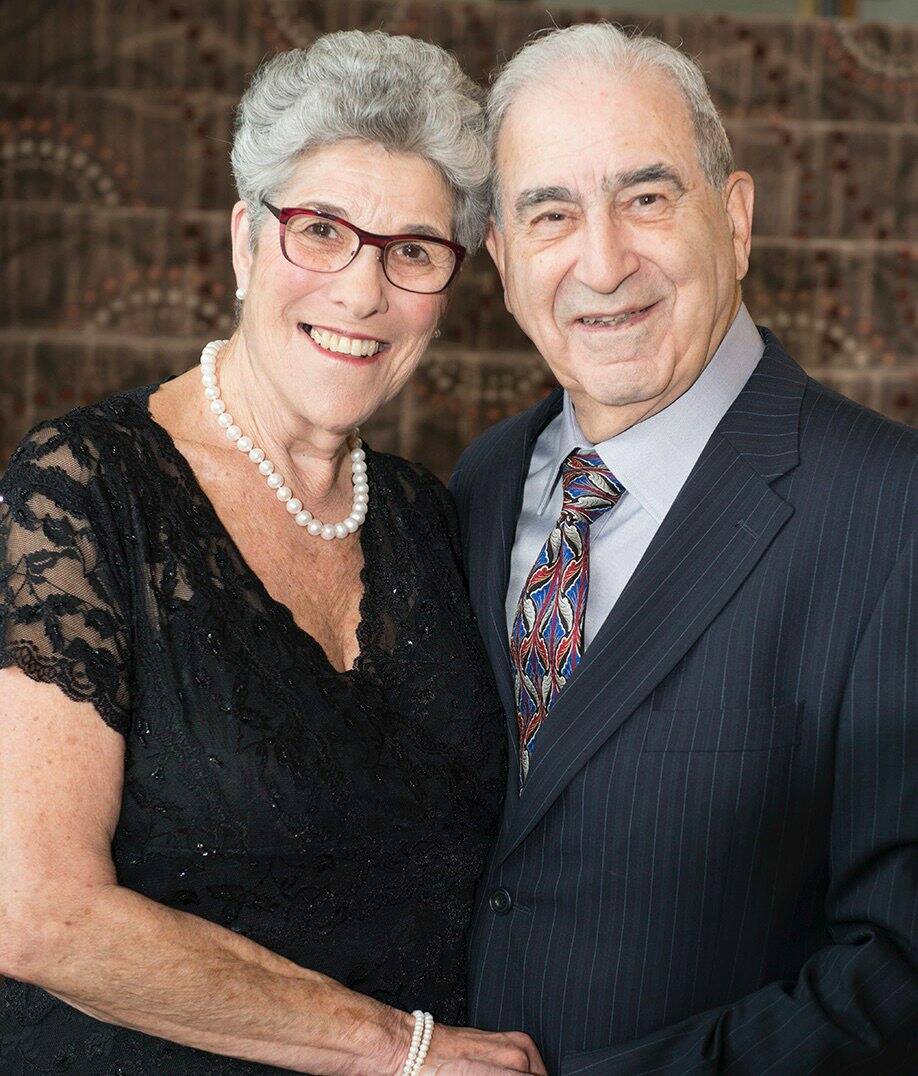
When he became a grandfather, and great-grandfather, he filled a similar role, teaching a new generation how to make their way in the world. When science fairs came, his grandchildren would care more about his input than their teachers’. He was honest, shrewd and constructive, but always present and willing. His suggestions were simple and smart, leaving everyone asking, ‘How didn’t I think of that myself?” When one granddaughter moved into her first home last year, Raber gave her a toolbox and showed her how every piece inside could be used.
In Judaism, a central concept is called “tikkun olam,” or repairing the world. Raber took it literally, perhaps without ever realizing it. “Whether it was fixing life-saving equipment or fixing a soul,” his son says.
When his children, grandchildren, colleagues or anyone else, really, had a question, they would often seek out Raber, who despite not being a doctor, became an assistant professor of both engineering and medicine at the University of Manitoba. And if he didn’t already have the answer, he would not be embarrassed to admit it. Instead, he would go over to the West Kildonan library, and later the internet, to find it.
After answering the phone with his trademark — “Raber here” — he would think. “He would say, ‘I don’t know,’” Avis says. “But it was never, ‘I don’t know and I don’t care.’ It was, ‘I don’t know, but I will find out.’” More often than not, he did. At the library, or in his workshop, he would tinker. He would approach logjams with an optimism that defined his life. Challenges were not challenges, they were opportunities to find solutions.
When he left the public health system in 1978 to work for medical equipment manufacturer Harco, he accepted the new challenge and the realization he had much to learn. When, a decade later, he was forced to switch paths, he once again started from scratch, and realized his expertise would be valued by governments, mining companies and the aerospace industry, and became a sought-after consultant and trusted resource.
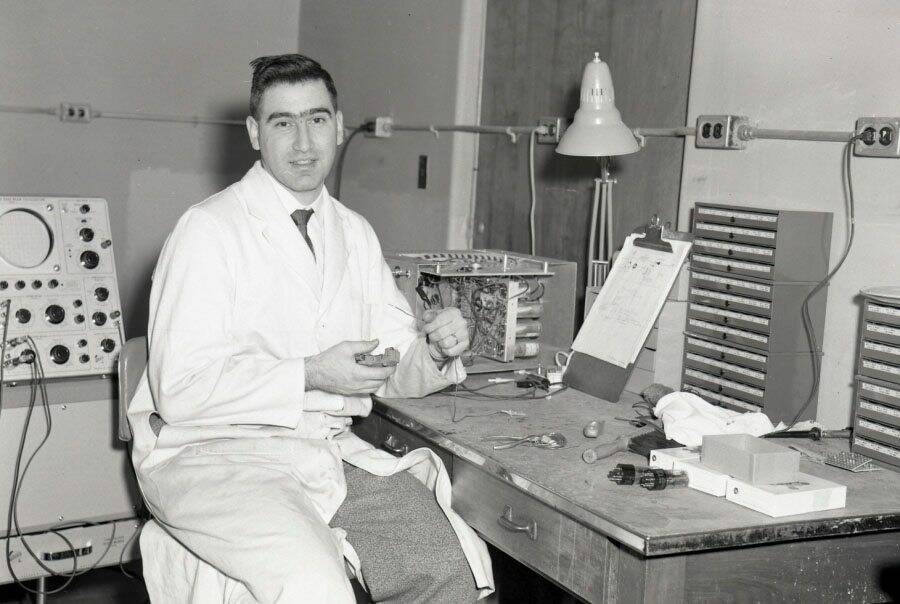

He contributed more than 40 publications and has three patents in his name, and remained committed to learning and fixing until the day he died: his most recent writing, concerning safety and electrical grounding, was in its final draft, and a prototype remained on his work table.
But while he tinkered and problem-solved for his own enjoyment and employment, it was an innate desire to help that drove him. And despite his desire to fly under the radar, the name Monte Raber became revered by those who learned it.
During his medical training at the University of Manitoba, whenever Earl said his own name, it seemed he was always met with instant recognition and a routine followup question: “Are you related to “the” Monte Raber?”
It still happens to him and his siblings. They say, “Yes. He’s our dad.”
ben.waldman@winnipegfreepress.com
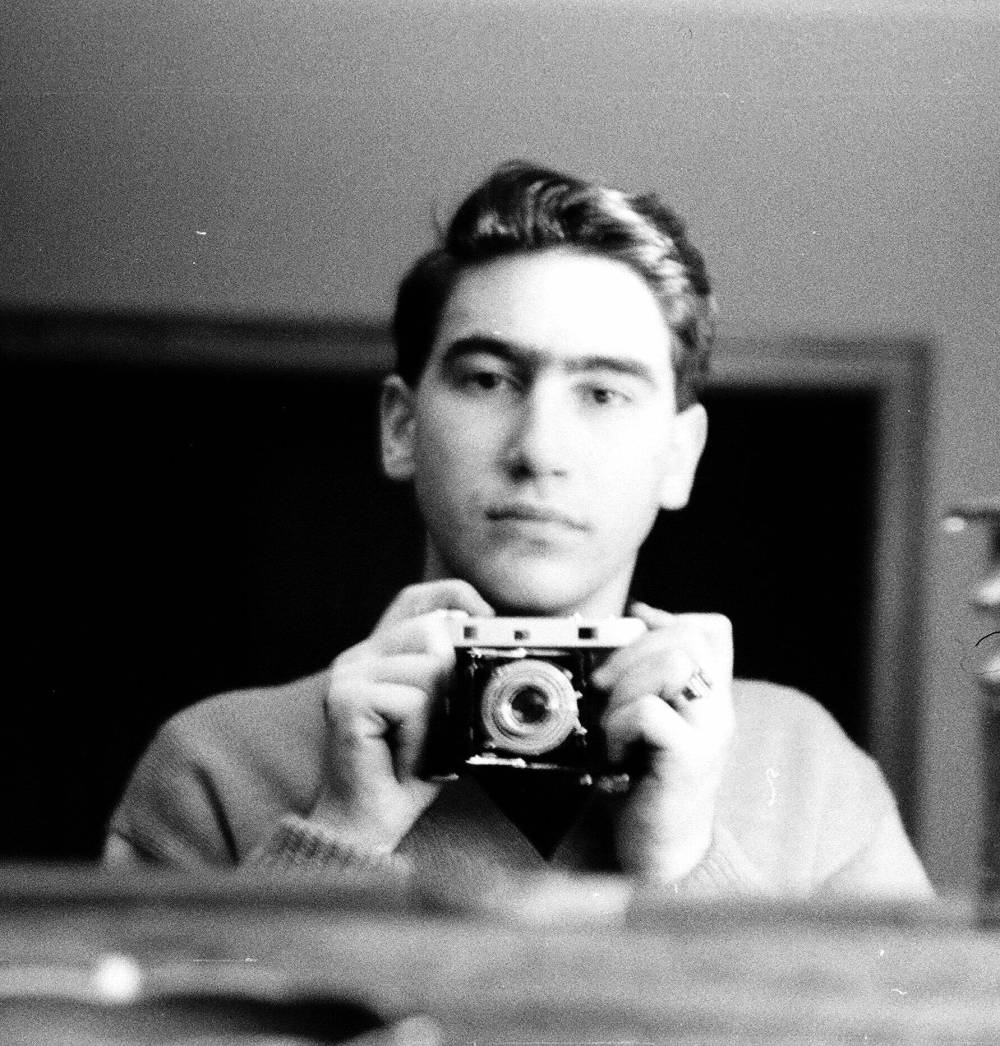
Ben Waldman covers a little bit of everything for the Free Press.
Our newsroom depends on a growing audience of readers to power our journalism. If you are not a paid reader, please consider becoming a subscriber.
Our newsroom depends on its audience of readers to power our journalism. Thank you for your support.
Ben Waldman covers a little bit of everything for the Free Press.
Our newsroom depends on a growing audience of readers to power our journalism. If you are not a paid reader, please consider becoming a subscriber.
Our newsroom depends on its audience of readers to power our journalism. Thank you for your support.
Advertisement Advertise With Us
Advertisement Advertise With Us