PM, Scheer among MPs to donate pay hike to charities during COVID-19 crisis
Advertisement
Read this article for free:
or
Already have an account? Log in here »
To continue reading, please subscribe:
Digital Subscription
One year of digital access for only $1.44 a week*
- Enjoy unlimited reading on winnipegfreepress.com
- Read the E-Edition, our digital replica newspaper
- Access News Break, our award-winning app
- Play interactive puzzles
*Billed as $5.77 plus GST every four weeks. After 52 weeks, price increases to the regular rate of $19.95 plus GST every four weeks. Offer available to new and qualified returning subscribers only. Cancel any time.
To continue reading, please subscribe:
Add Free Press access to your Brandon Sun subscription for only an additional
$1 for the first 4 weeks*
- Enjoy unlimited reading on winnipegfreepress.com
- Read the E-Edition, our digital replica newspaper
- Access News Break, our award-winning app
- Play interactive puzzles
*Your next Brandon Sun subscription payment will increase by $1.00 and you will be charged $17.95 plus GST for four weeks. After four weeks, your payment will increase to $24.95 plus GST every four weeks.
Read unlimited articles for free today:
or
Already have an account? Log in here »
Hey there, time traveller!
This article was published 01/04/2020 (2428 days ago), so information in it may no longer be current.
OTTAWA – Prime Minister Justin Trudeau and Conservative Leader Andrew Scheer are among the MPs who are promising to donate an automatic increase in their salaries to charity, as the COVID-19 pandemic ravages the economy and puts thousands of Canadians out of work.
The raise went into effect Wednesday, as did the latest increase in the federal carbon tax.
Trudeau has been under pressure to cancel both.
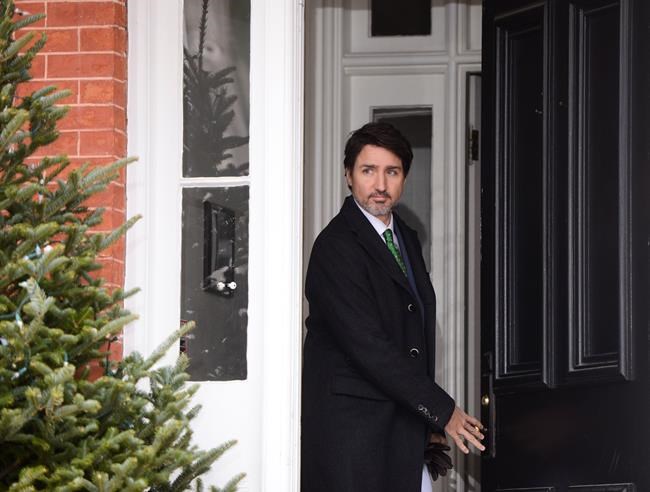
However, he has ruled out scrapping the planned increase in the carbon tax and there is nothing he can do immediately about the salary hike without recalling Parliament to pass legislation.
Under a law passed in 2005 in an attempt to de-politicize parliamentarians’ pay, salaries paid to MPs and senators increase automatically on April 1 each year, based on the average increase negotiated by major bargaining units in the private sector.
This year, MPs are entitled to a 2.1 per cent hike, which will increase their base salaries by just over $3,750 to $182,656.
By law, senators are paid $25,000 less than MPs. Hence, they’ll each pull in a base salary of $157,656 this year, a 2.4 per cent hike.
The prime minister, leader of the Opposition, the Speakers in both chambers and others with additional duties receive extra, legislated amounts beyond their base salaries.
After the 2008 financial meltdown, the previous Conservative government froze parliamentarians’ salaries for three years.
Asked Monday about a similar salary freeze now, Trudeau said: “I haven’t heard the Parliament of Canada having those discussions, but I’m sure they will reflect on it now that you’ve asked the question.”
A freeze would require legislation approved by Parliament, which has been adjourned since mid-March except for a brief day-long sitting last week to pass a bill freeing up billions in emergency aid to help Canadians weather the COVID-19 crisis.
Trudeau said Wednesday that the government is looking at recalling Parliament again to pass additional emergency aid measures. MPs could take that opportunity to also consider a pay freeze.
At a news conference Wednesday in Regina, Scheer said he’d support deferring the pay raise until after the pandemic.
In the meantime, the salary hike is in effect. Some MPs from all parties are vowing to turn over their pay boost to charities and non-profit organizations working to cushion the impact of the national health emergency.
A spokeswoman for the prime minister said Trudeau will give his pay boost to non-profit organizations in his Montreal riding.
Similarly, a spokeswoman for Scheer said the Opposition leader intends to give his pay increase to “a local charity who is working hard to support Canadians affected by COVID-19.”
Denise Siele added that it’s up to the government to introduce legislation to freeze parliamentary salaries “should they so choose.”
NDP Leader Jagmeet Singh will also donate his raise to charity, said his spokeswoman, Melanie Richer, adding that she expects all New Democrat MPs will increase the donations they routinely make to organizations and local causes.
Various Conservative MPs have issued statements over the past week promising to donate their pay boosts to charities.
Given the current crisis, Alberta MP Blaine Calkins called the pay hike “not only untimely but, frankly, it’s in poor taste.”
Conservatives have also been demanding that Trudeau cancel the increase in the federal carbon tax that kicked in Wednesday, raising the carbon price on fuel purchases to $30 per tonne from $20. That will mean drivers will pay roughly an extra two cents a litre at the gas pump.
The tax applies in Alberta, Saskatchewan, Manitoba, Ontario, Nunavut and Yukon, none of which have imposed their own prices on carbon that meet the federal standard.
Wednesday, Scheer called on the Liberals to scrap the carbon-tax hike, arguing that it’s the last thing Canadians need as they struggle to cope with the pandemic.
Trudeau ruled that out Monday, noting that the federal government is also paying rebates that are intended to give Canadians more money than they pay in the carbon tax, so people who aren’t heavy users of fossil fuels end up ahead.

“The price on pollution has been designed so as to put more money in household pockets, more money in the pockets of the middle class while we do the things that are necessary to fight pollution and protect our planet,” he said.
Trudeau added that the need to combat climate change “remains even at a time of immediate crisis and pandemic.”
Michael Berstein, executive director of Clean Prosperity, suggested in a statement that the federal government should refine the rebate program during the crisis.
Among other things, he said families should receive the initially forecast rebate amounts even if revenues from the tax decline. As well, he suggested that the rebates be sent as immediate direct payments to households, rather than as tax credits.
This report by The Canadian Press was first published April 1, 2020.
Related Articles
Trudeau: New vote needed on COVID-19 moves
Advertisement Advertise With Us
Advertisement Advertise With Us