Canadians returning from Wuhan to be quarantined in motel at CFB Trenton
Advertisement
Read this article for free:
or
Already have an account? Log in here »
To continue reading, please subscribe:

Digital Subscription
One year of digital access for only $205*
- Enjoy unlimited reading on winnipegfreepress.com
- Read the E-Edition, our digital replica newspaper
- Access News Break, our award-winning app
- Play interactive puzzles
*First annual payment billed as $205.00 + GST for one year. This annual subscription will automatically renew at $233.00 + GST every 52 weeks (10% off the regular annual price of $259.35). Offer available to new and qualified returning subscribers only. Cancel any time.
To continue reading, please subscribe:
Add Free Press access to your Brandon Sun subscription for only an additional
$1 for the first 4 weeks*
- Enjoy unlimited reading on winnipegfreepress.com
- Read the E-Edition, our digital replica newspaper
- Access News Break, our award-winning app
- Play interactive puzzles
*Your next Brandon Sun subscription payment will increase by $1.00 and you will be charged $17.95 plus GST for four weeks. After four weeks, your payment will increase to $24.95 plus GST every four weeks.
Read unlimited articles for free today:
or
Already have an account? Log in here »
Hey there, time traveller!
This article was published 03/02/2020 (2439 days ago), so information in it may no longer be current.
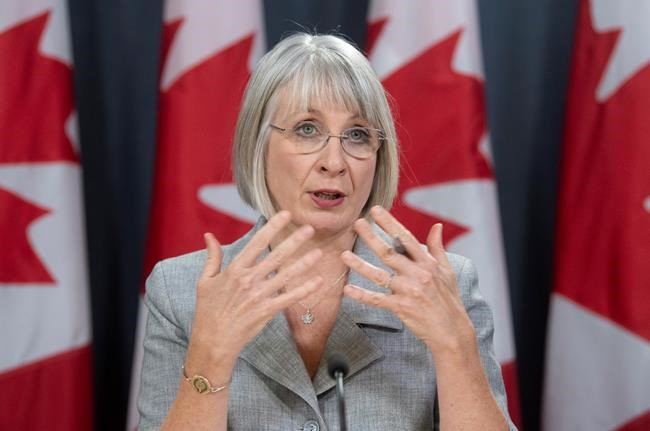
OTTAWA – Canadians returning from the epicentre of the novel coronavirus outbreak will remain in isolation — including from each other — and still need significant support after they arrive, federal Health Minister Patty Hajdu said Monday.
While Hajdu said she believes Canadians evacuated from Wuhan will be “very grateful to come home,” she noted their return might not be easy.
She said many have already endured isolation and low supplies in Wuhan, a city of 11 million in central China that has been under quarantine in an effort to contain the spread of the virus, and will have undergone a great deal of stress before they arrive in Canada.
They will also be under mandatory quarantine and observation for 14 days after returning to Canadian soil.
The federal government plans to land a chartered plane in Wuhan to transport Canadian citizens who do not show symptoms to Canadian Forces Base Trenton. Permanent residents of Canada accompanying Canadian children as their primary caregivers will also be allowed to board the plane.
Canada has not called for a public health emergency in the wake of the coronavirus, but has the authority as part of an emergency order under the federal Quarantine Act to keep those returning from Wuhan in isolation for 14 days before they can leave the base.
Once the plane lands at CFB Trenton, a military base in southern Ontario, passengers will be housed at the Yukon Lodge, a motel with 290 guest rooms normally reserved for military personnel and their families, as well others visiting the base. They will be watched for symptoms for a full two weeks.
“During the 14 days, we’ll offer social support as well as mental health services given the stressful experiences many of these passengers will undergo or have undergone,” Hajdu said Monday in Ottawa.
So far, there’s no indication any of the Canadians who have asked for help to leave China show signs of the illness.
Passengers will undergo a mandatory exit screening by Chinese authorities before they are allowed in the airport, and be screened a second time by Canadian medical personnel before they board the plane.
Once on board they’ll be given surgical masks and hand sanitizer as they’re monitored over the course of the flight for possible symptoms of the virus. Those that fall ill will be moved to a separate part of the plane for the rest of the flight.
The flight is expected to land in Vancouver to refuel, and any sick passengers can be transported to hospitals from there while the rest continue to the Ontario military base.
Earlier Monday, Ontario’s chief medical officer of health, Dr. David Williams, also cautioned that passengers will need to be monitored for more than just coronavirus.
“We’re trying to set up a process, if they’re going to come, that we want to get comprehensive care,” Williams said in Toronto.
“We’re looking at the facilities there. Is it adequate, is it nice lodging, and proper food? All those day-to-day needs are going to be met because these people coming will need to be handled in that way.”
If any of the passengers from China show symptoms of the virus while they are on the base, they will be transferred to a local hospital for further isolation, observation and treatment.
At the end of the 14 days, Canadians under quarantine on the military base who still don’t show any signs or symptoms of coronavirus will be transported to either Ottawa, Toronto or Montreal, where they can finally return home.
While it’s not clear exactly how many Canadians will be transported out of the epicentre of the viral outbreak, as of Monday afternoon Hajdu said 304 had requested help to leave China, but only 280 of them had Canadian passports. She stressed the numbers were fluid, though, and a few hours later, a Foreign Affairs official briefing the House of Commons health committee said 312 have asked for help to leave.

The government has approved a second chartered flight in case there’s not enough room on the first Canadian plane out of Wuhan.
Personnel at the base undertook a “dry run” Monday to make sure they’re prepared for the Canadians’ arrival from China, Hajdu said.
The Defence Department says all Canadian Armed Forces members will be issued protective equipment to guard against possible infection, and will be monitored themselves for signs of the virus.
This report by The Canadian Press was first published Feb. 3, 2020.
— with files from Allison Jones in Toronto
Related Articles
Officials question report of virus spreading before symptoms In virus outbreak, fretting over a name that might go viral



Advertisement Advertise With Us
Advertisement Advertise With Us