TV loses a visionary showrunner
Boundary-pushing Bochco set the stage for TV's golden age

Advertisement
Read this article for free:
or
Already have an account? Log in here »
To continue reading, please subscribe:

Digital Subscription
One year of digital access for only $205*
- Enjoy unlimited reading on winnipegfreepress.com
- Read the E-Edition, our digital replica newspaper
- Access News Break, our award-winning app
- Play interactive puzzles
*First annual payment billed as $205.00 + GST for one year. This annual subscription will automatically renew at $233.00 + GST every 52 weeks (10% off the regular annual price of $259.35). Offer available to new and qualified returning subscribers only. Cancel any time.
To continue reading, please subscribe:
Add Free Press access to your Brandon Sun subscription for only an additional
$1 for the first 4 weeks*
- Enjoy unlimited reading on winnipegfreepress.com
- Read the E-Edition, our digital replica newspaper
- Access News Break, our award-winning app
- Play interactive puzzles
*Your next Brandon Sun subscription payment will increase by $1.00 and you will be charged $17.95 plus GST for four weeks. After four weeks, your payment will increase to $24.95 plus GST every four weeks.
Read unlimited articles for free today:
or
Already have an account? Log in here »
Hey there, time traveller!
This article was published 03/04/2018 (3068 days ago), so information in it may no longer be current.
Despite the respectful, nostalgic nods that are occasionally afforded to television’s long-ago, black-and-white past, there is simply no disputing that we — the binge-watching, Netflix-and-chilling, various-device-viewing generation — are living in TV’s golden age.
Not only is more content being created now than ever before, but the best of what is available to viewers of conventional broadcast TV, cable networks and streaming services is being produced at a level of quality that continually pushes boundaries, raises standards and challenges viewers on an almost-weekly basis to reconsider what qualifies as great.
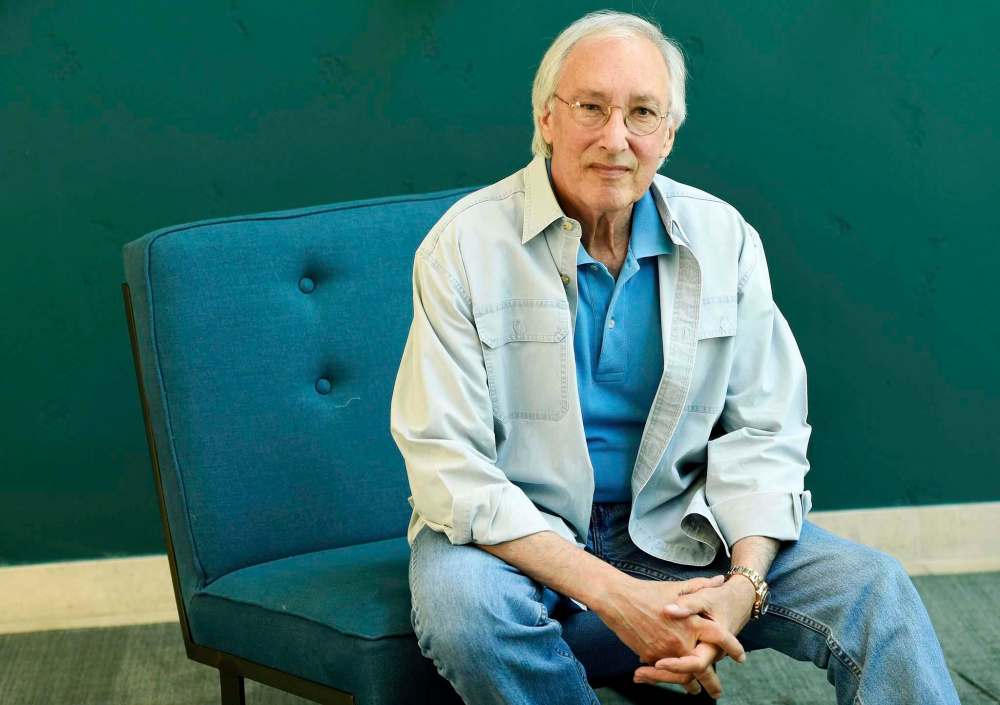
And it’s worth noting, in this week when television lost one of its most noteworthy and powerful creative forces, just how significant Steven Bochco was in the modern evolution of the medium.
Simply put, Bochco, who died Sunday at age 74 after a lengthy battle with leukemia, helped set the stage for the current wave of scripted-TV excellence, particularly in the drama-series realm. Whatever it is that you consider to be the small screen’s best, from Game of Thrones to Breaking Bad to House of Cards to This Is Us, the roots of its success can be found in Bochco’s primetime productions of the 1980s and ’90s.
After taking a rather conventional route into the TV business — coming up through the ranks at Universal Television, writing for such established (and decidedly mainstream) series as Columbo, McMillan & Wife and The White Shadow — Bochco took greater creative control of his career by creating and producing his own series. And in so doing, he pushed TV in a direction that continues to define the current generation of scripted dramas.
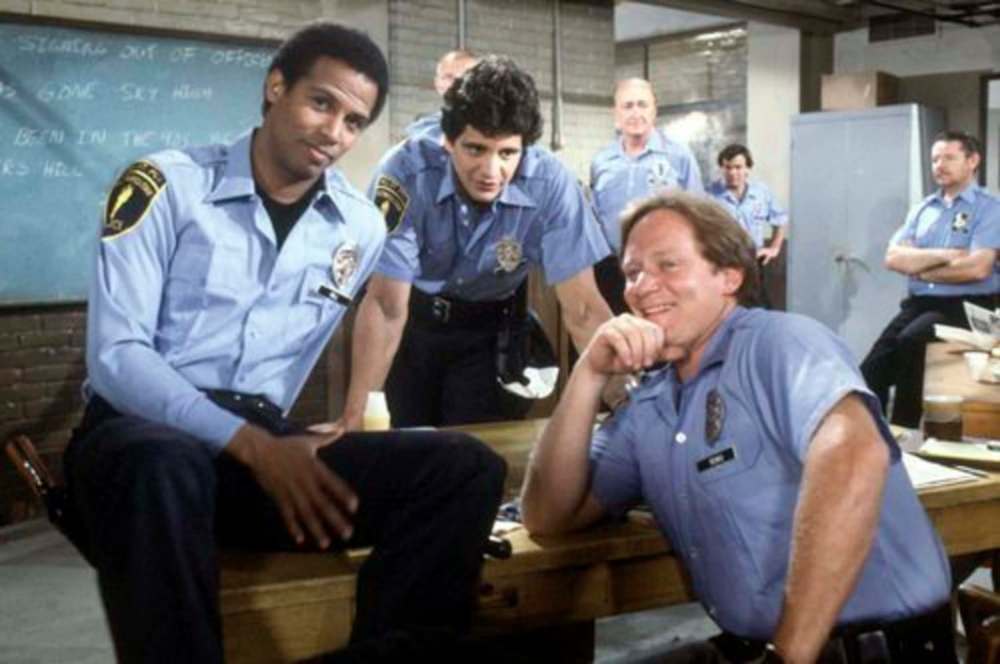
In 1981, Bochco and co-creator Michael Kozoll introduced Hill Street Blues to NBC’s primetime audience. Unconventional because of its large ensemble cast of mostly unknown actors and its tendency toward ongoing serialized storylines instead of self-contained episodes, Hill Street was anything but a hit during its first season — in fact, at the time the series was the lowest-rated program ever renewed for a second season.
But NBC, starved for successful shows at the time, stuck with it, and by the end of its second season Hill Street was the anchor of a Thursday-night lineup (which also included Cheers and Taxi) the network branded as “Must See TV.”
By the end of its seven-season run, Hill Street Blues had accumulated two dozen Emmy statues, including four for Outstanding Drama Series. And Bochco’s new blueprint for TV drama became a template that many other producers would employ on shows that favoured edgy material, ongoing storylines and an exploration of characters’ lives away from whatever profession provided the setting for the shows’ central drama.

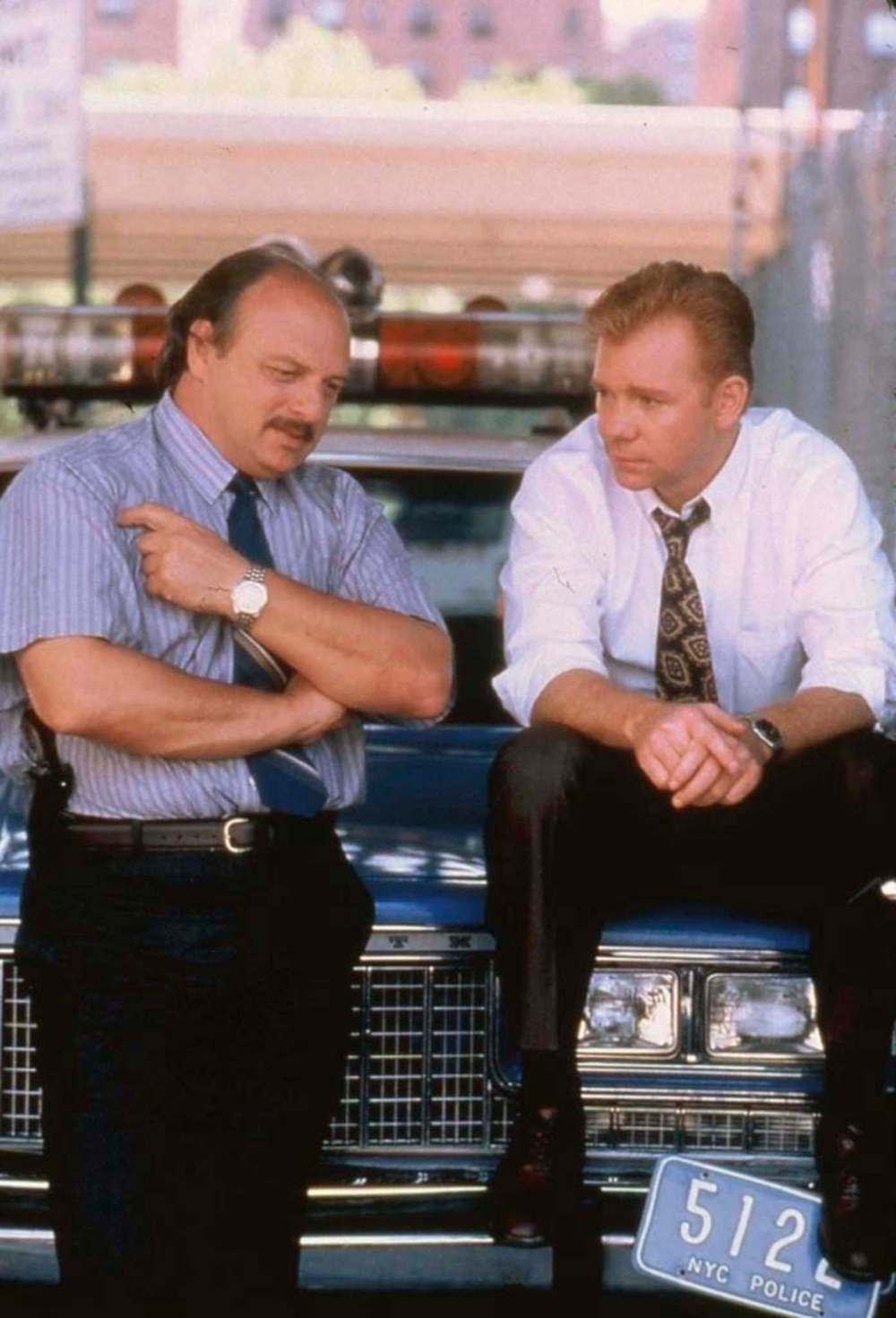
Bochco was equally successful with the series that inherited Hill Street’s Thursday timeslot, L.A. Law, and in 1993 he (with co-creator David Milch) launched the most influential and controversial series of his career, NYPD Blue, which initially sparked outrage with its aggressive (by broadcast-TV standards) use of salty language, graphic violence and occasional partial nudity. Despite the early unrest, NYPD Blue followed in Hill Street’s footsteps by becoming the most celebrated drama of its era.
Not everything Bochco touched turned to ratings or Emmy gold, however. In addition to less-successful efforts such as Civil Wars and Murder One, he also was responsible for a few flat-out flops, including the quickly dismissed animated series Capitol Critters and the first-mocked-and-much-later-embraced hybrid Cop Rock, which combined gritty police drama with offbeat show-tune outbursts.
Still, without Bochco’s influence on TV’s attitude and storytelling style, it’s possible that FX Network’s The Shield never would have come along. Without The Shield setting a new standard for off-network drama, The Sopranos and The Wire likely never would have happened. And without them… well, take a look at the TV landscape, and try to pick a drama that wasn’t directly influenced by those HBO shows.
It could fairly be argued that TV as we know it today — in all its various forms, on all its multiple platforms — was influenced more by the creative output of Steven Bochco than by anyone or anything else in the modern era. As the industry mourns his passing, TV-watchers everywhere should take a moment to appreciate his contribution to TV’s current wave of greatness.
brad.oswald@freepress.mb.ca Twitter: @BradOswald
Our newsroom depends on a growing audience of readers to power our journalism. If you are not a paid reader, please consider becoming a subscriber.
Our newsroom depends on its audience of readers to power our journalism. Thank you for your support.
Our newsroom depends on a growing audience of readers to power our journalism. If you are not a paid reader, please consider becoming a subscriber.
Our newsroom depends on its audience of readers to power our journalism. Thank you for your support.
Advertisement Advertise With Us
Advertisement Advertise With Us
History
Updated on Tuesday, April 3, 2018 8:16 AM CDT: Adds photo