

Saudi Arabia to hold ‘very limited’ hajj due to virus
Advertisement
Read this article for free:
or
Already have an account? Log in here »
To continue reading, please subscribe:

Digital Subscription
One year of digital access for only $205*
- Enjoy unlimited reading on winnipegfreepress.com
- Read the E-Edition, our digital replica newspaper
- Access News Break, our award-winning app
- Play interactive puzzles
*First annual payment billed as $205.00 + GST for one year. This annual subscription will automatically renew at $233.00 + GST every 52 weeks (10% off the regular annual price of $259.35). Offer available to new and qualified returning subscribers only. Cancel any time.
To continue reading, please subscribe:
Add Free Press access to your Brandon Sun subscription for only an additional
$1 for the first 4 weeks*
- Enjoy unlimited reading on winnipegfreepress.com
- Read the E-Edition, our digital replica newspaper
- Access News Break, our award-winning app
- Play interactive puzzles
*Your next Brandon Sun subscription payment will increase by $1.00 and you will be charged $17.95 plus GST for four weeks. After four weeks, your payment will increase to $24.95 plus GST every four weeks.
Read unlimited articles for free today:
or
Already have an account? Log in here »
Hey there, time traveller!
This article was published 22/06/2020 (2295 days ago), so information in it may no longer be current.
DUBAI, United Arab Emirates – Saudi Arabia said Tuesday that because of the coronavirus only “very limited numbers” of people will be allowed to perform the annual hajj pilgrimage that traditionally draws around 2 million Muslims from around the world.
The decision comes after weeks of speculation over whether Saudi Arabia would cancel the pilgrimage altogether or allow the hajj to be held in symbolic numbers. It’s unclear why the government waited until just five weeks before the hajj to announce its decision, but the timing indicates the sensitivity around major decisions concerning the hajj that affect Muslims around the world.
Saudi kings have for generations assumed titles as custodians of Islam’s holiest sites, and their oversight of the hajj is a source of prestige and influence among Muslims globally. The hajj also generates around $6 billion in revenue for the government every year.
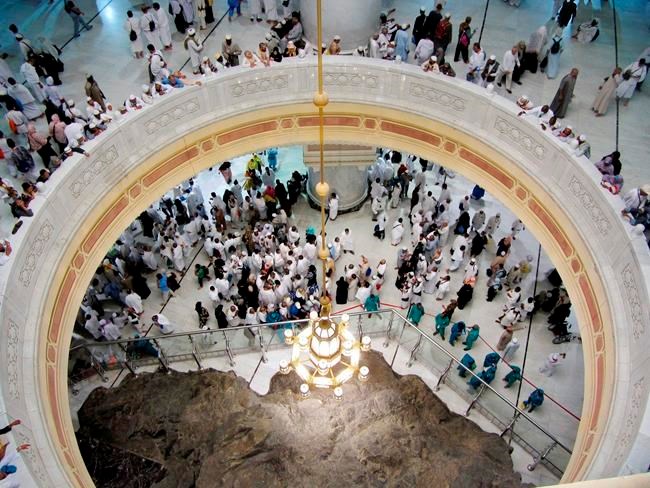
Saudi Arabia has never cancelled the hajj in the nearly 90 years since the country was founded.
The government said its decision to drastically limit the number of pilgrims was aimed at preserving global public health due to the lack of a vaccine for the virus or a cure for those infected, as well as the risks associated with large gatherings of people.
The hajj is one of the biggest gatherings on earth, with pilgrims staying in close confines and walking and praying shoulder-to-shoulder. A stampede in 2015 caused more than 2,400 deaths.
“This decision was taken to ensure hajj is performed in a safe manner from a public health perspective,” the government statement said.
The kingdom’s Ministry of Hajj said only people of various nationalities already residing in the country would be allowed to perform the large pilgrimage, which is set to begin this year at the end of July.
The government did not specify how many people would be permitted to take part.
The hajj centres around five intense days of worship and rituals in Mecca, however pilgrims typically begin arriving to Saudi Arabia through its main gateway city of Jiddah weeks and even months in advance.
Saudi Arabia said its “top priority is to always enable Muslim pilgrims to perform the hajj and umrah rites safely and securely.”
It defended its decision on religious grounds, as well, saying that the teachings of Islam require the preservation of human life. Saudi Arabia’s top council of clerics swiftly issued a statement saying the decision is line with Islamic Shariah law.
Performing the hajj is central to Islam and one of the religion’s five pillars. All able-bodied Muslims are required to perform the hajj once in their lifetime, with many saving money their entire lives to afford the journey.
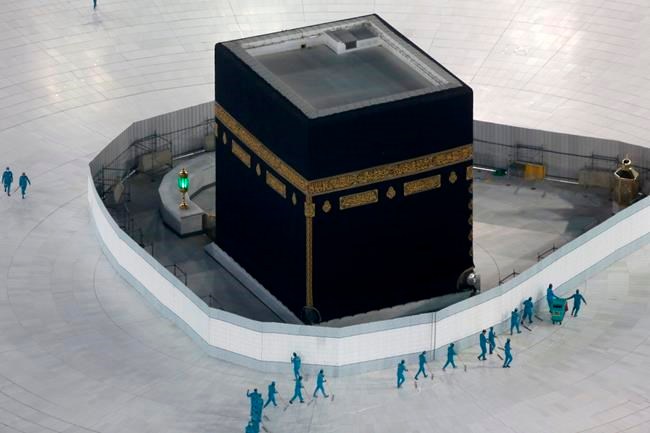
The hajj is seen as a chance to wipe clean past sins and start fresh. Pilgrims shed symbols of materialism, as women forgo makeup and perfume and wear loose-fitting clothing and a head covering, while men dress in seamless, white terrycloth garments meant to emphasize the equality of all Muslims before God.
Despite taking early and unprecedented measures to control the spread of the virus domestically, Saudi Arabia has one of the highest rates of coronavirus infections in the Middle East, with more than 161,000 total confirmed cases and 1,307 deaths.

The virus causes mild to moderate symptoms in most people, who recover within a few weeks. But it is highly contagious and can cause severe illness or death, particularly in older patients or those with underlying health problems.
Saudi Arabia had already suspended the smaller year-round umrah pilgrimage earlier this year and closed the Grand Mosque in Mecca, home to Islam’s holiest site, to the public. The city of Mecca was also under a strict 24-hour curfew for more than two months.
Although Saudi Arabia has lifted some restrictions in recent days, the umrah continues to be suspended and the country’s borders remain shut to visitors and tourists.
Indonesia and Malaysia, which combined send around a quarter-million Muslims to the hajj each year, had already announced they would not be sending their citizens to the pilgrimage this year, in part because it had become too late to prepare for it.
In an early indication of the uncertainty around this year’s hajj, the kingdom had asked Muslims in early April to delay making plans for the pilgrimage as the virus grew into a global pandemic, infecting millions around the world.