

Emergency responders overburdened
Advertisement
Read this article for free:
or
Already have an account? Log in here »
To continue reading, please subscribe:

Digital Subscription
One year of digital access for only $205*
- Enjoy unlimited reading on winnipegfreepress.com
- Read the E-Edition, our digital replica newspaper
- Access News Break, our award-winning app
- Play interactive puzzles
*First annual payment billed as $205.00 + GST for one year. This annual subscription will automatically renew at $233.00 + GST every 52 weeks (10% off the regular annual price of $259.35). Offer available to new and qualified returning subscribers only. Cancel any time.
To continue reading, please subscribe:
Add Free Press access to your Brandon Sun subscription for only an additional
$1 for the first 4 weeks*
- Enjoy unlimited reading on winnipegfreepress.com
- Read the E-Edition, our digital replica newspaper
- Access News Break, our award-winning app
- Play interactive puzzles
*Your next Brandon Sun subscription payment will increase by $1.00 and you will be charged $17.95 plus GST for four weeks. After four weeks, your payment will increase to $24.95 plus GST every four weeks.
Read unlimited articles for free today:
or
Already have an account? Log in here »
The Winnipeg Fire Paramedic Service’s first comprehensive annual report offers an uncomfortable but necessary reality check. Winnipeg’s emergency responders are being asked to do more than ever, while the public is waiting longer than it should when every minute matters.
A record 136,198 incidents in 2025, including nearly 115,000 medical calls, reflects a system under relentless strain. Much of that pressure is being driven by the ongoing addictions crisis, which now generates roughly 27 emergency calls every day related to drugs or alcohol.
Opioid overdoses, alcohol intoxication and mental health emergencies have become routine parts of the workload for firefighters and paramedics, even as they continue responding to fires, traffic collisions and countless other emergencies.
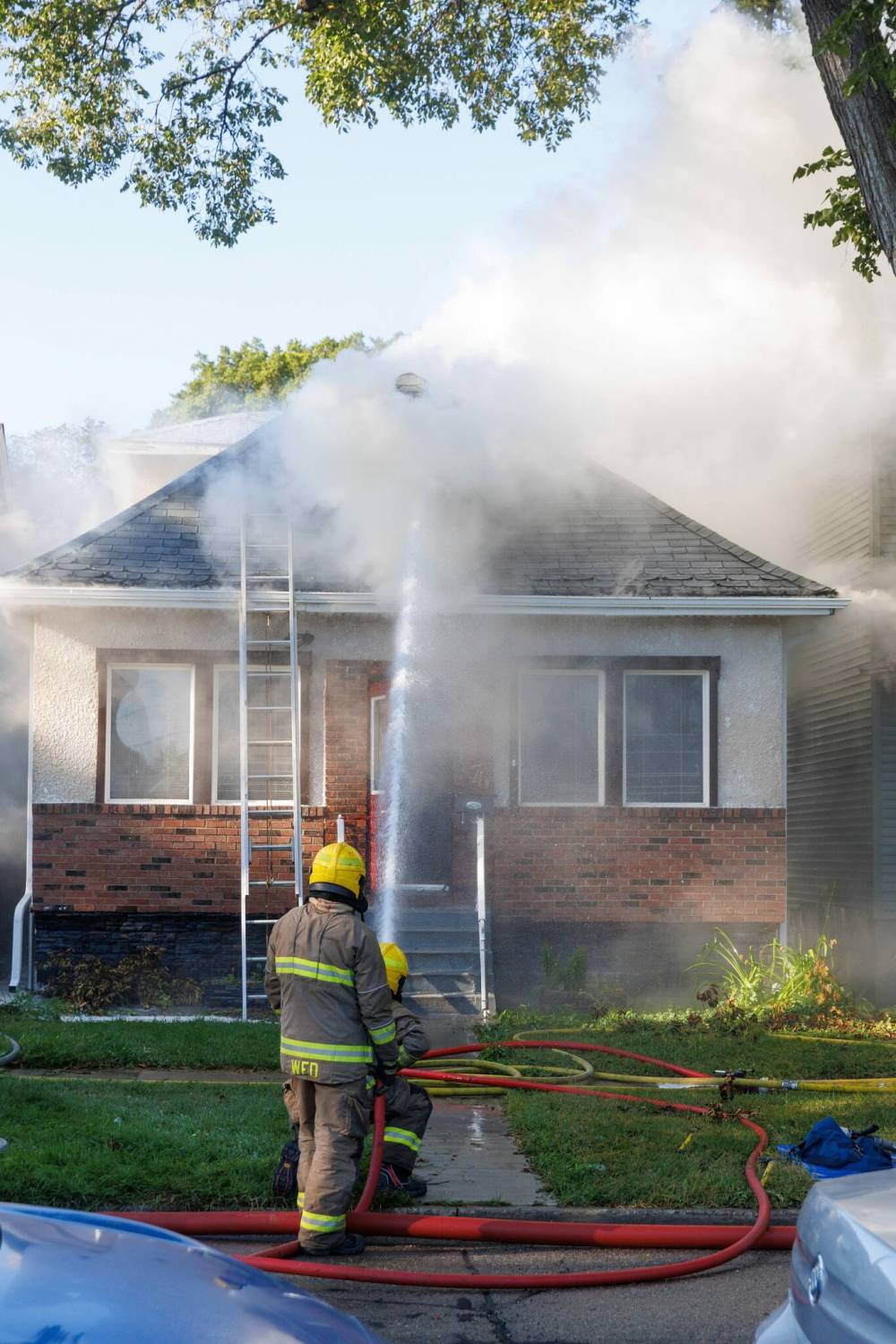
Free Press files
The Winnipeg Fire Paramedic Service responded to a record number of calls in 2025.
The report should serve as a call to action for both city hall and the Manitoba government.
Perhaps the most troubling statistic is not simply the rising call volumes but the response times. The 90th-percentile ambulance response time for the most urgent medical emergencies was 19 minutes and 27 seconds.
Fire crews reached top-priority incidents within nine minutes and 28 seconds, longer than other Canadian cities of similar size.
Winnipeg also has the highest rate of structure fires anywhere in Canada.
Medical emergencies involving cardiac arrest, severe trauma or respiratory failure can quickly become fatal when treatment is delayed.
Fire response times are equally critical because fires can double in size within minutes.
Every additional minute increases the risk to victims trapped inside buildings and to firefighters attempting rescues.
The report also reveals that Winnipeg had more than 64 hours during 2025 when no ambulances were immediately available anywhere in the city. While backup arrangements exist and calls continue to be managed, no city wants to find itself in a position in which ambulance resources are completely exhausted.
None of this reflects a lack of dedication by front-line staff. On the contrary, Winnipeg’s firefighters and paramedics continue to perform exceptionally under increasingly difficult circumstances. They cannot, however, overcome structural problems through hard work alone.
The demands placed upon them have fundamentally changed.
Emergency services are increasingly responding to the social consequences of addiction, homelessness and untreated mental illness. Firefighters and paramedics have become, by necessity, front-line participants in the province’s health-care and addictions systems.
Every overdose response, every mental health crisis and every intoxication call consumes emergency resources that may not be available for the next heart attack, house fire or serious collision.
That reality means improving emergency response times cannot be viewed solely as a municipal responsibility.
The city must continue investing in additional stations, ambulances, staffing and equipment as Winnipeg grows, particularly in rapidly expanding neighbourhoods that have outpaced emergency infrastructure.
But the province also has a central role to play, including boosting funding for ambulance services. Expanding addictions treatment, supportive housing, mental health services and recovery programs is also important.

Reducing the number of preventable overdose and addiction-related emergencies eases pressure on ambulance and fire resources while producing better outcomes for those struggling with substance use.
The same is true of broader health-care capacity. When emergency departments are overcrowded and ambulance offload delays occur, paramedics spend valuable time waiting to transfer patients instead of returning to service. Every bottleneck ripples throughout the emergency response system.
There are no quick fixes. Winnipeg’s growing population, persistent drug crisis and high rates of serious fires ensure demand will remain high for years to come.
But accepting deteriorating response times cannot become the new normal. The annual report provides policymakers with the evidence they need to act.
The challenge now is finding the political will to invest before today’s warning signs become tomorrow’s tragedy.