

Changing a broken economic system
Advertisement
Read this article for free:
or
Already have an account? Log in here »
To continue reading, please subscribe:
Monthly Digital Subscription
$1 per week for 24 weeks*
- Enjoy unlimited reading on winnipegfreepress.com
- Read the E-Edition, our digital replica newspaper
- Access News Break, our award-winning app
- Play interactive puzzles
*Billed as $4.00 plus GST every four weeks. After 24 weeks, price increases to the regular rate of $19.95 plus GST every four weeks. Offer available to new and qualified returning subscribers only. Cancel any time.
Monthly Digital Subscription
$4.99/week*
- Enjoy unlimited reading on winnipegfreepress.com
- Read the E-Edition, our digital replica newspaper
- Access News Break, our award-winning app
- Play interactive puzzles
*Billed as $19.95 plus GST every four weeks. Cancel any time.
To continue reading, please subscribe:
Add Free Press access to your Brandon Sun subscription for only an additional
$1 for the first 4 weeks*
- Enjoy unlimited reading on winnipegfreepress.com
- Read the E-Edition, our digital replica newspaper
- Access News Break, our award-winning app
- Play interactive puzzles
*Your next Brandon Sun subscription payment will increase by $1.00 and you will be charged $17.95 plus GST for four weeks. After four weeks, your payment will increase to $24.95 plus GST every four weeks.
Read unlimited articles for free today:
or
Already have an account? Log in here »
Thanks to the blockade at the Strait of Hormuz, gas prices are higher than they’ve ever been.
For a moment, after threatening to wipe out “an entire civilization,” it appeared sanity might prevail and U.S. President Donald Trump would back down from his warmongering in a manner that would allow the trade route to reopen. But clearly that was only a step back from his fully apocalyptic bluster, and not the total capitulation his blundering warrants.
Instead, as of this writing, we have a childish back and forth that essentially boils down to Trump declaring “well if you’re going to block the strait, I’m going to block your blockade.” It is impossible to know what degree of goofy doom we will face tomorrow. Truly, we suffer under the tyranny of a toddler.
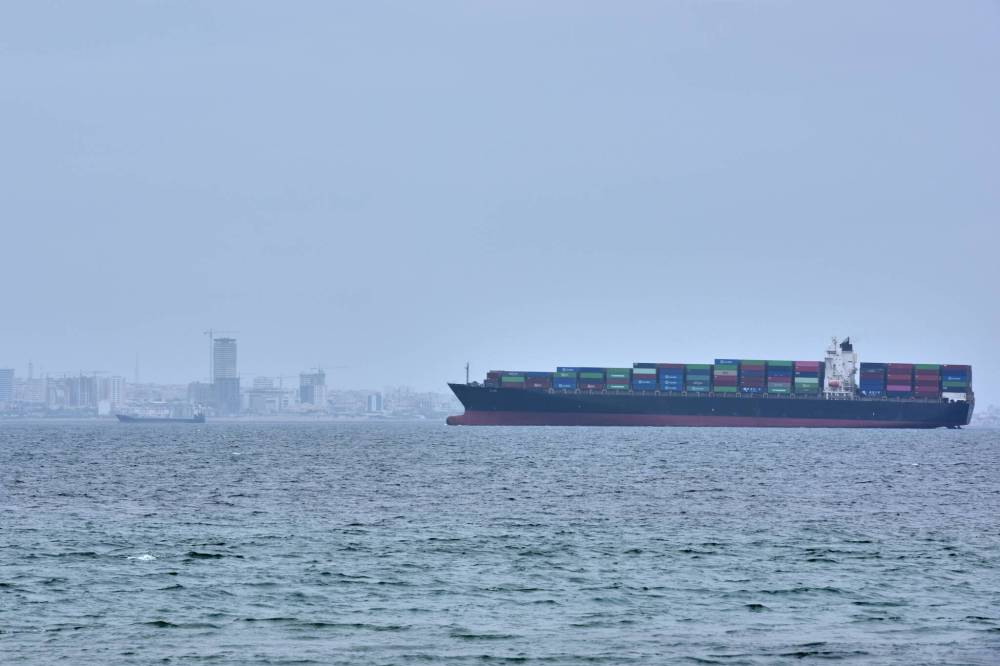
But even if the powers that be were wise enough to end this conflict today, the economic ramifications would reverberate for some time. It will take months for supply chains to be fully re-established, and that is only the material side of things. Confidence surrounding security in the region has been lost. The market is not going to see it as the stable route it once was, which in itself will drive up the price.
Or perhaps that will be one such excuse the oil companies offer for keeping the price high. The truth of it is, this crisis also serves as a pressure test for how high prices can go while people continue to buy. They can always manufacture an excuse to keep selling oil at any threshold they choose, and they will always extract as much profit as they believe consumers will bear.
And here come our knights in shining armour, Prime Minister Mark Carney and Conservative Leader Pierre Poilievre, hand in hand (or perhaps, as the Simpsons might suggest, merely exchanging long protein strings) heralding their intention to axe the gas tax. Sure, apparently our government is in a budgetary crisis to the point that we need to cut 15 per cent of the services Canadians rely on, according to the Liberals’ budgetary priorities. But apparently our two major political parties are in consensus that we must slash this important revenue stream.
There are better, more direct ways to offer relief to Canadians who need it, like a rebate to the lower and middle-income brackets who most keenly feel the pinch of these price hikes. And not for nothing, that is a method that doesn’t obscure the costly pump price highlighting the disaster of Trump’s war. Our government ought not be running cover for him.
As if the gas prices were not enough, the cost of fertilizer is also rising as supply from the Persian Gulf becomes limited. It seems inevitable that the inflation that was finally starting to level off is going to ramp up again, particularly at our grocery stores. Doubtlessly we will again be told to tighten our belts and that we all must make sacrifices in these difficult times. We will see further cuts to services and politicians championing austerity. But you know what we aren’t going to see?
There will be no significant diminishing of corporate profits or shareholder dividends. Those will remain steady, and even rise, just as they did through the COVID-19 pandemic, and that really lays bare the true dynamic of our society. Austerity for thee, but never for me. There is only one true protected class of people in our corporate capitalism, and that is the ownership class. Their status is sacrosanct. To ask them to share in the sacrifice that we all must make in times of supposed scarcity? Unthinkable.
They will raise their prices to whatever it takes to maintain at least their status quo, and the consumer will be expected to subsidize it.

It is baffling we aren’t more outraged by this dynamic when it has been lain so bare so many times. Take corporate bailouts, for example. If during these economic troubles a corporation who is “too big to fail” happens to do so, we will pump in a bunch of public money to resuscitate it. And even if we ignore how often a bunch of those monies get funnelled directly into stock buybacks or shareholder payouts, why is that injection of capital not compensated with an equity stake in the company?
Why are public dollars any different than when a private entity invests in the company? Why is the public purse we all fund merely treated like a piggybank in such instances, rather than the collective investment fund of all Canadians that it is?
Our society is actively structured to primarily maintain the quality of life for the ownership class. Everything else operates in service of that, and in difficult times the suffering of everyone beneath them shall be used to insulate their status.
It is in these times of suffering that people see this reality most clearly. It is when they are most angry at it that we are willing to impact meaningful change upon this broken system.
Alex Passey is a Winnipeg writer.