

Good judgment always outweighs campaign promises — even broken ones

Advertisement
Read this article for free:
or
Already have an account? Log in here »
To continue reading, please subscribe:
Digital Subscription
One year of digital access for only $1.44 a week*
- Enjoy unlimited reading on winnipegfreepress.com
- Read the E-Edition, our digital replica newspaper
- Access News Break, our award-winning app
- Play interactive puzzles
*Billed as $5.77 plus GST every four weeks. After 52 weeks, price increases to the regular rate of $19.95 plus GST every four weeks. Offer available to new and qualified returning subscribers only. Cancel any time.
To continue reading, please subscribe:
Add Free Press access to your Brandon Sun subscription for only an additional
$1 for the first 4 weeks*
- Enjoy unlimited reading on winnipegfreepress.com
- Read the E-Edition, our digital replica newspaper
- Access News Break, our award-winning app
- Play interactive puzzles
*Your next Brandon Sun subscription payment will increase by $1.00 and you will be charged $17.95 plus GST for four weeks. After four weeks, your payment will increase to $24.95 plus GST every four weeks.
Read unlimited articles for free today:
or
Already have an account? Log in here »
When I vote in an election, I pay less attention to what candidates promise and more on whether I think I can trust their judgment.
Campaign promises are easy to make. Candidates can promise lower taxes, safer streets, improved transit and more efficient government. They can produce glossy brochures, deliver polished speeches and tell voters exactly what they want to hear.
But promises are cheap. Governing is hard.
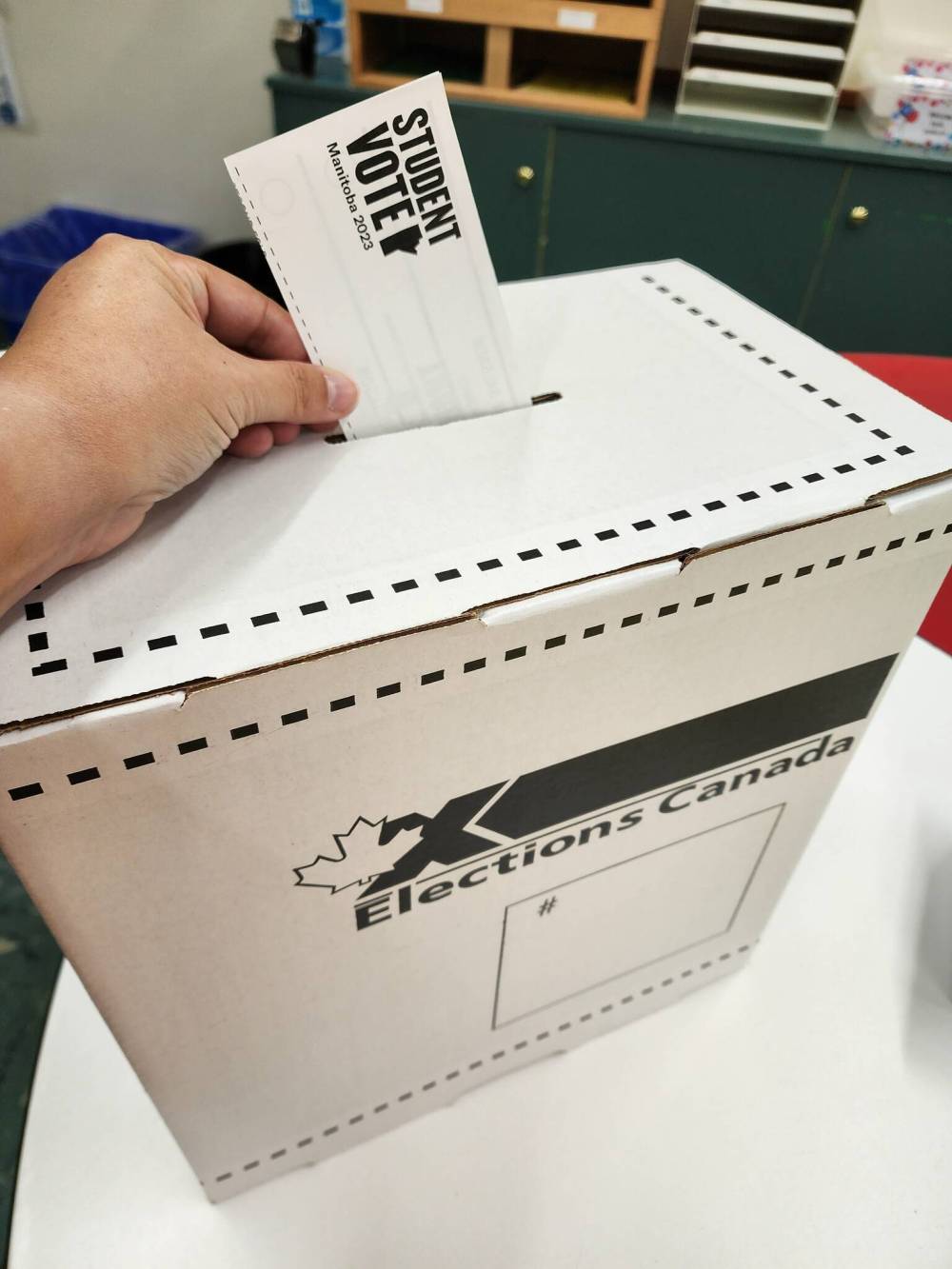
SUPPLIED
Sometimes, deciding which candidate to trust comes down to a gut feeling.
What matters most to me is whether the people seeking public office have the judgment to make thoughtful, well-informed decisions when confronted with difficult problems. Once the election signs come down and the campaign rhetoric fades, politicians are left to deal with the messy, complicated business of governing. And no campaign platform, no matter how carefully crafted, can anticipate every challenge that will arise.
Good government, at any level, isn’t about ideology. It’s not about whether a politician is right-wing or left-wing, conservative or progressive (which is why I’m always dumbfounded by partisans who cling unconditionally to individual parties). Nor is it always about whether I agree with every individual policy they propose.
It’s about whether I believe they can make sensible decisions, weigh competing interests, listen to credible advice and recognize when they’re wrong.
That last point is particularly important.
I don’t automatically lose faith in a politician who breaks an election promise. Sometimes breaking a promise is the right thing to do.
Governments regularly encounter circumstances that change the calculations they made during an election campaign. New information comes to light, economic conditions shift or a policy that looked sensible on paper proves unworkable in practice.
In those circumstances, should a politician stubbornly stick to a commitment simply because they made it during a campaign? Should they ignore new evidence and push ahead with a bad decision to avoid accusations of breaking their word?
Absolutely not.
Unfortunately, political debate too often treats changing one’s mind as a sign of weakness or dishonesty. Politicians themselves frequently contribute to that problem by making absolute promises they have little chance of keeping, then pretending that circumstances will never change.
The ability to reconsider a position in light of new evidence is a strength, not a weakness. Good decision-makers don’t cling to bad ideas simply to protect their reputations. They adjust when the facts warrant it. Abraham Lincoln was a master at it.
That doesn’t mean politicians should be given a free pass to break commitments. Election promises matter, and voters have every right to hold elected officials accountable when they fail to deliver. But accountability should involve examining the reasons behind a decision, not merely checking whether a politician followed a campaign script.
The real question is whether the decision was reasonable under the circumstances.
Of course, assessing a candidate’s judgment isn’t easy.
For established politicians, voters have a public record to examine. They can look at the decisions elected officials made, how they’ve handled difficult situations and whether they’ve demonstrated an ability to learn from their mistakes.
For newcomers, it’s considerably harder. Many have never held elected office, and the public has little opportunity to see how they perform under pressure or respond to competing demands. Campaign appearances and carefully rehearsed answers reveal only so much.
Sometimes, deciding whom to trust comes down to a gut feeling. We try to assess a candidate’s character, honesty, temperament and willingness to acknowledge inconvenient facts. We listen to how they talk about opponents, how they respond to criticism and whether they seem interested in solving problems or simply winning arguments.
None of this guarantees we’ll get it right. Politicians can be persuasive campaigners and disappointing decision-makers. Others can be imperfect communicators but capable, thoughtful leaders.
Still, I would rather elect someone whose judgment I trust than someone who promises to deliver every policy I happen to support.
Consider Prime Minister Mark Carney’s popularity. Why has he earned such strong support among Canadians, even though they won’t necessarily agree with everything his government does?
It’s difficult to separate the effects of his policies, political circumstances and public expectations. Trust is undoubtedly a big part of the equation.
Carney brings a background in economic leadership and a reputation for analytical decision-making. At a time of considerable uncertainty, many Canadians appear to believe he can assess complicated problems, understand the risks and make decisions in the country’s interests. They trust him.
That doesn’t mean he’s infallible. Nor does it mean Canadians endorse every policy, every expenditure or every decision he makes. It means many voters are prepared to give him the benefit of the doubt because they believe he has the judgment to navigate difficult circumstances.

That’s a valuable political asset and one that can disappear quickly if a leader repeatedly makes poor decisions or demonstrates they can’t be trusted.
What separates good politicians from bad ones isn’t necessarily whether they stick rigidly to their campaign platforms. It’s whether they have the judgment, integrity and humility to make sensible decisions that benefit their constituents, even when doing so is politically uncomfortable.
That’s what I look for when I vote. Not perfection, not ideological purity and not a list of promises designed to win my support.
Just good judgment. Happy voting.
tom.brodbeck@winnipegfreepress.com
Tom has been covering Manitoba politics since the early 1990s and joined the Winnipeg Free Press news team in 2019.
Our newsroom depends on a growing audience of readers to power our journalism. If you are not a paid reader, please consider becoming a subscriber.
Our newsroom depends on its audience of readers to power our journalism. Thank you for your support.
Advertisement Advertise With Us
Advertisement Advertise With Us