

Federal public servants to start returning to office next month with hybrid system
Advertisement
Read this article for free:
or
Already have an account? Log in here »
To continue reading, please subscribe:

Digital Subscription
One year of digital access for only $205*
- Enjoy unlimited reading on winnipegfreepress.com
- Read the E-Edition, our digital replica newspaper
- Access News Break, our award-winning app
- Play interactive puzzles
*First annual payment billed as $205.00 + GST for one year. This annual subscription will automatically renew at $233.00 + GST every 52 weeks (10% off the regular annual price of $259.35). Offer available to new and qualified returning subscribers only. Cancel any time.
To continue reading, please subscribe:
Add Free Press access to your Brandon Sun subscription for only an additional
$1 for the first 4 weeks*
- Enjoy unlimited reading on winnipegfreepress.com
- Read the E-Edition, our digital replica newspaper
- Access News Break, our award-winning app
- Play interactive puzzles
*Your next Brandon Sun subscription payment will increase by $1.00 and you will be charged $17.95 plus GST for four weeks. After four weeks, your payment will increase to $24.95 plus GST every four weeks.
Read unlimited articles for free today:
or
Already have an account? Log in here »
Hey there, time traveller!
This article was published 15/12/2022 (1345 days ago), so information in it may no longer be current.
OTTAWA – Treasury Board President Mona Fortier announced Thursday that federal public servants will soon have to return to in-person office work two to three days per week — a move that a major public union is calling “absolutely disrespectful.”
Fortier told reporters Thursday that after the government shifted to a necessary hybrid model during the pandemic, there began to be “inconsistencies in the system” on how employees were treated.
She didn’t directly answer a question about whether she had seen any data suggesting a drop in productivity due to remote work.
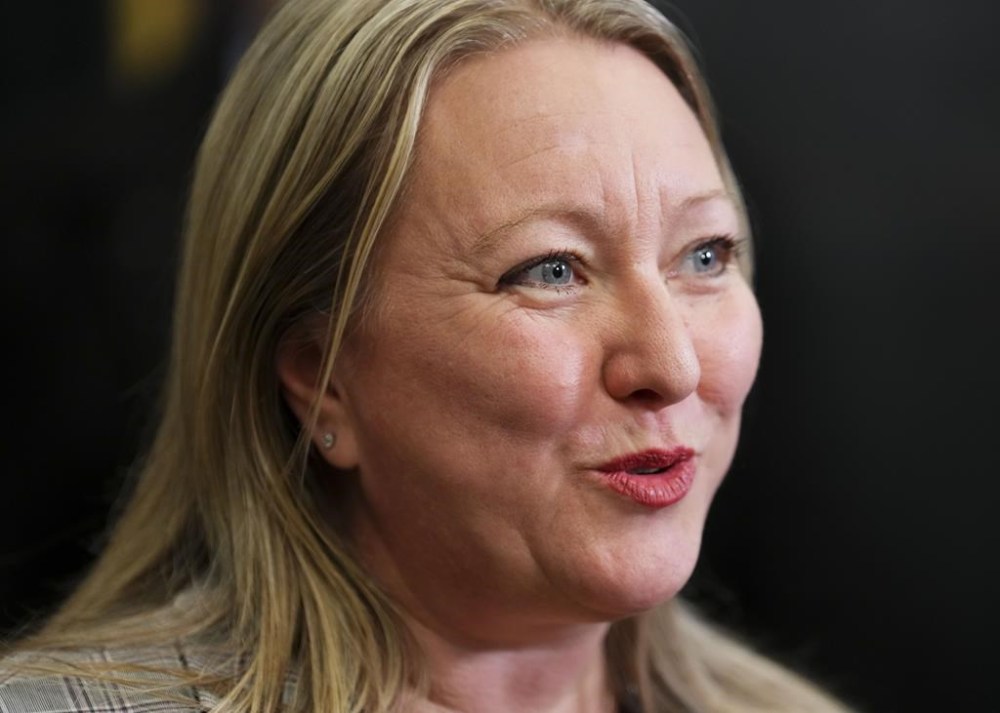
“We’re looking at everything that we’re doing and to make sure that we serve Canadians best, and we’re adapting this model,” Fortier said.
A Treasury Board document explaining the impending change says that hybrid work is here to stay. The government is neither returning to a traditional model nor continuing with the one imposed by the COVID-19 pandemic, it says.
Employees across all departments in the core public service will be subject to a “phased introduction” of the return-to-office plan starting Jan. 16, with Fortier confirming that it’s a firm requirement across the board.
The plan would be fully implemented by the end of March 2023 and would see employees spending 40 to 60 per cent of their time at the office.
The Treasury Board, which oversees the administration of the public service, is also encouraging federal agencies to follow suit.
Departments were able to make their own decisions about hybrid models until now. But the document says that there must be consistency for the decisions to be fair and equitable.
Chris Aylward, the national president of the Public Service Alliance of Canada, said that there had been “absolutely zero consultation” on the decision.
“It’s absolutely disrespectful to the workers who’ve made sacrifices for Canadians,” said Aylward.
With the news coming less than two weeks before the holidays, Aylward said many parents have been put in a tough position and will be scrambling to find alternative care for their children come January.
Fortier said the government communicated the changes to unions.
“We informed the unions about this new decision from the management, that location of work is a right of the employer and that we will now go to this common approach across the government,” said Fortier.
Jennifer Carr, president of the Professional Institute of the Public Service of Canada, echoed Aylward’s comments. She said she is concerned about whether government workplaces can accommodate a return to the office en masse.
“One of my consultation team members went into the workplace last week and found employees working on the floor,” she said.
Fortier said the administration will be working with all departments to ensure that workers have a proper space to work, though she did not provide further details.

Accommodation requests under the new policy will be assessed by each department on a case-by-case basis, the Treasury Board document says.
It lists several possible exceptions to the hybrid model, including for people who were hired to work remotely prior to March 16, 2020, Indigenous employees whose location is critical to their identity and workers who were already subject to different arrangements that pre-existed COVID-19.
This report by The Canadian Press was first published December 15, 2022.
———
This story was produced with the financial assistance of the Meta and Canadian Press News Fellowship.