

Indigenous public health organization taking over TB treatment on northern First Nations
Advertisement
Read this article for free:
or
Already have an account? Log in here »
To continue reading, please subscribe:
Digital Subscription
One year of digital access for only $1.44 a week*
- Enjoy unlimited reading on winnipegfreepress.com
- Read the E-Edition, our digital replica newspaper
- Access News Break, our award-winning app
- Play interactive puzzles
*Billed as $5.77 plus GST every four weeks. After 52 weeks, price increases to the regular rate of $19.95 plus GST every four weeks. Offer available to new and qualified returning subscribers only. Cancel any time.
To continue reading, please subscribe:
Add Free Press access to your Brandon Sun subscription for only an additional
$1 for the first 4 weeks*
- Enjoy unlimited reading on winnipegfreepress.com
- Read the E-Edition, our digital replica newspaper
- Access News Break, our award-winning app
- Play interactive puzzles
*Your next Brandon Sun subscription payment will increase by $1.00 and you will be charged $17.95 plus GST for four weeks. After four weeks, your payment will increase to $24.95 plus GST every four weeks.
Read unlimited articles for free today:
or
Already have an account? Log in here »
An Indigenous public health organization is launching its own unit to treat tuberculosis patients in 11 northern Manitoba First Nations.
The transfer of services to Keewatinohk Inniniw Minoayawin Inc. from the Winnipeg Regional Health Authority began this week and is expected to stretch into the spring.
“Our people deserve health care that is accessible, culturally grounded and delivered by people who understand our communities. This transition is more than a change in service delivery; it is a step toward First Nations taking greater control of our own health and well-being,” Pimicikamak Okimawin chief and chair of the Keewatinohk Inniniw Okimowin council David Monias said in a news release.
MIKAELA MACKENZIE / FREE PRESS FILES
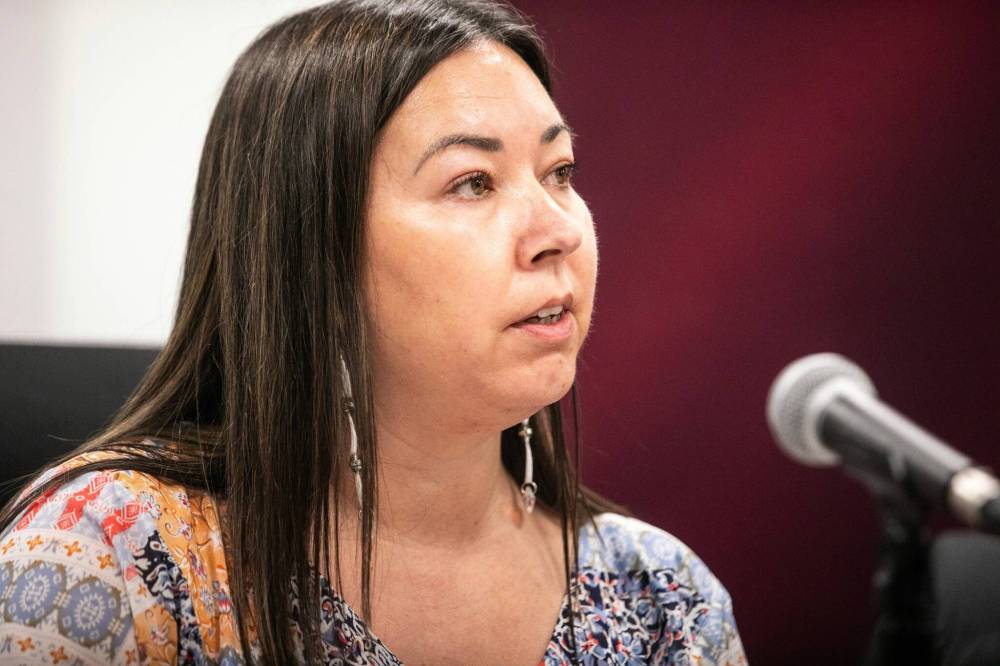
“We need the health-care system to work around the individual, not the individual to work around the system,” says Michelle Monkman, CEO of Keewatinohk Inniniw Minoayawin.
Prior to the launch of the unit, TB patients had to wait for referrals from the Winnipeg Regional Health Authority and seek care through nursing stations, which can be busy.
The new unit will be staffed by public health nurses and community-based diagnostic support workers. New infrastructure will be built, as well as the use of existing nursing stations for the new units.
“We need the health-care system to work around the individual, not the individual to work around the system,” Michelle Monkman, CEO of Keewatinohk Inniniw Minoayawin, told the Free Press. “We can’t keep using the same system and expecting different outcomes.”
The unit will focus on preventing TB, identifying and treating infections. The program will also expand contact tracing to identify people who may have been exposed to the highly contagious disease.
Keewatinohk Inniniw Minoayawin is a federally funded organization that works with First Nations to provide health-care services.

Data shows TB disproportionately affects Indigenous people. According to the Public Health Agency of Canada, in 2024 the rate of infection in the Northern Health Region was more than eight times the provincial rate.
The rate of TB among First Nations people in 2023 was more than 45 times higher than among non-Indigenous people.
First Nations now receiving TB services include Berens River First Nation, Little Grand Rapids First Nation, Manto Sipi Cree Nation, Northlands Denesuline First Nation, Opaskwayak Cree Nation, Poplar River First Nation, Sandy Bay First Nation, Sapotaweyak Cree Nation, Tataskweyak Cree Nation, Wuskwi Sipihk First Nation and York Factory First Nation.
Through a phased approach the organization anticipates it will provide services to 57 First Nations across Manitoba by the summer.
nicole.buffie@winnipegfreepress.com