

Indigenous Sports Fund listening to level playing field

Advertisement
Read this article for free:
or
Already have an account? Log in here »
To continue reading, please subscribe:

Digital Subscription
One year of digital access for only $205*
- Enjoy unlimited reading on winnipegfreepress.com
- Read the E-Edition, our digital replica newspaper
- Access News Break, our award-winning app
- Play interactive puzzles
*First annual payment billed as $205.00 + GST for one year. This annual subscription will automatically renew at $233.00 + GST every 52 weeks (10% off the regular annual price of $259.35). Offer available to new and qualified returning subscribers only. Cancel any time.
To continue reading, please subscribe:
Add Free Press access to your Brandon Sun subscription for only an additional
$1 for the first 4 weeks*
- Enjoy unlimited reading on winnipegfreepress.com
- Read the E-Edition, our digital replica newspaper
- Access News Break, our award-winning app
- Play interactive puzzles
*Your next Brandon Sun subscription payment will increase by $1.00 and you will be charged $17.95 plus GST for four weeks. After four weeks, your payment will increase to $24.95 plus GST every four weeks.
Read unlimited articles for free today:
or
Already have an account? Log in here »
Manitoba is home base for a fund organizers hope will boost Indigenous participation in sport across Canada.
“We should be involved in more than just dancing in the opening ceremonies,” said Bruce Miller, creator of the nascent Indigenous Sports Fund.
He’s been visiting First Nations and Métis groups since June as part of “listening tours,” where community members share their thoughts about how such a fund could be used.
MIKE DEAL / FREE PRESS
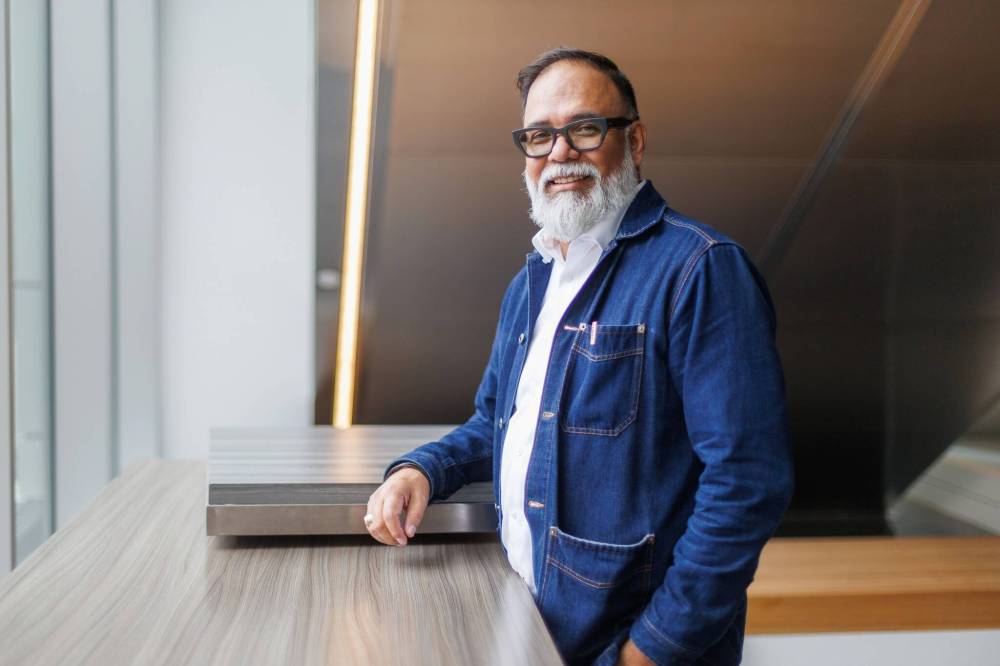
Bruce Miller, founder of the Winnipeg-based Indigenous Sports Fund, which aims to be a multi-million dollar national fund to boost Indigenous youth’s participation in sport.
It’s not his first time launching a project: he’s a founding member of the Winnipeg Aboriginal Sport Achievement Centre and has led the Indigenous Peoples Resilience Fund, which provided emergency relief during the COVID-19 pandemic.
Miller said he began thinking about a sports-focused fund in 2023, when his daughter was playing soccer for Team Manitoba at the North American Indigenous Games in Halifax.
“I noticed for the youth (at the Halifax tournament) … they were learning more about their language, their culture, their identity,” Miller, 60, said. “They were very proud to be part of Team Manitoba for the Indigenous Games.”
His idea percolated.
Last December, Miller became the executive director for the Manitoba Aboriginal Sports and Recreation Council and said the organization often receives calls from people saying their children can’t afford to play sports.
The new perspective — plus recommendations from the federal Future of Sport in Canada Commission’s report, released this March — caused Miller to leave his job and pivot his attention to the new sports fund, he said.
As a leader and fundraiser for several entities, including the University of Winnipeg and United Way Winnipeg, he tapped organizations in the non-profit space.
So far, Canadian Tire Jumpstart Charities has been backing the cross-country listening tour and initial fund meetings. Doug Gord, Jumpstart’s strategic advisor, declined to say how much money has been invested in the project.
“I think it’s fundamental,” Gord said of the listening tours. “It’s not up to Jumpstart or any philanthropic organization to decide for Indigenous communities what they need.
“We have to listen, learn and build something in the image of Indigenous communities and leaders.”
Organizers have met with groups in Manitoba and Alberta, Miller said. British Columbia, Ontario, Atlantic Canada and the North are also on the list.
Miller is working with the Community Foundations of Canada on launching, including for financial and strategic advice. He’s partnered with Celeste McKay Consulting on the listening tours.
He plans to create a report based on what he hears from Indigenous communities. It is expected to be distributed to participating groups at the end of this year or early 2027.
The fund will launch after, Miller said. He’s aiming for $3 to $5 million of investment to start. He declined to say how much money the entity has received; it’s beginning the process of obtaining charitable status.
“There is no Indigenous sport fund at a national level, like as a philanthropic vehicle,” Miller said. “It is something that I think is going to be both transformative and generational to our communities.”
Thirty per cent of Indigenous girls ages 13 to 18 play sports weekly — noticeably less than their white peers (52 per cent), according to a 2022 Canadian Women & Sport report the federal government has cited.
Miller said he aims to follow the Truth and Reconciliation Commission of Canada’s calls to action through the fund — specifically calls 87 through 91, which touch on Aboriginal athlete development and inclusion.
Sponsoring Indigenous sports events and providing cash for teams are potential fund uses, Miller said. He envisions hiring staff and creating regional granting circles.
“(This) would be great,” said Joannie Halas, a former University of Manitoba recreation management professor who studied equity issues affecting Indigenous youth in sport.
“Having it run and administered by Indigenous peoples is what will… hopefully break through the bureaucratic barriers that exist when you’re trying to access funding through the federal Sport Canada or other agencies.”

Typically, athletes need money to reach higher levels of sport. Training camps, equipment and tournaments are costly, Halas said.
Poverty and discrimination have held many Indigenous youth back, she continued.
“You have less funding for everything involved in a sport delivery system,” she said.
Miller didn’t have a launch date for the fund Wednesday. He’s continuing listening tours and liaising with funders, he said.
gabrielle.piche@winnipegfreepress.com
Gabby is a big fan of people, writing and learning. She graduated from Red River College’s Creative Communications program in the spring of 2020.
Our newsroom depends on a growing audience of readers to power our journalism. If you are not a paid reader, please consider becoming a subscriber.
Our newsroom depends on its audience of readers to power our journalism. Thank you for your support.
Gabby is a big fan of people, writing and learning. She graduated from Red River College’s Creative Communications program in the spring of 2020.
Our newsroom depends on a growing audience of readers to power our journalism. If you are not a paid reader, please consider becoming a subscriber.
Our newsroom depends on its audience of readers to power our journalism. Thank you for your support.
Advertisement Advertise With Us
Advertisement Advertise With Us