

Rogers, Telus deny blame for June twister alert barrage

Advertisement
Read this article for free:
or
Already have an account? Log in here »
To continue reading, please subscribe:

Digital Subscription
One year of digital access for only $205*
- Enjoy unlimited reading on winnipegfreepress.com
- Read the E-Edition, our digital replica newspaper
- Access News Break, our award-winning app
- Play interactive puzzles
*First annual payment billed as $205.00 + GST for one year. This annual subscription will automatically renew at $233.00 + GST every 52 weeks (10% off the regular annual price of $259.35). Offer available to new and qualified returning subscribers only. Cancel any time.
To continue reading, please subscribe:
Add Free Press access to your Brandon Sun subscription for only an additional
$1 for the first 4 weeks*
- Enjoy unlimited reading on winnipegfreepress.com
- Read the E-Edition, our digital replica newspaper
- Access News Break, our award-winning app
- Play interactive puzzles
*Your next Brandon Sun subscription payment will increase by $1.00 and you will be charged $17.95 plus GST for four weeks. After four weeks, your payment will increase to $24.95 plus GST every four weeks.
Read unlimited articles for free today:
or
Already have an account? Log in here »
Telecom companies say they aren’t to blame for the barrage of tornado alerts Manitobans received during severe thunderstorms in early June.
The Canadian Radio-television and Telecommunications Commission announced in August it would investigate the unusually high number of alerts, and called on the Pelmorex Corp., which operates the national Alert Ready system, along with telecom companies Bell, Rogers and Telus to respond to a number of questions.
They were given until last Friday to describe their possible roles in the creation, receipt, processing or distribution of alerts issued from Environment and Climate Change Canada in the midst of the June 9 storm.
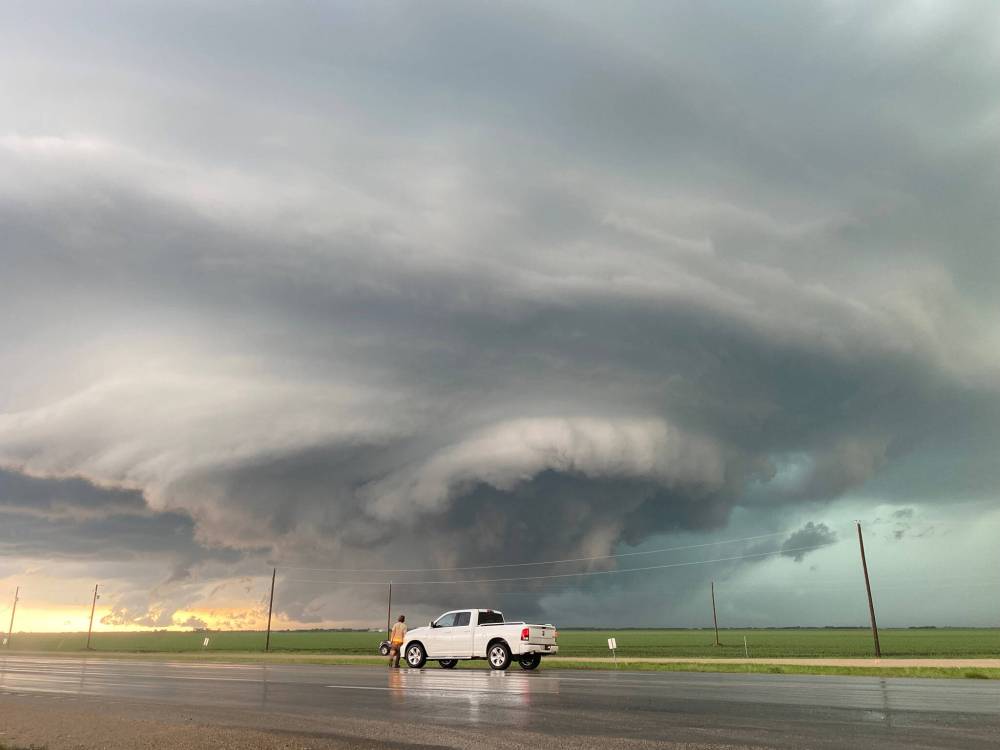
SVJETLANA MLINAREVIC / THE CARILLON
Telecom companies were asked by the Canadian Radio-television and Telecommunications Commission to explain their possible roles in the barrage of tornado alerts Manitobans received during a severe June 9 thunderstorm.
Telus said in its response that it received 133 alert requests targeted to Manitoba created by Environment Canada and forwarded by Pelmorex between 2:35 p.m. June 9 and 3:29 a.m. the following day. While the majority of those messages contained identical information and were automatically suppressed, 17 were ultimately sent out as alerts in Winnipeg.
“Regarding public inquiries forwarded by Pelmorex concerning perceived over-alerting … handsets located within or traversing the Winnipeg area had the technical potential to legitimately receive up to 17 separate, unique alert notifications throughout the day from the Telus network,” reads the document filed by Telus, uploaded to the CRTC’s website and signed by Stephen Schmidt, Telus vice-president of telecom policy and chief regulatory legal council.
Rogers received about 133 alert requests from Environment Canada from 2 p.m. to 11 p.m. June 9, with about a dozen being distinct alerts. Its report noted it was “the first time that (wireless service providers) have encountered a situation of this nature.”
“While Rogers is satisfied that its (wireless public alerting) platform functioned as intended on June 9 and that alerts were successfully distributed to our wireless subscribers, our investigation confirmed that the unusually high volume and frequency of alerts created an over-alerting situation that originated with the alert issuer,” reads the filing, signed by Howard Slawner, vice-president of regulatory telecom at Rogers.

A spokesperson for the CRTC said Bell’s response was received by the deadline but had not been published online yet. Pelmorex requested an extension but had submitted its responses Monday.
“We are reviewing the information received and will publish the responses on our website,” CRTC spokesperson Mirabella Salem said in an email. A spokesperson for Environment Canada said the federal body needed more time to respond.
Some Manitobans reported receiving 16 or more alerts about a tornado “in this mobile coverage area” on June 9. Some received the alerts despite not being in a community under the tornado warning. The notifications warned people to seek shelter.
After the storm passed, concerns were raised about “alert fatigue” that could result in future notifications being ignored.
malak.abas@freepress.mb.caw
Our newsroom depends on a growing audience of readers to power our journalism. If you are not a paid reader, please consider becoming a subscriber.
Our newsroom depends on its audience of readers to power our journalism. Thank you for your support.
Our newsroom depends on a growing audience of readers to power our journalism. If you are not a paid reader, please consider becoming a subscriber.
Our newsroom depends on its audience of readers to power our journalism. Thank you for your support.
Advertisement Advertise With Us
Advertisement Advertise With Us