Soul candles ritual connects women to the past
Advertisement
Read this article for free:
or
Already have an account? Log in here »
To continue reading, please subscribe:
Digital Subscription
One year of digital access for only $1.44 a week*
- Enjoy unlimited reading on winnipegfreepress.com
- Read the E-Edition, our digital replica newspaper
- Access News Break, our award-winning app
- Play interactive puzzles
*Billed as $5.77 plus GST every four weeks. After 52 weeks, price increases to the regular rate of $19.95 plus GST every four weeks. Offer available to new and qualified returning subscribers only. Cancel any time.
To continue reading, please subscribe:
Add Free Press access to your Brandon Sun subscription for only an additional
$1 for the first 4 weeks*
- Enjoy unlimited reading on winnipegfreepress.com
- Read the E-Edition, our digital replica newspaper
- Access News Break, our award-winning app
- Play interactive puzzles
*Your next Brandon Sun subscription payment will increase by $1.00 and you will be charged $17.95 plus GST for four weeks. After four weeks, your payment will increase to $24.95 plus GST every four weeks.
Read unlimited articles for free today:
or
Already have an account? Log in here »
On one evening every fall during the 10 Days of Awe — the solemn period of reflection and repentance between the Jewish holy days of Rosh Hashanah and Yom Kippur — Jane Enkin sits down with a group of women in her Winnipeg home to make candles. The making of the candles is not simply for fun or creative expression — although it serves those purposes as well—but is, rather, an intentional re-enactment of an ancient and little-known High Holiday spiritual ritual.
That ritual is neshome likht, the crafting of ceremonial soul candles.
The making of soul candles during the High Holiday season was common practice among Ashkenazie or Eastern European Jewish women beginning in the 12th century. The candles were made for the souls of both the living and the dead, and often were customized with special wicks made from threads that were used, in another ancient custom, to measure Jewish cemeteries. The measuring of the cemeteries was seen as a way to connect to the deceased in the weeks leading up to Yom Kippur so that those who had already passed might prevail upon God to include their loved ones’ names in the Book of Life.
Oded Balilty / The Associated Press files
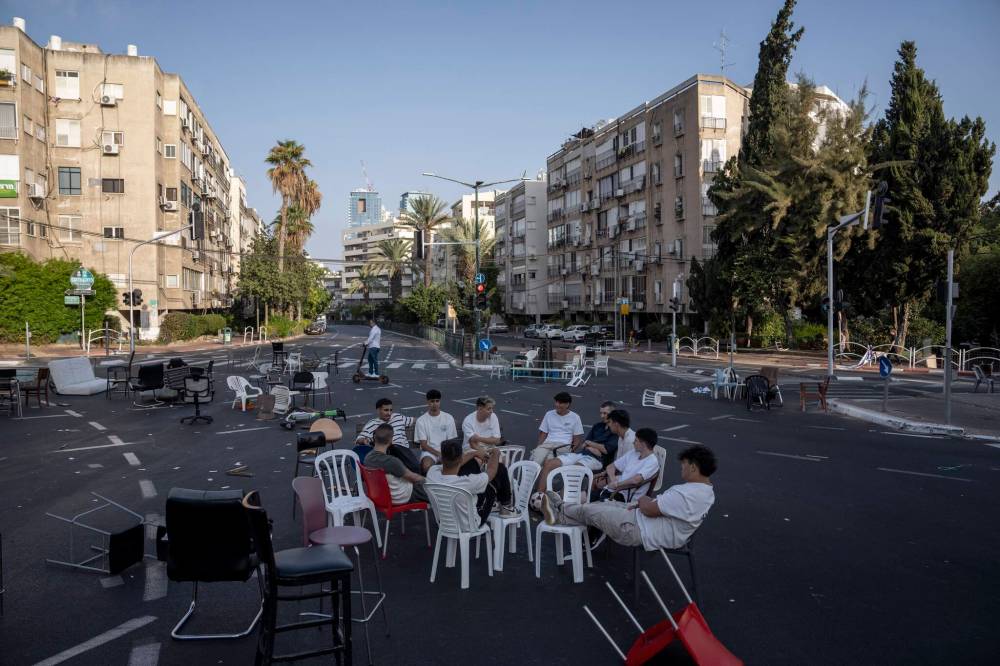
Israeli youths sit at a junction on a car-free road in 2023 during the Jewish holiday of Yom Kippur in Ramat Gan, Israel. Israel comes to an almost complete standstill on Yom Kippur.
While the practice of measuring cemeteries has largely fallen by the wayside, the making of soul candles, or the laying of wicks, has managed to survive over the centuries and has enjoyed a significant resurgence in modern times.
Enkin was already intrigued by the topic of women’s spirituality and the distinct ways in which women experience the spiritual, when she first learned about soul candles. That was 30 years ago and she has been making them annually ever since.
“I gather a group of women together in my home every year, no matter where I’m living,” she says. “Everywhere I go I find women who want to make something meaningful and beautiful together.”
Enkin’s gathering begins with a brief how-to on candle making followed by the recitation of a translated Yiddish prayer, called a tekhina, and the reading of excerpts from Bella Chagall’s memoir, Burning Lights. In that memoir, Chagall, the wife of famed painter Marc, recounts being deeply moved as a child watching her mother in Belarus making soul candles for her loved ones and inadvertently sprinkling them with her tears.
Enkin then invites those gathered around her table to choose from the candle making materials laid out before them: beeswax in a variety of colours, wicks, dried flower petals, spices and other ornamental items. Then in silence the candle makers get to work, measuring, wrapping, rolling and layering their creations as they focus intently on the souls of the particular persons for whom they are making their candles — typically their living and beloved children, partners and parents, and friends and relatives who have passed away.
“In the tradition, we have the power to bring blessings for our loved ones, and those who have died have the power to open up blessings for the living,” Enkin explains. “It seems that the old custom was to ‘lay wicks’ for all the living combined into one candle, and all the wicks for the dead in another. At our gatherings, people make several candles for individuals living and dead, and for groups of people they feel strongly about.”
“I make candles for about the same list of people each year,” Enkin continues, “my own family of four, my extended family living and dead, my deceased parents, and friends and teachers living and dead. I take a wick for each person or group of people. I hold the wick and concentrate on how I appreciate them and what blessings I hope will come to them.”
She adds that she also makes candles for those who do not have anyone to remember them.
Ohad Zwigenberg / The Associated Press files
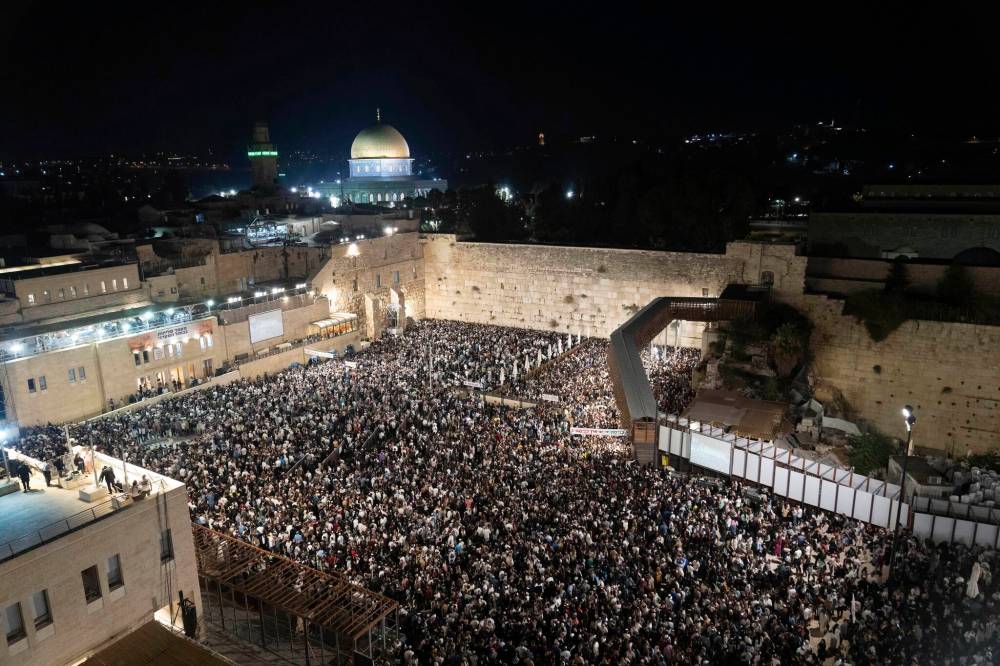
Jewish men and women participate in a Selichot, Hebrew for forgiveness, prayer ahead of Yom Kippur at the Western Wall, the holiest site where Jews can pray, in Jerusalem’s old city in 2023.

As Enkin and her friends apply the finishing touches to their candles, they take turns showing them to one another and sharing as much as they wish about the souls they are meant to represent.
“There are usually some tears,” Enkin says candidly.
What the women do with their candles afterwards is entirely up to them. Some treasure them as keepsakes, while others might light them for good luck. Enkin always sets aside one candle for the living and one candle for the dead to light on the eve of Yom Kippur, which falls this year on Sept. 20, and uses her other ones in the course of the year for the Havdallah service, the Saturday evening ceremony that bids farewell to the Sabbath.
In doing so she remains connected year round to those she loves, those she misses, and the ancient Ashkenazie women who lit the way for her almost a millennium ago.
swchisvin@gmail.com
The Free Press is committed to covering faith in Manitoba through our Religion in the News project. This reporting continues because readers like you step forward to fund it.
Donate now to support our reporting on religion.
Your donation is eligible for a charitable tax receipt.
BECOME A FAITH JOURNALISM SUPPORTER
The Free Press acknowledges the financial support it receives from members of the city’s faith community, which makes our coverage of religion possible.