Dão region offers unsung delights

Advertisement

Advertise with us

When you think of wine from Portugal, there’s a good chance you think of port, the fortified wine made in the Douro Valley. Perhaps your mind meanders north to Vinho Verde, the region producing light-bodied, sometimes-spritzy white wines from the north of the country. And of course, it’s hard to think about Portuguese wine without conjuring up images of the stubby bottles of Mateus Rosé that have seemingly been around forever.

Read this article for free:


or

Already have an account? Log in here »

To continue reading, please subscribe:

Subscribe and receive a limited-edition Free Press branded hat or tote.

Digital Subscription

One year of digital access for only $205*

  • Enjoy unlimited reading on winnipegfreepress.com
  • Read the E-Edition, our digital replica newspaper
  • Access News Break, our award-winning app
  • Play interactive puzzles

*First annual payment billed as $205.00 + GST for one year. This annual subscription will automatically renew at $233.00 + GST every 52 weeks (10% off the regular annual price of $259.35). Offer available to new and qualified returning subscribers only. Cancel any time.

To continue reading, please subscribe:

Add Free Press access to your Brandon Sun subscription for only an additional

$1 for the first 4 weeks*

  • Enjoy unlimited reading on winnipegfreepress.com
  • Read the E-Edition, our digital replica newspaper
  • Access News Break, our award-winning app
  • Play interactive puzzles
Start now

*Your next Brandon Sun subscription payment will increase by $1.00 and you will be charged $17.95 plus GST for four weeks. After four weeks, your payment will increase to $24.95 plus GST every four weeks.

Opinion

Hey there, time traveller!
This article was published 16/11/2019 (2461 days ago), so information in it may no longer be current.

When you think of wine from Portugal, there’s a good chance you think of port, the fortified wine made in the Douro Valley. Perhaps your mind meanders north to Vinho Verde, the region producing light-bodied, sometimes-spritzy white wines from the north of the country. And of course, it’s hard to think about Portuguese wine without conjuring up images of the stubby bottles of Mateus Rosé that have seemingly been around forever.

But in central Portugal, there’s a small wine region quietly producing remarkably sophisticated reds and fresh, expressive whites that are, in some ways, underpriced to a fault.

In early November, I travelled to Portugal’s Dão region with a couple of other Canadian writers as a guest of the Vinhos Dão Wines, the trade organization representing the region’s 47 producers. And while Dão wines (especially the reds) have long been on my radar as wines of great value, visiting many of the region’s wineries and tasting dozens of the wines made there was an eye-opening experience when it came to the quality and character of both the wines and the people.
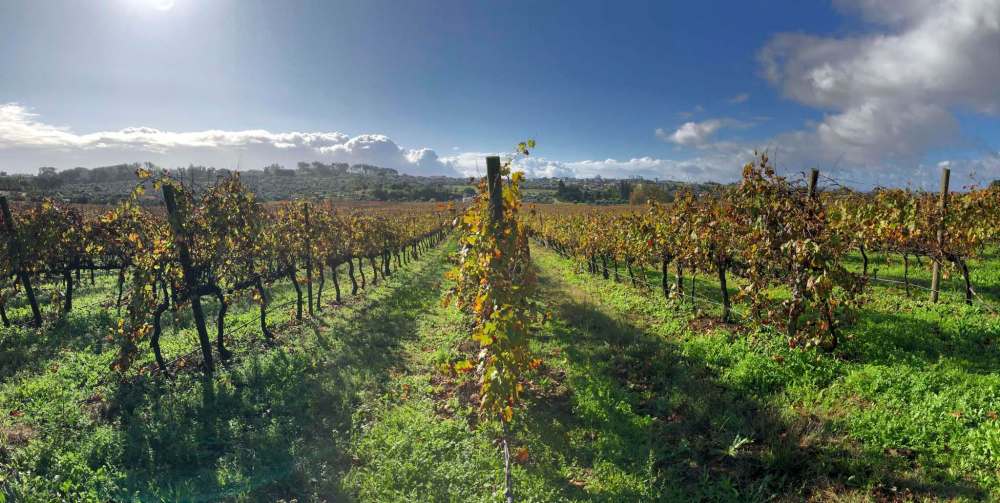
Ben MacPhee-Sigurdson / Winnipeg Free Press
Touriga Nacional grapes catch some rare sun at the onset of the rainy winter season.
Ben MacPhee-Sigurdson / Winnipeg Free Press Touriga Nacional grapes catch some rare sun at the onset of the rainy winter season.

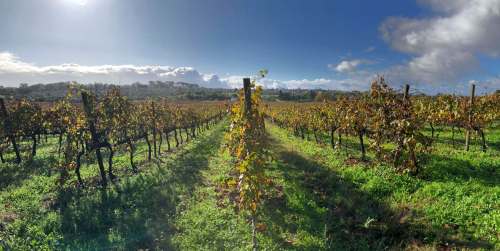
The Dão region is located about an hour and change from the coastal region of Porto by car. The distance from the coast means it’s not subject to excessive maritime influence, and the modest mountains of the region offer protection from extreme weather and variations in vineyard altitude. The climate of the area could be considered “moderate/temperate Mediterranean” — dry but not searing hot in the summer, and remarkably rainy in winter. The soil in the area is primarily granitic; roots of vines search deep in the earth for water, producing grapes with solid ripeness and acidity.

Dão is best-known for robust, full-bodied dry red wines that are typically built around the indigenous Touriga Nacional grape, a variety that’s also used in Portugal’s Douro Valley in port production. In Dão, the reds are most often blends, with Touriga Nacional typically combined with other indigenous grapes such as Jaen and Alfrocheiro, as well as Tinta Roriz (known elsewhere as Tempranillo).

The resulting rustic reds bring plenty of dark berry notes and firm tannins with remarkable aging potential; they’re quite tasty on their own, but are also ideal wines to pair with big beef dishes (which are common in the region). Most producers also make smaller runs of single-variety reds, especially of Touriga Nacional; while they were generally impressive, some lacked the cohesion of fruit, tannin and wood (Dão reds are most often aged in French oak barrels) of the blends.
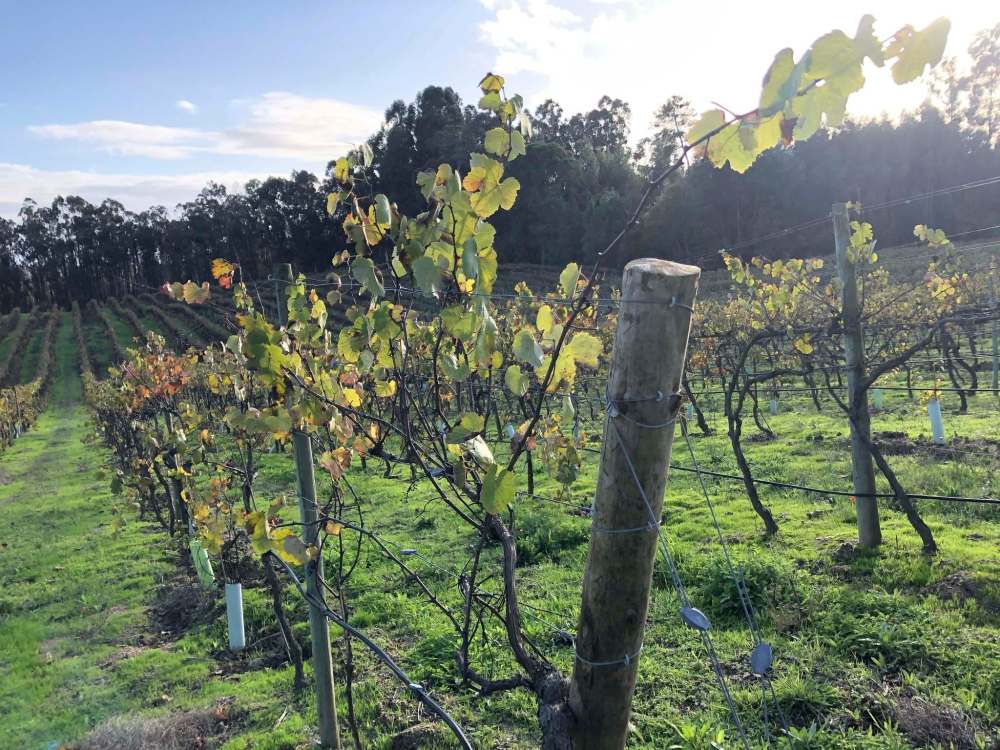
Ben MacPhee-Sigurdson / Winnipeg Free Press
Portugal’s Dão region is home to a range of altitudes and slopes between the mountains and the valley floor.
Ben MacPhee-Sigurdson / Winnipeg Free Press Portugal’s Dão region is home to a range of altitudes and slopes between the mountains and the valley floor.

And while Dão producers are best-known for their red blends, they’re also making some incredibly vibrant white wines, some of which have remarkable aging potential. Most winemakers produce a white blend using indigenous grapes such as Encruzado and Bical, as well as Mediterranean varieties such as Malvasia Fina. The resulting wines offer fresh tropical fruit notes and some surprising body, and are sometimes also aged in oak (although usually either for short periods of time or in older barrels that don’t impart much in the way of flavour).

The star of the white wine varieties in Dão, without question, is Encruzado. Producers are enthusiastic about the grape’s potential and flavour profile, which tends to deliver complex chalky, toasted nut and slightly oxidative notes with fresh pear, red apple and honeycomb notes. Similar to the white Semillon grape, aging trials have shown Encruzado wines are expressive when drunk young, then go through a period of three to five years when the flavours shut down, for lack of a better term, before the wine opens up and matures into a complex, fascinating aged white. A delicious 2010 Encruzado sampled on the trip certainly proved that point in spades.
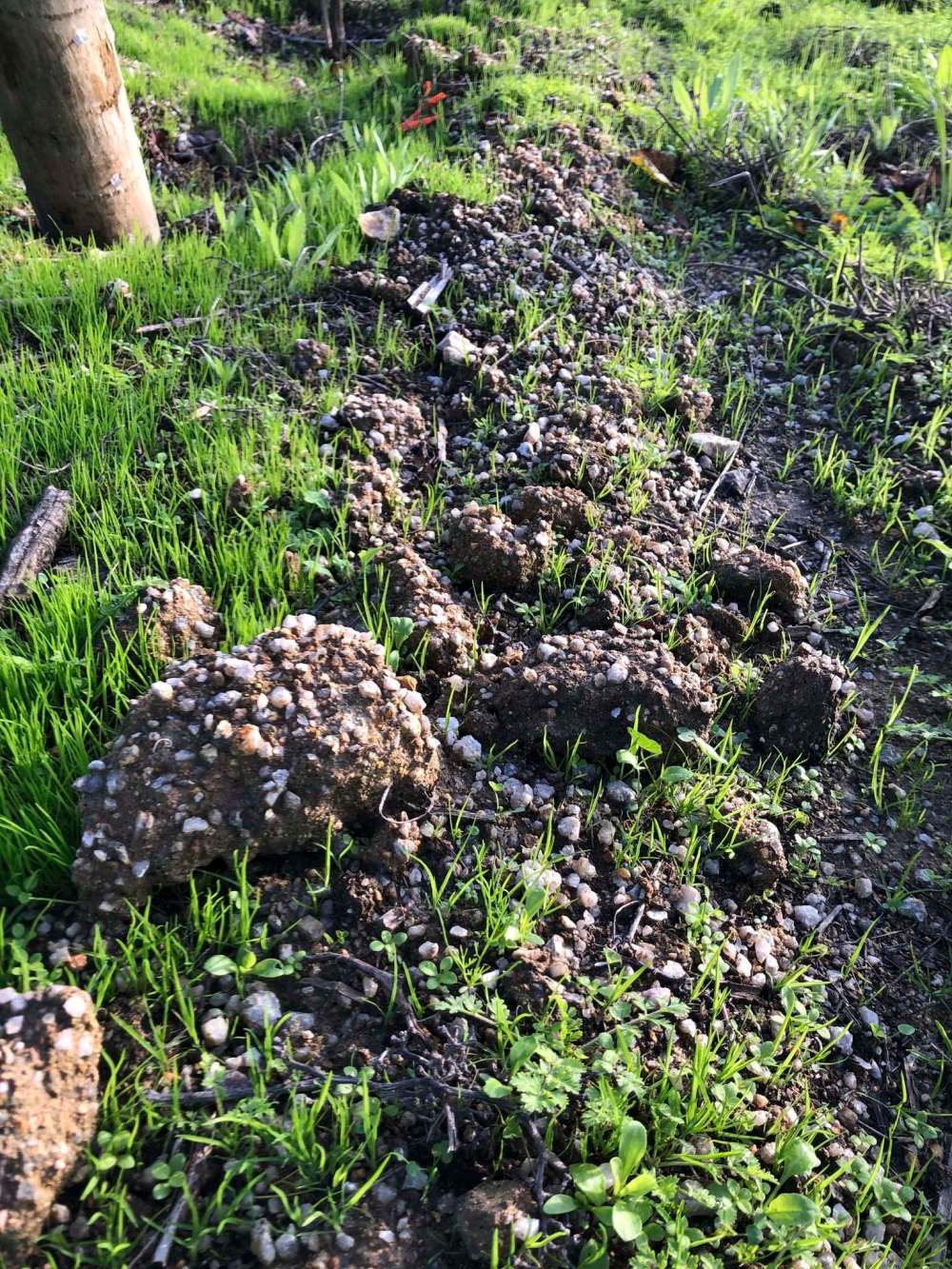
Ben MacPhee-Sigurdson / Winnipeg Free Press
The granitic, rocky soil throughout Portugal's Dão region sees vines digging roots deeper in search of water, resulting in grapes full of flavour and acidity when picked.
Ben MacPhee-Sigurdson / Winnipeg Free Press The granitic, rocky soil throughout Portugal's Dão region sees vines digging roots deeper in search of water, resulting in grapes full of flavour and acidity when picked.

Overall, whites from the Dão region are ideal pairings for fish dishes, which are extremely common throughout the region — especially bacalhau (cod, often salted) and octopus.

Dão wines have long had a reputation for being good values, and it’s true — the wines over-deliver for the price. Many producers rightly pointed out that such a reputation actually has a downside: when a region is best-known for bargain-priced wine, it makes highlighting (and selling) pricier premium and higher-end wines more difficult, even though they’re still ridiculous bargains.

But as they have for decades, producers in Portugal’s Dão region will certainly persevere. Locals are vocal and enthusiastic about drinking the wines made in their region; in the meantime, the rest of can continue to enjoy the well-priced reds and whites that make it to our store shelves.

uncorked@mts.net

Twitter: @bensigurdson

Wines of the week
Ben MacPhee-Sigurdson / Winnipeg Free Press
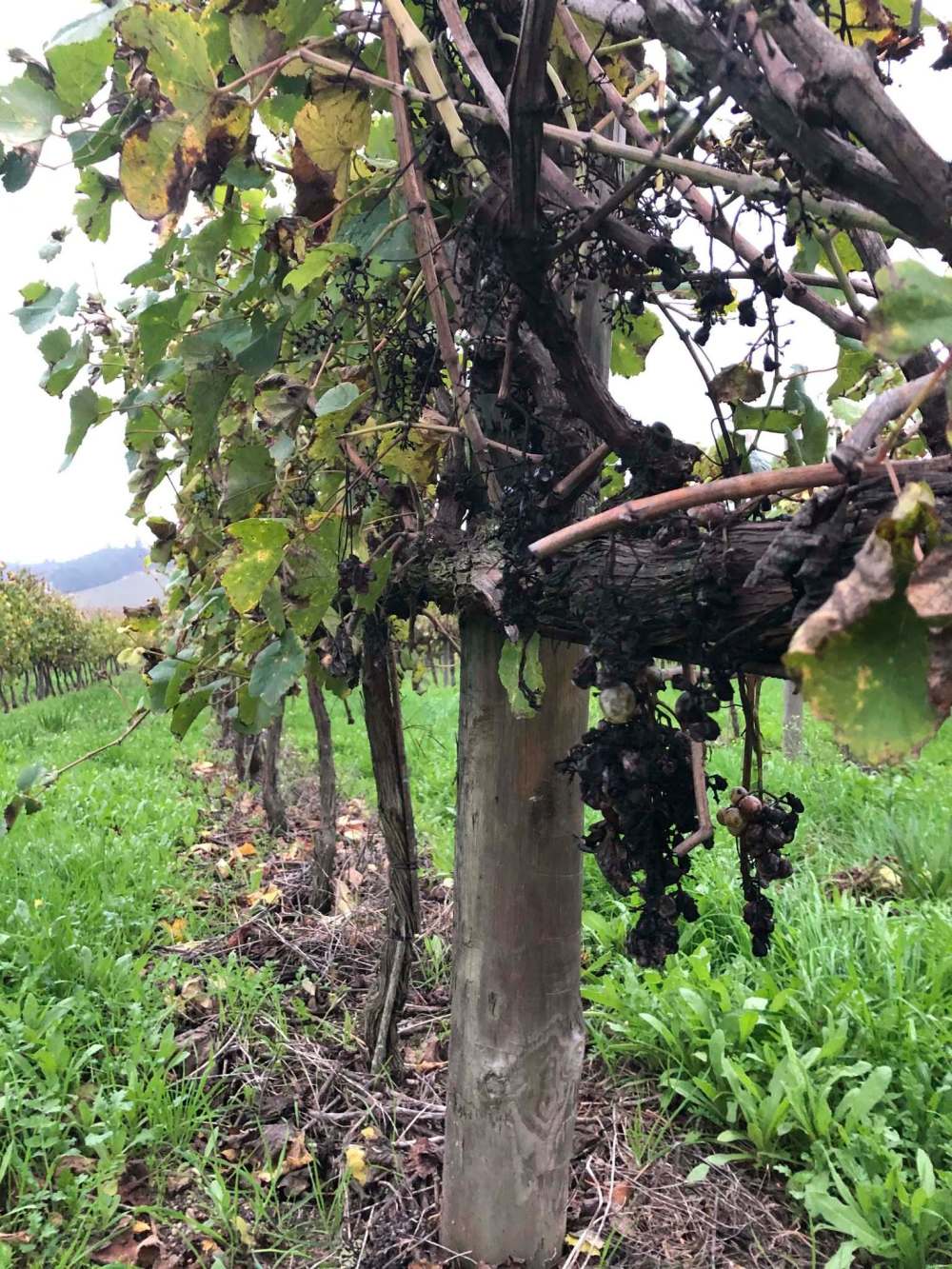
Bunches of Touriga Nacional grapes hang unpicked on vines post-harvest, likely the result of uneven ripening or mildew.
Ben MacPhee-Sigurdson / Winnipeg Free Press Bunches of Touriga Nacional grapes hang unpicked on vines post-harvest, likely the result of uneven ripening or mildew.

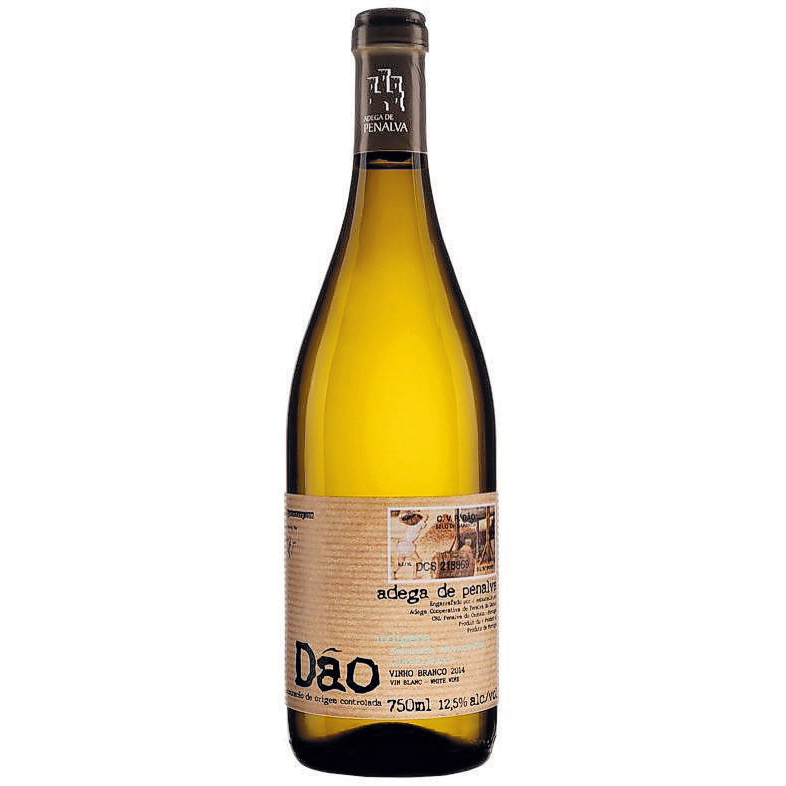
Adega de Penalva 2018 Branco (Dão, Portugal — around $13, private wine stores)

Pale straw in colour, this blend of Encruzado, Malvasia Fina and Cerceal Branco grapes brings bright floral, honey, pear, peach and red apple seed notes on the nose. On the medium-bodied palate, there’s a viscous texture that delivers fresh pineapple, mango and mandarin orange flavours, with light honeyed notes that work well in contrast to the medium acidity. A great value for the price; obtained at Banville & Jones. ★★★★ out of five
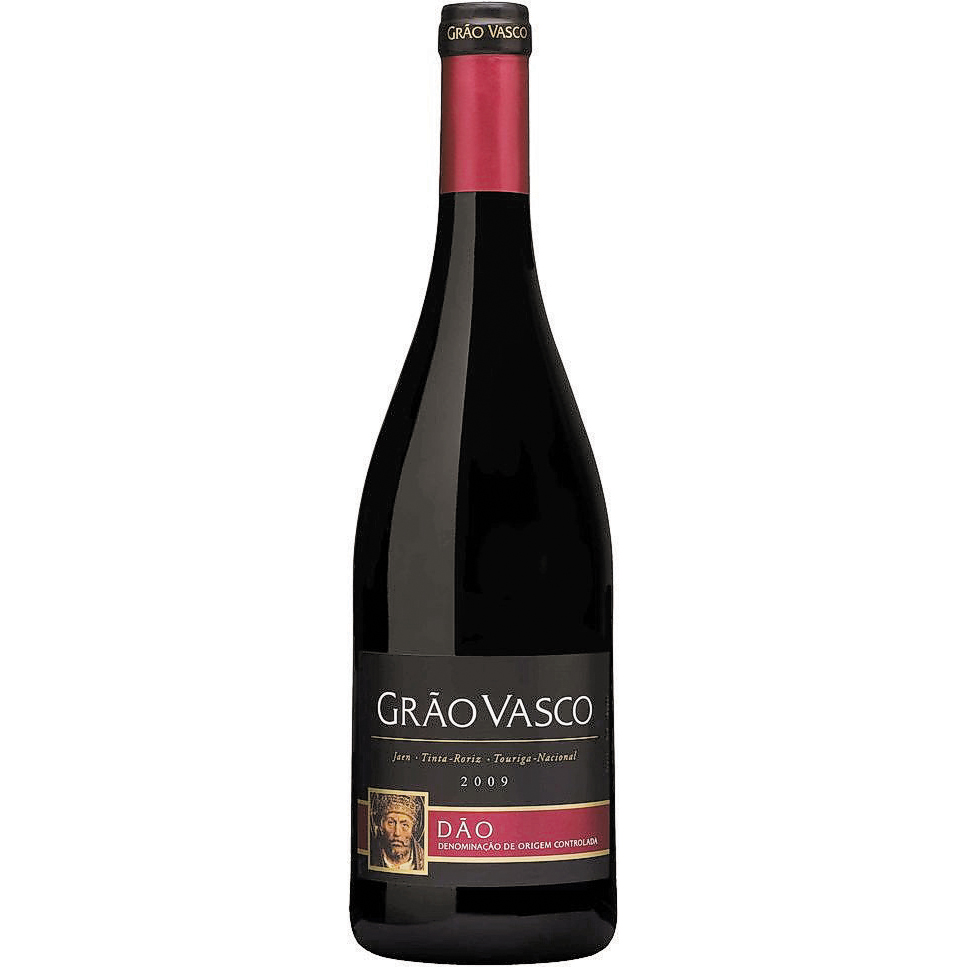
Carvalhais 2017 Grao Vasco (Dão, Portugal — $9.99, Liquor Marts and beyond)

A blend of Touriga Nacional, Tinta Roriz and Alfrocheiro, this stalwart Portuguese red brings aromas of plum, violet, blueberry and dark chocolate. It’s a medium-bodied, relatively simple Dão red, with primary black fruit flavours, some secondary black cherry and herbal notes and very light tannins and acidity. ★★1/2 out of five
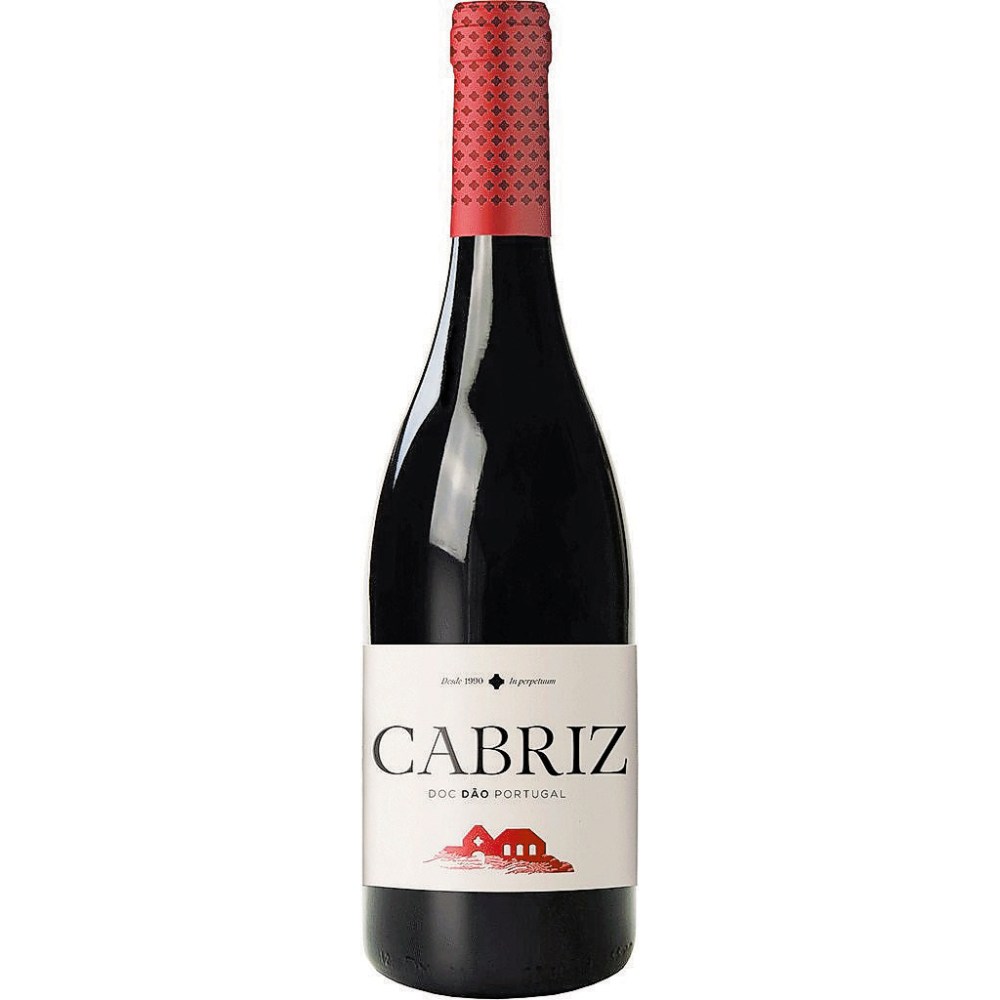
Cabriz 2016 Colheita Selecionada (Dão, Portugal — $15.63, Liquor Marts and beyond)

While the Cabriz and the Grao Vasco have a similar blend of grapes, here there’s plum, earth, cocoa, blackberry and a subtle barnyard note on the nose. It’s a medium-plus bodied red that delivers juicy cherry, blackberry, raspberry and plum flavours with an underlying black tea note as well as some solid tannins and fresh acidity for depth. Drink now or hold for one to three years. ★★★1/2 out of five
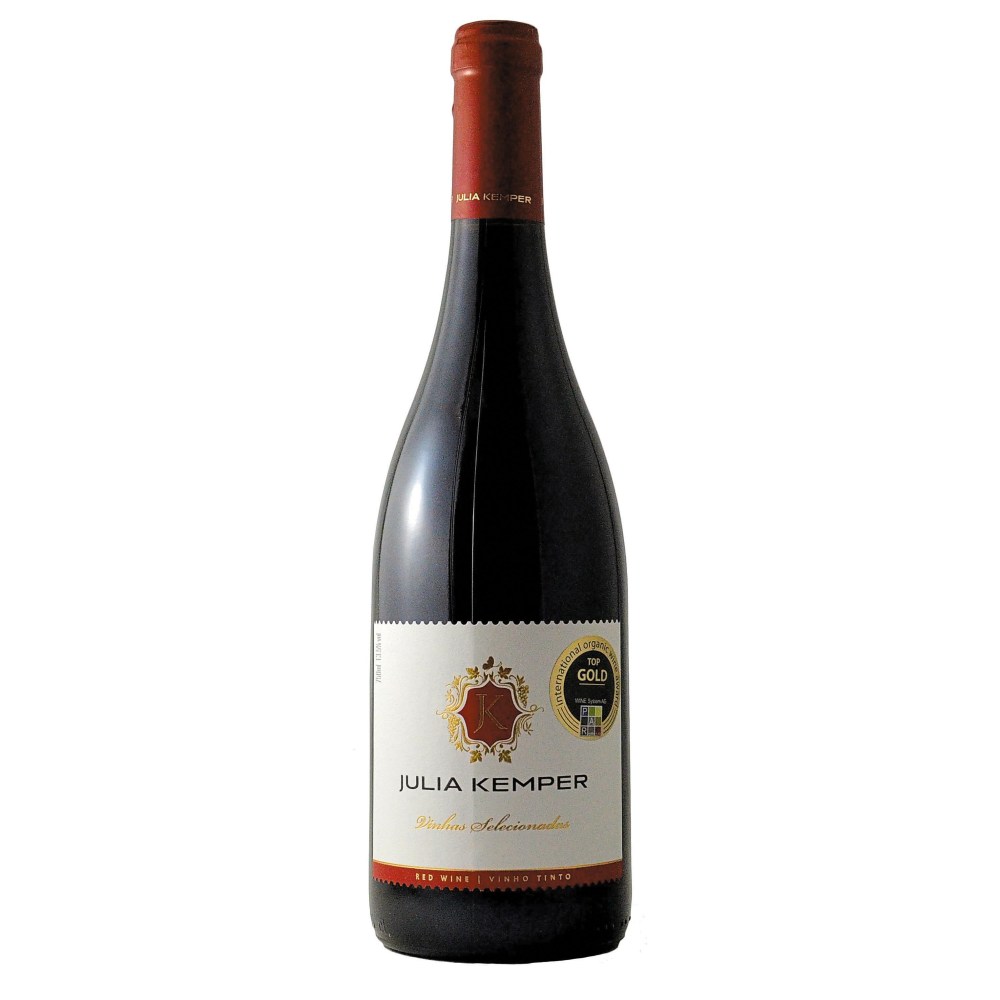
Julia Kemper 2012 red (Dão, Portugal — around $25, private wine stores)

This red blend brings plum, violet, raspberry, wet earth and mocha notes aromatically, with a hint of underlying chalkiness in there as well. It’s a juicy, medium-plus bodied red that has retained a lovely core of fresh blackberry and plum notes despite its older vintage. That chalky, almost-saline note persists on the modest finish, adding more texture to the modest tannins; drink this charming, well-balanced red now. Obtained from Kenaston Wine Market. ★★★★ out of five

Report Error Submit a Tip

More Stories

Surgery backlog, St. Boniface ER big-ticket items in health budget

Danielle Da Silva 5 minute read Preview

Surgery backlog, St. Boniface ER big-ticket items in health budget

Danielle Da Silva 5 minute read Tuesday, Apr. 12, 2022

The provincial government will spend more than $200 million this year to tackle the massive backlog of surgeries and expand emergency room capacity, while slashing its COVID-19 response budget.

Finance Minister Cameron Friesen said his government will spend a combined $7.2 billion to deliver health care, mental health and addictions services, a new seniors strategy and deliver promised improvements to long term care in 2022-23, representing a 2.5 per cent spending increase over last year.

The provincial budget, unveiled Tuesday, includes $9 million to fund 28 new critical care beds provincewide; $100 million for the redevelopment of the St. Boniface Hospital emergency department; and $110 million to expedite an estimated 167,000 surgical and diagnostic cases that were delayed due to the pandemic.

“Our government is very serious about driving down these times that were elongated as a consequence of a global pandemic,” Friesen said. “That’s why we’re putting a very significant effort into combating that.”

Read
Tuesday, Apr. 12, 2022

Comfort, creativity battle COVID stress in art class

Maggie Macintosh 4 minute read Preview

Comfort, creativity battle COVID stress in art class

Maggie Macintosh 4 minute read Monday, Dec. 21, 2020

It was only fitting the panels on which students were tasked with painting comforting messages in Brody McQueen’s Grade 12 art class this term were customized to be six-feet tall.

“Be the reason someone feels heard,” states the board made by McQueen and his project partner, Shakira Rampersad.

Among phrases on the other panels, which will all be hung up in Winnipeg’s Maples Collegiate in the new year, were “Take a break” and “Good things are coming.”

One of visual arts teacher Stacey Abramson’s many therapeutic projects, the 1970s-style panels provided high school seniors an opportunity to brainstorm validating phrases that do not perpetuate toxic positivity — otherwise known as pretending everything is OK when it is not.

Read
Monday, Dec. 21, 2020

AI bio-weapons loom

Gwynne Dyer 4 minute read 2:00 AM CDT

‘Artificial intelligence’ based on large language models is shaping up to be the most efficient destroyer of value since the South Sea Bubble. After “the Crash”, which is inevitably coming, some specific functions of AI will eventually turn out to be genuinely revenue-generating, and a lot of jobs will duly disappear. But the biggest winner (and potentially biggest loser) is medical science.

Dr. Brian Hie, a chemical engineer at Stanford University in California, has just revealed that his team has made the first viruses designed by artificial intelligence. They are ‘bacteriophages’, viruses that only infect bacteria and are widely used to treat people with infections that resist other treatments.

However, natural bacteriophages sometimes fail, so Dr. Hie used generative AI to design new ones that might do the job. The AI generated thousands of designs for new genomes that more or less fit the bill, and he chose around 300 of them to build in the lab. It’s hard work, not magic, but he ended up with 16 ‘novel’ bacteriophages that might work.

He applied them to petri dishes containing two harmful strains of E. coli, a common bacteria that lives in the human gut, and they killed the bacteria off. It’s still early days, but if it is truly becoming possible to tailor-make bacteriophages that target specific bacteria, then we may be getting a major new weapon in the struggle against antibiotic resistance.

Dão region offers unsung delights

Ben MacPhee-Sigurdson 7 minute read Preview

Dão region offers unsung delights

Ben MacPhee-Sigurdson 7 minute read Saturday, Nov. 16, 2019

When you think of wine from Portugal, there’s a good chance you think of port, the fortified wine made in the Douro Valley. Perhaps your mind meanders north to Vinho Verde, the region producing light-bodied, sometimes-spritzy white wines from the north of the country. And of course, it’s hard to think about Portuguese wine without conjuring up images of the stubby bottles of Mateus Rosé that have seemingly been around forever.

But in central Portugal, there’s a small wine region quietly producing remarkably sophisticated reds and fresh, expressive whites that are, in some ways, underpriced to a fault.

In early November, I travelled to Portugal’s Dão region with a couple of other Canadian writers as a guest of the Vinhos Dão Wines, the trade organization representing the region’s 47 producers. And while Dão wines (especially the reds) have long been on my radar as wines of great value, visiting many of the region’s wineries and tasting dozens of the wines made there was an eye-opening experience when it came to the quality and character of both the wines and the people.

The Dão region is located about an hour and change from the coastal region of Porto by car. The distance from the coast means it’s not subject to excessive maritime influence, and the modest mountains of the region offer protection from extreme weather and variations in vineyard altitude. The climate of the area could be considered “moderate/temperate Mediterranean” — dry but not searing hot in the summer, and remarkably rainy in winter. The soil in the area is primarily granitic; roots of vines search deep in the earth for water, producing grapes with solid ripeness and acidity.

Read
Saturday, Nov. 16, 2019

Bombers bandwagon welcomes all

Jen Zoratti  8 minute read Preview

Bombers bandwagon welcomes all

Jen Zoratti  8 minute read Saturday, Nov. 23, 2019

Don't let a lack of football savvy prevent you from pulling for Winnipeg on Sunday! Three fans provide advice on How To Hop on the Bombers Bandwagon… and Still Seem Legit.

Read
Saturday, Nov. 23, 2019

Netherlands Canada's top source for illicit meth shipments in 2018

Dylan Robertson 6 minute read Preview

Netherlands Canada's top source for illicit meth shipments in 2018

Dylan Robertson 6 minute read Monday, Mar. 9, 2020

OTTAWA — While Winnipeg was in the midst of its ongoing meth crisis in 2018, quantities of the drug were coming from an unexpected country, and through Canadians' most common mode of delivery.

According to documents obtained by the Free Press, there was an increase in "inbound seizures destined to Winnipeg addresses," of postal mail containing meth in 2018 from a year prior. "However, such shipments are likely for personal consumption,” as they were under 35 grams.

And though Canadian officials have called out meth smugglers in China and Mexico, the mailed drugs came from Europe.

"The Netherlands is the top transit country by number of seizures (of meth), while Mexico is the main transit country by quantity,” reads an internal Canada Border Services Agency report from mid-2018.

Read
Monday, Mar. 9, 2020