More than a meal
Feeding others or donating food is deeply rooted in Hindu faith
Advertisement
Read this article for free:
or
Already have an account? Log in here »
To continue reading, please subscribe:
Digital Subscription
One year of digital access for only $1.44 a week*
- Enjoy unlimited reading on winnipegfreepress.com
- Read the E-Edition, our digital replica newspaper
- Access News Break, our award-winning app
- Play interactive puzzles
*Billed as $5.77 plus GST every four weeks. After 52 weeks, price increases to the regular rate of $19.95 plus GST every four weeks. Offer available to new and qualified returning subscribers only. Cancel any time.
To continue reading, please subscribe:
Add Free Press access to your Brandon Sun subscription for only an additional
$1 for the first 4 weeks*
- Enjoy unlimited reading on winnipegfreepress.com
- Read the E-Edition, our digital replica newspaper
- Access News Break, our award-winning app
- Play interactive puzzles
*Your next Brandon Sun subscription payment will increase by $1.00 and you will be charged $17.95 plus GST for four weeks. After four weeks, your payment will increase to $24.95 plus GST every four weeks.
Read unlimited articles for free today:
or
Already have an account? Log in here »
Hey there, time traveller!
This article was published 31/01/2026 (259 days ago), so information in it may no longer be current.
“Food is not just nourishment — it is something that makes your life. We need to treat it with utmost love and reverence” — Sadhguru
When food is served in Hindu temples, it is indeed more than a meal. Deeply rooted in Hindu faith, culture and traditions, feeding others or donating food is a highly virtuous act.
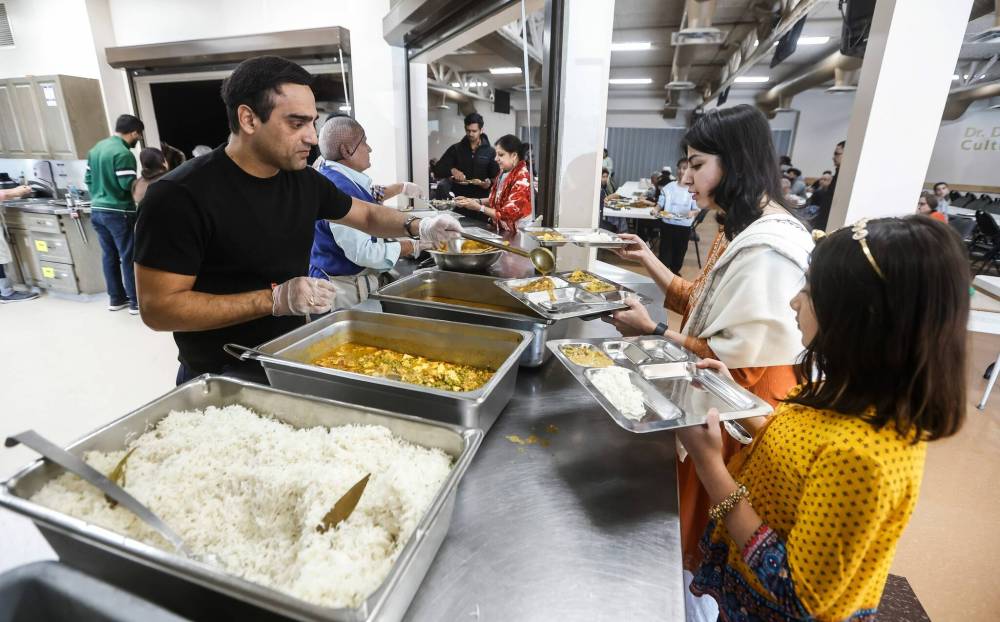
Following Sunday services, festival celebrations and other religious activities, food is available, free-of-charge, to everyone at both local temples of the Hindu Society of Manitoba.
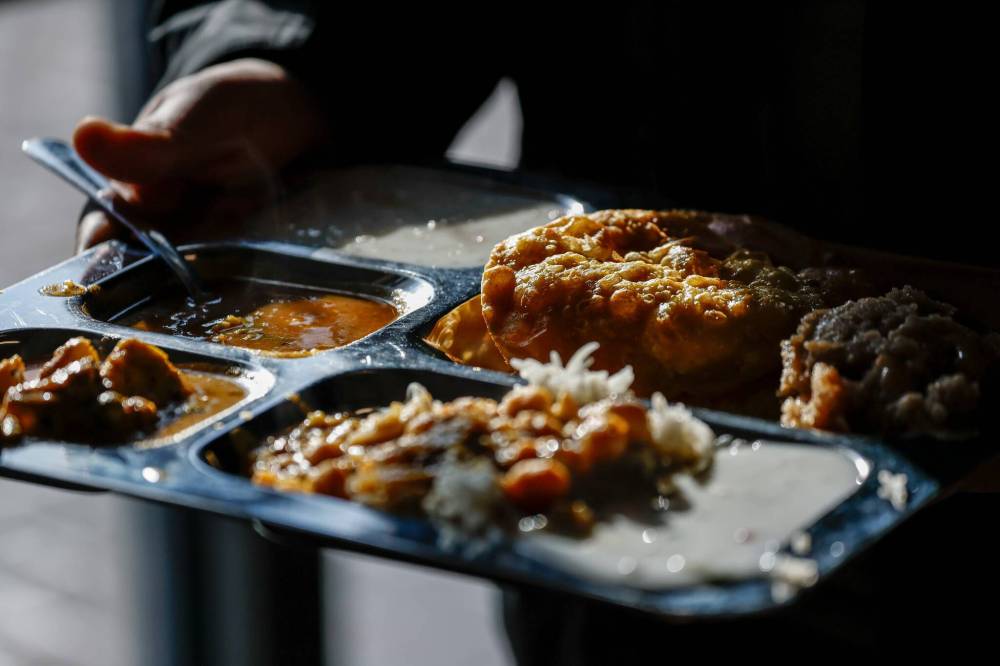
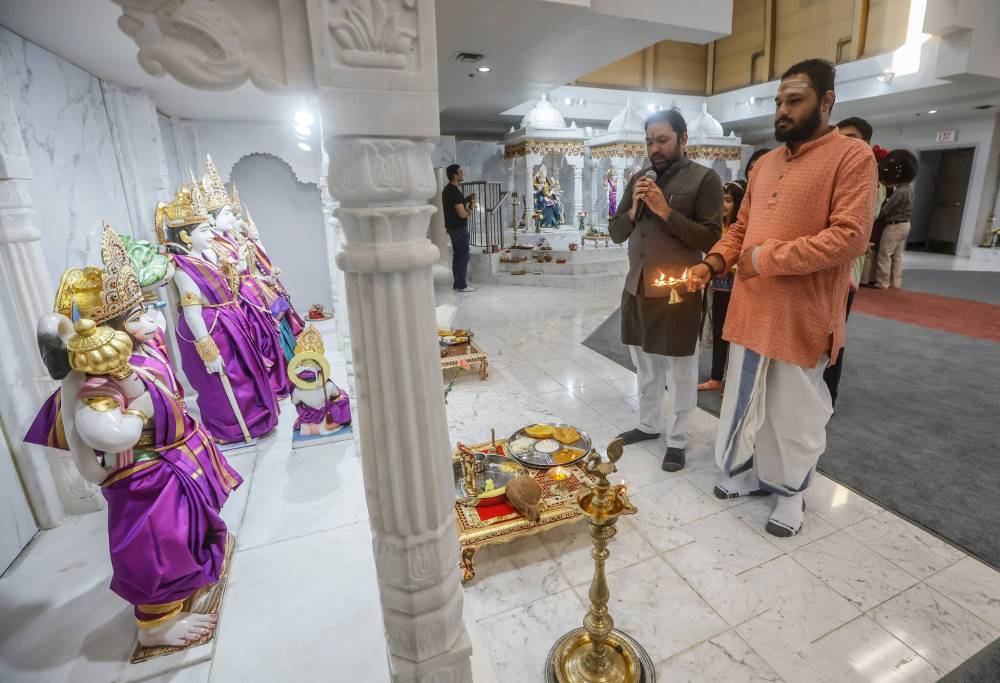
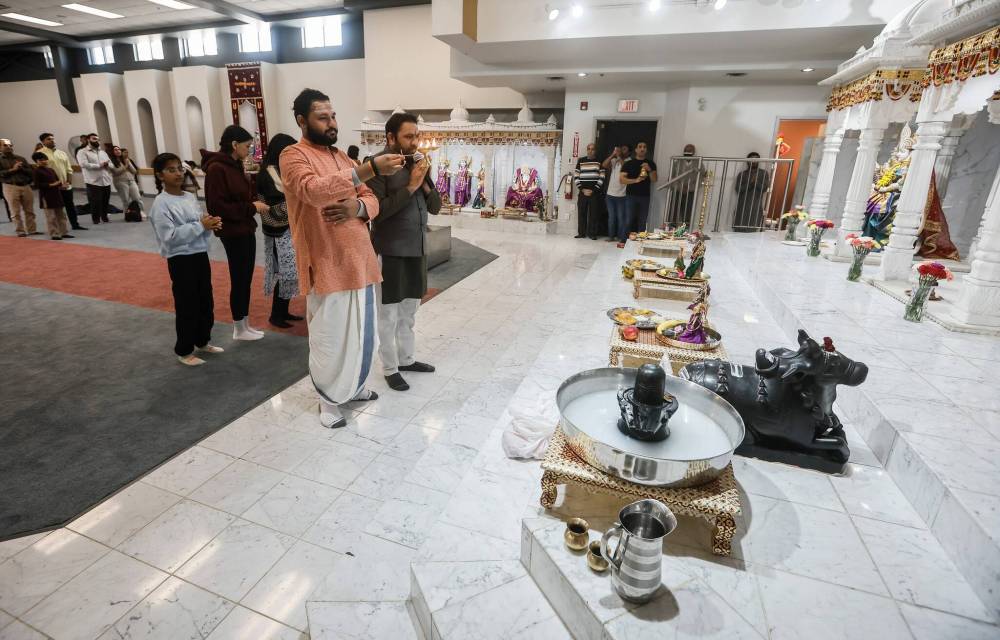
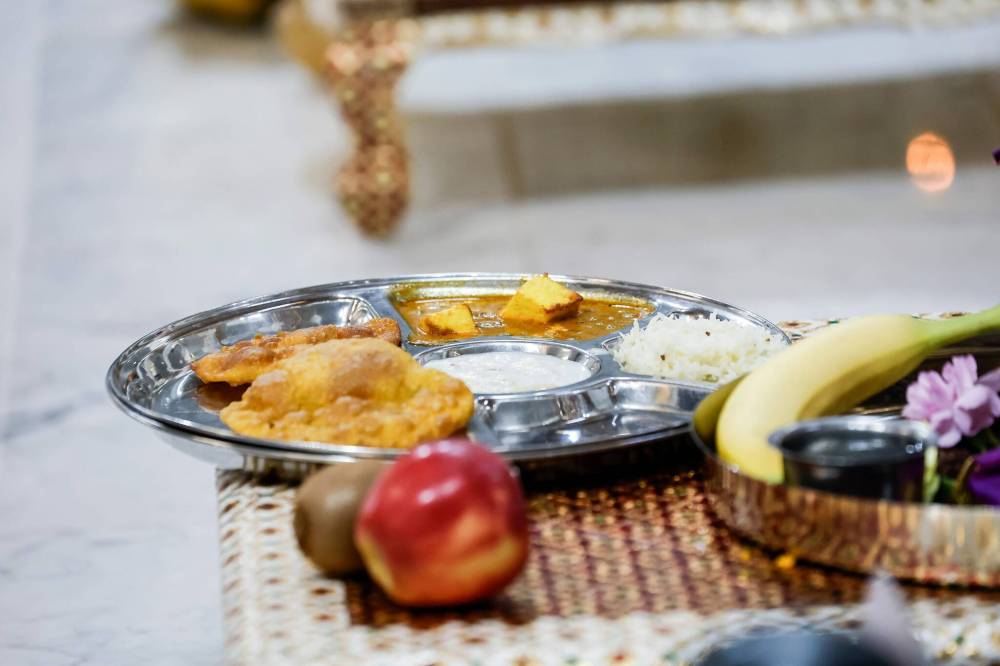
Before food is served to the congregation, small portions of each item, distributed in a thali, or sectioned platter, are placed in front of the deities at the temple altar. Rituals are performed and mantras are recited in honour of the food offering to God.
Through this offering, called bhog, all the prepared food for the meal is considered blessed by the divine, purifying it and making it sacred. The blessed food, or prasadam bestowed with grace, purity and positivity, is passed onto devotees as they partake in the meal.
Specific, strict guidelines are adhered to for food preparations in Hindu temples. Only vegetarian food is permitted. Foods for temple meals include: rice, roti or Indian bread, legumes, curried vegetables, fruits, yogurt and sweet dishes. Sattvic foods, which are based upon Ayurvedic principles, comprise the type of food for the meals. They are desired to develop spiritual enlightenment.
Sattvic foods are: fresh, natural, nutritious and non-processed foods. You will find pure products such as clarified butter, or ghee, natural sugar, or jaggery, as well as Indian cheese, or paneer and Indian yogurt, or dahi used in temple meals.
For the purposes of focusing on one’s prayers and devotion in the Hindu faith, the senses should not be stimulated and a calm mind should prevail. For this reason, onions and garlic are not allowed in temple foods. Across the spectrum of Hindu places of worship, different facilities will institute additional food allowances or further rules.
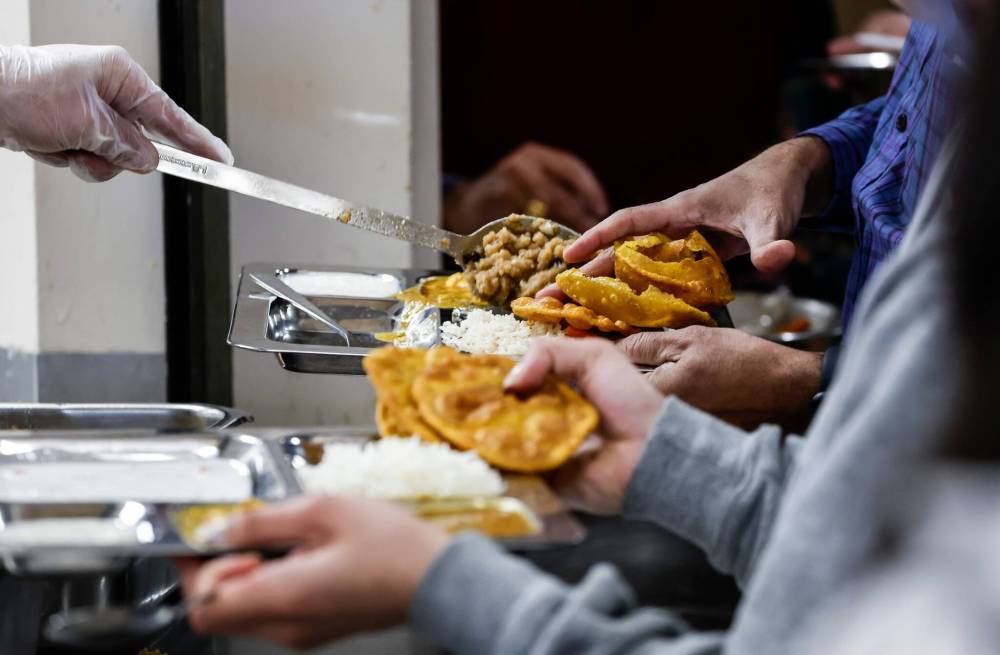
At the HSM temples, community members host the meals and prepare the food, along with help from the organization’s volunteers. Community members regularly donate food items including rice, finely ground wholemeal flour (atta), legumes, ghee, sugar and milk in large supply to both temples for meals. When there has been an abundance of donated groceries at the Ellice Avenue facility, the items have been given to Harvest Manitoba and Siloam Mission in Winnipeg.
Anita Roy, HSM president, said if there is no host for the meal, the organization takes responsibility to prepare the food to ensure there is always food available at both temples. To ensure its freshness and cleanliness, meals are prepared in the temple kitchen the day of the service or celebration. Alternatively, food is allowed to be brought in from local restaurants, but food guidelines must be followed.
Why is feeding others significant in the Hindu faith?
Rooted in Vedic philosophy, which refers to the ancient Indian period of Hindu history and culture, the act of offering food, known as Annadanam, a Sanskrit word, embodies the spirit of giving. Besides feeding others to foster spiritual well-being, devotees give food to offer thanks and show gratitude on a joyous occasion or for a personal success. For other personal reasons, Hindu devotees feed guests, in large numbers, as a gesture of goodwill. Feeding others also extends to helping those in need with the intent that no person should go hungry. The concept of Annadanam signifies not only giving food, but also giving life.
When we give food, we are giving hope to others. We are providing support to others. We are providing comfort to others. In the Hindu faith, feeding others is described as seva, or selfless service guided by love, care and compassion and is considered as Mahadanam, the greatest donation or highest service.
Feeding others can be a rewarding and uplifting experience. Over many years, my mother co-ordinated the food preparation at the HSM temple at 854 Ellice Ave. She always remarked: “Feeding others brings people together. To feed people is a joy.”

While community members partake in meals at the local Hindu temples, they sit together building connections, having conversations and engaging in a shared unity. It is truly a community meal held in the respective cultural or dining hall.
“After Sunday service, at the temple at 999 St. Anne’s Rd., we serve around 300 to 400 meals and at the temple at 854 Ellice Ave. during the winter time, we serve at least 60 meals,” said Roy. She said for festival celebrations at the St. Anne’s Road facility, there can be at least 1,000 meals served during the evening.
When food is shared, either in a place of worship or beyond, it sheds light on our relationship with food. On the global stage, amid ongoing crises, we are witnessing food insecurities among millions of people. Nationally and locally, high food prices are causing much strain and stress for individuals and families. In our current turbulent times, we should recognize that food is a gift, not only to be relished, but also to be cherished.
Just as the doors of the HSM are always open to all, as Roy says: “Food is available to everyone at our temples.”
Romona Goomansingh, PhD is an educator, freelance writer and author in Winnipeg.
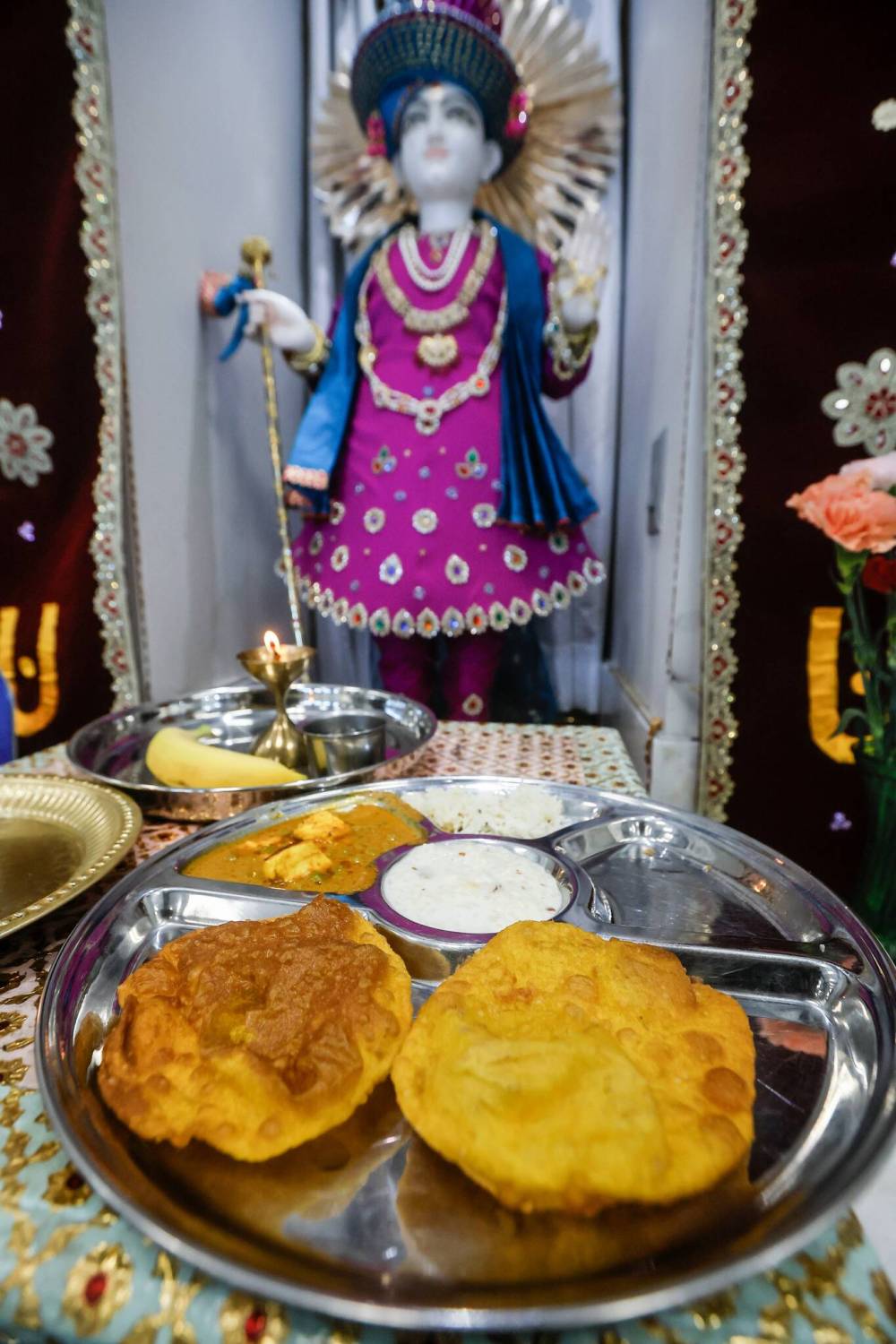
JOHN WOODS / FREE PRESS
A food offering is left to be blessed at the Hindu temple on St. Anne’s Road. The temple serves around 300 to 400 meals after Sunday services.
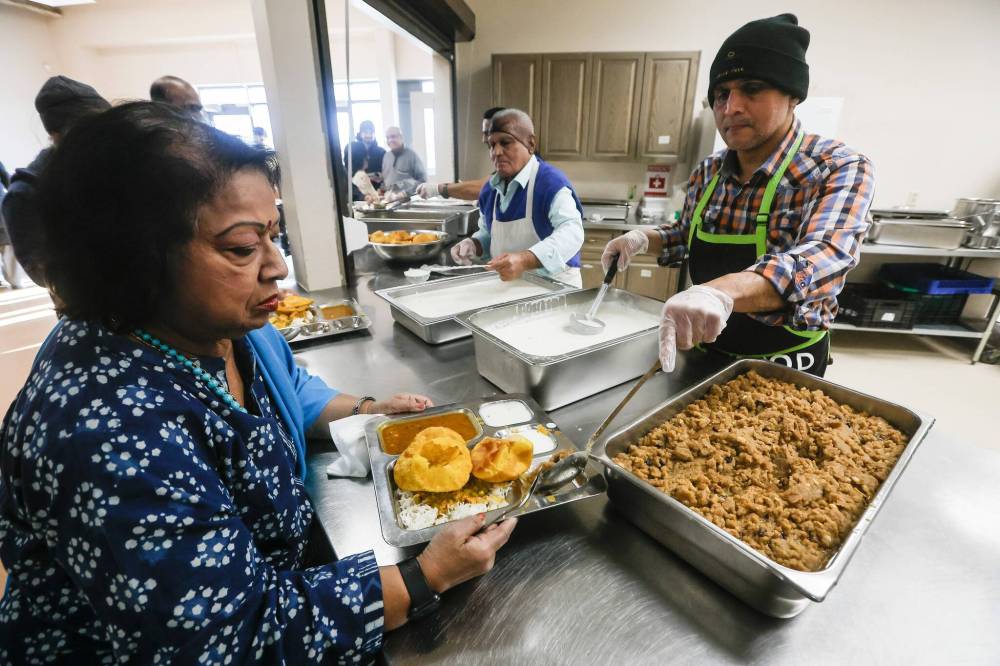
JOHN WOODS / FREE PRESS
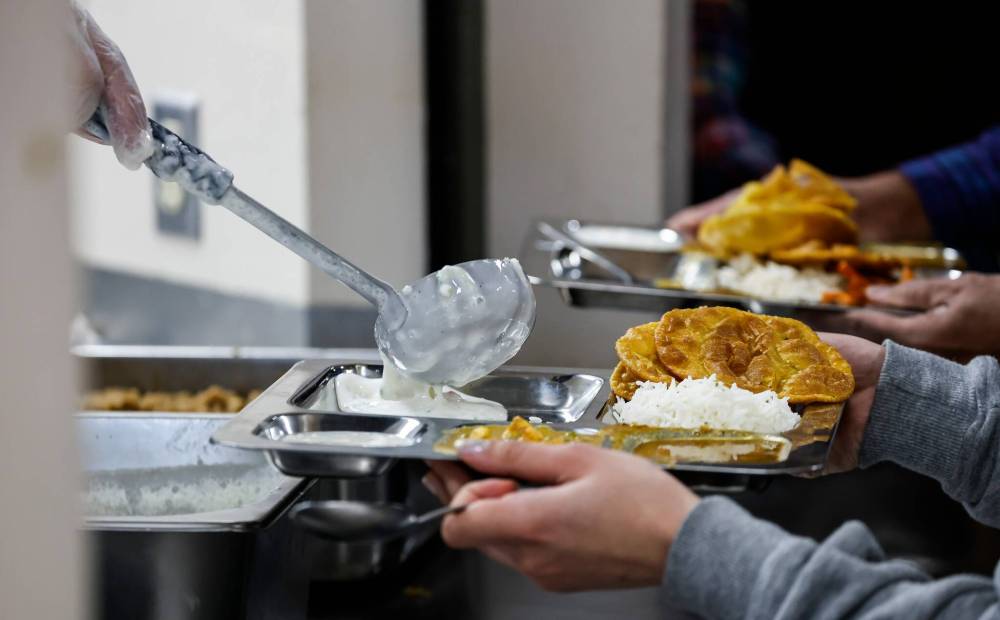
Food is served at the Hindu temple on St. Anne’s Road.
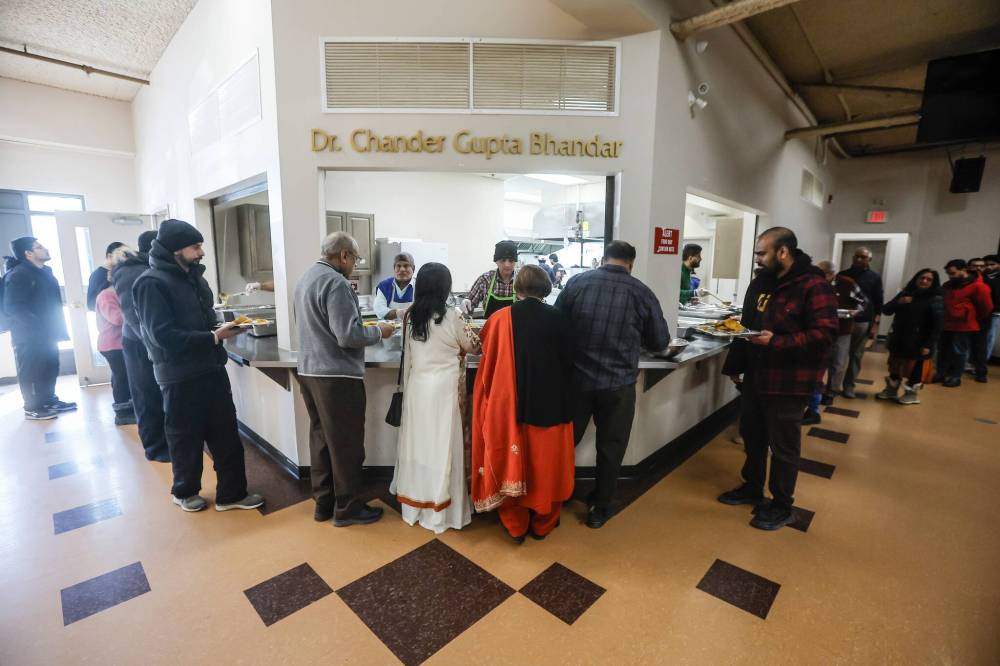
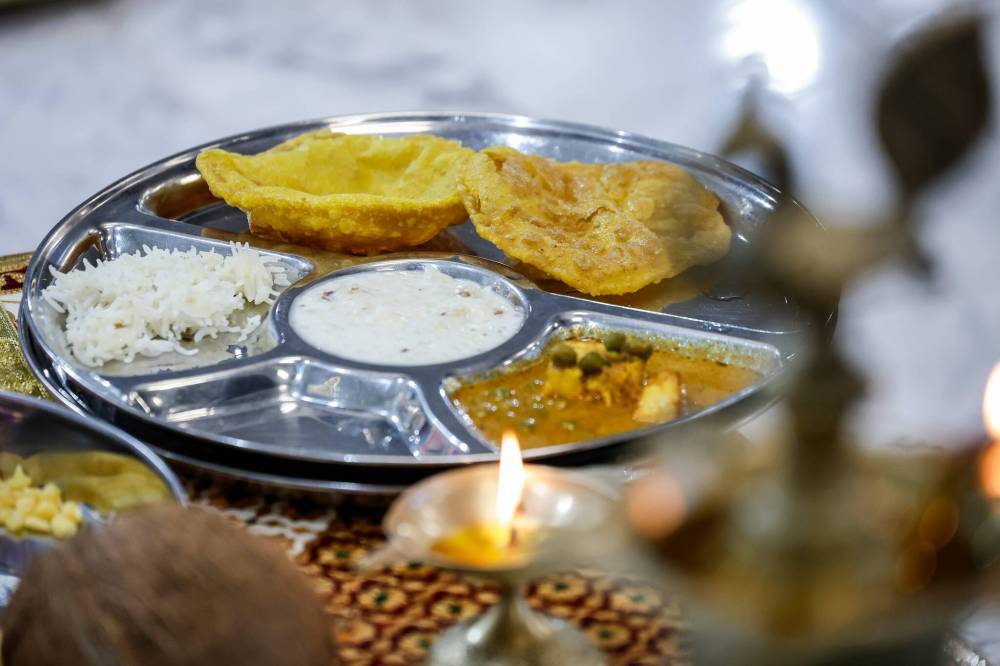
The Free Press is committed to covering faith in Manitoba through our Religion in the News project. This reporting continues because readers like you step forward to fund it.
Donate now to support our reporting on religion.
Your donation is eligible for a charitable tax receipt.
BECOME A FAITH JOURNALISM SUPPORTER
The Free Press acknowledges the financial support it receives from members of the city’s faith community, which makes our coverage of religion possible.