Consider the humble red bean
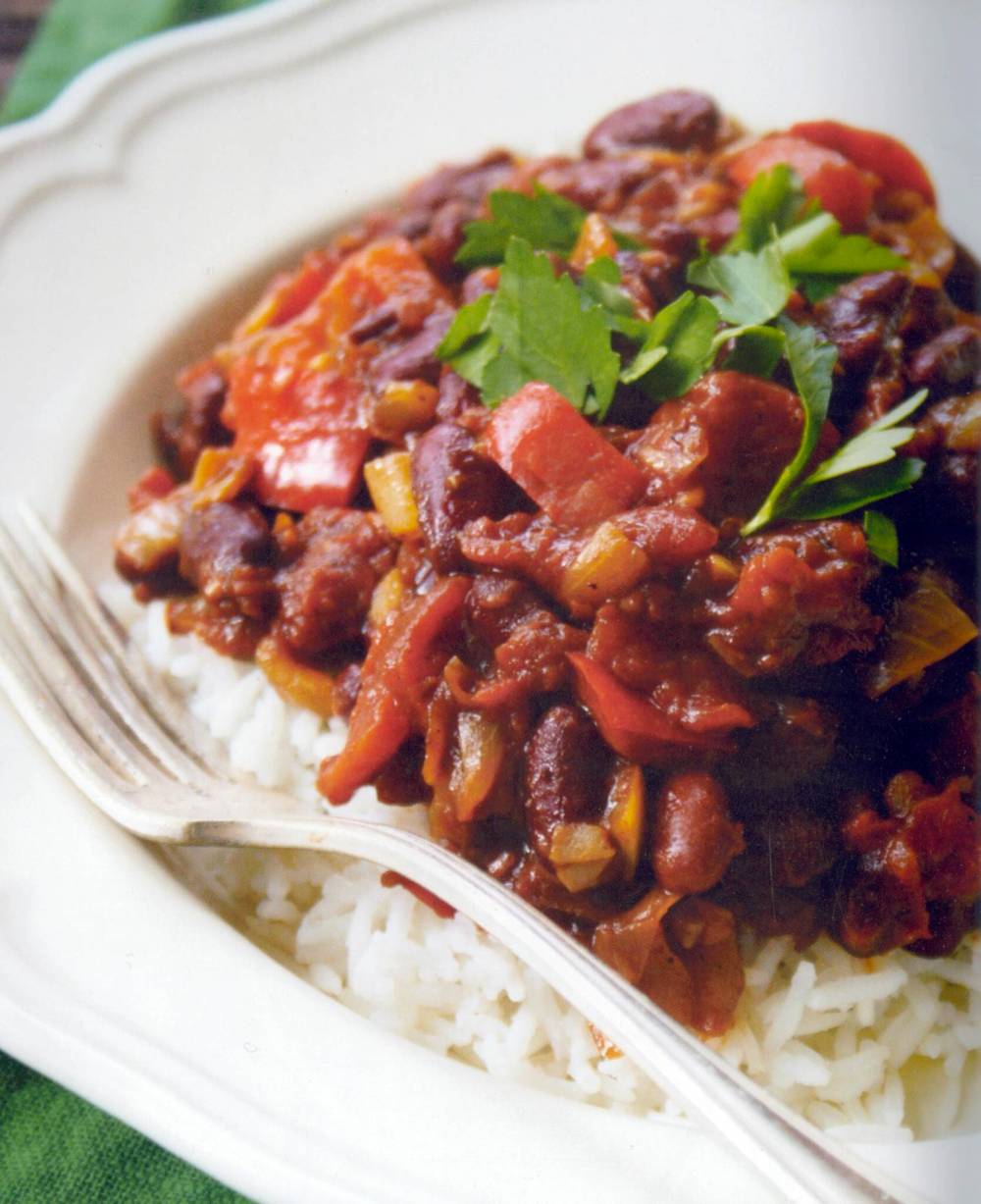
A Punjabi favourite, this kidney bean dish delivers flavour, nutrition and another plant-based protein option
Advertisement
Read this article for free:
or
Already have an account? Log in here »
To continue reading, please subscribe:

Digital Subscription
One year of digital access for only $205*
- Enjoy unlimited reading on winnipegfreepress.com
- Read the E-Edition, our digital replica newspaper
- Access News Break, our award-winning app
- Play interactive puzzles
*First annual payment billed as $205.00 + GST for one year. This annual subscription will automatically renew at $233.00 + GST every 52 weeks (10% off the regular annual price of $259.35). Offer available to new and qualified returning subscribers only. Cancel any time.
To continue reading, please subscribe:
Add Free Press access to your Brandon Sun subscription for only an additional
$1 for the first 4 weeks*
- Enjoy unlimited reading on winnipegfreepress.com
- Read the E-Edition, our digital replica newspaper
- Access News Break, our award-winning app
- Play interactive puzzles
*Your next Brandon Sun subscription payment will increase by $1.00 and you will be charged $17.95 plus GST for four weeks. After four weeks, your payment will increase to $24.95 plus GST every four weeks.
Read unlimited articles for free today:
or
Already have an account? Log in here »
Hey there, time traveller!
This article was published 23/03/2022 (1651 days ago), so information in it may no longer be current.
With increased food prices predicted to linger without an end in sight, many of us are paying more attention to our food choices these days, especially meat.
We know that a balanced diet needs sufficient protein intake. We should also know that there are plant-based proteins that can be easily added to any diet. Many meatless proteins hail from a variety of legumes and pulses that include soya products, red kidney beans, chickpeas and black beans. They are inexpensive, easy to prepare and can be enhanced by adding vegetables and spices. Ultimately, these meatless proteins can lead you to new culinary choices.
Indian cuisine is laden with plant-based proteins. Food is connected to culture. Religious reasons are a significant contributing factor.
Interestingly, the North American palate is already broadening. According to numerous surveys and studies, millions of Canadians began consuming less meat even prior to the pandemic. This food trend is growing among younger Canadians. In 2019, Canada’s new food guide suggested increasing plant-based foods in our meals. With expanded protein options, there is more curiosity and creativity around how plant-based proteins can be incorporated into one’s diet. Popping up in restaurants and grocery stores are a variety of meat alternatives. Meatless burgers, tofu cheese and cauliflower patties appear to be more than a flitting food craze. Numerous studies show that eating less meat and more plant-based foods have positive impacts upon one’s wellness such as: good heart health, lower cholesterol, regulated blood sugar, less fatigue and glowing skin. Concerns for the environment and animal welfare also fuel the shift towards plant-based proteins.
One versatile plant-based protein used in Indian cooking is soya chunks. Hailing from the legume soybeans and specifically from soy flour, this meat alternative offers substantive health benefits, namely, a good source of polyunsaturated fats and omega-3 fatty acids. For noted health reasons, it is suggested to consume soya products in small quantities.
By itself, soya chunks are bland and have a slightly nutty taste. But there are lots of ways to enhance the flavour. They can be made as an appetizer or as a dish paired with either rice or noodles. Some great veggies to add to soya chunks are carrots, bell peppers and green onions, which all give a burst of colour to this dull-hued plant protein. The mouthwatering Indo-Chinese Manchurian sauce, a mix of spicy, sweet and tangy flavours, is an appealing addition. As a popular dish in Indo-Trinidadian cuisine, curry powder, cumin powder and garam masala give soya chunks a super spice kick. They must be soaked in hot water prior to being cooked. Ensure that you squeeze all the excess water out before the cooking process, otherwise the protein will retain too much moisture and your dish will have extra liquid that dilutes its flavour. After being soaked in water, soya chunks transform from a hard and rough texture to a soft and spongy one. Whatever vegetables and spices that you add to soya chunks, you will definitely notice its likeness, in appearance and taste, to a meat dish.
Another way to include this plant protein into your meals is in the form of minced soya, which is made from soy flour. It mimics the appearance and texture of ground meat, making it perfect for vegetarian chili. It also needs to be presoaked in water and the excess water removed before cooking. Celery, bell peppers, mushrooms as well as any combo of beans will turn the minced soya into a hearty dish. Soya chunks and minced soya are available in ethnic grocery stores and some mainstream grocery stores. Some common brands are: Nutrela, MDH and Luxmi.
Red kidney beans are also an easy way to incorporate plant-based proteins into your meals. This versatile legume in Indian cuisine is called rajma. Besides being dubbed an excellent source of protein, fiber and iron, red kidney beans are loaded with tons of vitamins and minerals such as B1 and K1 as well as folate and magnesium, respectively. Popular in North India, particularly a favourite Punjabi dish, it is often served with rice and referred to as rajma chawal. The delight of this dish is its creamy, thick texture once the rajma is fully cooked. Definitely, a wholesome and comforting dish prepared with a tomato gravy and a dash of aromatic spices — cumin seeds, cardamom pods, turmeric powder, coriander powder, curry leaves, ginger and green chilies. One helpful tip when making rajma is the beans must be completely softened through the boiling process. At the end of making rajma, cream or milk can be added to up the richness of the dish. Alternatively, you can add a dollop of butter to make it creamier or cream can be added as a garnish on top of the cooked beans. A fusion version of the dish can be created with rajma as the base item for vegetarian tacos topped with yummy fixings.
The multitude of meatless proteins means we have more choices and different ways to include this vital food group on our plates. Occasionally replacing meat proteins with plant-based ones should inspire us to reach beyond the familiar and be innovative with our protein intake.
Rajma (Indian Red Kidney Beans)
Preparation Time: 1 ½ -2 hours
Serves: 8-10 people
Ingredients
2 cups red kidney beans
2 tablespoons vegetable oil
1 teaspoon cumin seeds
4-5 cardamom pods, black or green
1 teaspoon turmeric powder
1 teaspoon coriander powder
1 teaspoon sugar
3-4 curry leaves
1 tablespoon ginger, minced
1 medium onion, chopped
1 tablespoon garlic, minced
½ cup crushed tomatoes (canned)
2-3 green chilies (chopped), or to taste
Several stems of cilantro, chopped
1 tablespoon butter (optional)
Salt, to taste
Place red kidney beans in a large bowl and cover them in water overnight.
Next day, drain, rinse and drain again.
In a large deep pot, place beans in water. Boil on high heat for 30-40 minutes. Turn heat down to medium once beans start to boil.
Beans must be boiled until they become completely soft.
Turn off heat.
In a large skillet, on medium-high heat, add vegetable oil and cumin seeds.
Once cumin seeds start to pop, add onions, garlic, ginger, turmeric powder and coriander powder. Sauté for a few minutes.
Once onions are browned, add cardamom pods, curry leaves, sugar and crushed tomatoes.
Once the mixture starts to separate from the oil, add all boiled beans and mix well. Retain water from the beans since it has a lot of nutrients.
Add salt. Cook for 30-40 minutes.

If beans become too thick, add some water. Continue cooking.
Close to the end of the cooking time, add butter and mix well. Cook for a few more minutes.
Garnish with chopped cilantro.
Turn off heat.
Serve beans hot with basmati rice or roti (Indian bread).