Choosing wisely key to supporting four pillars of taste

Advertisement
Read this article for free:
or
Already have an account? Log in here »
To continue reading, please subscribe:
Digital Subscription
One year of digital access for only $1.44 a week*
- Enjoy unlimited reading on winnipegfreepress.com
- Read the E-Edition, our digital replica newspaper
- Access News Break, our award-winning app
- Play interactive puzzles
*Billed as $5.77 plus GST every four weeks. After 52 weeks, price increases to the regular rate of $19.95 plus GST every four weeks. Offer available to new and qualified returning subscribers only. Cancel any time.
To continue reading, please subscribe:
Add Free Press access to your Brandon Sun subscription for only an additional
$1 for the first 4 weeks*
- Enjoy unlimited reading on winnipegfreepress.com
- Read the E-Edition, our digital replica newspaper
- Access News Break, our award-winning app
- Play interactive puzzles
*Your next Brandon Sun subscription payment will increase by $1.00 and you will be charged $17.95 plus GST for four weeks. After four weeks, your payment will increase to $24.95 plus GST every four weeks.
Read unlimited articles for free today:
or
Already have an account? Log in here »
Hey there, time traveller!
This article was published 22/01/2022 (1740 days ago), so information in it may no longer be current.
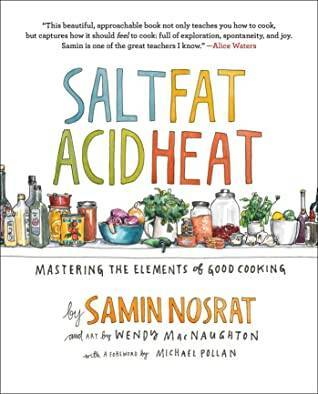
In her 2017 cookbook Salt Fat Acid Heat, American chef Samin Nosrat looks at the four titular core elements, the ways in which at least one of them is key to practically any recipe/dish and how to master each to improve your home culinary skills. The book, illustrated by Wendy MacNaughton, quickly became a bestseller, and went on to become the basis for Nosrat’s (excellent) four-part Netflix series of the same name.
And while there are no hard and fast rules when it comes to pairing food and wine, it can be useful to consider these four pillars of food when picking a wine to go with your meal.
Salt
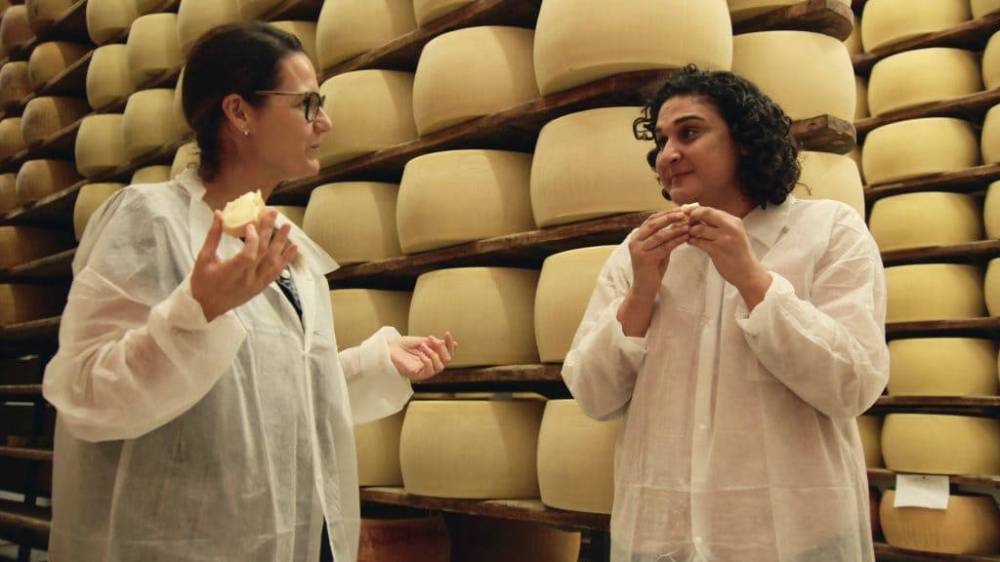
Generally speaking, salty dishes do well with bright, fresh wines with good intensity of flavour. Briny, salty oysters as well as lighter fish dishes, chips, nuts or popcorn work particularly well with a bone-dry sparkling wine as well as moderately or unoaked Chardonnay, an aromatic Muscadet, a dry and racy sherry or white blends from countries such as Spain, Portugal or Greece. Red wine and salty food can be a bit trickier, but generally speaking a Pinot Noir can work on the lighter end of the spectrum, while a Syrah/Shiraz can do the trick when you want a more full-bodied red.
Fat
When it comes to richer, fattier dishes, there’s plenty of room to play with wine pairings based on texture. A creamy alfredo sauce, for example, can work brilliantly with a simple Italian white wine (Pinot Grigio, Soave, Orvieto and the like) that can cut through the fat; adversely, going with a richer wine — an oaked Chardonnay or a tropical, viscous Viognier — will ramp up the texture of both food and wine.
Having a big steak? A big dry red (a Cabernet Sauvignon, Bordeaux blend, Old World Syrah, Argentine Malbec and the like) is a classic pairing because the mouth-drying tannins in the wine mellow out when they meet protein-rich, fatty meat. These types of reds also tend to work well with burgers, richer cheeses and chocolates — foods where fat is key.
Acid
Dishes that deliver tangy, acidity-driven components typically work best when the wine brings similar characteristics. For white wines, try a zippy and fresh Sauvignon Blanc, Portuguese Vinho Verde or bone-dry Riesling with dishes that feature sharper notes — think pesto, vinaigrettes and citrus-driven fare. For that tomato sauce-driven pasta or pizza, try a red wine made from Sangiovese (Chianti), Tempranillo (Rioja), Nebbiolo (Barolo) or Barbera.
Heat
Pairing spicy food and white wine tends to work best when the wine can bring a bit of spice as well. Grapes such as Gewürztraminer, Grüner Veltliner from Austria, Torrontés from Argentina, Viognier and Riesling are all highly aromatic and, to some extent or another, deliver their own spice notes to complement dishes with some heat, particularly curries. The sweetness that some examples of these grapes can bring also offsets the spice nicely.
If you’re planning on drinking red, avoid overly tannic wines — those tannins intensify the astringent notes in both food and wine. For that spicy chili or intense Mexican-inspired dish, opt instead for varieties such as Zinfandel, Grenache, Gamay or Merlot. The former two grapes also commonly bring higher alcohol levels (typically 14-15 per cent), and that long, warm finish will help the spicier notes linger.
Bonus: Sweet
Pairing sweet food and wine is a delicate balance, as you want to ensure the sweetness of one component isn’t well above and beyond that of the other. An ultra-sweet icewine, for example, will work wonders with a sugar-crusted crème brulee or tropical fruit tart, but not so much with, say, a slightly bitter dark chocolate dish.
Sweet wines also work well with some dishes that aren’t sweet at all, but which bring a similar richer texture — port, sauternes and sweeter sherries, for example, have long been lovingly paired with stinky cheeses, foie gras and the like.
Foods to avoid?
There are some ingredients whose flavours are tough to pair with wine — almost any bottle you throw at them will make both food and wine taste worse.
Asparagus and artichokes are two of the worst culprits for wine-and-food pairing failures. There’s something about the flavours (and perhaps the texture) in each that can confound even the most savvy food-and-wine minds. Cilantro is another tricky (and divisive) ingredient, and pairing dishes heavy on the intense herb is tricky at best and disastrous at worst.
For any/all of the above, try wines featuring greener, herbal notes (New Zealand Sauvignon Blanc for whites, Cabernet Franc or Carmenère-based for reds), cross your fingers and hope for the best.
uncorked@mts.net
Twitter: @bensigurdson
Wines of the week
Domaine Allimant-Laugner NV Brut Rosé (Alsace, France – around $29, private wine stores)
Pale pink in colour, this traditional method sparkling wine is made entirely of Pinot Noir, just as many pink bubblies are in Champagne. It offers toasty bread dough, strawberry, cherry candy and ripe red apple notes aromatically; on the dry, light-plus bodied palate it’s more of the same, with an emphasis on the cherry and strawberry flavours, a more subtle toasty note in there and bright effervescence that carries through on the chalky finish. Over-delivers for the price, and would work well with oysters, popcorn, fresh fruit and more. Available at Kenaston Wine Market. 4.5/5

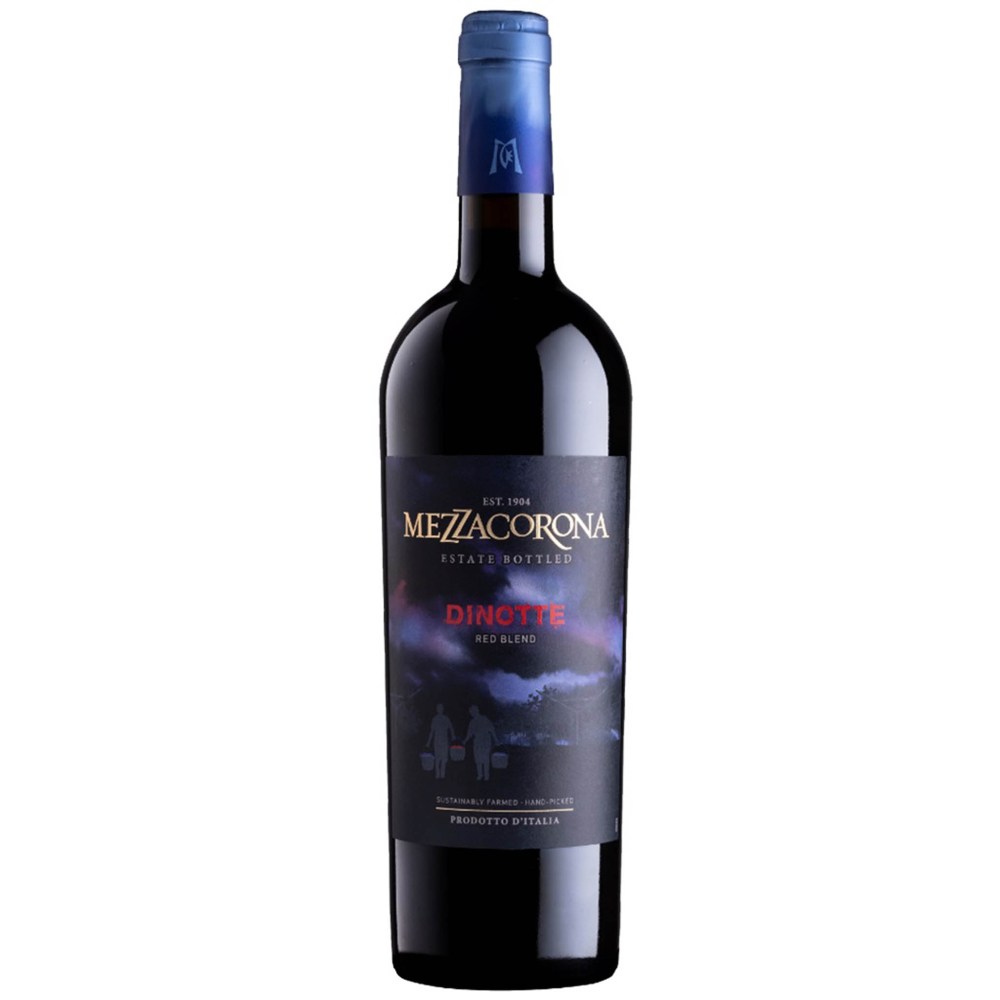
Mezzacorona 2018 Dinotte red blend (Rosso Vignetti Delle Dolomiti, Italy – $16.99, Liquor Marts and beyond)
Indigenous varieties Teroldego and Marzemino are blended with Merlot in this Italian red blend. Aromatically there’s plenty of plum, blackberry, raspberry and spice to go along with more subtle leather and earthy notes. It’s medium-plus bodied and quite plush, with ripe dark berry notes coming with cocoa and vanilla notes from older barrels, soft tannins and a slightly warm finish. Old World character with New World offers food-pairing flexibility: this should work with burgers, medium-sharp cheeses, pizza or medium-spicy fare. 3.5/5
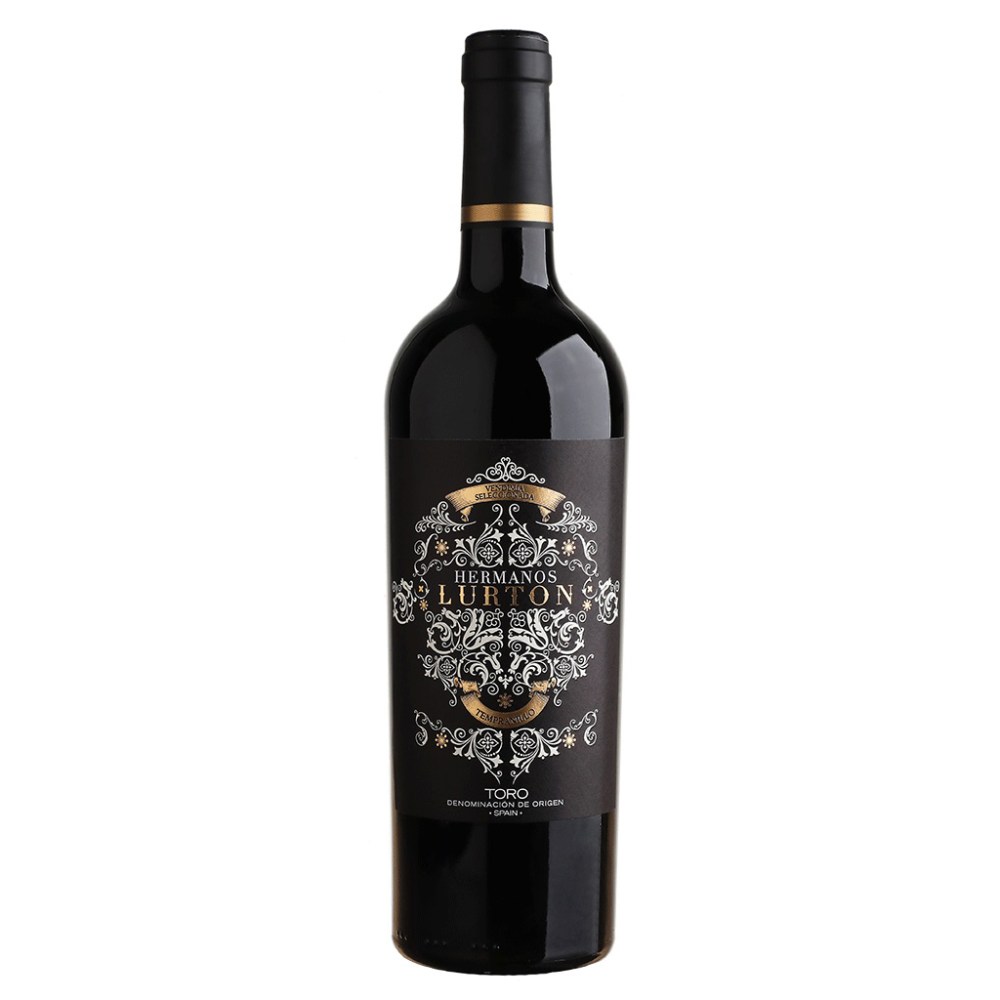
Hermanos Lurton 2018 Tempranillo (Toro, Spain – $15.99, Liquor Marts and beyond)
There’s a deep earthy, mocha note that’s initially apparent on the nose of this organic Spanish red, with secondary raspberry, red licorice, floral and white pepper notes adding depth. On the medium-plus bodied palate the red fruit and mocha/vanilla notes (presumably from oak aging) work well together, the fruit only slightly overpowered by the secondary notes. Tannins are somewhat grippy, there’s a splash of acidity, and the 14.5 per cent alcohol finish is long and warm. Likely best with spicier fare and hard cheeses, but could also work with a steak. 4/5
Our newsroom depends on a growing audience of readers to power our journalism. If you are not a paid reader, please consider becoming a subscriber.
Our newsroom depends on its audience of readers to power our journalism. Thank you for your support.
Our newsroom depends on a growing audience of readers to power our journalism. If you are not a paid reader, please consider becoming a subscriber.
Our newsroom depends on its audience of readers to power our journalism. Thank you for your support.
Advertisement Advertise With Us
Advertisement Advertise With Us