Smoked out
Wine regions might escape direct damage from nearby wildfires, but tainted grapes may still be devastating

Advertisement
Read this article for free:
or
Already have an account? Log in here »
To continue reading, please subscribe:

Digital Subscription
One year of digital access for only $205*
- Enjoy unlimited reading on winnipegfreepress.com
- Read the E-Edition, our digital replica newspaper
- Access News Break, our award-winning app
- Play interactive puzzles
*First annual payment billed as $205.00 + GST for one year. This annual subscription will automatically renew at $233.00 + GST every 52 weeks (10% off the regular annual price of $259.35). Offer available to new and qualified returning subscribers only. Cancel any time.
To continue reading, please subscribe:
Add Free Press access to your Brandon Sun subscription for only an additional
$1 for the first 4 weeks*
- Enjoy unlimited reading on winnipegfreepress.com
- Read the E-Edition, our digital replica newspaper
- Access News Break, our award-winning app
- Play interactive puzzles
*Your next Brandon Sun subscription payment will increase by $1.00 and you will be charged $17.95 plus GST for four weeks. After four weeks, your payment will increase to $24.95 plus GST every four weeks.
Read unlimited articles for free today:
or
Already have an account? Log in here »
Hey there, time traveller!
This article was published 07/08/2021 (1856 days ago), so information in it may no longer be current.
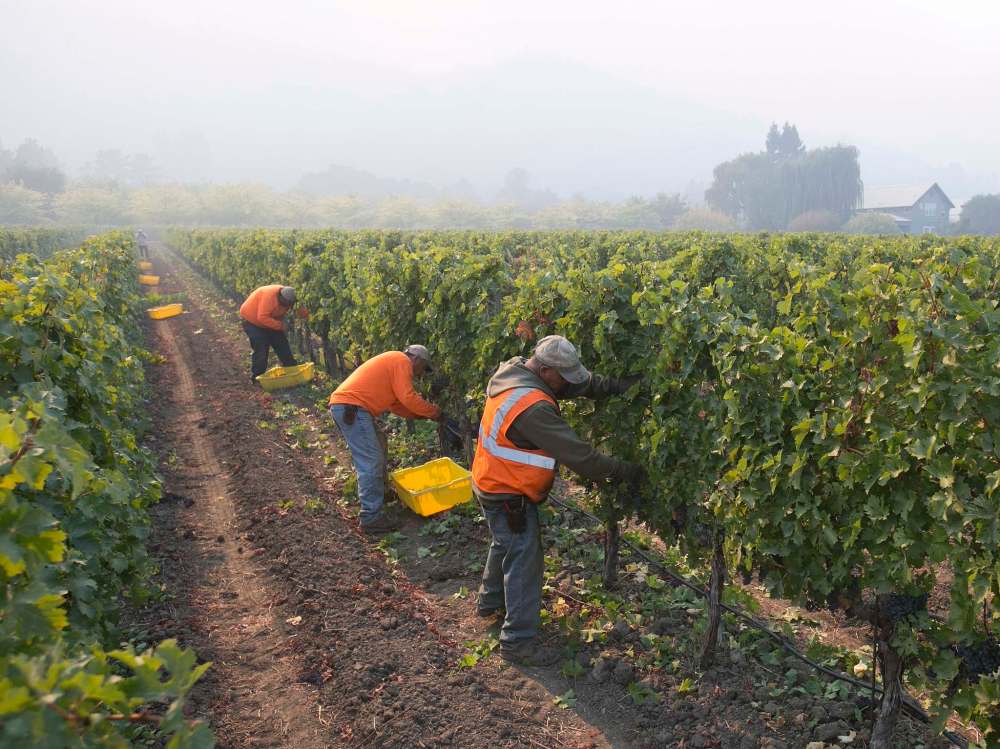
Step outside these days and you might find you’ve got a tickle in your throat, your eyes start stinging and it’s a little tougher to breathe than normal. Smoke is doing quite the number on the air quality in Manitoba, and in many parts of the wine-producing world (particularly in B.C.’s Okanagan Valley and in California) they’re experiencing a similar smoky haze as we are here.
And if your clothes pick up that smoky smell after a short time outside, imagine what it can do to grapes hanging in smoke-blanketed vineyards for days or weeks.
Already suffering from abnormally hot and dry conditions, which impacts the amount of water vines can obtain in the soil, many wine-producing regions (B.C. in particular) have also been in the vicinity of some serious wildfires. And while physical damage to vineyards has so far been minimal — especially compared to the devastation wrought by wildfires in California wine country in 2020 — the prevalence of thick, lingering smoke from forest fires can cause nearly as much risk to a grape harvest as the flames themselves.
What is called smoke taint occurs in grapes when the fruit is in the process of ripening; grapes and vine leaves absorb compounds in the air called volatile phenols that are responsible for those smoky odours. But these volatile phenols aren’t usually detectable in the grapes right away; a producer standing in a smoky vineyard and tasting grapes, for example, may not be able to detect any smoke taint in the fruit on the vine.

But when the grapes are crushed and the yeast that converts sugar to alcohol starts doing its work, that smoky note can emerge in the juice in a big way. It’s particularly frustrating to producers, who put in all the work of picking and crushing the grapes only to find the end product is essentially undrinkable.
A bit of a smoky taste of a particular type can be a good thing. Most producers age the bulk of their reds and some of their whites in oak barrels. Wineries order barrels with heavy, medium or light char from cooperages in order to impart subtle smoky notes in what ends up in the bottle. But there’s a world of difference between smoky notes from oak and from smoke taint. It’s like buying smoked goldeye from your local shop versus leaving your catch of the day out next to a campfire — the smoky flavour in the former is subtle and well-integrated, while in the latter it would be acrid, pungent, unpleasant.
It’s too soon to say whether smoke taint will be widespread in wines made in areas such as the Okanagan Valley — the grapes are still hanging in the vineyards, ripening away — but it’s possible production could be lower than normal. In 2021, fires in B.C. have already far exceeded the annual average. Things south of the border aren’t much better; last year’s fires in California and Oregon caused approximately US$2 billion in damages, according to industry website Wine Business, and this year’s drought and fires (and the subsequent smoke taint) could see production stay low.
Our hazy days here are certainly unpleasant, but for winegrowers the impact of similar smoky conditions can be devastating.
Wines of the week
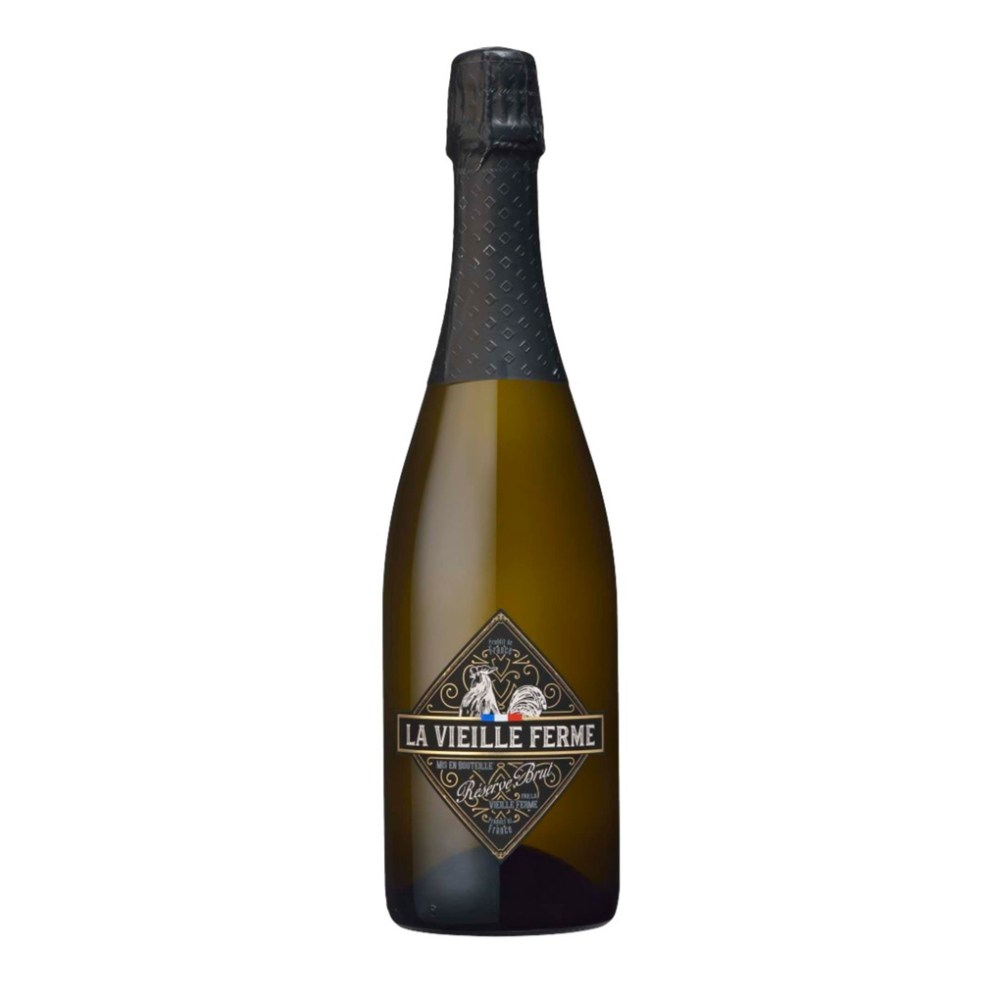
La Vieille Ferme NV Reserve Brut
(France – $13.99, Liquor Marts and beyond)
This French sparkling white is made mainly from Chardonnay grapes, with some Ugni Blanc thrown in for good measure. It’s pale gold and fizzy in appearance, with red apple skin, peach, bread dough and lemon zest notes on the nose. It’s mainly dry, quite fizzy and slightly doughy on the light-plus bodied palate, with simple red apple, toasted nut and lemon rind flavours that show well before the relatively short finish. A decent value. 3.5/5
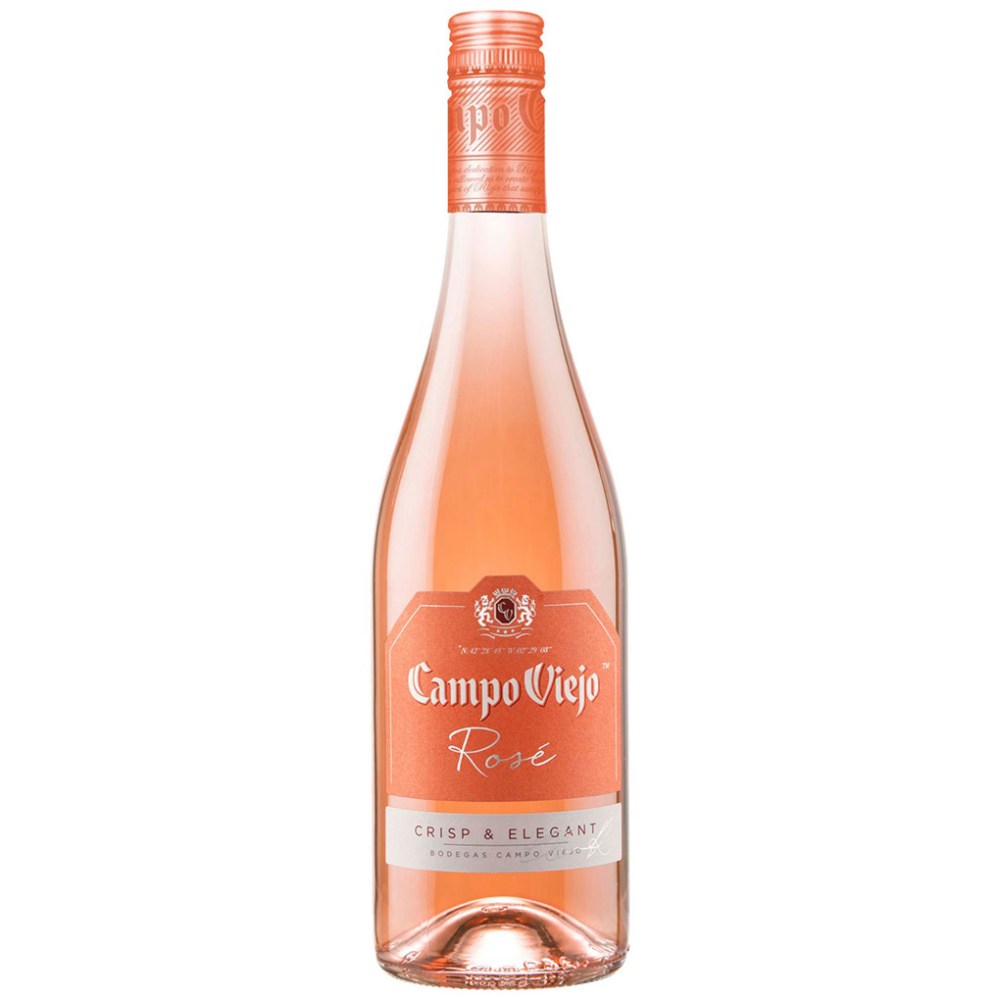
Campo Viejo 2019 Rosé
(Spain – $15.99, Liquor Marts and beyond)
Made from the red Garnacha grape, this Spanish pink wine brings big aromas of strawberry, raspberry, fresh cherry and watermelon notes on the nose. It’s light-plus bodied and dry, with loads of red berry flavours that are ripe without excess sweetness, a lovely, slightly viscous texture that ramps up the watermelon candy flavours and a medium-length, slightly warm finish. A particularly good value now, as it’s $13.99 until the end of August. 3.5/5
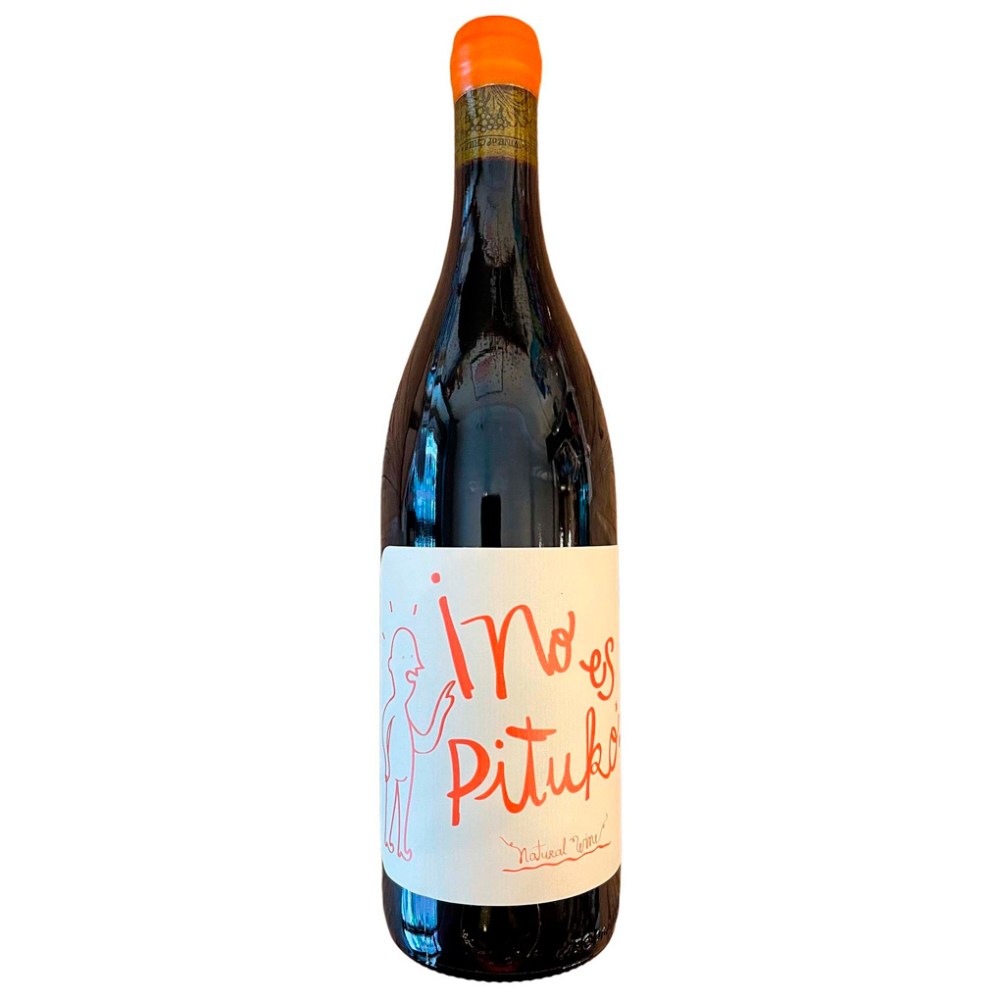
Viña Echeverria 2020
“No Es Pituko”
Cabernet Sauvignon
(Curico Valley, Chile – around $21, private wine stores)
This natural wine (no added yeasts, minimal intervention) is deep black cherry in colour, with slightly doughy notes that work well with cassis, plum and soy sauce/umami-like aromas. It’s medium-plus bodied and dry, bringing ripe cherry and cassis flavours as well as herbal and earthy components, light tannins and acidity and a balanced finish. Adventurous palates should try with steak, fajitas or sharp cheeses. 3.5/5
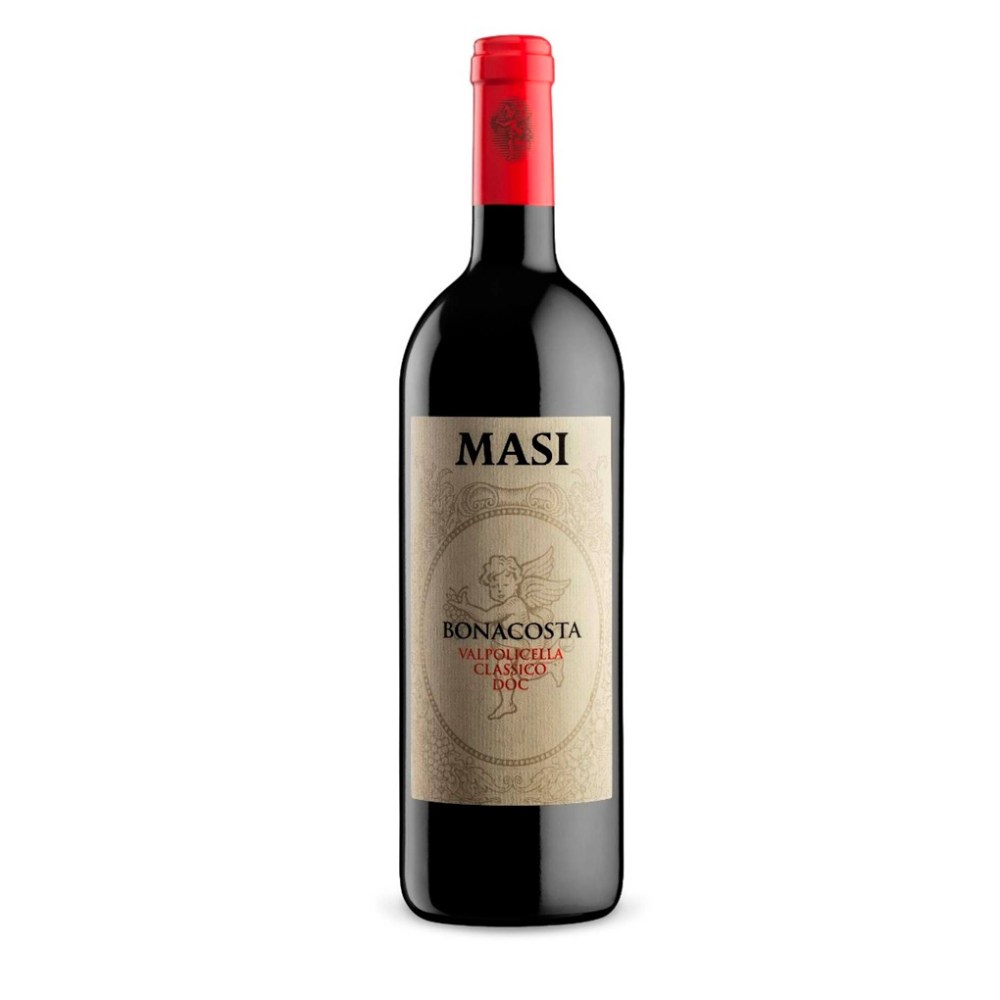
Masi 2019 Bonacosta
Valpolicella Classico
(Veneto, Italy – $19.99, Liquor Marts and beyond)
A blend of Corvina, Rondinella and Molinara grapes, this Italian red blend brings deep violet, black licorice, blackberry and plum aromas. It’s dry and medium-bodied, with those ripe dark berry flavours front and centre as well as a slightly savoury note, very light tannins and a short finish (it’s 12 per cent alcohol). Give it a go with a margherita pizza, marinara pasta or pork tenderloin. Also available in 375ml bottles. 3/5
uncorked@mts.net
Twitter: @bensigurdson
Our newsroom depends on a growing audience of readers to power our journalism. If you are not a paid reader, please consider becoming a subscriber.
Our newsroom depends on its audience of readers to power our journalism. Thank you for your support.
Our newsroom depends on a growing audience of readers to power our journalism. If you are not a paid reader, please consider becoming a subscriber.
Our newsroom depends on its audience of readers to power our journalism. Thank you for your support.
Advertisement Advertise With Us
Advertisement Advertise With Us
![WINNIPEG FREE PRESS ARCHIVES
On Wednesday, June 4, 1919 In front of the government Building Norris, with policeman, to the left of the [illegible] Loyal Returned Soldiers](https://staging.winnipegfreepress.com/wp-content/uploads/sites/2/2022/05/NEP8820082.jpg?w=500)