Popular Argentine wine gets day in the sun

Advertisement
Read this article for free:
or
Already have an account? Log in here »
To continue reading, please subscribe:
Digital Subscription
One year of digital access for only $1.44 a week*
- Enjoy unlimited reading on winnipegfreepress.com
- Read the E-Edition, our digital replica newspaper
- Access News Break, our award-winning app
- Play interactive puzzles
*Billed as $5.77 plus GST every four weeks. After 52 weeks, price increases to the regular rate of $19.95 plus GST every four weeks. Offer available to new and qualified returning subscribers only. Cancel any time.
To continue reading, please subscribe:
Add Free Press access to your Brandon Sun subscription for only an additional
$1 for the first 4 weeks*
- Enjoy unlimited reading on winnipegfreepress.com
- Read the E-Edition, our digital replica newspaper
- Access News Break, our award-winning app
- Play interactive puzzles
*Your next Brandon Sun subscription payment will increase by $1.00 and you will be charged $17.95 plus GST for four weeks. After four weeks, your payment will increase to $24.95 plus GST every four weeks.
Read unlimited articles for free today:
or
Already have an account? Log in here »
Hey there, time traveller!
This article was published 17/04/2021 (2021 days ago), so information in it may no longer be current.
It’s a grape whose origins trace back to southwest France, but whose rise to prominence came in the late 20th century thanks to grape growers and winemakers in one South American country — producers who planted the dark red grape in high-altitude vineyards nestled against one of the world’s most breathtaking mountain ranges.
That range is the Andes Mountains, the country is Argentina and the grape, of course, is Malbec. And thanks the Wines of Argentina trade organization, Malbec gets its day in the spotlight every April 17, which they have decreed Malbec World Day.
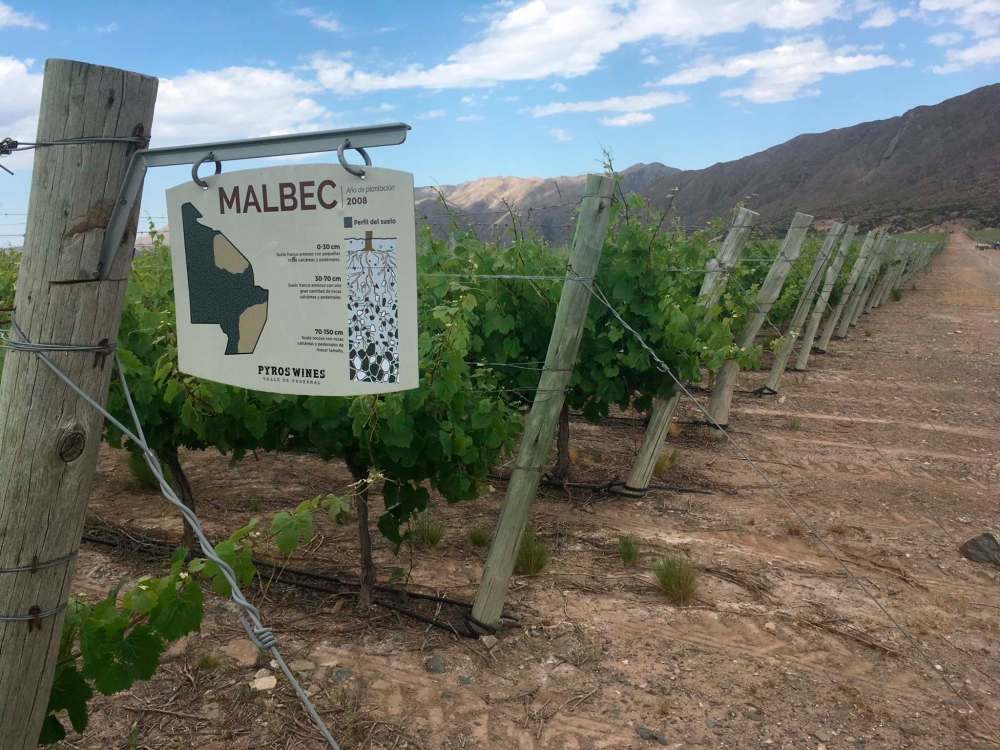
Since the first grape cuttings arrived in Argentina in the mid-1800s, the country has grown to be the sixth biggest wine-producing country in the world. There are now nearly 500,000 acres planted to wine-producing grapes in Argentina; of that number, more than 100,000 acres are Malbec vines, and three-quarters of the world’s Malbec wines come from Argentina.
In the late 1990s, Argentine producers saw the success Chilean wineries were enjoying globally, and shifted their focus to improving the quality of their wines — particularly their Malbec. They adopted Malbec as their signature grape, and have since built their reputation around the red grape variety as one that offers a great quality-to-price ratio when made well.
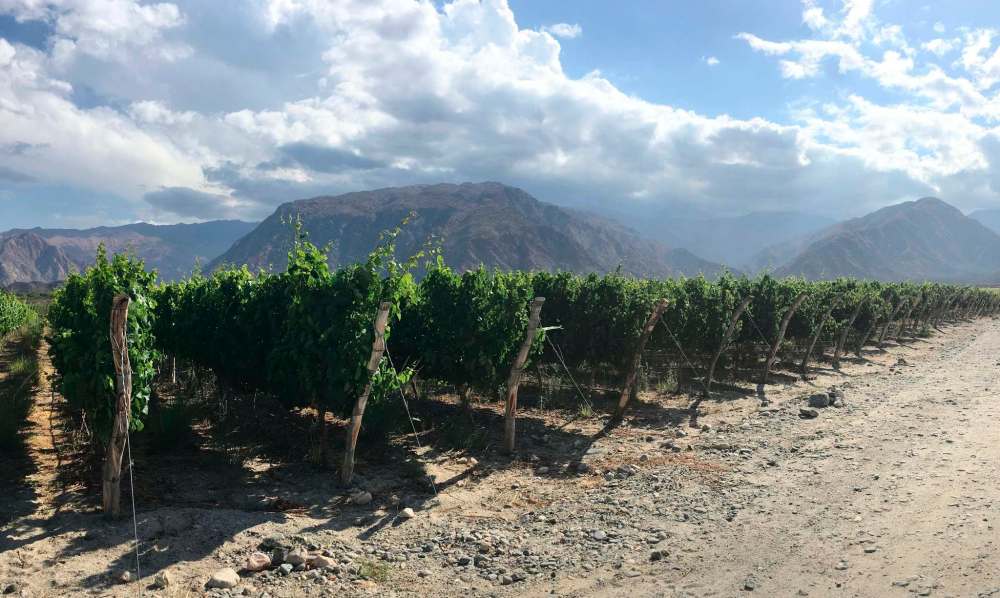
The heart of Malbec production in Argentina is the Mendoza region, which cultivates 85 per cent of the country’s Malbec grapes. Set against the Andes Mountains, the higher altitude of Mendoza vineyards means the grapes escape the scorching heat of lower elevation, while enjoying more sunlight, as well as the cooler breezes and natural irrigation that comes down from the mountains. Particularly high-altitude sub-regions of Mendoza, such as the Uco Valley and Lujan de Cuyo, are where truly exceptional Malbec can be created.
Malbec’s typical flavour profile leans toward dark berries and plums, and the wines tend to pick up dark chocolate, spice and vanilla notes when aged in oak barrels (although there are many delicious unoaked examples out there as well). They typically bring less mouth-drying tannins than, say, a Cabernet Sauvignon, but still deliver plenty of body.
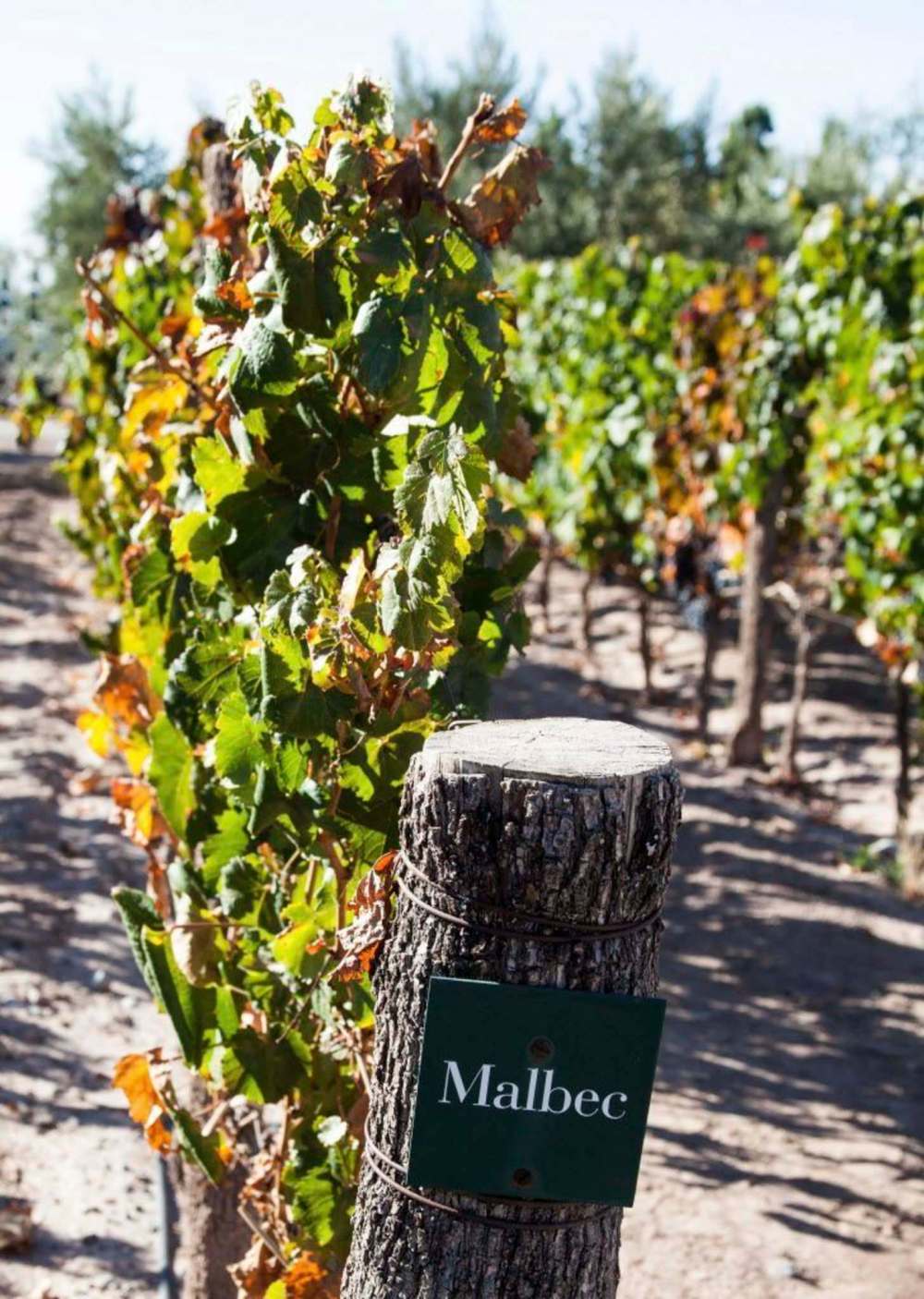
Beef is to farming what Malbec is to viticulture in Argentina, and it just so happens Malbec is an ideal red for steak and other grilled meats. But if you can’t set up your own traditional Argentine open-air asado to slow-cook massive piles of beef over a roaring flame, rest assured Malbec is also an ideal red for pizza, burgers (regular or veg), sharper cheeses or ribs.
Whether you’re planning on celebrating Malbec World Day or simply looking for a robust, approachable red, there’s really no bad time to pop open a Malbec.
While it’s unlikely the Winnipeg Wine Festival’s main public tastings at the RBC Convention Centre will take place in 2021, organizers have started pulling together online events to help raise money for Special Olympics Manitoba, the festival’s beneficiary.
On Thursday, April 22, the West End Cultural Centre is hosting the first of the festival’s virtual WineDown events, featuring the music of Little Miss Higgins, food from La Pampa Empanadas and the wine from Chile’s Casillero del Diablo.
Tickets start at $36.99 for the concert live stream, with a number of food and wine options available to be purchased. To buy tickets or for more information see wfp.to/winedown. The festival’s theme region this year was slated to be Argentina, so expect some Malbec-centric virtual events coming later this year.
Wines of the week
Here are a dozen Argentine Malbecs or Malbec-based blends available in our market…
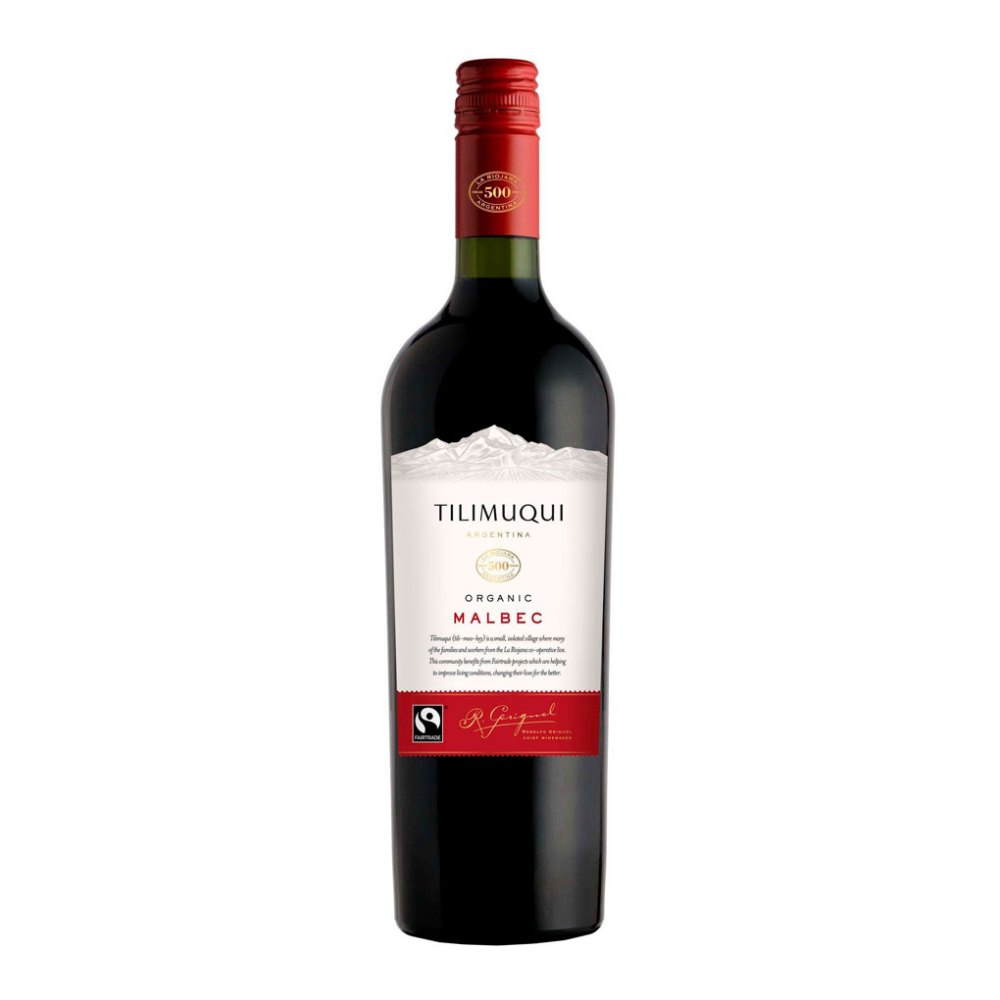
Tilimuqui 2019 Organic Malbec (Argentina — $14.14, Liquor Marts and beyond)
Organic/fair trade, with stewed plum, blueberry, blackberry and light herbal aromas. Medium-plus bodied and juicy, with prominent plum and dark berry notes, modest tannins and little to no oak. Approachable and on the leaner side. 3/5
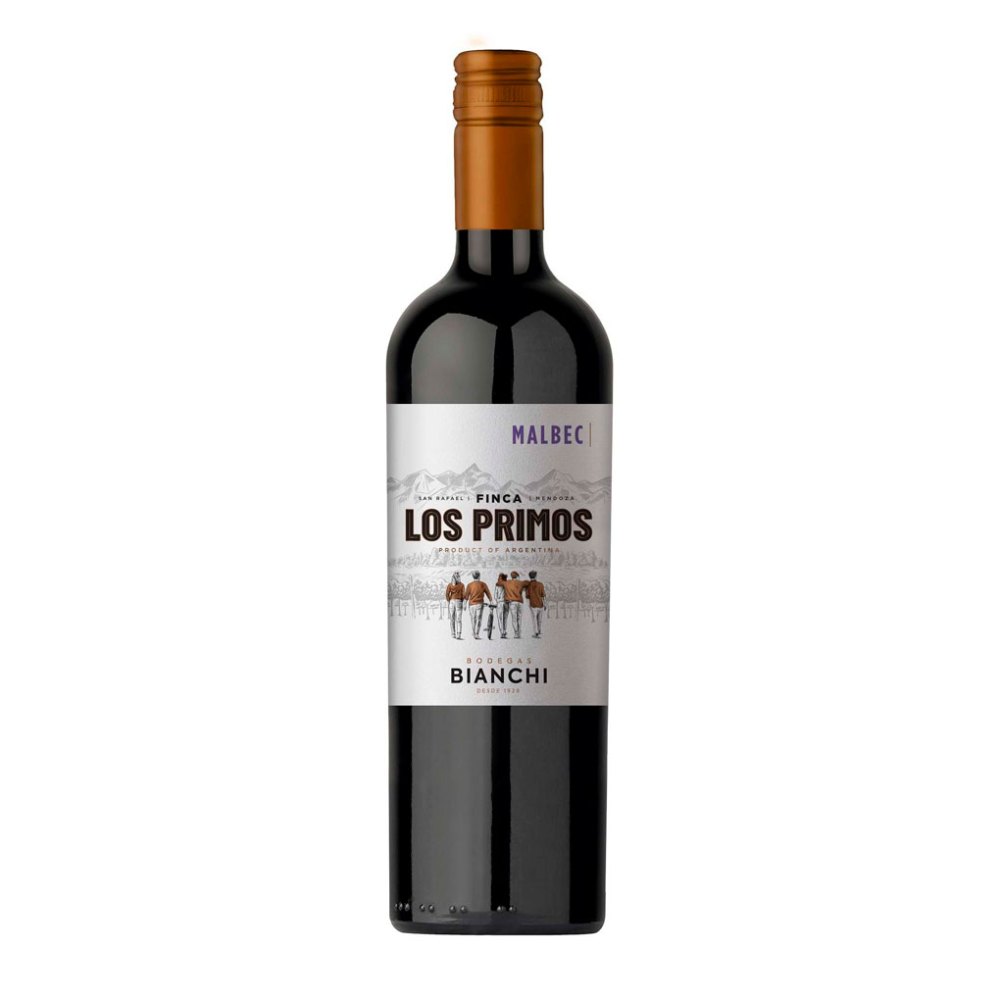
Finca Los Primos 2019 Malbec (San Rafael/Mendoza, Argentina — $12.99, Liquor Marts and beyond)
Attractive mocha, plum, blueberry and blackberry aromas. On the medium-plus-bodied palate the fruit is front and centre, with dark berry notes, a splash of acidity, and mocha notes that come with a hint of tannin and spice, thanks to modest oak aging. Solid burger wine for the price. 3/5
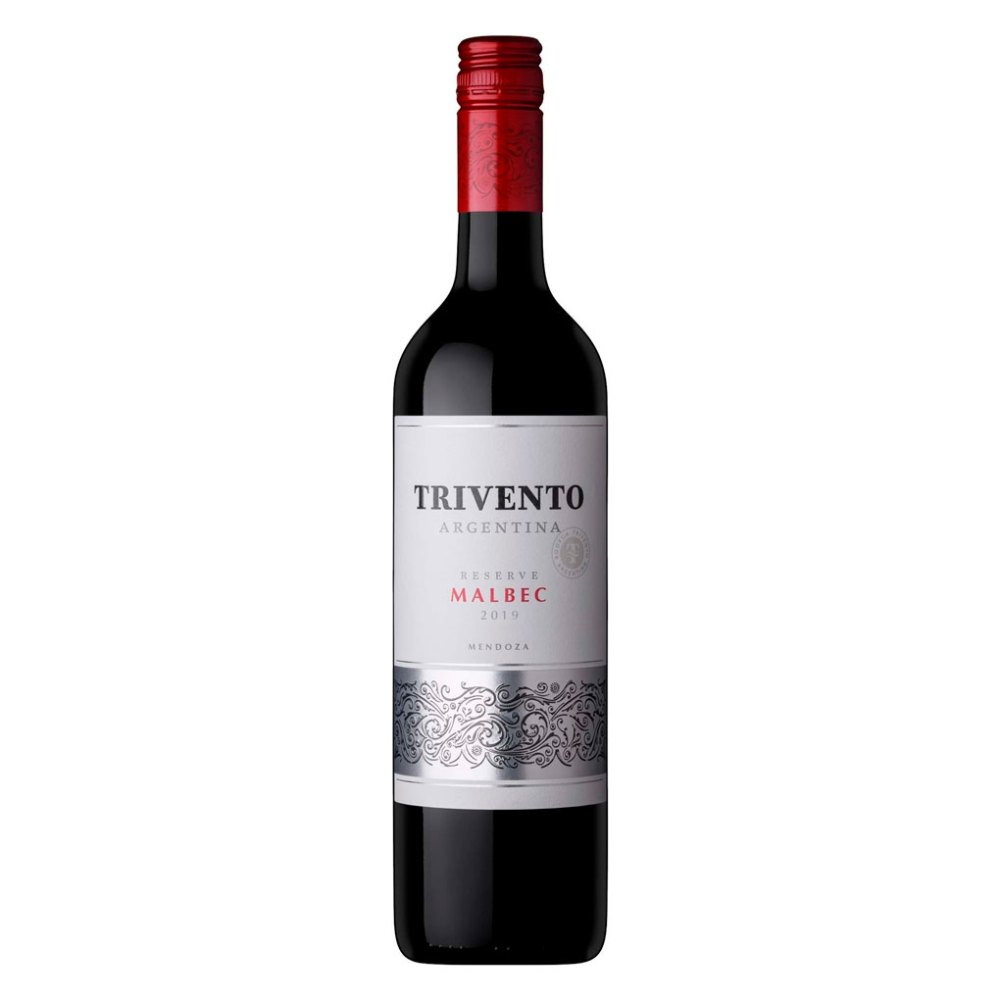
Trivento 2019 Reserve Malbec (Mendoza, Argentina — $13.99, Liquor Marts and beyond)
Vibrant purple in colour, bringing mocha, blackberry, cocoa, plum and vanilla notes on the nose. Full-bodied and fresh, with ripe dark berry and plum flavours, a splash of tart cherry, modest acidity and light tannins before a warm, long finish. Good bang for your buck. 3/5
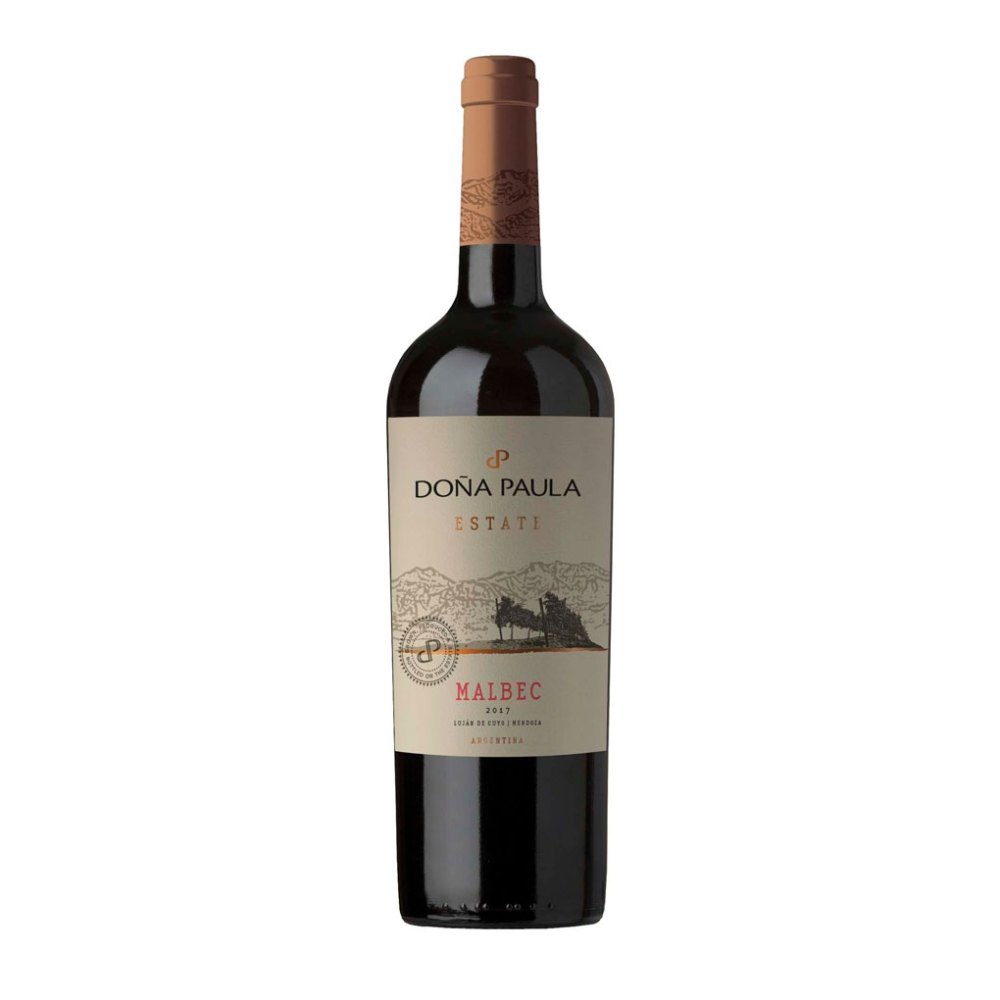
Dona Paula 2018 Estate Malbec (Uco Valley, Argentina — $15.99, Liquor Marts and beyond)
Deep plum, blueberry and blackberry aromas, with hints of black licorice and spice. Dense, full-bodied, bringing chewy dark fruit flavours, an undercurrent of black licorice, and a spicy component, with modest tannins, thanks to 12 months in French oak barrels. Good balance of oak and fruit for the price. 3.5/5
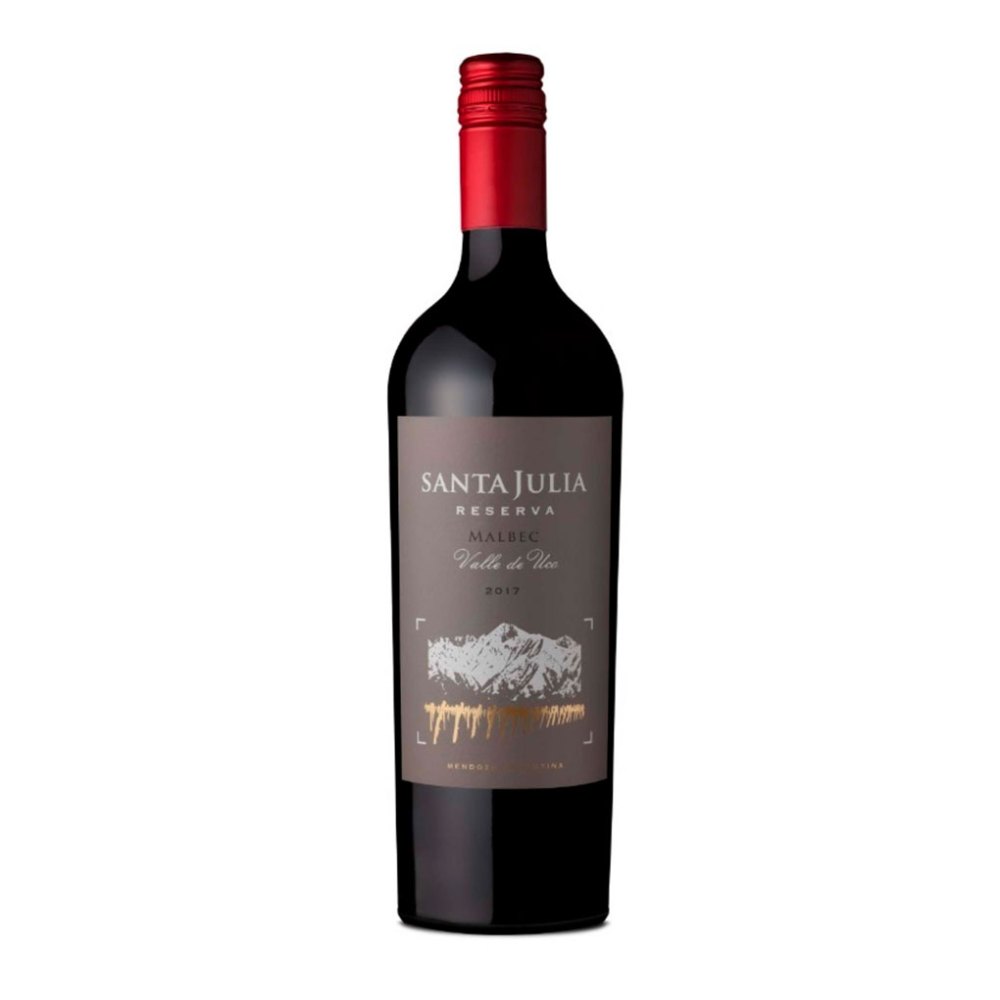
Santa Julia 2019 Reserva Malbec (Uco Valley, Argentina — $13.99, Liquor Marts and beyond)
Inky purple in colour, delivering intense blackberry, currant, violet and dark chocolate aromas. Full-bodied and fruit-driven, with big, jammy, dark berry notes, plus dark chocolate and white pepper notes, a slight tannic edge and very subtle wood aging on the warm finish. Should mellow out over the next 18 months; a solid food wine. 3.5/5
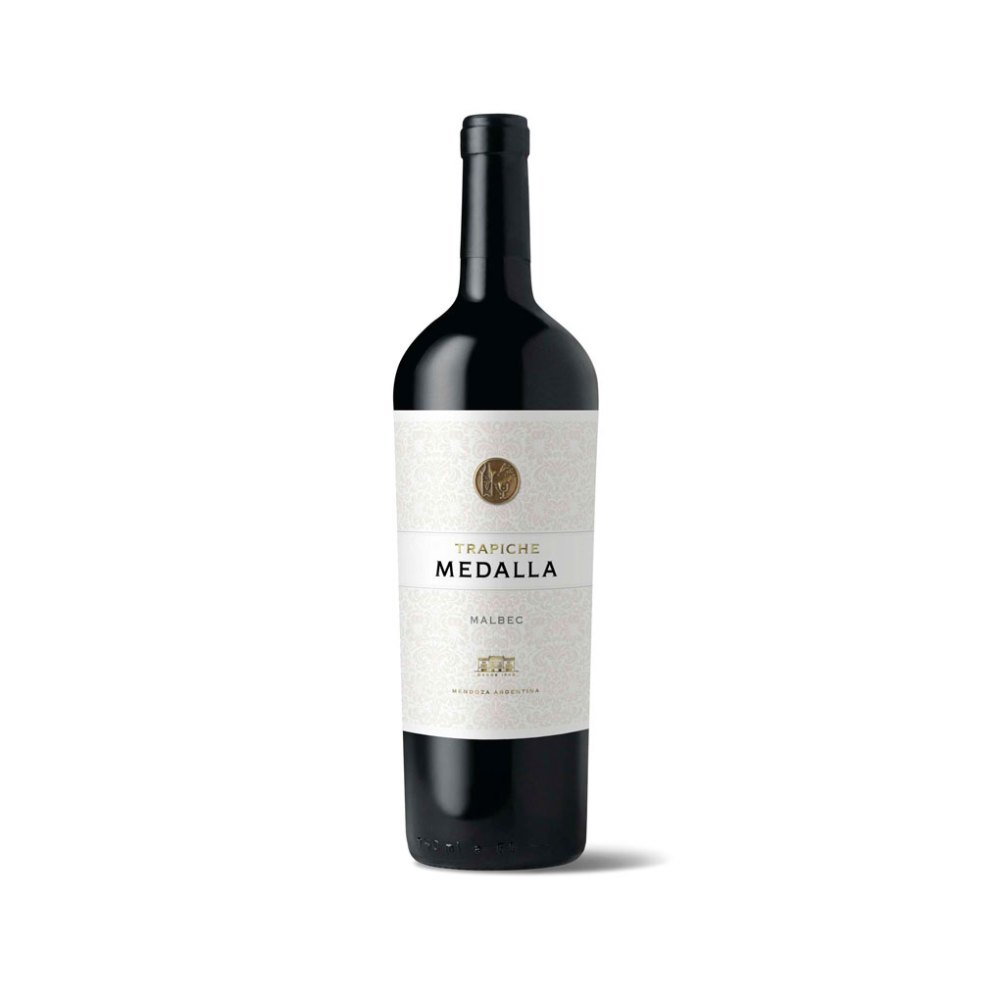
Trapiche 2017 Medalla Malbec (Mendoza, Argentina — $21.99, Liquor Marts and beyond)
Inky black, with tart blackberry, blueberry, plum and dark chocolate aromas, subtle spice and vanilla notes. Rich and full-bodied, with dark berry and plum notes accompanied by vanilla, spice and chocolate notes from 18 months in oak, medium tannins and a long, warm finish. Drink or hold for 18-36 months. 4/5
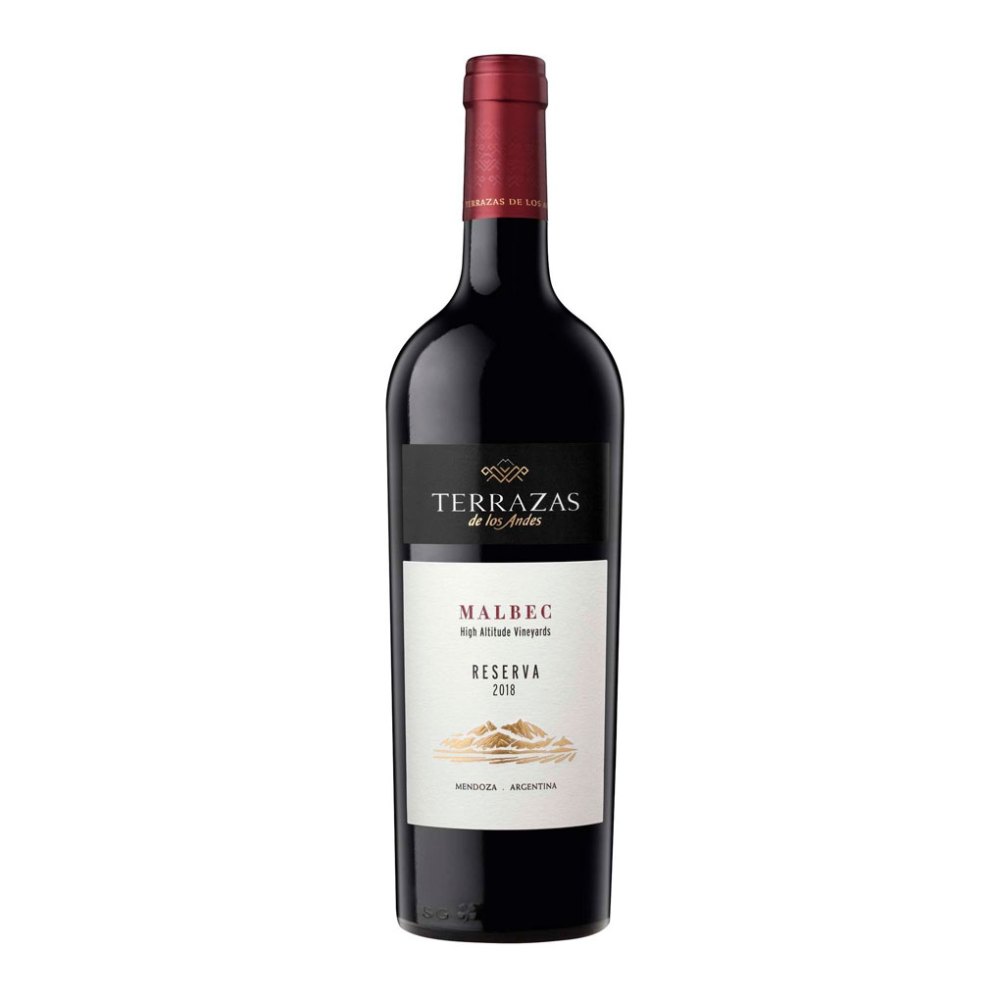
Terrazas de los Andes 2018 Reserva Malbec (Mendoza, Argentina — $19.99, Liquor Marts and beyond)
Purple-black in colour with deep plum, blueberry, blackberry and tart cherry aromas. Dry, full-bodied and viscous, with ripe dark berry notes plus licorice, plum and white pepper flavours, chewy tannins and a long, warm finish. Drink now with a big beef dish or cellar for 18-36 months. A very good buy. 4/5
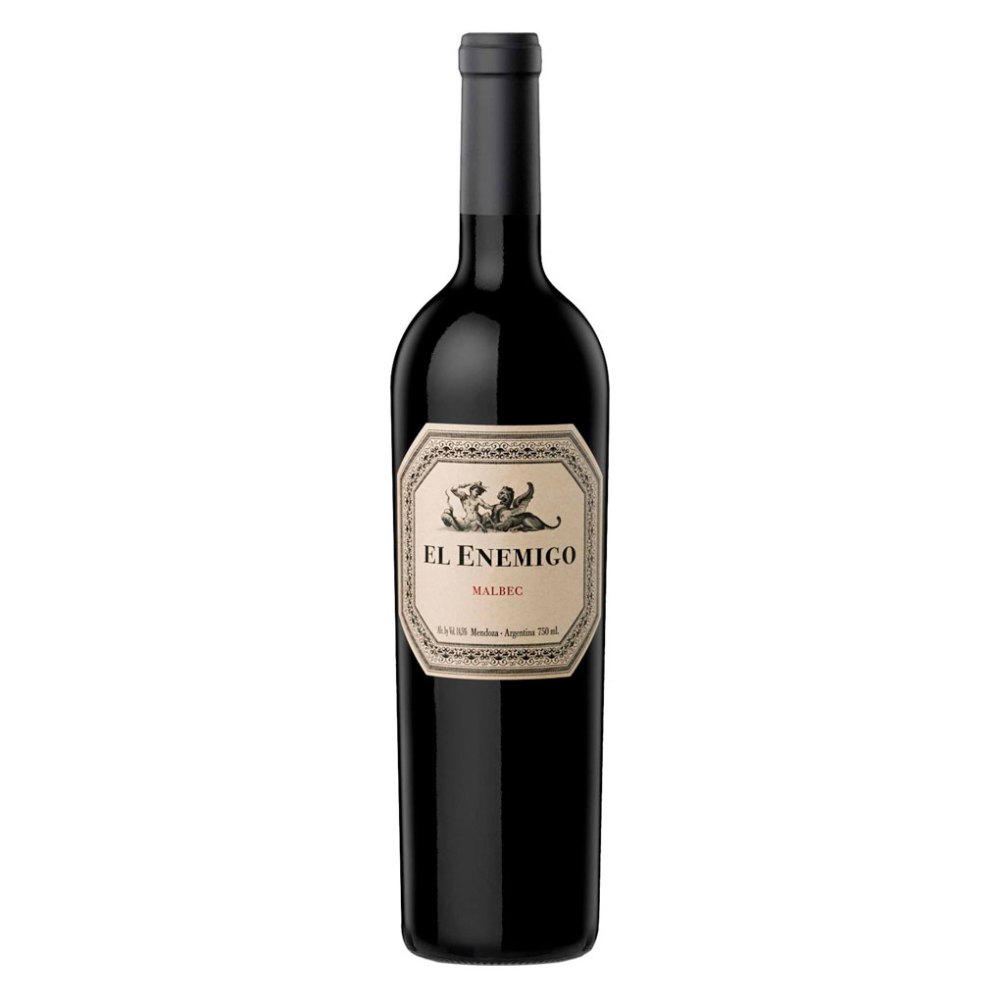
El Enemigo 2016 Malbec (Mendoza, Argentina — $26.99, Liquor Marts and beyond)
Deep purple in colour, with brambly blackberry aromas plus earthy, peppery, violet and plum notes. Dry and full-bodied, with deep dark berries wrapped in cocoa, black pepper and blueberry skin flavours, medium tannins and a long finish. Fifteen months in barrel plus seven per cent Cabernet Franc add complexity. 4/5
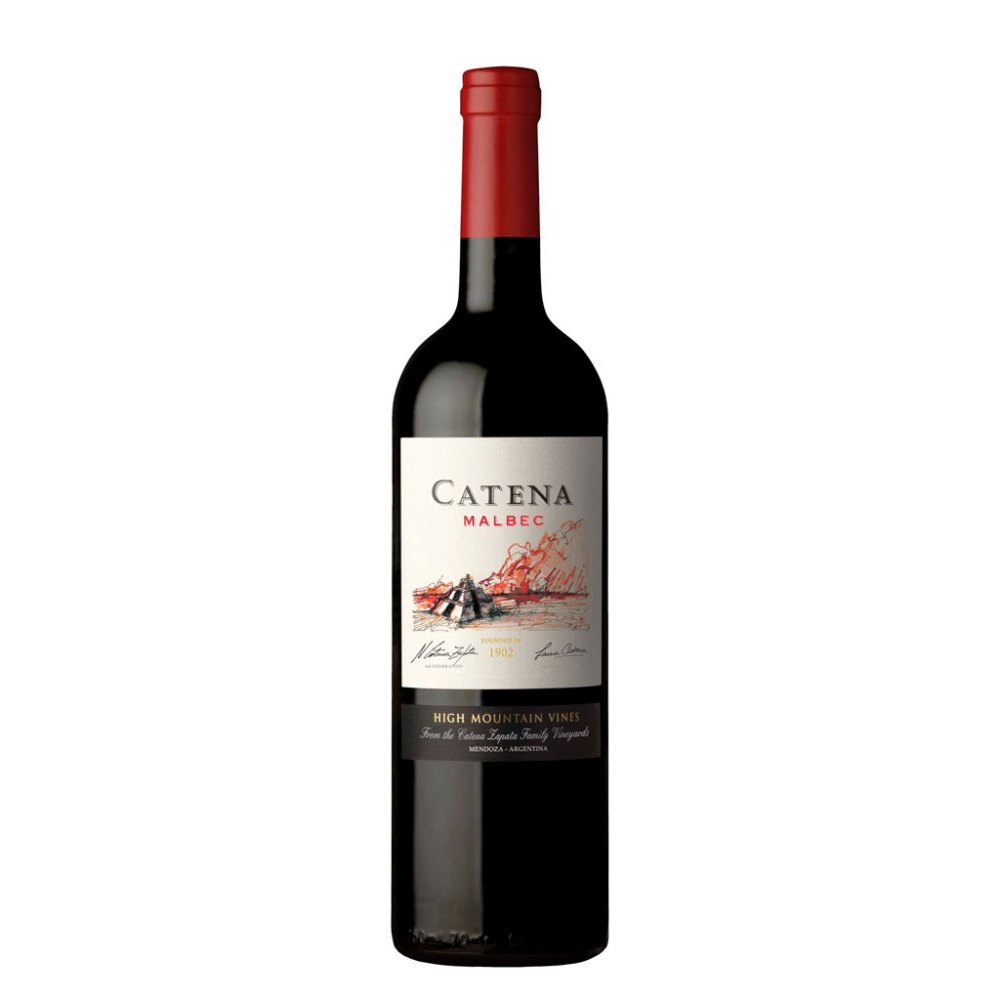
Catena 2018 High Mountain Vines Malbec (Mendoza, Argentina — $22.99, Liquor Marts and beyond)
A powerhouse that brings mocha, blackberry, violet, white pepper and plum aromas. Dense, full-bodied, with chewy dark berry and plum notes, a delicate herbal component, plus vanilla and spice from 14 months in oak and a long, satisfying finish. Impressive; drink now or hold for three to five years. 4.5/5
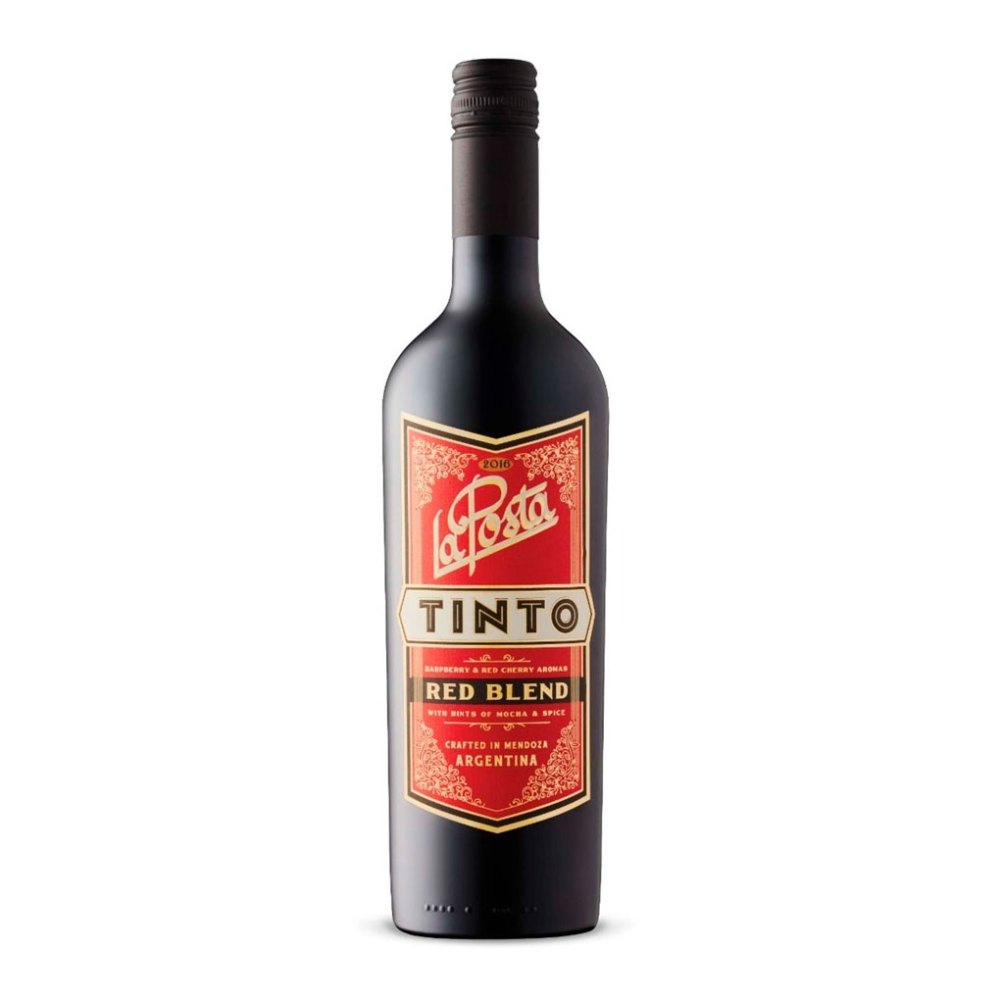
La Posta 2018 Tinto red blend (Mendoza, Argentina — around $19, private wine stores)
A 60-25-15 blend of Malbec, Bonarda and Syrah, offering chocolate and vanilla aromas with blackberry and cherry notes. Medium-bodied, with a slight cocoa note from some aging in French oak, while the dark berry and white pepper flavours along with light tannins and a slightly warm finish. Approachable now. 3.5/5
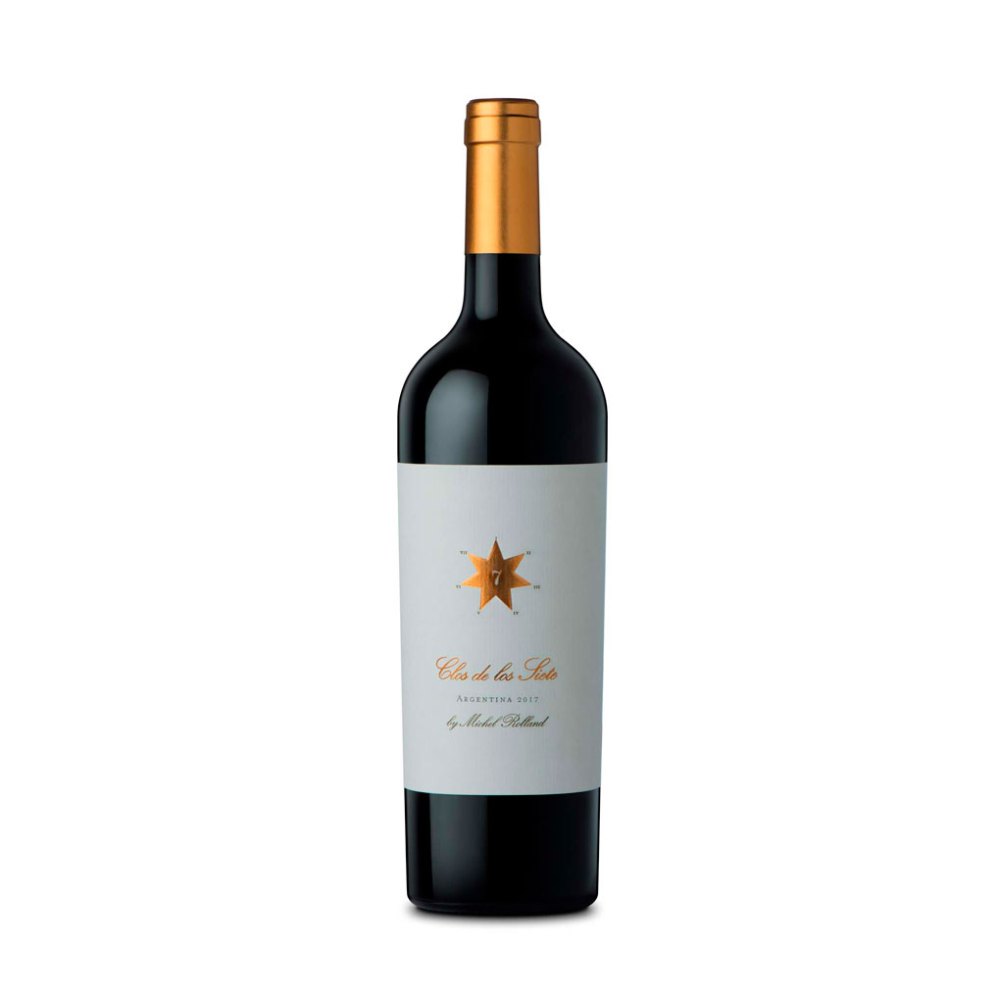
Clos de los Siete 2017 (Mendoza, Argentina — $24.99, Liquor Marts and beyond)
Just over 50 per cent Malbec, with the balance Merlot, Syrah, Cabernet Sauvignon, Petit Verdot and Cabernet Franc. Dense blackberry, blueberry and plum core aromas are enveloped in vanilla, spice and white pepper. Full-bodied and rich, with the dark berry and vanilla flavours showing especially well together, plus a peppery note, medium tannins and a warm finish. Drink or hold for three to five years; a stellar value. 4.5/5
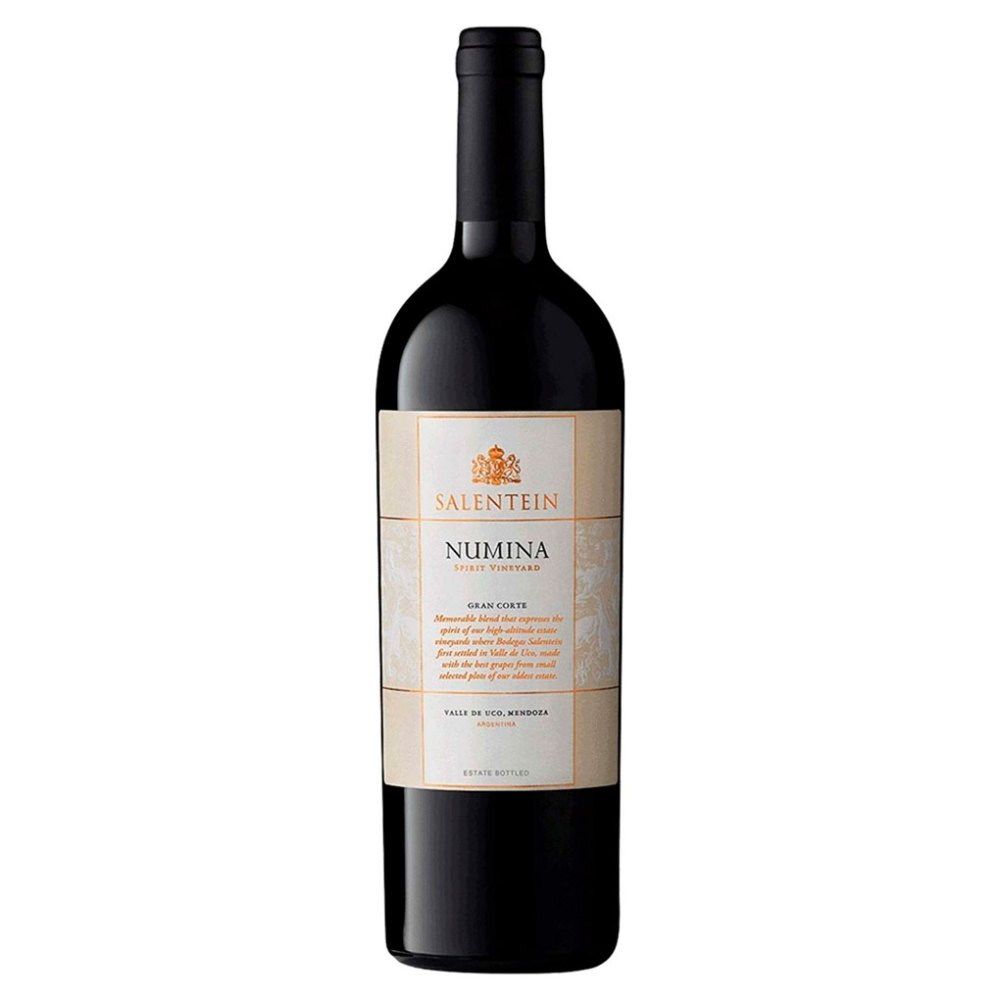
Salentein 2016 Numina Spirit Vineyard Gran Corte (Uco Valley, Argentina – $37.49, Liquor Marts and beyond)
Two-thirds Malbec, with the balance Cabernet Sauvignon, Cabernet Franc, Merlot and Petit Verdot. An enticing meaty edge on the nose along with plum, blackberry, anise and dark chocolate notes. Dense, full-bodied and complex, with rich dark berry notes, subtle spice from oak, grippy tannins and a long, warm finish. Drinking brilliantly now but could age for three to five years. 5/5
uncorked@mts.net
Twitter: @bensigurdson
Our newsroom depends on a growing audience of readers to power our journalism. If you are not a paid reader, please consider becoming a subscriber.
Our newsroom depends on its audience of readers to power our journalism. Thank you for your support.
Our newsroom depends on a growing audience of readers to power our journalism. If you are not a paid reader, please consider becoming a subscriber.
Our newsroom depends on its audience of readers to power our journalism. Thank you for your support.
Advertisement Advertise With Us
Advertisement Advertise With Us