Keeping up appearances
Min Jin Lee’s epic new novel explores family dynamics and lofty aspirations of Korean-American family
Advertisement
Read this article for free:
or
Already have an account? Log in here »
To continue reading, please subscribe:
Digital Subscription
One year of digital access for only $1.44 a week*
- Enjoy unlimited reading on winnipegfreepress.com
- Read the E-Edition, our digital replica newspaper
- Access News Break, our award-winning app
- Play interactive puzzles
*Billed as $5.77 plus GST every four weeks. After 52 weeks, price increases to the regular rate of $19.95 plus GST every four weeks. Offer available to new and qualified returning subscribers only. Cancel any time.
To continue reading, please subscribe:
Add Free Press access to your Brandon Sun subscription for only an additional
$1 for the first 4 weeks*
- Enjoy unlimited reading on winnipegfreepress.com
- Read the E-Edition, our digital replica newspaper
- Access News Break, our award-winning app
- Play interactive puzzles
*Your next Brandon Sun subscription payment will increase by $1.00 and you will be charged $17.95 plus GST for four weeks. After four weeks, your payment will increase to $24.95 plus GST every four weeks.
Read unlimited articles for free today:
or
Already have an account? Log in here »
Set between 1992 and 2007, Min Jin Lee’s American Hagwon details the desire of many Koreans to attend U.S. colleges. Reminiscent of Chimamanda Ngozi Adichie’s Americanah, it is a window into the stories of the Korean diaspora, contrasting the lofty aspirations of the characters with the realities of immigrant life: fathers in their 50s, for example, who once held prestigious corporate jobs and are now working as fry cooks, unable to get the smell of cooking oil out of their clothing or to pay for health insurance.
American Hagwon is the Harlem-based author’s third novel. The second, Pachinko, was a finalist for the U.S. National Book Award and named one of 100 best books of the century by the New York Times. She is the 2024 recipient of the Fitzgerald Prize for Literary Excellence and has held a number of fellowships, including from the Guggenheim Foundation and the Harvard Radcliffe Institute.
American Hagwon describes a world where prestige, status and social standing are of supreme importance.
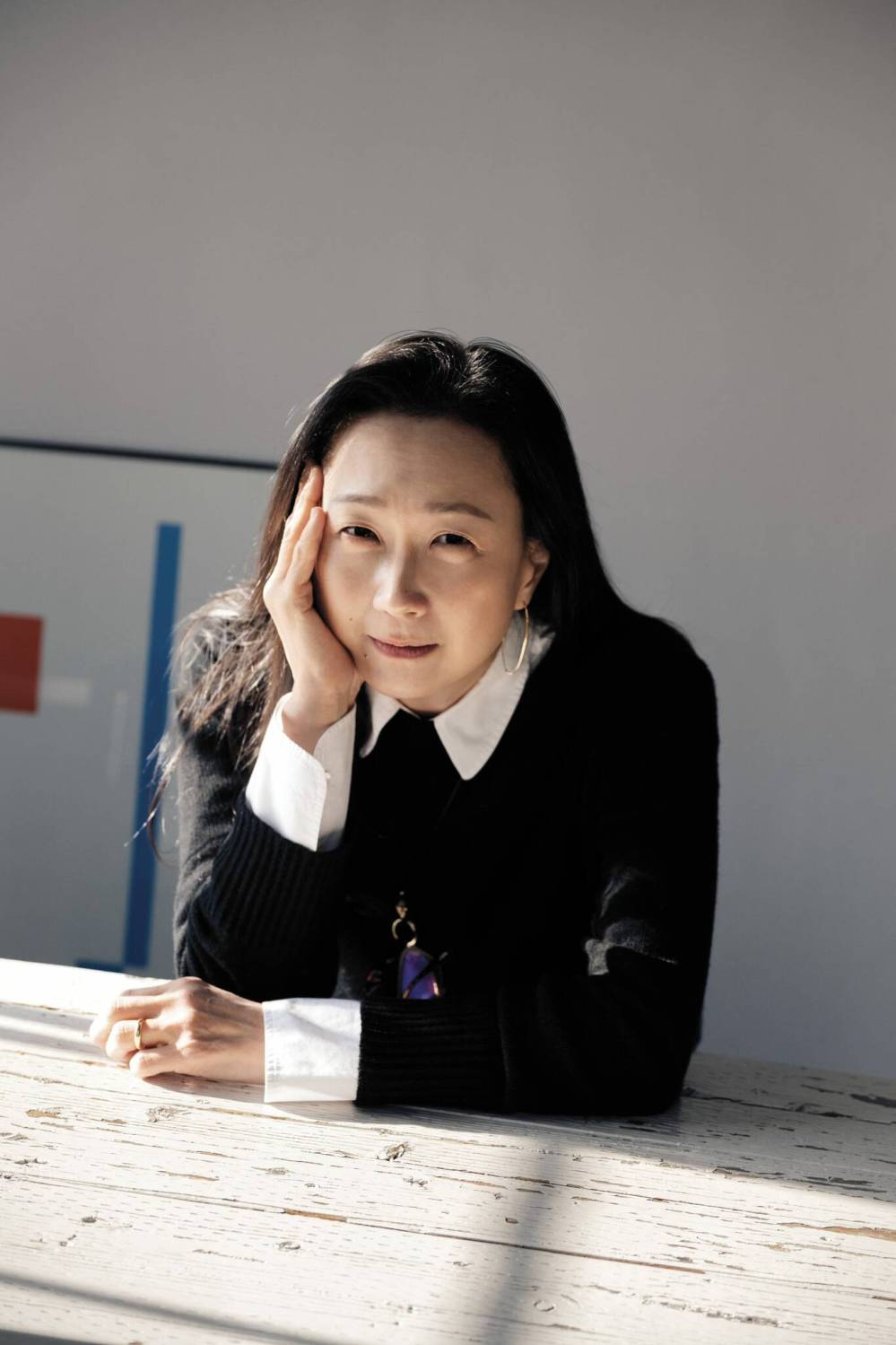
(Hae Ran photo)
Min Jin Lee’s epic new novel is both sweeping and intimate in the depictions of the hopes and disappointments of its characters.
Social distinctions collapse in the U.S., where everyone is an immigrant — and in the wake of the 1997 Asian financial crisis, which destroys the fortunes of many families — but it is still a place where parents view other children as their children’s competitors rather than as their companions, and intense scheming takes place over the elections for leadership positions in Korean churches.
A hagwon is a Korean institution that provides tutoring to students outside school hours to prepare them for the competitive university admissions process.
The Koh children, Bo, DH and Mido, are born in the U.S. and live in Australia until their teens, when their father’s company returns him to Korea. They are accepted to Eagle Academy, one of Seoul’s most popular hagwons, where they develop friendships and relationships that determine the course of their lives. Eventually the family leaves Korea again and settles in California, where Bo and Mido work as teachers at a hagwon run by a Korean American.
This is a world of strict, traditional gender roles and family expectations. In 1998, Mido, the central character, is living in Sydney, in the midst of her university studies and in a serious relationship, when her father John loses his job and her parents return to the United States.
Mido drops out of university, moves to California with them and tutors at Fortress Hagwon to pay for family living expenses and her brothers’ university studies. Though family members at various times express concern that Mido has delayed her own education for theirs, they continue to accept money from her.
Mido herself vacillates as to whether she wants or needs a degree, or whether she is happy working at the hagwon. Despite supporting her entire family, she never stays overnight with her boyfriend even in her late 20s, as she feels it would be disrespectful to her parents.
While this may seem indecisive or passive to North Americans, Mido is portrayed as having agency and being clear-eyed about her choices. Readers who did not grow up this way will be challenged to see through another lens — a mark of a good book.
John’s co-worker Danbi is a caricature of unrestrained, aggressive female sexuality which she uses to exploit hapless, weak men such as her boss Shin, who makes clichéd declarations such as: “I love her, I do. She’s crazy, but I don’t know how to make it stop. I can’t lose her.”
Consistent with the stereotype, she gets out of trouble by making false claims of sexual assault that will not sit well with some readers: “Danbi gripped his right hand and placed it on the neckline of her peach blouse. Her hand clasped over his, she ripped open her blouse and screamed. ‘Get away from me! Help me! Save me!’”
When a novel is as lengthy as American Hagwon, every page should earn its keep. It is eminently readable, particularly in the first half, where the characters’ migrations and reversals of fortunes drive the story forward.
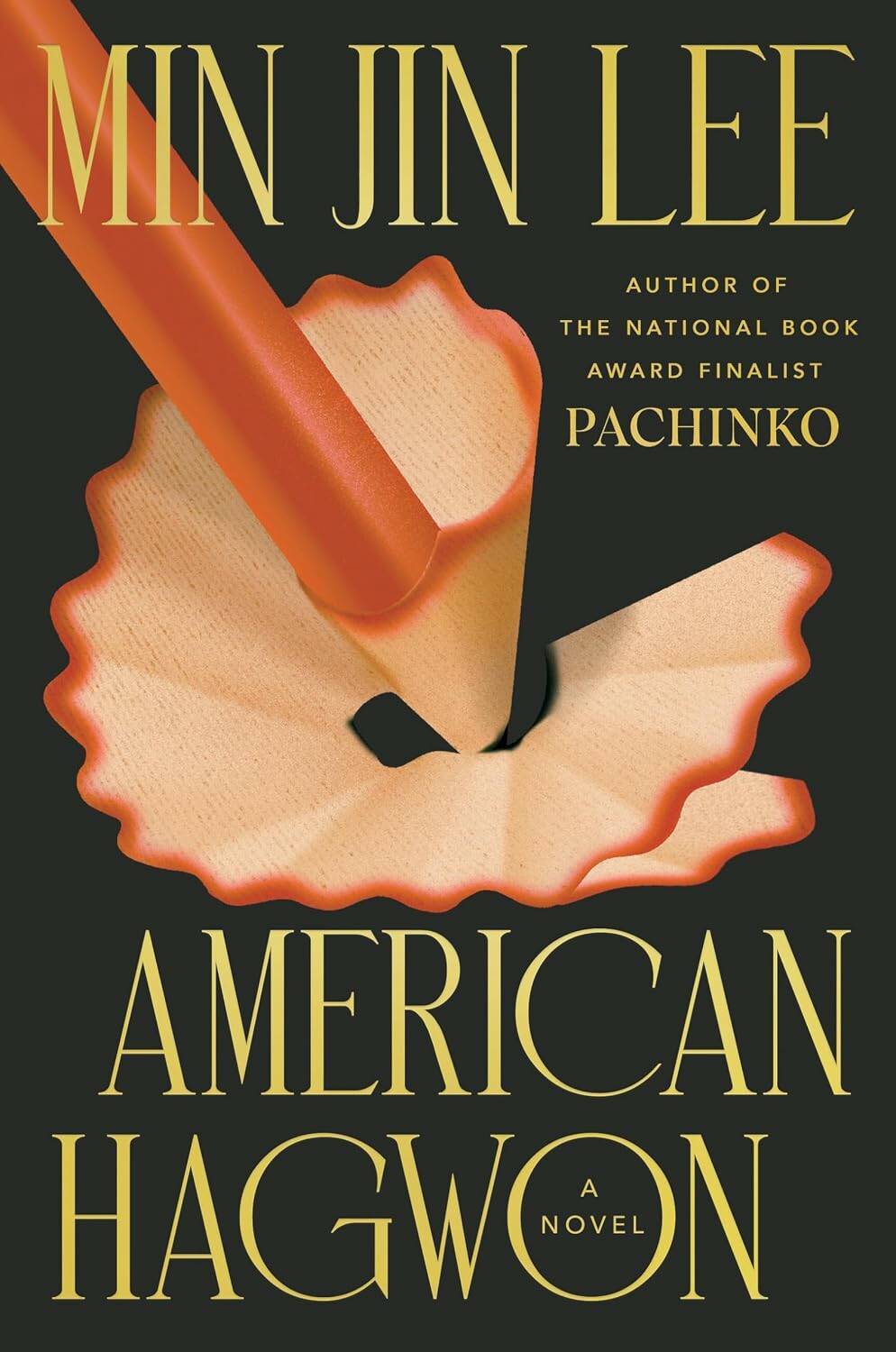
American Hagwon
However, the novel later becomes bloated with unnecessary detail or repeated information. Lion, the owner of the two California hagwons where Mido works, makes several speeches about the excessive competitiveness of Korean-American parents that feel somewhat didactic and awkward in a novel. An example: “‘The flawed but worthy American project of immigration, reinvention, and multiple chances creates more possibilities, but it requires us to explore different paths in order to have lives of greater purpose.’”

Despite these lengthy diatribes about Ivy League admissions, the author sidesteps discussing the real-life lawsuit brought to the United States Supreme Court by Asian plaintiffs opposed to affirmative action.
When a parent brings this up, we are told that Lion has no interest in the subject, but it rings false to leave this issue out of a novel centred around the subject of Koreans and higher education.
Though flawed, American Hagwon is a compelling and highly immersive novel, which expertly layers the twists and turns of the characters’ lives into an intricate plot that never loses momentum.
It is at turns both sweeping and intimate, blazing and tender in its depiction of the hopes and disappointments of its characters, the cost of their dreams, the nature of their sacrifices and the strength of their love.
Zilla Jones is a Winnipeg-based writer of short and long fiction. Her debut novel, The World So Wide, was published in April 2025.