A loving legacy
Missing grandfather’s writing spurs moving memoir, short fictions
Advertisement
Read this article for free:
or
Already have an account? Log in here »
To continue reading, please subscribe:

Digital Subscription
One year of digital access for only $205*
- Enjoy unlimited reading on winnipegfreepress.com
- Read the E-Edition, our digital replica newspaper
- Access News Break, our award-winning app
- Play interactive puzzles
*First annual payment billed as $205.00 + GST for one year. This annual subscription will automatically renew at $233.00 + GST every 52 weeks (10% off the regular annual price of $259.35). Offer available to new and qualified returning subscribers only. Cancel any time.
To continue reading, please subscribe:
Add Free Press access to your Brandon Sun subscription for only an additional
$1 for the first 4 weeks*
- Enjoy unlimited reading on winnipegfreepress.com
- Read the E-Edition, our digital replica newspaper
- Access News Break, our award-winning app
- Play interactive puzzles
*Your next Brandon Sun subscription payment will increase by $1.00 and you will be charged $17.95 plus GST for four weeks. After four weeks, your payment will increase to $24.95 plus GST every four weeks.
Read unlimited articles for free today:
or
Already have an account? Log in here »
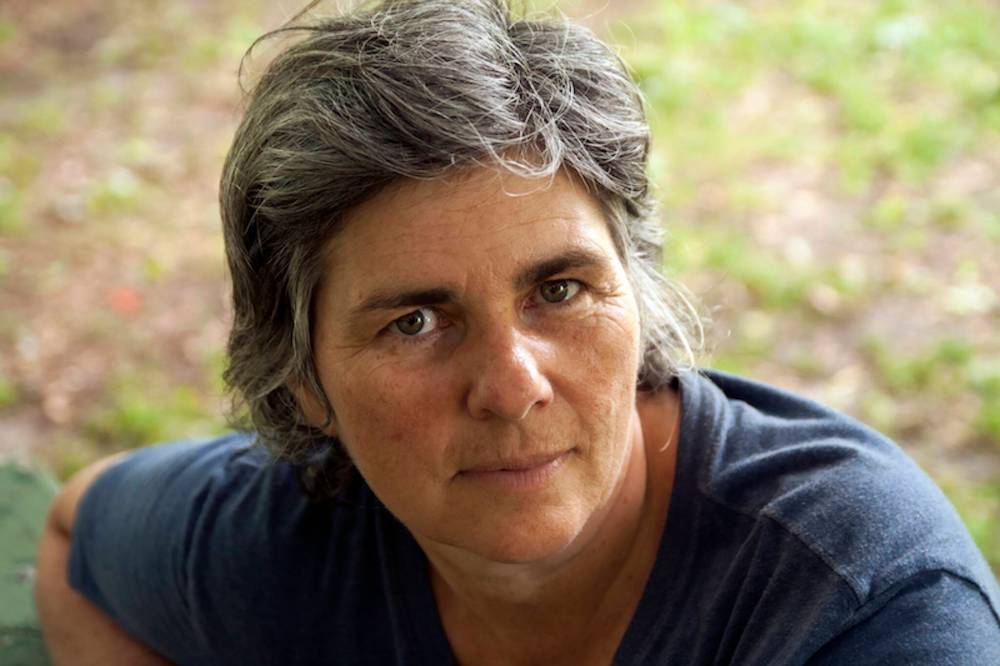
Born in the U.K., having grown up in B.C. and now based in Kingston, Ont., prolific author Helen Humphreys is no stranger to personal memoirs. Among her numerous books, including nine novels, four books of poetry, and five works of creative non-fiction, she has written about the hidden history of the apple and how it connected agriculture and human settlements in North America in The Ghost Orchard, and the devastating loss of her brother in Nocturne — two seemingly unconnected topics which coalesce in her latest work, Summerland.
When her father was 12, Humphrey’s grandfather Dudley went missing, presumed killed on a secret military flight to Malta during the Second World War. Meant to take command of an air base, his mission was a covert operation, and so his family received only the sparest information about what happened to him.
In recent years, the British government finally released the investigative file into his death and, even more recently, Humphrey’s aunt discovered a stash of her grandfather’s writing.
With this sudden influx of information, Humphreys is able to piece together a portrait of her grandfather, a man she was never able to meet. She discovers that he had grand plans to move his family from England to Summerland, B.C., where he spent some time working as a bank clerk when he was a young man, and wanted to build an apple orchard. He also hoped to become a writer and wrote several stories about his wartime experiences in both the First and Second World Wars.
While he didn’t manage to realize his dreams before his death, his family seems to have made them come true without him; Humphreys’ father does move the family to B.C., though not specifically to Summerland. And Humphreys herself, with a long and distinguished career, seems to have fulfilled his dream of becoming a writer.
Is this merely coincidence, or did the later generations inherit their grandfather’s dreams, creating an innate pull to live their lives a certain way? Humphreys wonders if, almost like the opposite of generational trauma, happier memories can be passed to later generations as well.
Humphreys’ structure alternates between creative non-fiction or memoir pieces — sharing family history and the facts she can confirm about her grandfather’s life — and short fiction pieces, where she incorporates some of her grandfather’s writing.

The first short story she includes is his, a harrowing account of surviving the trenches in Belgium where he is saved by a mysterious figure who orders a retreat, although it’s impossible to discern if the figure was real or a phantom.
In the two other stories Humphreys emulates her grandfather’s style, creating one narrative that allows him a glimpse of what his future life will be, and another that imagines what could have happened after his plane was shot down.
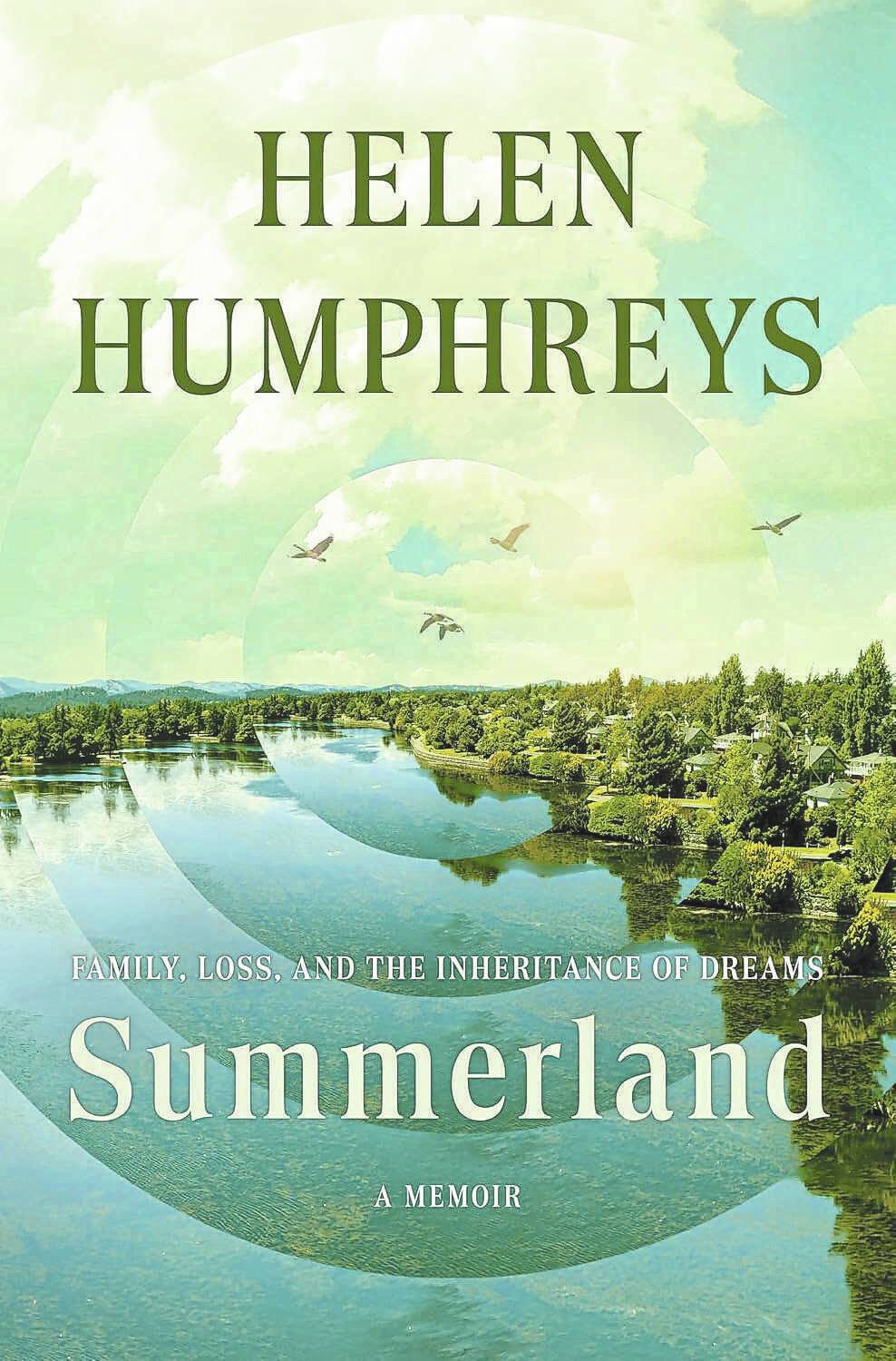
This approach is surprisingly tender and emotionally rich, allowing the reader to share in Humphreys’ deepest thoughts and imaginings of her lost family connection. The ache for what might have been, as well as the appreciation for the life she has led, flow through the text, which is remarkably rich even though it is a slight 200-plus pages.
Fans of Humphreys will surely connect with this earnest and personal exploration of family and loss. Though centred on a family tragedy, Summerland is a quietly hopeful book, a peaceful rumination on why our dreams are important, and why they last.
Keith Cadieux is a Winnipeg writer and editor. His latest story collection Donner Parties and Other Anti-Social Gatherings is out now. He also co-edited the horror anthology What Draws Us Near.