Spirit of live theatre captured in haunted festival venue
Advertisement
Read this article for free:
or
Already have an account? Log in here »
To continue reading, please subscribe:
Digital Subscription
One year of digital access for only $1.44 a week*
- Enjoy unlimited reading on winnipegfreepress.com
- Read the E-Edition, our digital replica newspaper
- Access News Break, our award-winning app
- Play interactive puzzles
*Billed as $5.77 plus GST every four weeks. After 52 weeks, price increases to the regular rate of $19.95 plus GST every four weeks. Offer available to new and qualified returning subscribers only. Cancel any time.
To continue reading, please subscribe:
Add Free Press access to your Brandon Sun subscription for only an additional
$1 for the first 4 weeks*
- Enjoy unlimited reading on winnipegfreepress.com
- Read the E-Edition, our digital replica newspaper
- Access News Break, our award-winning app
- Play interactive puzzles
*Your next Brandon Sun subscription payment will increase by $1.00 and you will be charged $17.95 plus GST for four weeks. After four weeks, your payment will increase to $24.95 plus GST every four weeks.
Read unlimited articles for free today:
or
Already have an account? Log in here »
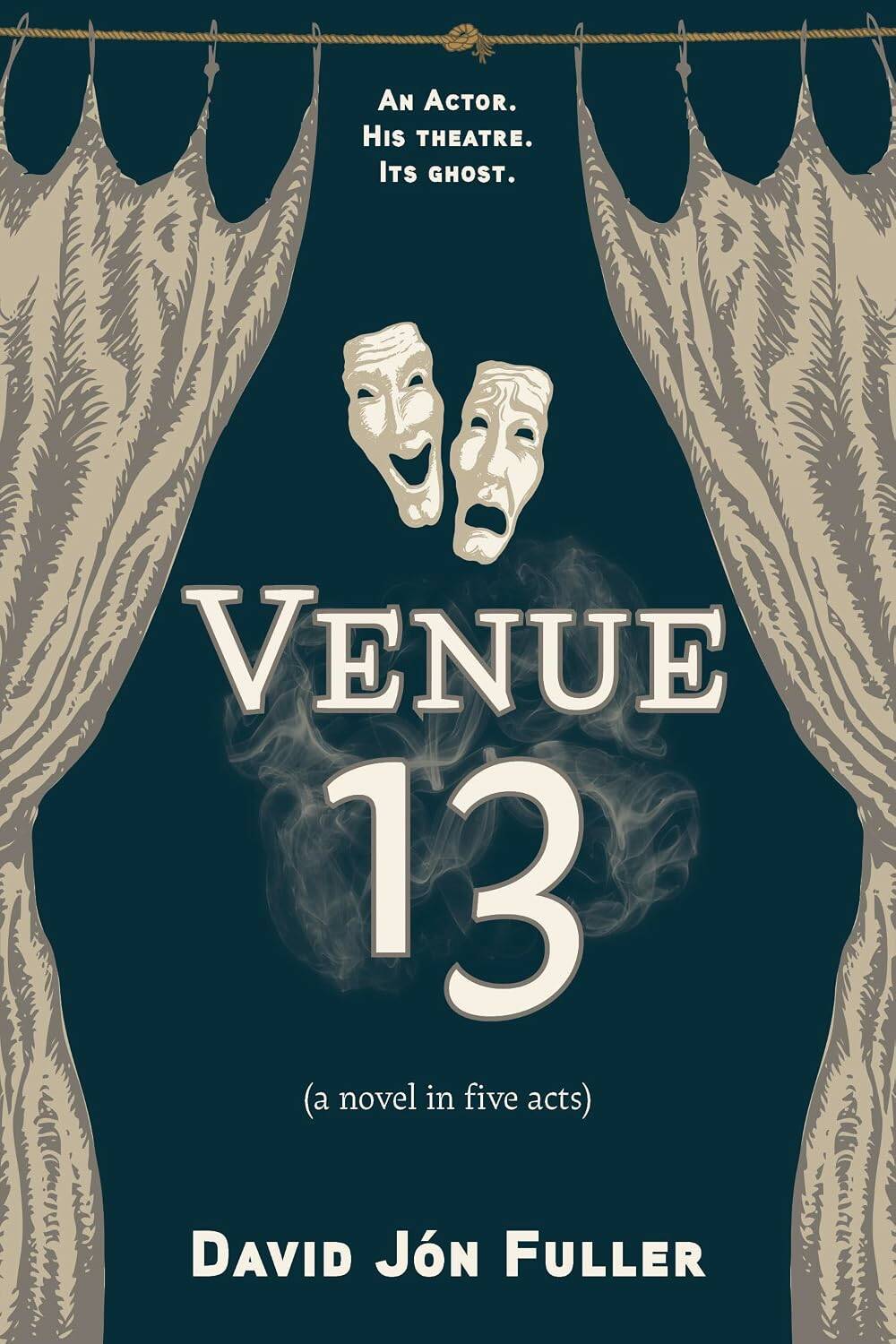
When is a book like a play, or a play like a book — or both? This is the underlying question posed by David Jón Fuller in his debut novel, Venue 13. Considering Fuller’s background as an editor and reviewer for this newspaper, and a longtime part of our city’s theatre community, who better to write a novel that takes place during the Summer Theatre Festival, known locally as Skeeter Fest? (This may sound familiar to any readers who have attended a Winnipeg festival known as the fringe.)
Venue 13 takes the reader behind the scenes of the festival — and not just the actors, directors and sound techs, but the venue owners who mount numerous shows with the hope of attracting large crowds to their BYOV (bring your own venue) location (to use the fringe parlance).
Robert Laliberte has bought an old building that he hopes to resurrect into an arts hub, complete with a fancy fusion restaurant run by his friend, the exotically named Ihor. Winnipeg, and the Exchange District in particular, are well-drawn in the novel, and you can have fun trying to guess which buildings Fuller is referencing.
Venue 13
The novel is a rogue’s gallery of theatre types: the controlling directors, the perfectionist producers, the sensitive actors and even the guy called in to fix the rotting foundation of the theatre.
Most of all, Venue 13 taps into all those ghost stories that run rampant through the Winnipeg theatre scene, not to mention other venues around the world. What’s a theatre without a good ghost?
Robert deals with an escalating cascade of problems, many caused by a ghost named Henry, who would rather everyone leave his beloved theatre alone. As luck would have it, Robert’s new friend and romantic interest, Arianna, has the knack of channeling said ghost, and together they try to understand what Henry wants. Isn’t that always the case with ghosts? Figure out their problem, solve it, and they will leave the premises.
Many other characters swim through the plot, perhaps a few too many. But they have an authenticity to them, such as the sleazy financier, or the tough but fair manager at the restaurant where Robert and Arianna work.
Like a lot of plays, Venue 13 starts slow. There is a convention of using stage directions to intro and outro characters from scenes, which begins as clever but soon wears a bit thin. (An example: “Enter ARIANNA, along the sidewalk, head down. She and Robert nearly collide.”) It might have been better to treat this as a straight-ahead novel, as the device becomes a touch distracting.
As the book’s subtitle indicates, the novel’s narrative is broken up into five acts, which works better than the stage directions, as it shows the various beats of the story — notably as the main character suffers more and more stress. Often the best thing you can do to a character is apply pressure with your thumb and see how they react.
Robert’s wealthy artistic parents play a significant role as he tries to carve his own path to success — if only that ghost wouldn’t keep ruining things. It turns out the ghost is the real propulsive engine in the story.

The pace lags for the first half of the book, the prose a bit clunky, the tropes abundant, and the romance elements feel forced. But the show, and the novel, must go on.
It’s hard to tell if the prose gets better as the novel progresses, but the story certainly does. In the last act of the book, Henry the ghost has his time on the stage. The story he tells is riveting, and the novel really does become unputdownable. The reader will feel like part of the enraptured audience, hanging on every word, as Henry weaves his historic tale (no spoilers as to how).
The story isn’t new — hard-working entrepreneur goes against all the odds to put on a big show in the fringe (sorry, Skeeter Festival) — but the characters in Venue 13 have plenty of heart. You’ll find yourself rooting for Robert, or Henry the ghost, Ihor the restaurant owner, Maureen the newspaper reporter, Arianna the love interest and even Solomon, who tries to save the building before it collapses into a pile of rubble.
Venue 13 is like one of those plays that you wander into, watch for 10 minutes and suddenly become entranced. This is the magic of theatre — except here it’s a book, that’s like a play, that is a book.
Craig Terlson is a Winnipeg writer who has written and produced plays for the Skeeter Festival, and is sure most of them were haunted.