COVID-19 chronicles
Medical historian and hematologist examines spread of coronavirus — and misinformation — in vital new account
Advertisement
Read this article for free:
or
Already have an account? Log in here »
To continue reading, please subscribe:

Digital Subscription
One year of digital access for only $205*
- Enjoy unlimited reading on winnipegfreepress.com
- Read the E-Edition, our digital replica newspaper
- Access News Break, our award-winning app
- Play interactive puzzles
*First annual payment billed as $205.00 + GST for one year. This annual subscription will automatically renew at $233.00 + GST every 52 weeks (10% off the regular annual price of $259.35). Offer available to new and qualified returning subscribers only. Cancel any time.
To continue reading, please subscribe:
Add Free Press access to your Brandon Sun subscription for only an additional
$1 for the first 4 weeks*
- Enjoy unlimited reading on winnipegfreepress.com
- Read the E-Edition, our digital replica newspaper
- Access News Break, our award-winning app
- Play interactive puzzles
*Your next Brandon Sun subscription payment will increase by $1.00 and you will be charged $17.95 plus GST for four weeks. After four weeks, your payment will increase to $24.95 plus GST every four weeks.
Read unlimited articles for free today:
or
Already have an account? Log in here »
Hey there, time traveller!
This article was published 19/11/2022 (1415 days ago), so information in it may no longer be current.
On the dance card that is nature and humanity, we don’t pick the music — we just get to face it.
Nature acts, we react. And so it is with the global virus labelled COVID-19.
If this horrid bodily nightmare with a bland name has taken you or a loved one, it doesn’t matter how many others COVID has killed — but for the record, it’s over six million human beings so far.
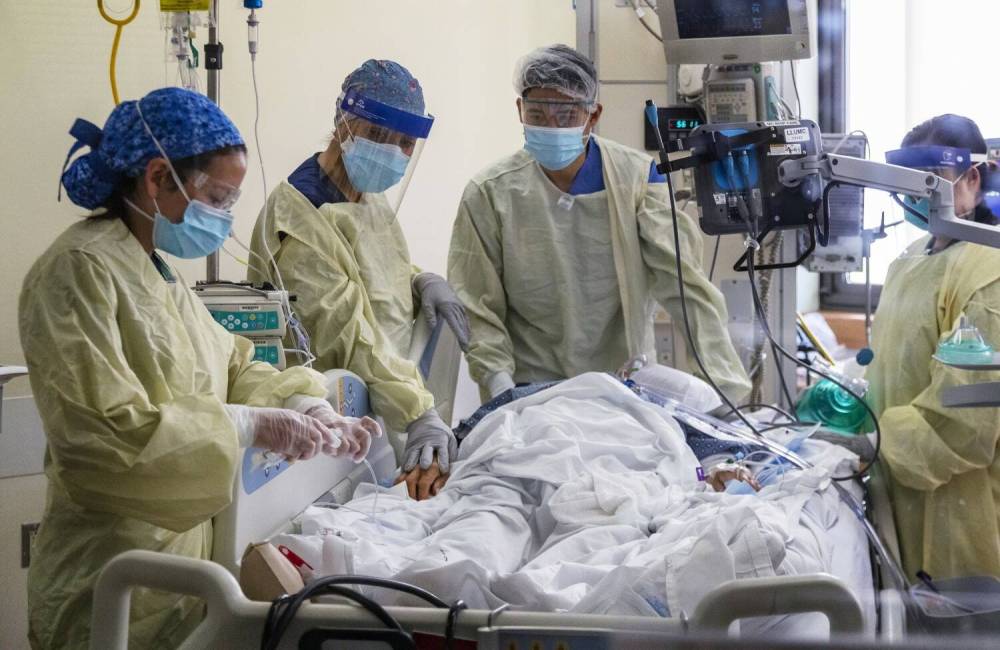
Gina Ferazzi / Los Angeles Times
Author Jacalyn Duffin calls nature ‘endlessly inventive,’ saying we must not let down our guard before the next new virus inevitably infects humans
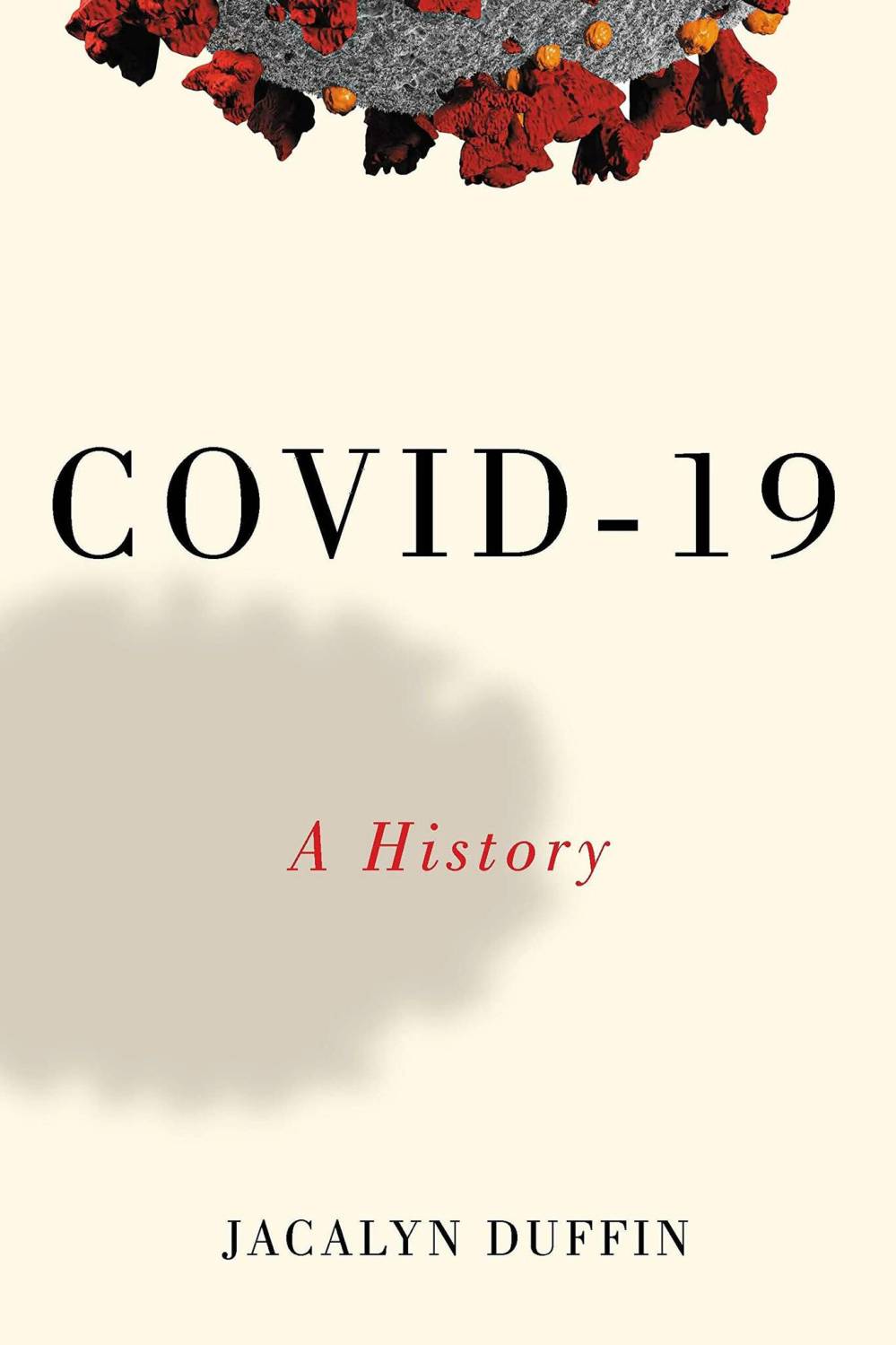
But there’s visionary, erudite input, and it comes from the self-described double vision of an eminent Canadian medical historian-physician who has authored a thorough chronicle of COVID-19, sure to be studied by beings of the future. More importantly, she has scoured the subject to determine what’s to be learned from this pandemic that should be applied if we are to improve our continuing response to it and the other pandemics and epidemics sure to come.
Author Jacalyn Duffin’s reasoning is comprehensive and persuasive. It should attract all combatants in the current COVID fight that began over two years ago and surprised and terrified the world.
Duffin is a hematologist and former medical historian at Queen’s University in Kingston, a member of the Order of Canada, author of 11 books and was inducted into the Canadian Medical Hall of Fame in 2019. She is widely regarded and writes with authority. Hers is a hard read, choked with facts and conclusions, all in a smaller type font than usual. It is not for the impatient but very rewarding, even fascinating, for those who tough it out.
Duffin has a compelling understanding of how modern communications, available to anyone, are being employed in nefarious ways to cripple the distribution of legitimate information and numb support for the public measures employed in the battle.
“What is new during COVID-19 is the ubiquity of social media, the echo chambers that they create, and postmodern skepticism,” Duffin writes. “People believe that they can easily do their own research. They inadvertently select voices and ideas that match their hopes and expectations, in blithe disregard for credentials, or even with a loathing of expertise.” Then, she says, this phenomenon of lies, distortions and conspiracy theories is “ramped up by the geopolitical aspirations of state leaders” repeating such disinformation and embracing it as their own.
Likewise, Duffin has little good to say about those Canadians who defy public health orders, preach nonsense and promote lies about vaccines and try to justify their opposition to them for numerous fatuous reasons, including religion.
From the beginning, she says, “Few protestors recognized that their vision of personal freedom included the right to make other people sick,” Duffin says.
The doctor says estimates are that up to 40 per cent of Canadians — vaccinated and not — have been infected to date. And, she says, “COVID-19 is not over. It will be with us for a long time, and “if we are lucky COVID-19 will recede into an endemic problem with manageable parameters.”
Duffin admits nature is “endlessly inventive” and inevitably will get around to us again with new viruses. And she cautions we must never let down our guard.
Duffin makes numerous recommendations for future preparedness.
She says Canada should bring back its Global Public Health Intelligence Network (GPHIN), “our once admired system for vigilance and early alerts.” We also should ensure adequate stockpiles of both drugs and personal protective equipment (PPE) and their sources and supply chains. She says protective equipment was “sadly lacking” when the pandemic hit Canada.

John Woods / Winnipeg Free Press files
Duffin says skepticism fostered by social media led to the defying of public health orders.
Further, Duffin says we need to keep studying the efficient rollout of vaccinations and fix the world’s “shameful, unequal distribution.”
Next, Duffin says, home care for seniors and the disabled must be properly funded as part of the health-care system, not as a private option reserved for the rich. As well, she concludes, it is said that COVID-19 has decelerated by as much as two decades the social and career advances of women — especially mothers of young families — and, for a basic start, publicly funded childcare should be a human right.
Duffin proposes health-care professionals are not the only essential workers, and that the same vital recognition should be given others who provide public services — grocery clerks, bus and transport drivers, stevedores, police, firefighters and the like. And we need to ensure that nobody with symptoms must go to work because they need the money.

Nations and scientists should trust and talk to each other, Duffin says, “something that is still not happening for COVID-19.” And she is very critical of “the ugly, selfish scramble over drugs and vaccines, (and the) pitting of entitlement against poverty…”
Duffin ends up proposing that through the World Health Organization (WHO) and others we need to identify the successes and failures in managing the pandemic and recognize emerging patterns of beneficial public policy and political action of widespread potential.
In this age of sophisticated medicine and a plethora of vaccines and drugs unparalleled in history, Duffin reminds us that among the most effective means of control and prevention in both pandemics and epidemics is the things people can do themselves — the old standbys of isolation, social distancing and personal masking.
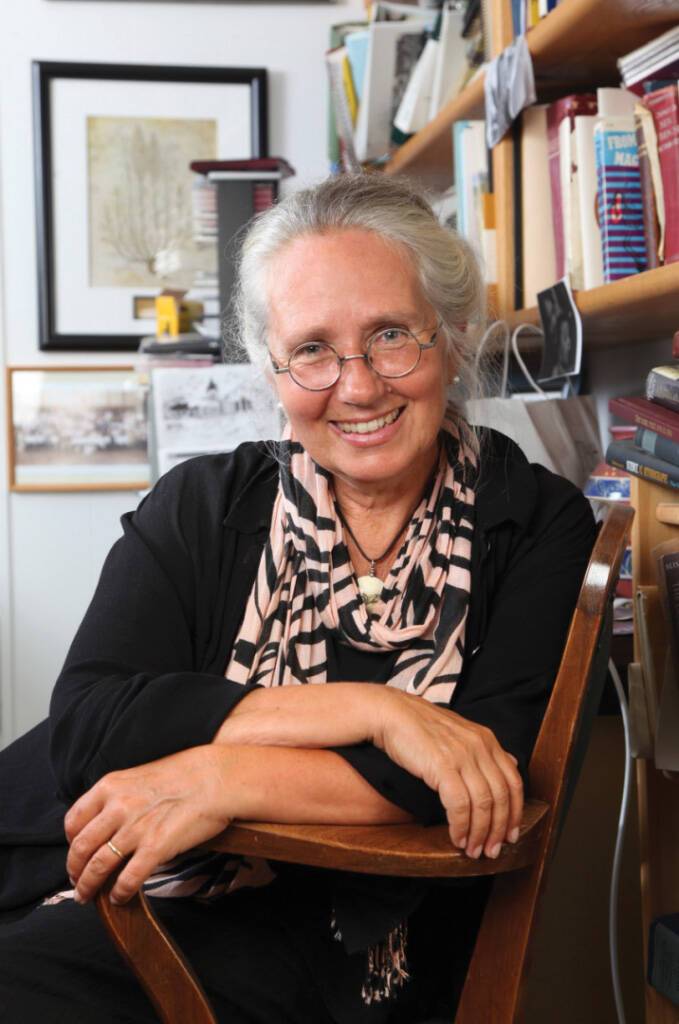
SUBMITTED PHOTO
Jacalyn Duffin
Nice to know we can still do our bit for the common good.
Barry Craig was disheartened to learn that Canada’s COVID death toll to date is about equal to Canadian lives lost in the Second World War.