New music
Reviews of this week’s CD releases
Advertisement
Read this article for free:
or
Already have an account? Log in here »
To continue reading, please subscribe:

Digital Subscription
One year of digital access for only $205*
- Enjoy unlimited reading on winnipegfreepress.com
- Read the E-Edition, our digital replica newspaper
- Access News Break, our award-winning app
- Play interactive puzzles
*First annual payment billed as $205.00 + GST for one year. This annual subscription will automatically renew at $233.00 + GST every 52 weeks (10% off the regular annual price of $259.35). Offer available to new and qualified returning subscribers only. Cancel any time.
To continue reading, please subscribe:
Add Free Press access to your Brandon Sun subscription for only an additional
$1 for the first 4 weeks*
- Enjoy unlimited reading on winnipegfreepress.com
- Read the E-Edition, our digital replica newspaper
- Access News Break, our award-winning app
- Play interactive puzzles
*Your next Brandon Sun subscription payment will increase by $1.00 and you will be charged $17.95 plus GST for four weeks. After four weeks, your payment will increase to $24.95 plus GST every four weeks.
Read unlimited articles for free today:
or
Already have an account? Log in here »
Hey there, time traveller!
This article was published 24/11/2022 (1386 days ago), so information in it may no longer be current.
POP/ROCK
Neil Young
World Record (Reprise)
Neil Young and his longtime band Crazy Horse return to a favourite topic with World Record, a double entendre title for an album that not-so-subtly focuses squarely on the fate of the environment.
This is the 77-year-old former Winnipegger in full-on Earth/grandfather rocker mode. And while it could have easily turned into a crotchety rant, World Record is really more of an optimistic exhortation.
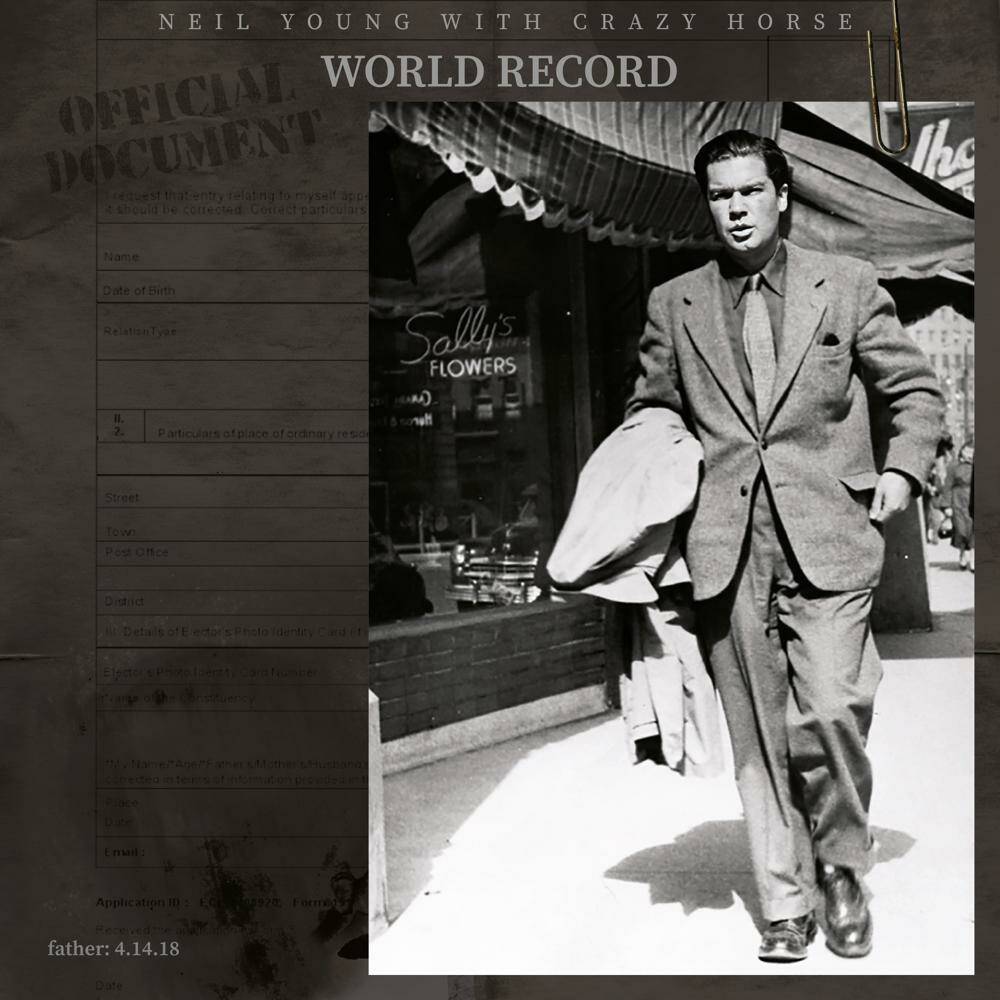
“Love Earth/we can bring the seasons back,” Young sings on Love Earth, a gentle romp that almost feels like it could be sung around a campfire. “Love Earth/can you imagine that?”
The centrepiece of the 10-track collection is the 15-minute Chevrolet, a reflection by the noted gear-head Young about his changing relationship with the automobile in the face of climate change.
“How will it comfort me/burnin’ all that fuel again?” he wistfully sings over a heavily distorted lead guitar and signature Crazy Horse sound. “Gone is crowded highway/Lost are the roads we left behind.”
Young has been singing about the fate of our world for more than half a century in the face of climate change, global economic forces and environmentalism. He sang about Mother Nature being on the run in 1970′s After the Gold Rush, and in more recent years his message has become more urgent, direct and sometimes clumsy — see 2014′s The Monsanto Years.
In an effort to keep things fresh, Young and Crazy Horse recorded World Record live in the studio without any instrumentation in mind. The end result, co-produced by Rick Rubin, is predictably esoteric for Young, an artist who revisits common themes but seemingly never in quite the same way each time — for better or for worse. ★★★1/2 out of five
STREAM THIS: Chevrolet
— Scott Bauer, The Associated Press
R&B
Lous and the Yakuza
Iota (Columbia Records/Sony)
Marie-Pierra Kakoma of Lous and the Yakuza has peeled back the pain and drama of her debut autobiographical album, Gore, to reveal a space of love and playfulness on her followup, Iota.
The Congolese-Belgian singer and songwriter’s latest endeavour explores a fresh new tone as she delves into softer themes in her music. The songstress known to effortlessly weave through trap, R&B and pop allows her romantic and whimsical side to shine through in Iota, giving us a richer picture of the artist.
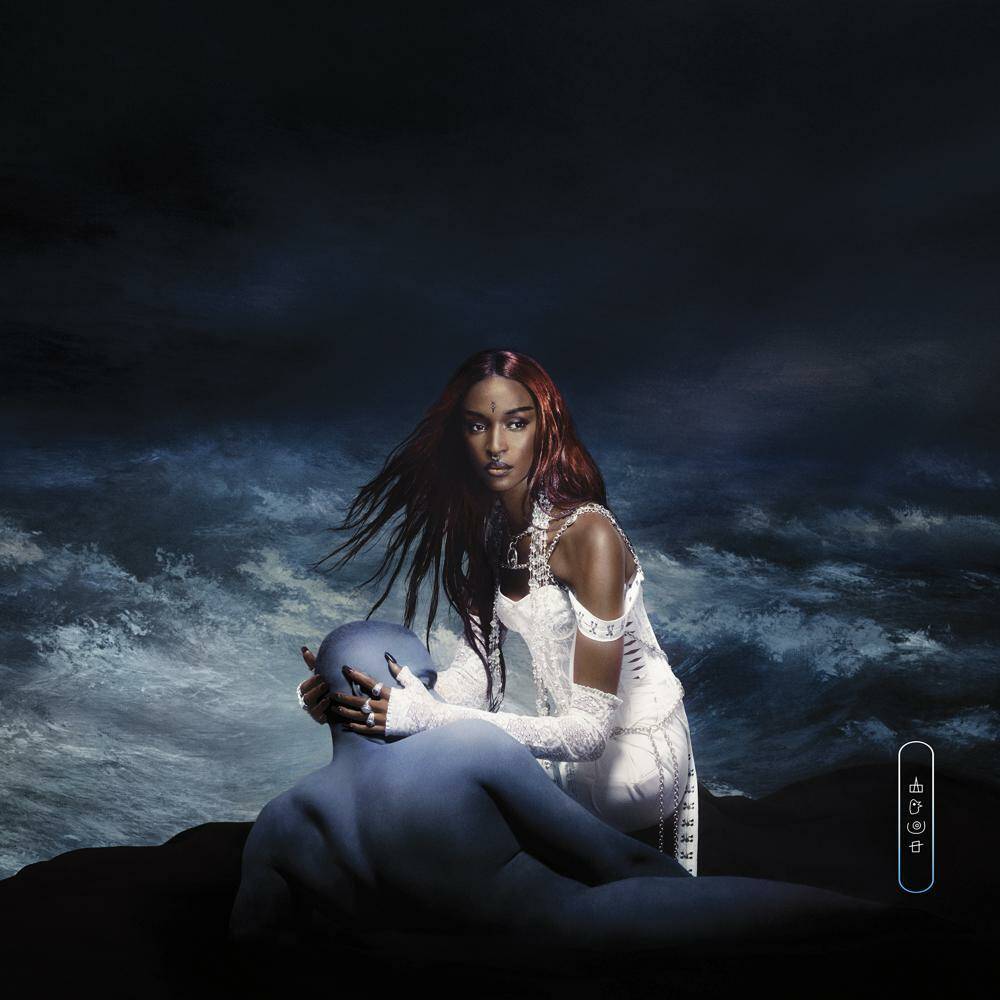
The captivating performer behind Lous and the Yakuza has such a strong vision for herself and her music that she even has her own symbol: two hands being raised to the sky, which she paints on herself.
She hints at the symbol in her opening song on the album, Ciel meaning sky, where she sings about spirituality with whispery vocals and soothing harmonies. The album is driven by love. Kakoma longingly sings of her love as a treasure in the pop song Trésor and includes a cinematic ballad that could play during a montage of a love story in an indie French film.
Kakoma sets her ode to love in an anime dreamworld. The singer is a longtime anime and manga fan, and she happily talks about her collection on TikTok. For Iota, Kakoma drew inspiration from the works of anime greats like Studio Ghibli and Paprika director Satoshi Kon. The music video for Monsters, a song about living with life’s problems, is her take on Ghibli classics My Neighbour Totoro and Spirited Away.
Kakoma is not shy about sharing what she has overcome to get to where she is today. She fled war in Congo at age four before moving to Belgium and later dealt with homelessness in her early days as an artist. Now, the Louis Vuitton muse’s French songs have transcended language on the music charts with millions of streams.
One of her longtime friends, Congolese-Belgian Damso, is featured on the duet Lubie, an almost lullaby-like song French rap and a hard synth build.
The song is followed by Interpol, where Kakoma sings that her “feelings are my instruments.” It’s with those instruments that she draws us all the more into her unique universe. ★★★★ out of five
— Beatrice Dupuy, The Associated Press
JAZZ
Charles Lloyd
Trios: Sacred Thread (Blue Note)
Charles Lloyd is an acclaimed master in the jazz world. At 84, the Memphis-born musician is still playing saxophone, flute and other exotic instruments, and releasing wonderful albums. His most recent project, completed with this release, is a three-album set collectively called Trio of Trios, each starring a different trio, released individually as CDs and as a three-LP box set.
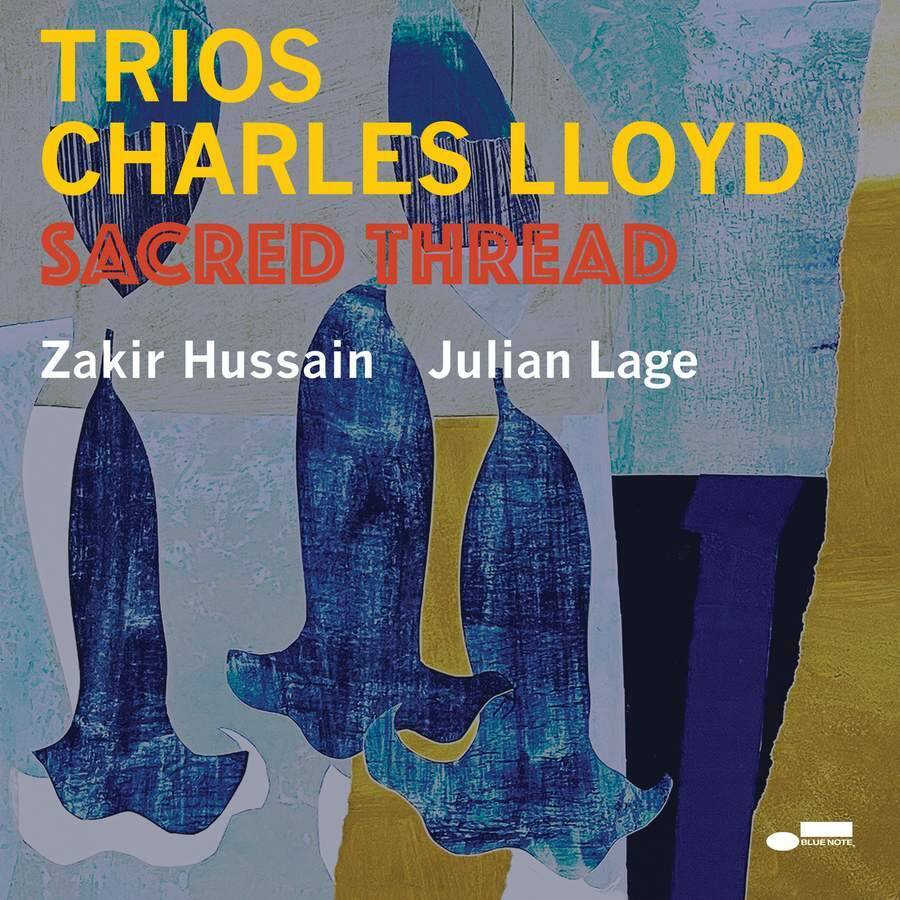
The first trio, Chapel, featured Bill Frisell on guitar and Thomas Morgan on bass. The second, Oceans, had Gerald Clayton on piano and Anthony Wilson on guitar. On this third release, Lloyd explores his frequent involvement with eastern music and instrumentation with the help Julian Lage on guitar and Zakir Hussain on percussion.
The music here is very different from the first two trios. Lloyd has made eastern music a mode to include fully in the jazz tradition, with instruments and vocals that would no doubt have sounded very strange a few decades ago. Here, with three amazing musicians, any unfamiliarity simply is irrelevant. In the late ’50s Lloyd was studying at Southern Cal when he got to know musicians such as Ravi Shankar and Alla Rakha. He says, “That’s when I heard the call of Mother India,” with poetic and musical revelations he refers to as a sacred thread. A resulting album was referred to as “Indian music blending cogently with free-flowing modern jazz.”
That blending continues here. There is seamless movement from Indian vocals and rhythm to “familiar” North American jazz that exemplifies the concept of jazz as a world music. The opening track, Desolation Sound, is a haunting melody, with Lloyd setting the stage for the album. The next track, Guman, is fully in the Indian mode with Hussain’s quiet vocals and Lage’s accompanying guitar. Nachekita’s Lament fully explores East and West with Lloyd’s flute soaring over the Indian percussion base.
This album, and the other two in the series, confirm Lloyd’s place in the top echelon of jazz leadership. Long may he play. ★★★★1/2 out of five
STREAM THESE: Tales of Rumi, Desolation Sound
— Keith Black
CLASSICAL
Bjarte Eiki and Barokksolistene
The Playhouse Sessions (Rubicon Classics)
This wildly theatrical new release pays homage to England’s legacy of “alehouses,” fertile playgrounds for creative artists after theatres were shuttered at the beginning of the English Civil War in 1642. While a few were reopened during the Restoration with the return of King Charles II, musicians, actors and dancers fervently clung to their alehouses — and more importantly, paying, established audiences — with delicious names such as the Black Horse in Aldersgate Street during the time of Cromwell.
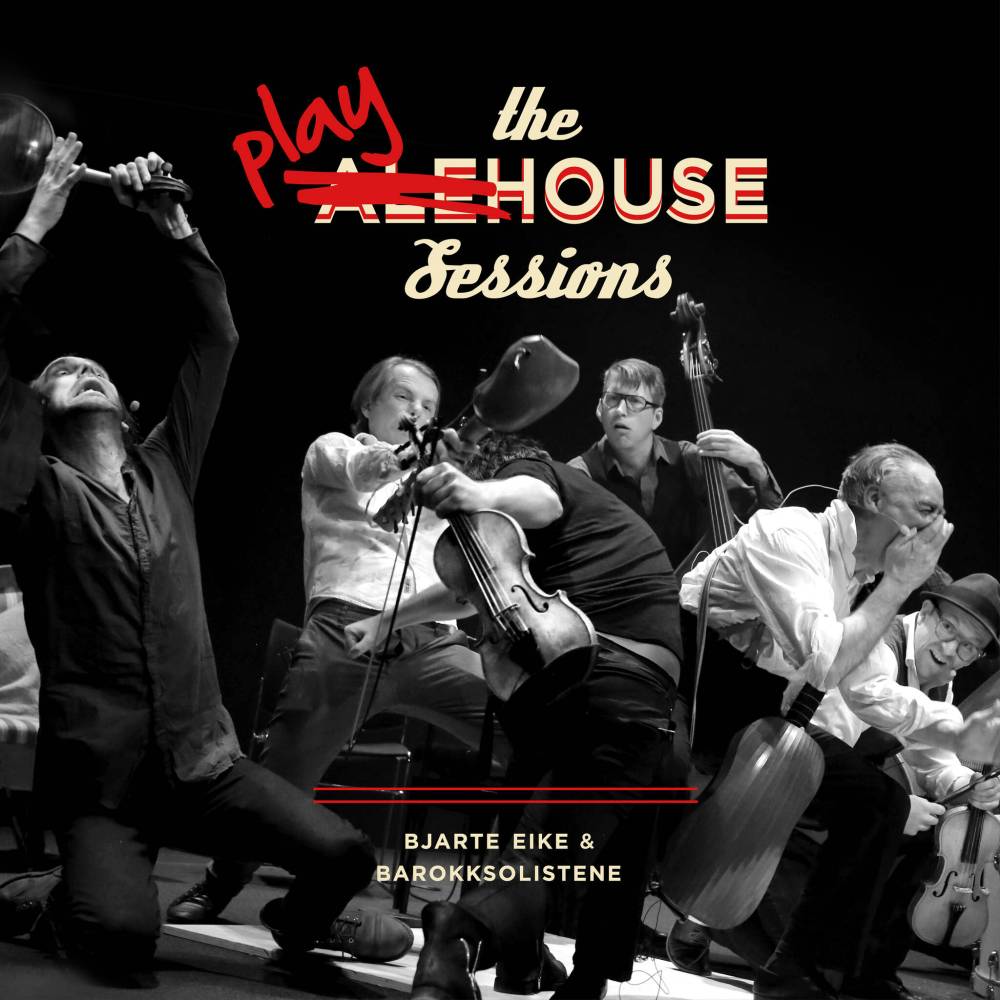
The project is the brainchild of Norwegian baroque violinist Bjarte Eike and the Barokksolistene ensemble; this album follows the group’s prior release, The Alehouse Sessions, from 2017, offering 15 new arrangements of music composed by Purcell and Dowland as well as traditional works. It also includes original settings composed by Eike for 21st-century ears, adding even further freshness to the recording.
There are so many highlights that it’s hard to pick and choose. But safe to say you’ll never listen to Titania’s lullaby from Shakespeare’s A Midsummer Night’s Dream, You Spotted Snakes, in the same way again, with Eike’s hissing, nightmare-inducing arrangement juxtaposed with Hush No More.
Others include a re-imagining of Purcell’s Jenny Loves, and She Confesses, or the plaintive Music for a While. Thomas Guthrie’s The Jolly Pilgrim is, well, jolly, while the purely instrumental track The Fairy Shuffle showcases the versatility of the nine-piece ensemble, able to morph between traditional ballads, shanties and reels, folk or more contemporary, jazz-like offerings.
The highly inventive album caps off with Dowland’s Can She Excuse Puck’s Wrong, a vocal jazz arrangement that only leaves listeners clamouring for more and pining for those good ol’ days when unabashed, pure entertainment value was king.
STREAM THIS: You Spotted Snakes/Hush No More
— Holly Harris