Kitchen renovations to strengthen Manitoba Japanese connections
Advertisement
Read this article for free:
or
Already have an account? Log in here »
To continue reading, please subscribe:

Digital Subscription
One year of digital access for only $205*
- Enjoy unlimited reading on winnipegfreepress.com
- Read the E-Edition, our digital replica newspaper
- Access News Break, our award-winning app
- Play interactive puzzles
*First annual payment billed as $205.00 + GST for one year. This annual subscription will automatically renew at $233.00 + GST every 52 weeks (10% off the regular annual price of $259.35). Offer available to new and qualified returning subscribers only. Cancel any time.
To continue reading, please subscribe:
Add Free Press access to your Brandon Sun subscription for only an additional
$1 for the first 4 weeks*
- Enjoy unlimited reading on winnipegfreepress.com
- Read the E-Edition, our digital replica newspaper
- Access News Break, our award-winning app
- Play interactive puzzles
*Your next Brandon Sun subscription payment will increase by $1.00 and you will be charged $17.95 plus GST for four weeks. After four weeks, your payment will increase to $24.95 plus GST every four weeks.
Read unlimited articles for free today:
or
Already have an account? Log in here »
Hey there, time traveller!
This article was published 08/08/2022 (1503 days ago), so information in it may no longer be current.
Food, culture and community are inseparable. However, preserving traditional tastes for future generations to enjoy is not without its challenges.
Cooking is deeply intertwined with Japanese culture. It’s why a whopping 98 per cent of the Japanese Cultural Association of Manitoba’s members voted in favour of dedicating organizational funds toward kitchen renovations at its facility at 180 McPhillips St.
Kelly Kaita, association president, wasn’t surprised. In no time at all, the fundraiser exceeded its original goal of $70,000. The money will go towards beautifying the Winnipeg facilities, upgrading its sushi room and ensuring the kitchen meets the Manitoba Public Health Inspection requirements.
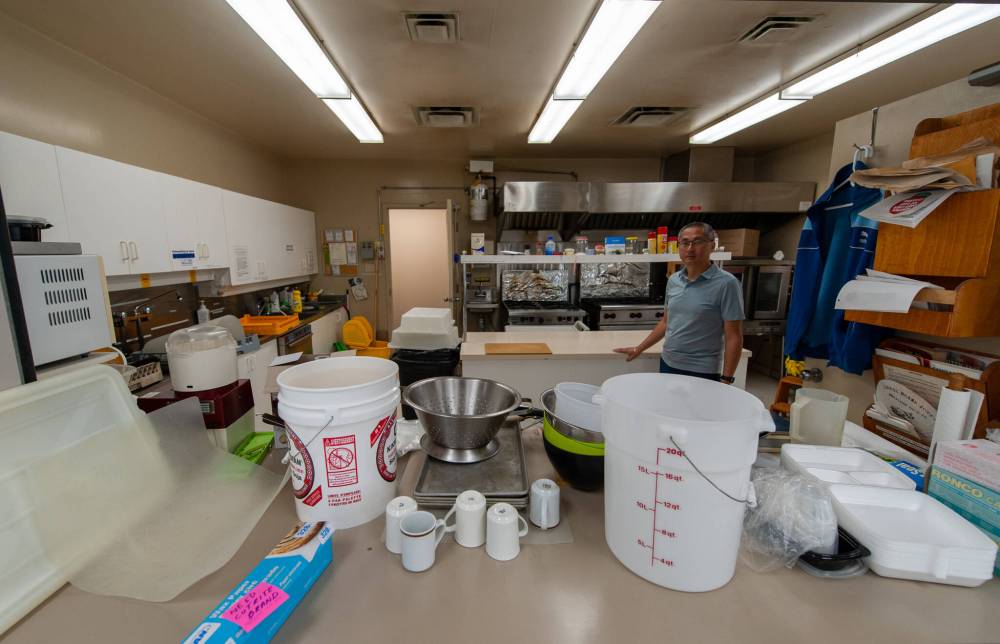
ETHAN CAIRNS / WINNIPEG FREE PRESS
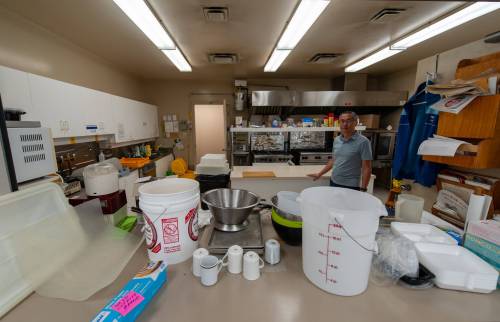
Kelly Kaita, president of JCAM, in the current kitchen of the Japanese Cultural Association of Manitoba in Winnipeg.
“I heard, when I took over as president, from so many members that they wanted to see our 30-plus-year-old kitchen renovated. I took that on as a challenge,” Kaita said. “Lo and behold, it came to fruition very quickly.”
The kitchen renovation’s support is just a fraction of the story of Japanese food culture in Manitoba. The survival of recipes across generations came with the struggle to preserve the strength of Japanese culture in Canada.
The roots of the Japanese Cultural Association of Manitoba can be traced back to the end of the Second World War. In 1942, a small cohort met in secret to establish the Manitoba Japanese Canadian Citizens’ Association.
In the 1980s, the organization played a vital role in the redress campaign for the families of those whose parents and grandparents had been placed in Japanese internment camps in Canada.
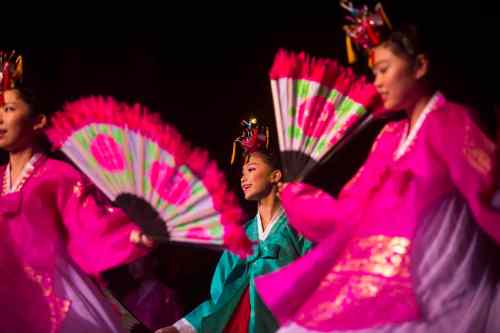
In its present form, the association represents thousands of Japanese Manitobans eager to celebrate and preserve their culture. Each year, the Folklorama festival season is a time to share a combination of traditional and local Japanese flavours with the public.
The success of the organization lies in its dedicated members, such as chef-in-residence Sadao Ono.
Ono, who is originally from Japan, has played a vital role in cooking and sharing traditional meals.
“Whenever there’s an event, our members come together very quickly to ensure that these events are a success,” Kaita said. “It’s not only our way to showcase Japanese cuisine and food, but it’s our way to bring our membership together so that they can work as a group to preserve that culture.”
Joy Letkemenn, who co-ordinates the Association’s food committee, said migration patterns and historical events transformed Japanese Canadian cuisine.
During the Second World War, the small population of Japanese Manitobans worked on sugar beet farms in rural towns. Many were transported from internment camps in British Columbia to fill labour gaps in the Prairie provinces. Such events transformed the way Japanese Canadians lived, cooked and ate considerably.
Those who found themselves in similar situations as Letkemenn’s grandmother, who immigrated to Canada during the time of Japanese internment camps, struggled to preserve cultural heritage and traditional recipes.
“The ingredients weren’t always readily available, so we adapted different recipes from what they would’ve grown up with,” Letkemenn said. “They had to start being resourceful and cooking Japanese foods but with different ingredients in kind of a different way.”

The kitchen is also a crucial component of the cultural association’s Horizon Club, which connects the older generation of Japanese Manitobans. Every Wednesday at lunch hour, members 55 and older gather to cook and socialize.
“We’ll have cooking teams set up by the members. You’re put on a team and you’ll provide a meal,” Letkemenn said. “Some of those meals would be a traditional Japanese meal or sometimes it’s a Manitoba Japanese meal.”
For these reasons, the cultural association’s kitchen isn’t just there to feed hungry stomachs — it’s there to bring traditional recipes back to life and preserve tastes for future generations. The much-needed renovations will allow the organization to ensure that vision is a reality.
“It’s going to bring a new chapter to our organization where we can perhaps showcase food that we normally wouldn’t have in the past because we never really had the facilities to do that kind of stuff,” Kaita said.
cierra.bettens@freepress.mb.ca
Related Articles
Folklorama in the family
Advertisement Advertise With Us
Advertisement Advertise With Us