Not waving, but drowning
In our increasingly curated lives, celebrities aren't the only ones putting on a happy face

Advertisement
Read this article for free:
or
Already have an account? Log in here »
To continue reading, please subscribe:

Digital Subscription
One year of digital access for only $205*
- Enjoy unlimited reading on winnipegfreepress.com
- Read the E-Edition, our digital replica newspaper
- Access News Break, our award-winning app
- Play interactive puzzles
*First annual payment billed as $205.00 + GST for one year. This annual subscription will automatically renew at $233.00 + GST every 52 weeks (10% off the regular annual price of $259.35). Offer available to new and qualified returning subscribers only. Cancel any time.
To continue reading, please subscribe:
Add Free Press access to your Brandon Sun subscription for only an additional
$1 for the first 4 weeks*
- Enjoy unlimited reading on winnipegfreepress.com
- Read the E-Edition, our digital replica newspaper
- Access News Break, our award-winning app
- Play interactive puzzles
*Your next Brandon Sun subscription payment will increase by $1.00 and you will be charged $17.95 plus GST for four weeks. After four weeks, your payment will increase to $24.95 plus GST every four weeks.
Read unlimited articles for free today:
or
Already have an account? Log in here »
Hey there, time traveller!
This article was published 11/06/2018 (3020 days ago), so information in it may no longer be current.
Last week, within the space of four days, the world lost two icons.
On Tuesday, the fashion world was left reeling with the news that Kate Spade, the influential designer and businesswoman, had died by suicide. And by Friday, hearts broke all over again: Anthony Bourdain, the chef, author and TV personality, had also died by suicide. Spade was 55. Bourdain was 61.
They were two different people who operated in different spheres of our culture, linked now by the proximity of their deaths. But there is a parallel to be drawn between them. Bourdain and Spade were both people who, in many ways, had come to represent what it meant to live well.
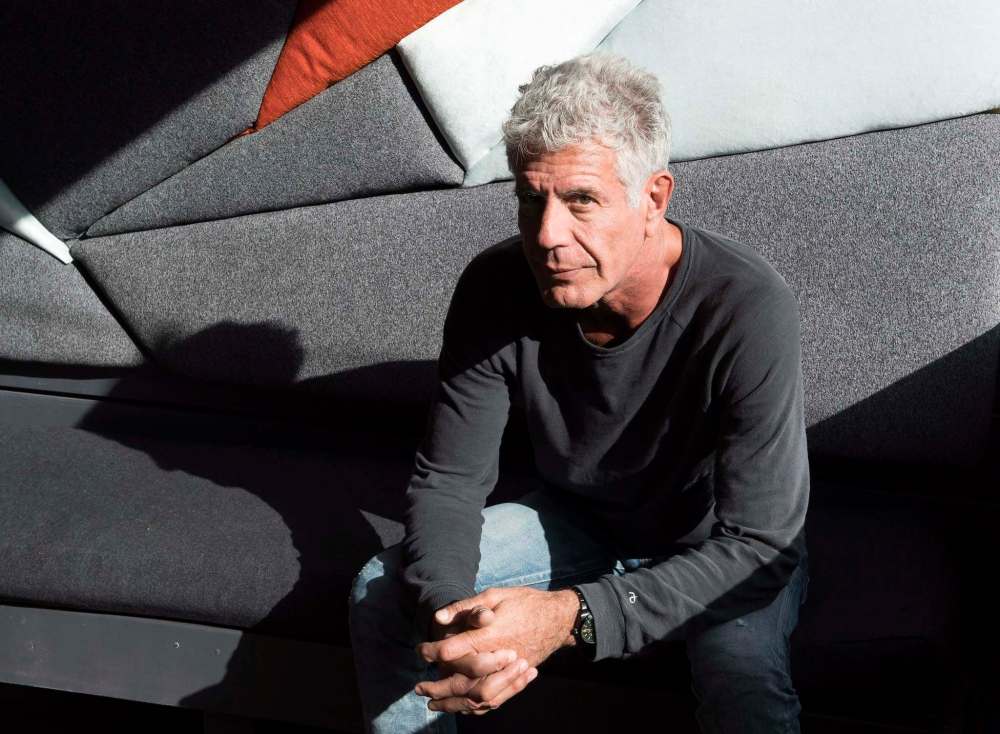
It was easy to assume that Kate Spade, the woman, was an avatar for happiness. Happiness, after all, was fundamental to the Kate Spade brand.
She introduced vivacious kelly greens, lemon yellows and shocking pinks into professional women’s workwear. She made polka dots seem sophisticated. She encouraged playfulness and self-expression with her designs, whether it was a pelican-shaped cocktail ring or a handbag shaped like a watering can. On office desks around the world, you’ll find Kate Spade coffee mugs emblazoned with chipper sayings, such as “always look for the silver lining” and “be happy, be bright, be you.” For a long time, the Kate Spade tagline was “live colourfully.”
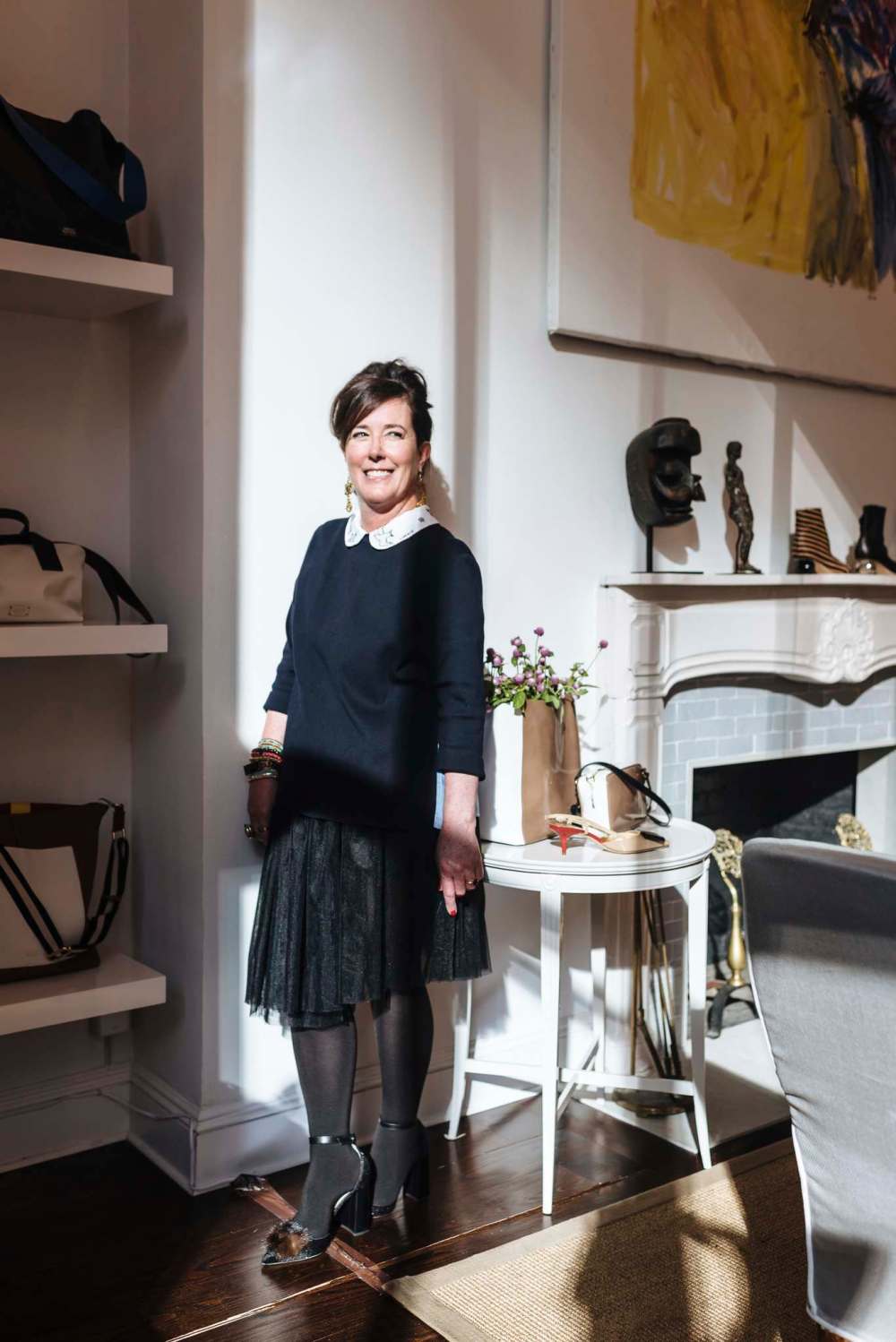
Bourdain, too, lived colourfully. And as the face of the popular, award-winning TV show Parts Unknown (and No Reservations before that), he, too, had a compelling brand — even if it wasn’t the kind you could buy a piece of in a department store.
Bourdain didn’t project happiness in the polka-dots-and-sunshine sense, but his joie de vivre was irrepressible. That’s what made Bourdain such a magnetic figure: he was a person who was open and curious about the world, and who hungered to learn. He wasn’t afraid to try new things, and to get out and have life-altering experiences.
Perhaps most significantly, Bourdain taught us that food is what binds us. He showed us the value of breaking bread with someone who is different from us.
Here are people who, from the outside, looked as if they were living their best lives and who, in their own ways, encouraged us to live ours. They were both people who saw beauty in a world that can be unspeakably cruel.
But their deaths serve as a stark reminder that we never truly know what someone is going through, no matter how well we think we know them. (And while money, success, adoration, fame, love, respect are all wonderful things to have, they are not cures for depression.)
In the age of meticulously curated Instagram feeds, personal brands are being cultivated by regular people, not just celebrities. We are all content creators, sharing slices of our lives for an audience’s approval.
Many of our modern jobs require us to “market” and “sell” ourselves online, as though we’re a sneaker or a soft drink. We all have an image we want to project to the world and, in a society that places a high premium on happiness, disclosing the darker shades of our lives can be incredibly hard to do. The stigma is real and the stakes are high.
Trouble is, when our interactions increasingly move online, personal brands can create very real walls. Social media feeds are often held up as evidence of reality, when often they are fantasy. They are, more often than not, documents of our biggest and best lives, not necessarily our real lives.
But we are not products. We are people, just as Bourdain and Spade were people. And people are messy and complicated. Our emotions and behaviour are not always going to be “on brand.”

It can be hard to admit you’re scared when you’re known for being fearless. It can be hard to admit you’re sad when you’re known for being cheerful. And it can be hard to admit you’re feeling weak if you’re known for being strong.
When people die by suicide, it is often without warning. Sometimes, there are no signs. You know the swimming-pool PSA about how drowning doesn’t look like drowning? Struggling doesn’t always look like struggling. That’s why it’s so important that we check in with our people, no matter how great their lives may look.
If you feel helpless or hopeless and are struggling to cope, call the Manitoba Suicide Prevention & Support Line (24/7) toll free at 1-877-435-7170.
jen.zoratti@freepress.mb.ca
Twitter: @JenZoratti
Jen Zoratti is a Winnipeg Free Press columnist and author of the newsletter, NEXT, a weekly look towards a post-pandemic future.
Our newsroom depends on a growing audience of readers to power our journalism. If you are not a paid reader, please consider becoming a subscriber.
Our newsroom depends on its audience of readers to power our journalism. Thank you for your support.
Jen Zoratti is a Winnipeg Free Press columnist and author of the newsletter, NEXT, a weekly look towards a post-pandemic future.
Our newsroom depends on a growing audience of readers to power our journalism. If you are not a paid reader, please consider becoming a subscriber.
Our newsroom depends on its audience of readers to power our journalism. Thank you for your support.
Related Articles
Winnipeg food that would have caught the eye of Anthony Bourdain

Advertisement Advertise With Us
Advertisement Advertise With Us