

DNA on beer can helps solve killing

Advertisement
Read this article for free:
or
Already have an account? Log in here »
To continue reading, please subscribe:

Digital Subscription
One year of digital access for only $205*
- Enjoy unlimited reading on winnipegfreepress.com
- Read the E-Edition, our digital replica newspaper
- Access News Break, our award-winning app
- Play interactive puzzles
*First annual payment billed as $205.00 + GST for one year. This annual subscription will automatically renew at $233.00 + GST every 52 weeks (10% off the regular annual price of $259.35). Offer available to new and qualified returning subscribers only. Cancel any time.
To continue reading, please subscribe:
Add Free Press access to your Brandon Sun subscription for only an additional
$1 for the first 4 weeks*
- Enjoy unlimited reading on winnipegfreepress.com
- Read the E-Edition, our digital replica newspaper
- Access News Break, our award-winning app
- Play interactive puzzles
*Your next Brandon Sun subscription payment will increase by $1.00 and you will be charged $17.95 plus GST for four weeks. After four weeks, your payment will increase to $24.95 plus GST every four weeks.
Read unlimited articles for free today:
or
Already have an account? Log in here »
Two years after 74-year-old James Monaghan was stabbed in his Sherburn Street home, DNA found on a beer can led police to his killer.
Shara Harper, 29, pleaded guilty to manslaughter and on Tuesday was sentenced to six years in prison.
A neighbour found Monaghan dead in his home on July 29, 2022. He had been stabbed twice in the chest and back.
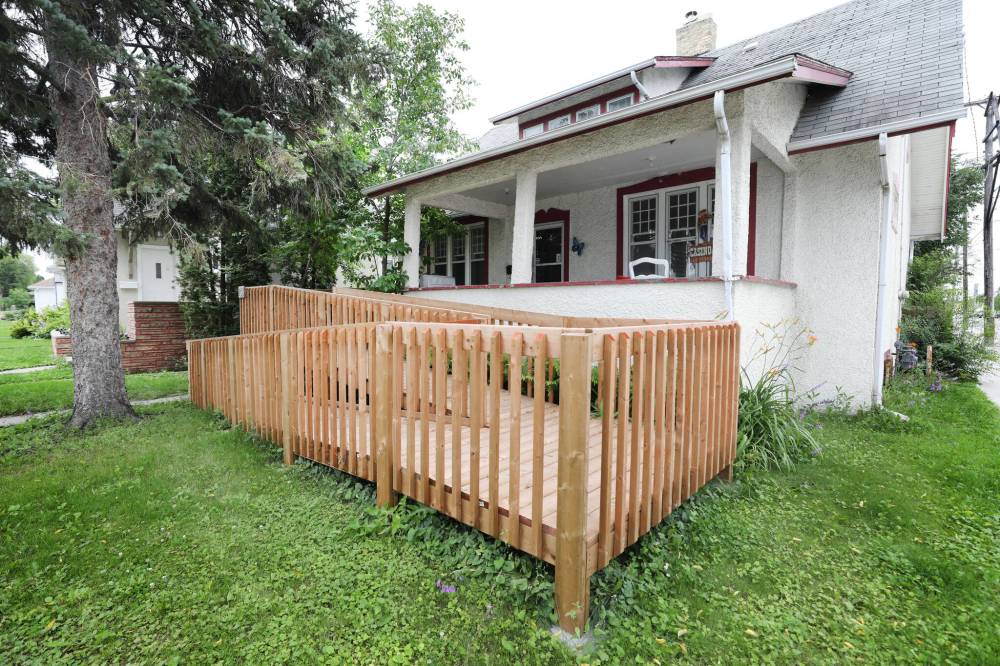
RUTH BONNEVILLE / FREE PRESS FILES
James Monaghan was found dead in his Sherburn Street home on July 29, 2022.
The investigation into Monaghan’s killing had stalled until June 2024, when DNA found on an empty beer can in Monaghan’s home was confirmed to be a match for Harper.
Police officers arrested Harper on an unrelated matter Sept. 12, 2024, and a day later asked whether they could interview her as a potential witness in Monaghan’s killing. Harper agreed and mid-interview confessed, unprompted, to killing Monaghan, telling investigators she “stabbed him up.”
“It was her confession and her confession alone that led to her being charged, because at that point police had no leads,” Crown attorney Kaley Tschetter told Court of King’s Bench Justice Jeffrey Harris.
Harper initially told police she was walking by Monaghan’s home, saw him outside and asked him for a cigarette. Monaghan gave her a cigarette and a beer before the two went into his house where Harper used his phone and washroom and had another beer.
Harper said she asked Monaghan for money in exchange for sexual services.
“He declined and gave her $3,” Tschetter said. “This made her mad. He asked her to leave, and she did.”
Later in the interview, Harper “suddenly confessed” to killing Monaghan.
“Police asked her if she was serious and she responded: ‘I f——-g killed him, is that what you want to hear?’”
Police arrested Harper and provided her with her Charter rights and an opportunity to contact a lawyer. In a subsequent video statement, Harper told police she asked Monaghan for money to buy drugs and got angry when he offered her only $3.
Harper provided police a second explanation for the stabbing, claiming Monaghan “did something to her,” as she tried to leave his house.
Harper said she grabbed a kitchen knife from the counter and stabbed Monaghan.
“Ms. Harper advises that she thought she was going to be sexually assaulted and struck out at Mr. Monaghan with the knife,” Tschetter said. “She had been previously assaulted by other men and she felt a wave of fear.”
Harper said she did not remember how many times she had stabbed Monaghan or what she did with the knife after she left the house.
“The Crown accepts that she was high on drugs, a state she was regularly in, both at the time and since,” Tschetter said.
Harper has a family history of residential school involvement, and a personal history marked by domestic violence and substance abuse.
Court was told Harper’s substance abuse issues escalated after an aunt was slain and she had placed her two young children in the care of their paternal grandmother.
“In her own words, she chose drugs over her family,” said Tschetter, who recommended Harper be sentenced to seven years in prison.
Tschetter said Harper has made no effort to seek drug counselling while in custody.
“She said going to jail saved her life, but there is no indication she has done anything to address her issues,” Tschetter said.
Harper spent her days like a “virtual zombie” wandering the streets in search of drugs, said defence lawyer Tony Kavanagh.
“She did things she wasn’t proud of,” he said.
Kavanagh urged the judge to sentence Harper to five years, which would allow her to spend the balance of her custody in a provincial jail, participate in rehabilitation, and continue to be monitored while under probation.

Harris rejected the five-year sentencing recommendation as inadequate, saying Harper remained a high risk to reoffend.
Harper “has done little to deal with the issues that bring her before court today,” Harris said.
Monaghan’s daughter described him as a “quiet, gentle and independent” man who “saw the good in everyone.”
“He cared so deeply for our family,” Pam Monaghan wrote in a victim impact statement that was read out in court. “(Harper) took a human being and turned him into a memory.”
dean.pritchard@freepress.mb.ca
Someone once said a journalist is just a reporter in a good suit. Dean Pritchard doesn’t own a good suit. But he knows a good lawsuit.
Our newsroom depends on a growing audience of readers to power our journalism. If you are not a paid reader, please consider becoming a subscriber.
Our newsroom depends on its audience of readers to power our journalism. Thank you for your support.
Someone once said a journalist is just a reporter in a good suit. Dean Pritchard doesn’t own a good suit. But he knows a good lawsuit.
Our newsroom depends on a growing audience of readers to power our journalism. If you are not a paid reader, please consider becoming a subscriber.
Our newsroom depends on its audience of readers to power our journalism. Thank you for your support.
Advertisement Advertise With Us
Advertisement Advertise With Us