Hard time
Survival guide offers an eye-opening perspective on life in American prisons
Advertisement
Read this article for free:
or
Already have an account? Log in here »
To continue reading, please subscribe:

Digital Subscription
One year of digital access for only $205*
- Enjoy unlimited reading on winnipegfreepress.com
- Read the E-Edition, our digital replica newspaper
- Access News Break, our award-winning app
- Play interactive puzzles
*First annual payment billed as $205.00 + GST for one year. This annual subscription will automatically renew at $233.00 + GST every 52 weeks (10% off the regular annual price of $259.35). Offer available to new and qualified returning subscribers only. Cancel any time.
To continue reading, please subscribe:
Add Free Press access to your Brandon Sun subscription for only an additional
$1 for the first 4 weeks*
- Enjoy unlimited reading on winnipegfreepress.com
- Read the E-Edition, our digital replica newspaper
- Access News Break, our award-winning app
- Play interactive puzzles
*Your next Brandon Sun subscription payment will increase by $1.00 and you will be charged $17.95 plus GST for four weeks. After four weeks, your payment will increase to $24.95 plus GST every four weeks.
Read unlimited articles for free today:
or
Already have an account? Log in here »
Canadian criminal sentencing guidelines identify “three traditional utilitarian goals — deterrence … incapacitation and rehabilitation.”
In spite of lofty intentions, fiction and film have identified North American incarceration in general as largely negative, incapacitating most inmates only while they are actually behind bars. Prison often leads to more crime, teaching criminal behaviour.
Tom Nelson spent more than 17 years in medium and maximum security facilities in the U.S. for such pasttimes as auto theft, armed robbery and drug dealing. Then he turned that life of crime around and became a successful physical trainer and gym owner in Los Angeles.

Ken Gigliotti / Free Press files
Cutline TK
Nelson met and formed a friendship with Taylor Sheridan, creator and writer of such series as Yellowstone, Landman and the prequels 1883 and 1923. When COVID devastated the gym business and Nelson’s health was failing, Sheridan suggested turning Nelson’s attempt at a screenplay about prison life into a book.
Sheridan describes this book as “a travel guide to the penitentiary. How to survive, navigate the very, very very sharky waters … and what mistakes to avoid like the plague.”
Both the authors suggest reading this book “before you go to prison.”
Many readers will not need the advice here, but How to Not Die in Prison provides a clear and frightening perspective into the experience of prison in the United States.
Well-organized parts of the book cover specific aspects of the experience, such as “Welcome to Prison,” “How to Win Friends and Influence Prisoners,” “The Prison Economy,” “Keeping Your Sanity” and “Getting Out.”
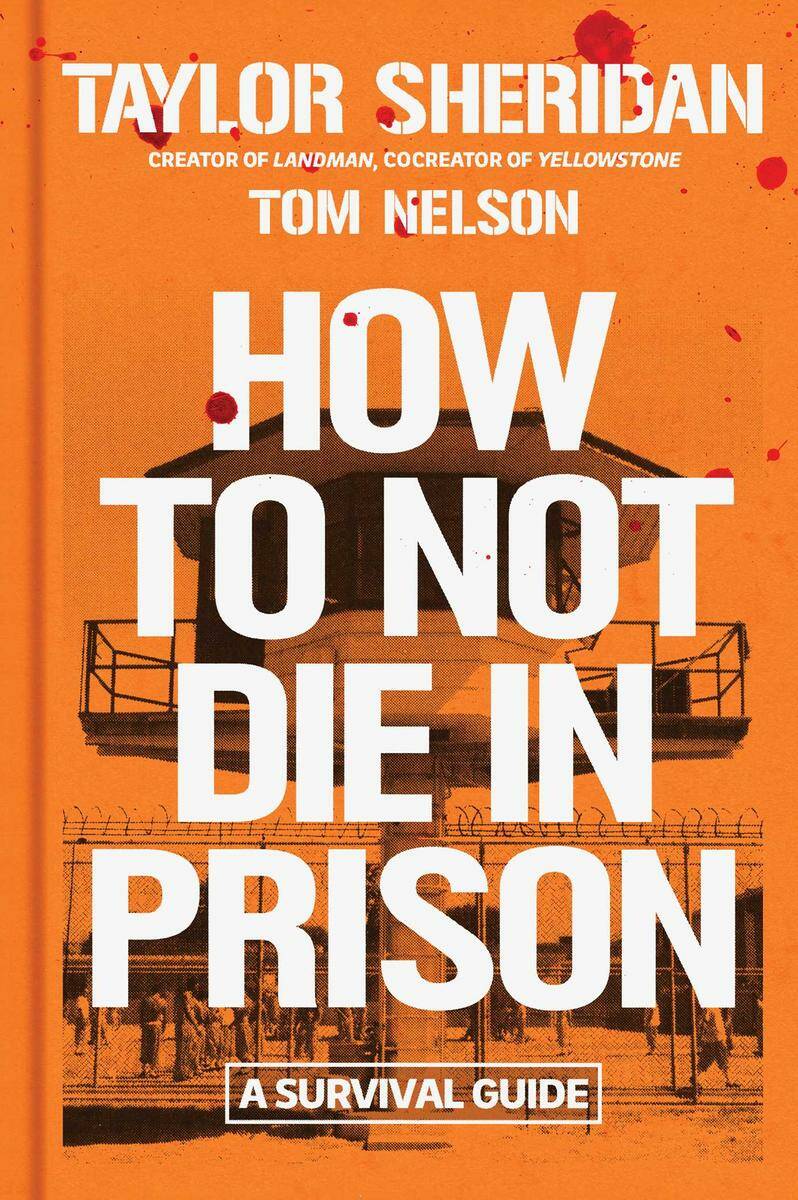
How Not to Die in Prison
Sheridan introduces each chapter, and most of the narrative is Nelson’s advice, in short sections, with supporting examples from his own time. The humour here is mostly dark, dealing with what Sheridan describes as “between six hundred and two thousand other men who have proved to society that they need a big ole time-out.”
Nelson notes that federal and various state facilities have different rules about aspects of prison life. Visitation, pay for work, length of sentences, and how a record affects convicts after their release all vary by state and security level. It seems clear that given a choice, one should choose time in prison in Maine rather than Louisiana.
Nelson mentions that county and city jails, mostly for holding prisoners temporarily for trials or transfers, are “uniquely chaotic environments.”
“I’ve spent time in some extremely dangerous prison yards. But the Los Angeles County jail is one of the most treacherous places I’ve seen … Still, statistically, the greatest danger you’ll face in county comes from the guy staring back at you in the mirror — suicide is the number one cause of death in these facilities.”

Sheridan and Nelson make the chaos and uncertainty of life behind bars seem organized. The “normal” of incarceration includes fairly strict segregation — by the convicts themselves — by race and other characteristics. Helping the authorities is particularly dangerous, as snitches rarely fare well.

Matt York / Associated Press files
While most readers won’t need the advice offered in How to Not Die in Prison, the book offers a clear and frightening perspective of prison in the United States.
Rehabilitation is particularly difficult: recidivism is far more likely than going straight. Sheridan notes that Nelson “had done the statistically impossible — he had rehabilitated himself.”
Part 7: “The Ties that Bind,” is particularly wrenching, as Nelson discusses relationships with those outside. His father had completely cut him off by his second stint in prison, but he maintained some relationship with his mother. He has advice for how to communicate with wives, kids and others when visiting, phoning or writing letters.
How to Not Die in Prison may not be for everybody, but its account of what Nelson says “will likely be the worst experience of your life” is enlightening, even if one never needs the information.
Bill Rambo is a retired teacher in Landmark. He hopes to continue his many decades of not spending any time locked up.

Emerson Miller photo
Taylor Sheridan
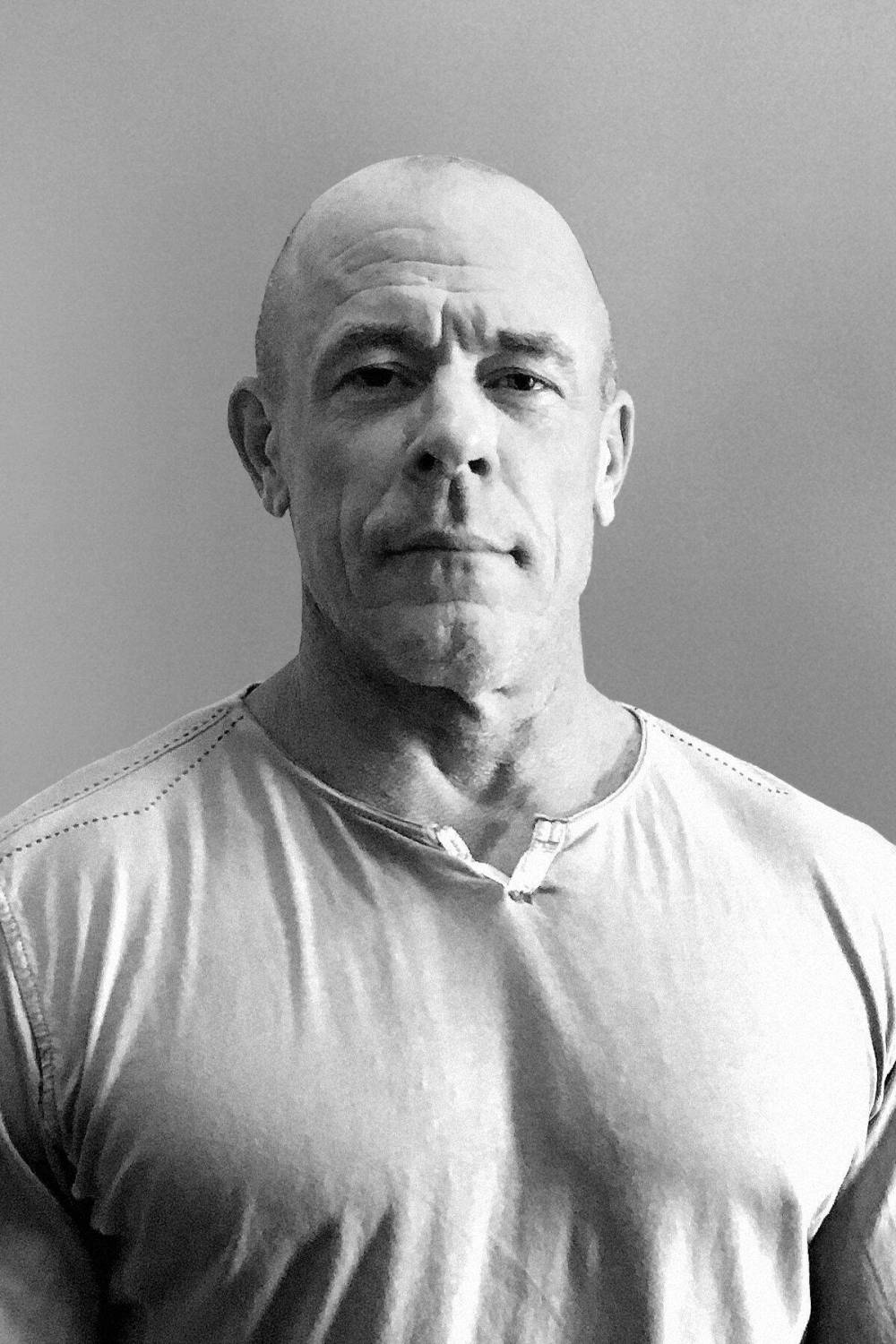
Tom Nelson photo
Tom Nelson