

Manitobans will feel the pinch: union leader
Says services will be affected by feds’ early retirement plan

Advertisement
Read this article for free:
or
Already have an account? Log in here »
To continue reading, please subscribe:

Digital Subscription
One year of digital access for only $205*
- Enjoy unlimited reading on winnipegfreepress.com
- Read the E-Edition, our digital replica newspaper
- Access News Break, our award-winning app
- Play interactive puzzles
*First annual payment billed as $205.00 + GST for one year. This annual subscription will automatically renew at $233.00 + GST every 52 weeks (10% off the regular annual price of $259.35). Offer available to new and qualified returning subscribers only. Cancel any time.
To continue reading, please subscribe:
Add Free Press access to your Brandon Sun subscription for only an additional
$1 for the first 4 weeks*
- Enjoy unlimited reading on winnipegfreepress.com
- Read the E-Edition, our digital replica newspaper
- Access News Break, our award-winning app
- Play interactive puzzles
*Your next Brandon Sun subscription payment will increase by $1.00 and you will be charged $17.95 plus GST for four weeks. After four weeks, your payment will increase to $24.95 plus GST every four weeks.
Read unlimited articles for free today:
or
Already have an account? Log in here »
About 10,000 federal public servants have applied for the government’s early retirement program, launched as part of a plan to cut the number of bureaucrats.
The cuts will impact services to Manitobans, with increasing workloads for those who remain, says the union representing federal employees here.
“It’s going to be increased workloads, maybe delays in services — issues getting your passport or seeking in-person support for (employment insurance),” said Krysty Thomas, Public Service Alliance of Canada regional vice-president for the Prairies.
JUSTIN TANG / THE CANADIAN PRESS FILES
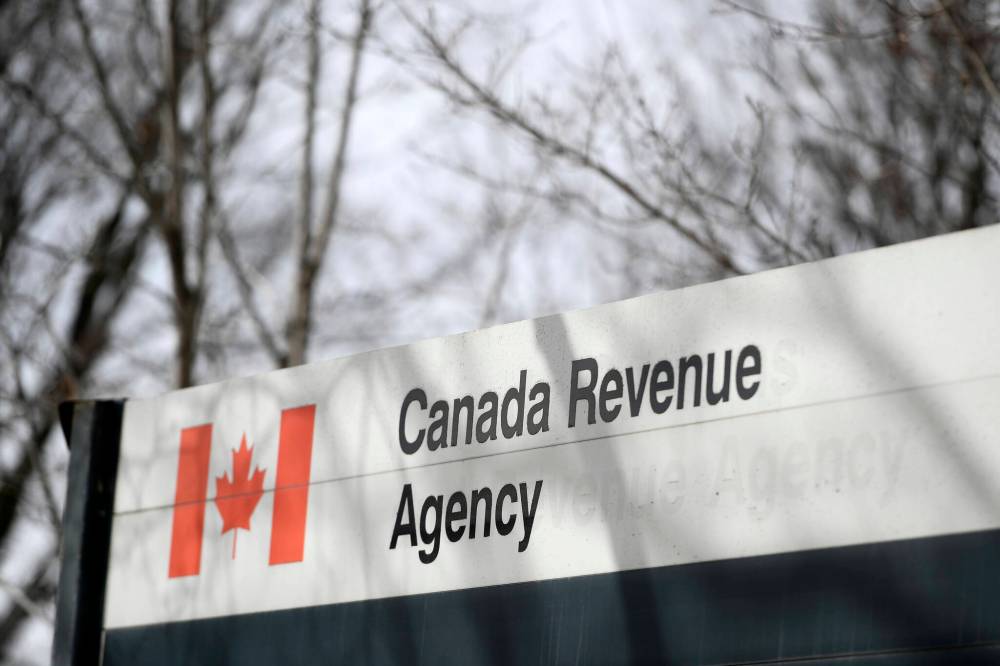
In Winnipeg, the loss of experienced federal workers via early retirement packages will be felt at the Canada Revenue Agency tax centre and at the national microbiology lab.
“Those will all be affected with these early incentive retirement packages.”
In December, the government began sending letters about the program to approximately 68,000 public servants who may have been eligible.
Employees as young as 50 with at least 10 years of employment and at least two years of pensionable service could apply. Successful applicants can retire with an immediate pension based on years of service, with no penalty for leaving early.
The Treasury Board has said early retirement is only available when an organization needs to reduce its workforce and “when services to Canadians will be maintained and current and future operational or business needs will continue to be met.”
The deadline to apply passed last week and, as of Tuesday, 10,006 applications had been received.
Thomas said the union hasn’t been provided with a regional breakdown of applicants but expects many Manitobans would have applied.
“We’ve been really pushing for the idea of having remote working conditions and telework while (Prime Minister Mark) Carney’s government is forcing folks back to the office when really there is no research around why that is happening,” Thomas said. “The research suggests that folks are more productive when they have the ability to make that choice and work from home.”
In its 2025 budget, the Liberal government committed to cutting the number of public service positions by about 40,000 by April 2029 from a peak of almost 368,000 in 2024.
The size of the public service has decreased by more than 12,600 people over the past year. Treasury Board data shows there were 357,965 employees at the end of March 2025, compared to 345,282 at the end of March 2026.
About half of those jobs were casual, student and term positions within the federal government, while the others were permanent employees.
“We’re losing a lot of institutional knowledge with these early incentive retirements, and that’ll really impact the way that folks deliver the services,” said Thomas.
In Winnipeg, the loss of experienced staff will be felt at the Canada Revenue Agency tax centre and at the national microbiology laboratory mandated to identify, investigate, control, and prevent infectious diseases, said Thomas, whose public sector work experience is in microbiology research.
“That is definitely going to be affected in the sense that there has been a lot of cuts to science, in addition to early incentive retirement folks taking leave from the department as well,” she said.
Winnipeg isn’t alone.
“In the Prairies, we’re seeing lots of research station closures on the agriculture sector side of things. There’s the Canadian Food Inspection Agency which is being asked to do more with less,” the Calgary-based union leader said.
“Our food safety, meat inspection, grain inspection — those are all things that are going to be affected with this early retirement incentive.”
Mohammad Kamal, spokesperson for Treasury Board President Shafqat Ali, said more than 6,855 applicants have met the eligibility criteria and that number will grow as more applications are reviewed.
The government has so far rejected just 41 applications.
Under the program, the latest possible retirement date for public servants is Jan. 20, 2027.
Rola Salem, a spokesperson for the Treasury Board of Canada Secretariat, said in an email this month the decision to retire is a personal one and the department didn’t have a specific target for early retirements.
“We will continue to support employees as they consider their options and make the decision that is right for them,” he said.
As for the remaining workforce and providing services to the public, Thomas said PSAC is having those discussions with departments.
“We always are looking for ways to make sure that our public service is as strong as it can be — ensuring that departments are adequately staffed, and have the tools and resources we need to do the work,” she said.

“Those are things that the union will be continuing to advocate for.”
Manitobans experienced service reductions after the former Tory government cut the public service by 18 per cent in order to balance the provincial budget. The province is struggling to staff it back up, Manitoba Government and General Employees’ Union president Kyle Ross said.
“We toured most of the province, talking to many offices, and when we go to the north, they’re still in a pretty dire situation up there,” Ross said Wednesday. “They’re very short staffed in places where it used to be two or three or four people. Now there’s one person doing that work,” he said. “It’s challenging.”
With files from the Canadian Press
carol.sanders@freepress.mb.ca
Our newsroom depends on a growing audience of readers to power our journalism. If you are not a paid reader, please consider becoming a subscriber.
Our newsroom depends on its audience of readers to power our journalism. Thank you for your support.
Our newsroom depends on a growing audience of readers to power our journalism. If you are not a paid reader, please consider becoming a subscriber.
Our newsroom depends on its audience of readers to power our journalism. Thank you for your support.
Advertisement Advertise With Us
Advertisement Advertise With Us