Mystic meddler

Rasputin’s role in czar’s fall from grace explored in well-researched account

Advertisement

Advertise with us

Pilgrim, master manipulator, schemer, zealot, womanizer, pious, mystic, debaucher: all of these words perfectly describe Grigori Yefimovich Rasputin, but none so much as the word notorious.

Read this article for free:


or

Already have an account? Log in here »

To continue reading, please subscribe:

Subscribe and receive a limited-edition Free Press branded hat or tote.

Digital Subscription

One year of digital access for only $205*

  • Enjoy unlimited reading on winnipegfreepress.com
  • Read the E-Edition, our digital replica newspaper
  • Access News Break, our award-winning app
  • Play interactive puzzles

*First annual payment billed as $205.00 + GST for one year. This annual subscription will automatically renew at $233.00 + GST every 52 weeks (10% off the regular annual price of $259.35). Offer available to new and qualified returning subscribers only. Cancel any time.

To continue reading, please subscribe:

Add Free Press access to your Brandon Sun subscription for only an additional

$1 for the first 4 weeks*

  • Enjoy unlimited reading on winnipegfreepress.com
  • Read the E-Edition, our digital replica newspaper
  • Access News Break, our award-winning app
  • Play interactive puzzles
Start now

*Your next Brandon Sun subscription payment will increase by $1.00 and you will be charged $17.95 plus GST for four weeks. After four weeks, your payment will increase to $24.95 plus GST every four weeks.

Pilgrim, master manipulator, schemer, zealot, womanizer, pious, mystic, debaucher: all of these words perfectly describe Grigori Yefimovich Rasputin, but none so much as the word notorious.

Noted British army officer, writer and historian Antony Beevor has used previously unpublished reports, interviews, interrogations, the Czaritsa Alexandra’s letters and interviews with Rasputin’s family members to dive deeply into Rasputin’s life and how his actions helped bring about the downfall of the Romanov empire.

“How on earth could a barely literate peasant from Siberia have had such a devastating effect on the course of history?” Beevor asks. “He had no official position. He had no forces at his command. He was a devoted monarchist, not a revolutionary. And yet, unintentionally, he contributed more than any other individual to the collapse of the greatest autocracy in the world.”
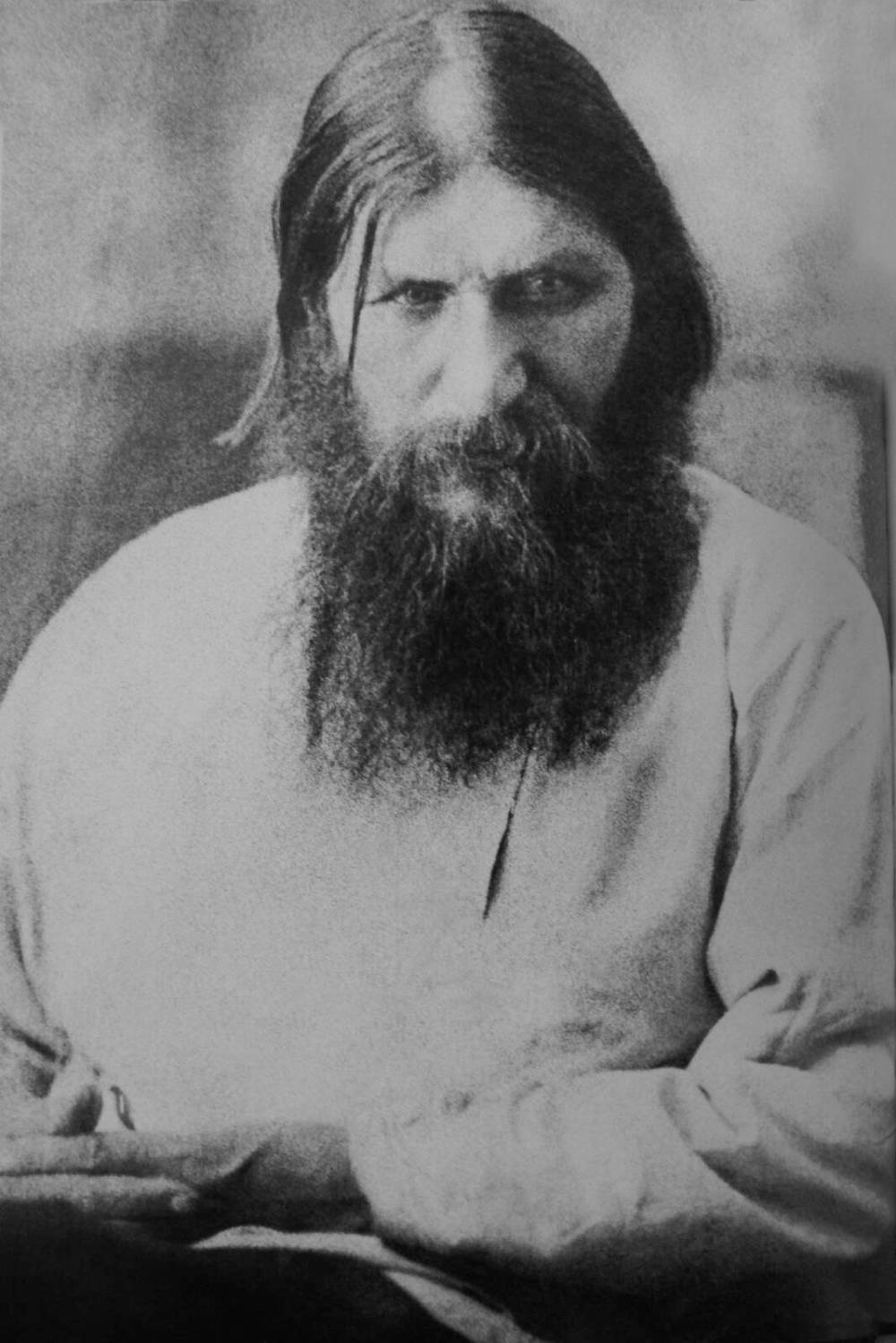
File photo
                                Grigori Rasputin entwined himself in the lives of Czar Nicholas II and his family.

File photo

Grigori Rasputin entwined himself in the lives of Czar Nicholas II and his family.

While limited by the rumours, inaccuracies and downright lies told about Rasputin throughout his lifetime and in the years after his death, Beevor has done his absolute best to find accurate information and sources to tell his story.

He succeeds in balancing the story of Rasputin: The Downfall of the Romanovs by providing well-written, in-depth context, but Beevor loses focus on the story of Rasputin. Instead, he concentrates on the outcomes of Rasputin’s actions rather than the man himself.

Very little information about Rasputin’s childhood as a peasant in Siberia remains or can be verified, but he was born in the village of Pokrovskoye sometime in January 1869. After having a religious vision in the late 1890s, he became a wandering pilgrim in search of understanding God’s will.

When Rasputin returned home, he began holding prayer meetings in his family home. This was the first time rumours began to spread about his beliefs and his conduct with women, setting the stage for the rest of his life.

Meanwhile, Czar Nicholas II and the czaritsa were living an equally complex life. Nicholas was an indecisive, uncertain and weak-willed monarch, while his English-German wife Alix was controlling and insecure. Together, the decisions they made set the Russian people against them in many ways.
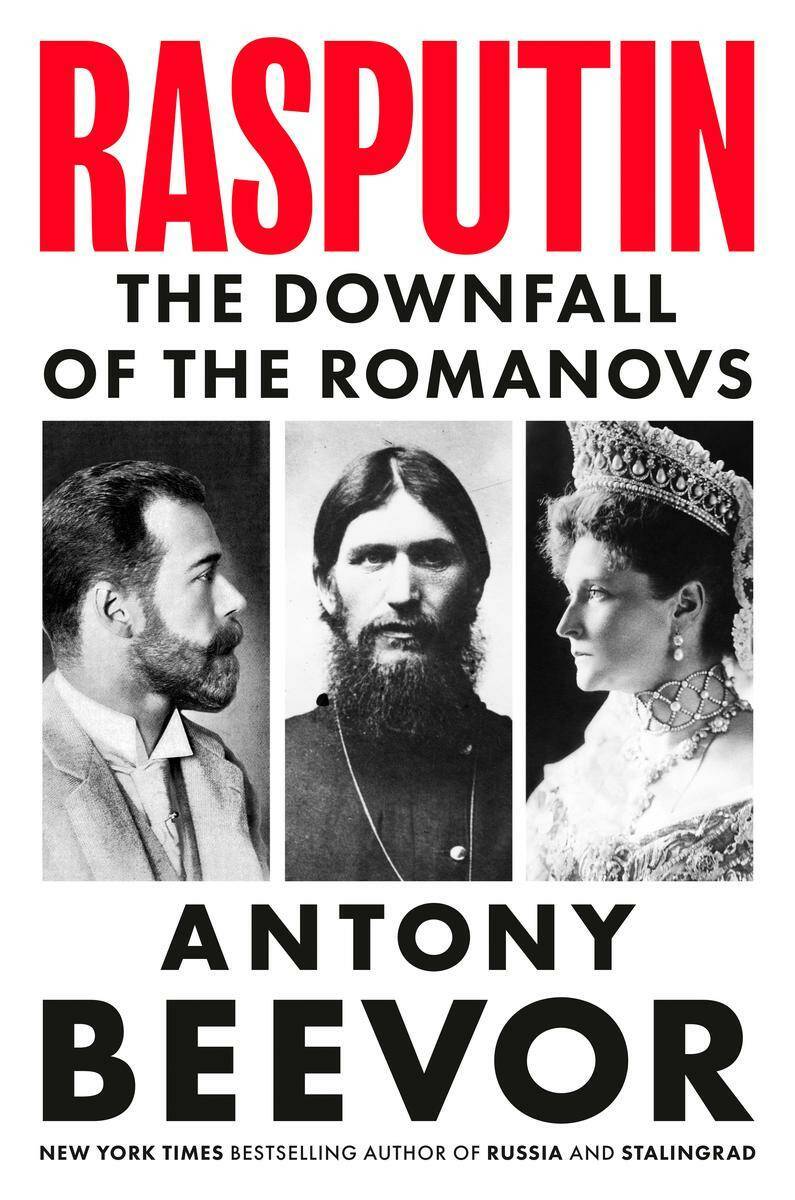
Rasputin Downfall of the Romanovs

Rasputin Downfall of the Romanovs

Beevor is an excellent writer of this sort of history, allowing the story to flow and evolve in a logical way while providing enough details without overwhelming the reader.

In 1905, Rasputin moved to St. Petersburg, bringing his reputation for healing and womanizing along with him. That same year, the czar embarked on an ill-fated war with Japan. In the fall, the czar’s son and heir Alexei was born with hemophilia.

As civil unrest at home grew, the war in Japan caused massive losses, the royal governor of Moscow was assassinated and there were riots in the street. The Romanovs could see their regime teetering on the edge of collapse.

It was at this point, when the czar and his wife were at their lowest, that Rasputin was reached out to them to offer comfort and his blessings. By the next summer, Rasputin was invited to the palace. The czar introduced Rasputin to other senior political and religious officials, many of whom did not trust him or his motives.

But others did, and Rasputin’s fame and notoriety began to grow. He became known as a healer, treating the young Alexei’s hemophilia and performing miraculous “cures” that could not be explained by traditional physicians. While many sources are considered unreliable, Beevor takes great pains to validate information where he can, and note where he couldn’t.
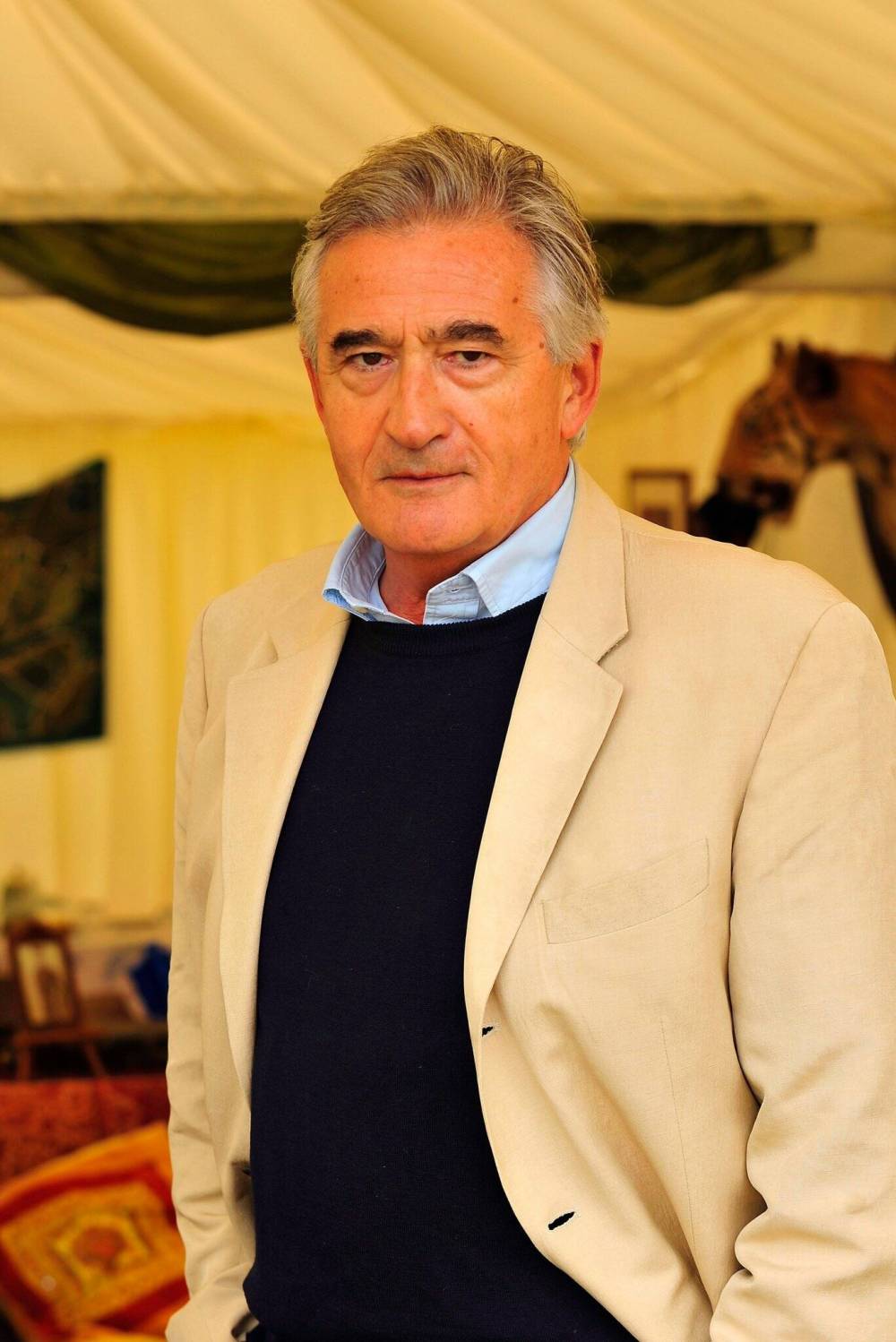
John Fry photo
                                Antony Beevor

John Fry photo

Antony Beevor

By the summer of 1914, Rasputin had become enough of a threat that he was stabbed in the street. As the war dragged on with substantial Russian losses, Rasputin’s behaviour became more concerning. Public drunkenness, fights with soldiers and police, more overt womanizing with society women and prostitutes, as well as irresponsible financial decisions, became the norm.

But the czar and czaritsa refused to listen to anyone raising concerns. Instead, they dismissed Rasputin’s enemies from their high-level government positions. The czar himself took command of the army, which was widely seen as a directive from Rasputin, and this decision was to have fateful consequences.

By 1916, Rasputin was associating with corrupt bankers, gamblers, politicians and aristocrats, all fodder for more rumours about his conduct. That fall, politicians began to speak out against Rasputin and the czaritsa in public. And finally, on December 17, the coup de grace — the murder of Rasputin by a number of royal and high-ranking officials, which Beevor acknowledges still defies a true accounting of the facts because of the personal bias in so many of the stories.

On Feb. 23, 1917, a protest about food shortages led to the beginning of the February Revolution. By early March, the czar had abdicated, and he and his family were taken to Ekaterinburg and executed.

Beevor ends the book abruptly, with no final thoughts or conclusions. And while well-written and well-researched, Rasputin is less the focus of the book than the politics surrounding his life and influence on the royal family.
Wikimedia Commons
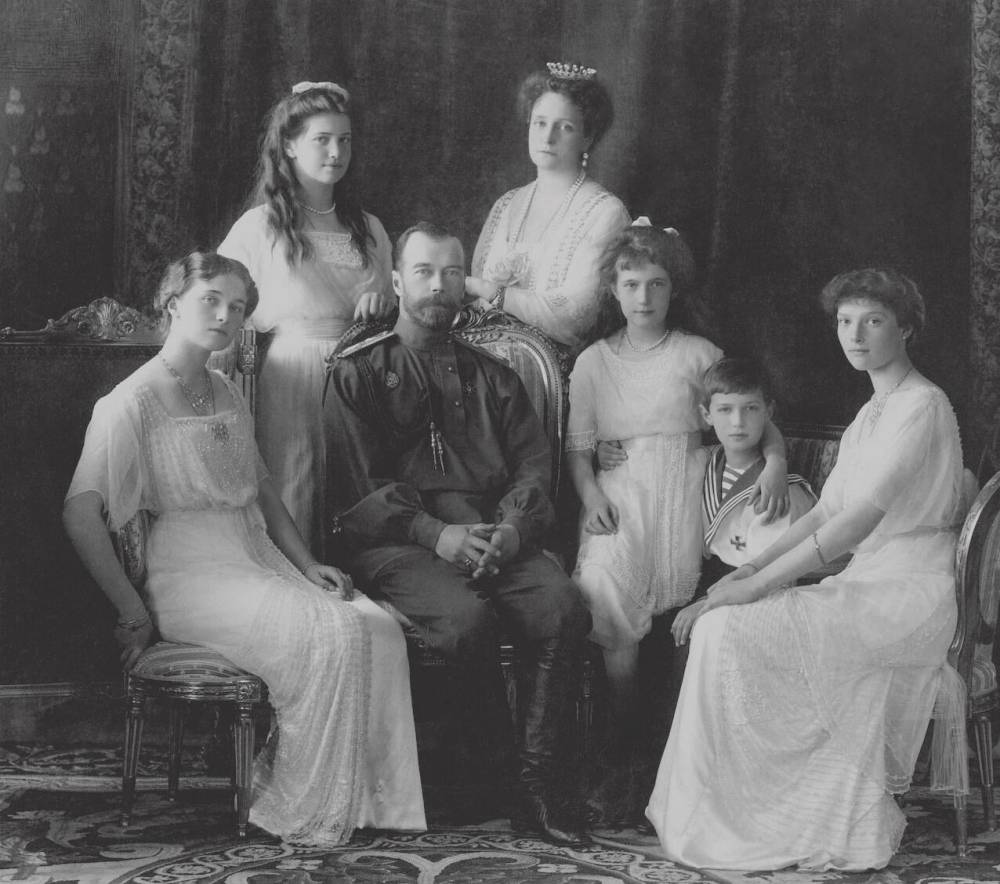
                                In this 1913 photo, Czar Nicholas II and his family, including Czaritsa Alexandra (centre), pose for a photo. By 1917 the czar had abdicated as a result of the February Revolution.

Wikimedia Commons

In this 1913 photo, Czar Nicholas II and his family, including Czaritsa Alexandra (centre), pose for a photo. By 1917 the czar had abdicated as a result of the February Revolution.

An excellent general history of the last years of Romanov rule, Rasputin: The Downfall of the Romanovs does not deliver any real new insights or ideas or details to the story.

Julie Kentner is a Winnipeg writer who despairs at the complexity of Russian naming conventions.

Report Error Submit a Tip

More Stories

Canada vs. the United States — evenly matched

Gwynne Dyer 5 minute read 2:00 AM CDT

Canada’s “trade war” with the United States, ignited on Aug. 21 when Prime Minister Mark Carney walked out of trade talks with the Trump administration, is not the foredoomed David vs. Goliath struggle it seems.

It’s really about sovereignty, not trade, and Canada stands a fair chance of winning.

“Winning” in this context, of course, can be defined as surviving with as little damage as possible despite the tenfold superiority in population and wealth of its giant neighbour. Canada has had more than two centuries of practice at that. If Carney can keep his nerve, it can do it again.

The tariffs that Trump has imposed on some Canadian products (and the precisely equal tariffs that Canada has slapped on some American imports) will cause some job losses and considerable economic pain in both countries. However, they only affect about five per cent of the US$872 billion of annual trade between the two countries.

Winnipeg man among those missing in Nepal flash flood

Free Press staff 2 minute read Preview

Winnipeg man among those missing in Nepal flash flood

Free Press staff 2 minute read 10:06 AM CDT

A Winnipeg man on a pilgrimage in Nepal is among nearly 2,000 people missing after a deadly flash flood devastated a popular tourist region along the Himalayan border earlier this week.

Mohit Kaushik, 49, was travelling with a tour group taking part in the Kailash Manasarovar Yatra, a sacred, days-long pilgrimage to Mount Kailash and Lake Manasarovar in neighbouring Tibet, according to social media posts.

“Our friend and neighbour, Mohit Kaushik, a resident of Winnipeg, Canada, has been out of contact since yesterday while travelling from Timure during his pilgrimage to Kailash Mansarovar,” Swikriti Pokhrel wrote in a social media post. “If you have seen him or find his name on any hospital list, please let us know. Thank you.”

Kaushik has not been heard from since Wednesday, when a glacier collapse in the nearby Himalayas triggered catastrophic flooding and landslides, sending a torrent of ice, rock and debris roughly 100 kilometres downstream.

Read
10:06 AM CDT

Former Eskimo calls for team to change name

Rob Drinkwater, The Canadian Press 3 minute read Sunday, Nov. 29, 2015

EDMONTON - A former Edmonton Eskimo who once visited Nunavut with the Grey Cup says it's time to respect that the team's name is considered offensive to aboriginals.

"We have to honour the aboriginal communities of our great country and respect the fact that the name is deemed offensive and oppressive to these communities," Andre Talbot said from Toronto, where the retired 2004 Grey Cup champion played for the Argonauts but spent his final season in 2010 with Edmonton.

"Sports organizations need to be community building organizations. And if we're isolating and offending part of that community, then our particular organization or league is not doing its job."

In 2012, Talbot was part of a 100th anniversary tour of the Grey Cup that stopped in Iqaluit, and the trip involved more than just posing for pictures with the trophy. For two days, Talbot visited community centres and spoke with youth, answering their questions and even playing touch football with them.

The silent stalker overtaking our sidewalks

Russell Wangersky 6 minute read Preview

The silent stalker overtaking our sidewalks

Russell Wangersky 6 minute read 2:00 AM CDT

Under the McPhillips railway bridge lives an overload of a sensory experience — and not in a nice way.

Once in a while, the city sidewalk sweepers make their way through the narrow, dark passageway, clearing away the sometimes inch-deep pigeon droppings along the edges. But most of the time, it’s the worst part of my walk.

There’s the guano — slick as grease when the sidewalk’s filled wall to wall with standing puddles — plus dead pigeons, broken pigeon eggs, discarded needles. Regularly, small handfuls of discarded, opened, probably stolen mail, as well as torn-open delivery packaging. The smell is overpowering, and it all seems like ground zero in an avian-flu-breeding sci-fi movie.

It’s also a pinch-point on McPhillips: the roadway has narrowed to two lanes to fit under the old bridge, and the sidewalks are narrow as well, tucked between a concrete wall on one side and steel girders that can only be described as encrusted on the other.

Read
2:00 AM CDT

Parents share special bond with hockey-loving son

Mike McIntyre 7 minute read Preview

Parents share special bond with hockey-loving son

Mike McIntyre 7 minute read Wednesday, Oct. 14, 2020

As parents, we want the best for our children. We wish for them to find something they're passionate about, that brings them joy, and to share in their successes and cheer them on when things go well, and offer a listening ear and shoulder to lean on when they don't.

For our 19-year-old son, Parker, one of those passions has always been hockey. From the first time he hit the ice at the age of two at our local outdoor community rink to his first half-ice Timbits game at the age of five to what I thought was his very last game at the age of 17 in his senior year of high school, it's been an incredible journey.

And now, much to our pleasant surprise, it continues to this day. A funny thing happened on his way to late-night beer league skates with buddies, where Mom and Dad would typically stay far away for fear of completely embarrassing the boy.

Welcome, folks, to the world of junior B hockey.

Read
Wednesday, Oct. 14, 2020

Former Beer Mile world champion wins Manitoba Marathon

Taylor Allen 6 minute read Preview

Former Beer Mile world champion wins Manitoba Marathon

Taylor Allen 6 minute read Sunday, Jun. 17, 2018

Corey Gallagher has won another big race, but this time, he didn't have to chug a couple beers along the way.

Gallagher is a former beer mile world champion and record holder, a sport where you run four laps around a track and have to down a beer after each lap. But no beer was required on Sunday at the 40th annual Manitoba Marathon and the 31-year old Winnipeg native still led the pack, despite the fact it was the first time Gallagher had ever ran a full marathon. But the lack of experiene was no problem, as he was the first to cross the finish line inside Investors Group Field to win the men's full marathon at 2:37:48.5.

"This is pretty high up there," said an exhausted Gallagher, ranking his marathon victory to his 2014 Beer Mile world championship. "I was always scared of a full (marathon). I'm just happy to get it done and check it off the bucket list."

Gallagher ran the half marathon at the event for years, before missing the last three or four due to several injuries. Gallagher was just happy to finally be healthy enough to be competiting again, although he's not so sure if he will defend his title at next year's marathon as he said "nothing can prepare you for (a full marathon) properly."

Read
Sunday, Jun. 17, 2018